### Where Does the Soul Reside? Reflecting on Ghost in the Shell (1995)

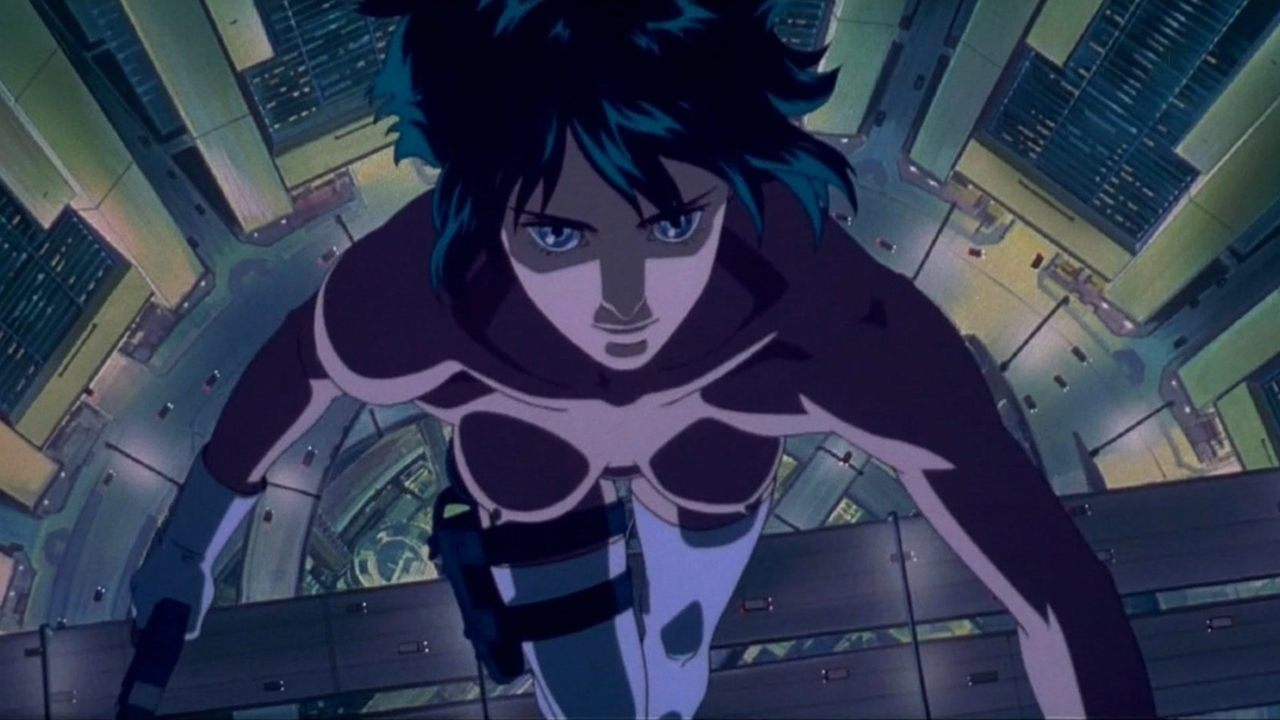
There are images from Mamoru Oshii's 1995 anime masterpiece, Ghost in the Shell, that burn themselves onto your memory. Major Motoko Kusanagi, poised atop a skyscraper, plummeting into the rain-slicked canyons of New Port City. The haunting, almost ritualistic assembly of her cybernetic body. These moments aren't just spectacle; they are windows into the film's soul, asking a question that resonates deeper with every passing year: In an age where the body is mutable and memories can be hacked, what truly defines 'us'? Watching this again, decades after first encountering it on a grainy VHS tape probably rented from the 'Sci-Fi/Import' section, that question feels less like science fiction and more like a chillingly relevant echo.
A City Drenched in Thought
Based on the manga by Masamune Shirow, but filtered through Oshii's distinctively contemplative lens, the film drops us into the complex world of Section 9, an elite counter-cybercrime unit. The plot nominally follows Major Kusanagi (Atsuko Tanaka) and her partner Batou (Akio Ōtsuka) as they hunt the enigmatic Puppet Master (Iemasa Kayumi), a ghost hacker capable of infiltrating human minds. But the procedural element, while compelling, serves primarily as a framework for exploring dense philosophical territory. New Port City itself, heavily inspired by the vibrant, chaotic energy of Hong Kong (where Oshii and his team did extensive location scouting), becomes a character – a sprawling, technologically saturated labyrinth reflecting the internal landscapes of its inhabitants. The rain seems perpetual, washing over neon signs and crowded streets, creating an atmosphere thick with melancholy and existential dread.
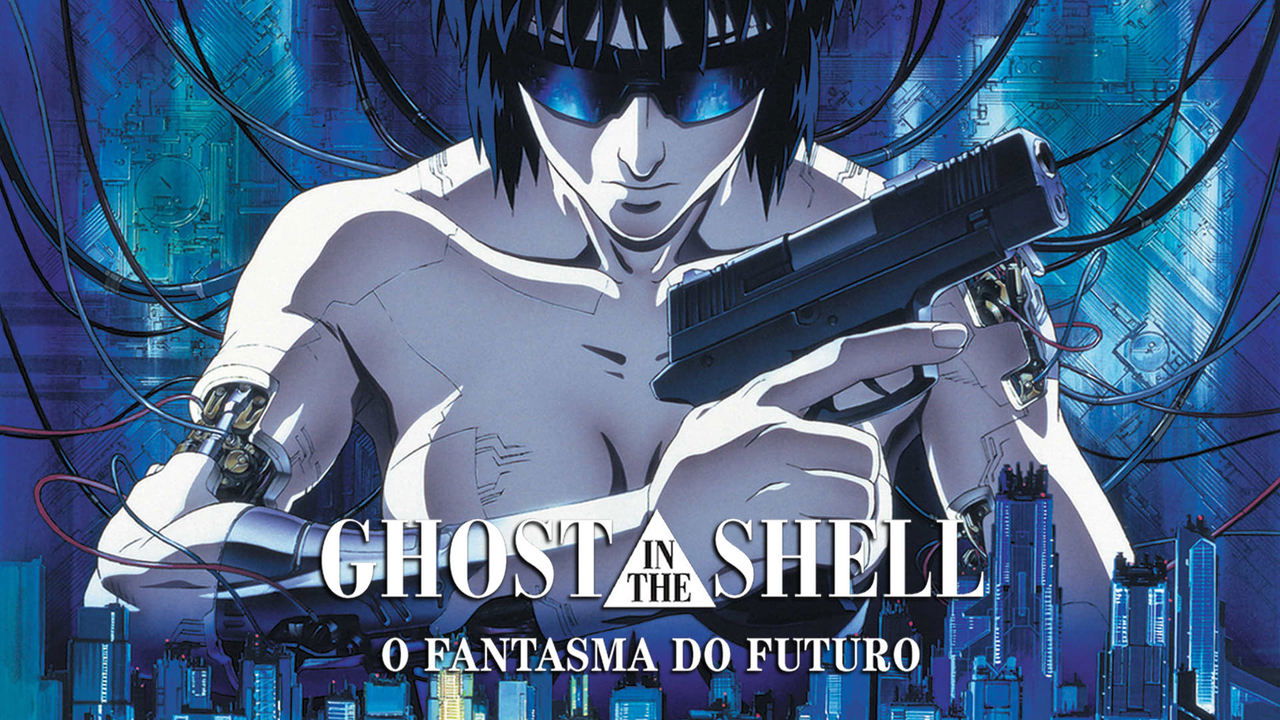
It's fascinating how Oshii, working with writer Kazunori Itō (who also penned scripts for the Patlabor series), deliberately pared back some of the manga's more lighthearted elements and political intricacies. Instead, he honed in on Kusanagi's personal crisis. She possesses a cybernetic body of incredible power, yet feels increasingly adrift, questioning the authenticity of her own memories and consciousness – her 'ghost'. Is she merely a sophisticated machine, a shell containing nothing truly unique? This focus elevates the film beyond a simple cyberpunk thriller into something far more profound.
The Weight of Performance
In animation, especially from this era, the voice acting carries immense weight, and the Japanese cast delivers performances of remarkable subtlety. Atsuko Tanaka imbues Kusanagi with a fascinating blend of cool professionalism and deep, weary introspection. Her delivery is often measured, almost detached, perfectly capturing the Major's sense of alienation from her own existence. It's a performance that relies on nuance rather than overt emotion, making Kusanagi's moments of vulnerability all the more impactful. Akio Ōtsuka provides the perfect counterpoint as Batou – fiercely loyal, grounded, his gruff exterior hinting at a deep concern for his partner's existential drift. Their relationship forms the quiet emotional core of the film. And Iemasa Kayumi's Puppet Master is chillingly effective, a disembodied voice radiating cold intelligence and a desperate yearning for definition.

Visual Poetry and Technical Groundbreaking
Visually, Ghost in the Shell was, and remains, breathtaking. Production I.G. achieved a remarkable feat, blending traditional cel animation with pioneering digital techniques (referred to as "digitally generated animation" or DGA). This hybrid approach allowed for effects like Kusanagi's thermo-optic camouflage and complex layering that gave the world incredible depth and texture. Think about that opening sequence – the detail in the cybernetic body's construction was unlike anything widely seen in animation at the time. It reportedly cost around ¥600 million (roughly $6 million USD back then) – a significant budget for an anime film, but every yen feels visible on screen. While perhaps not a blockbuster initially in Japan, its impact via VHS and later DVD in the West was seismic. It demonstrated the potential of anime as a medium for mature, complex storytelling on a global scale.
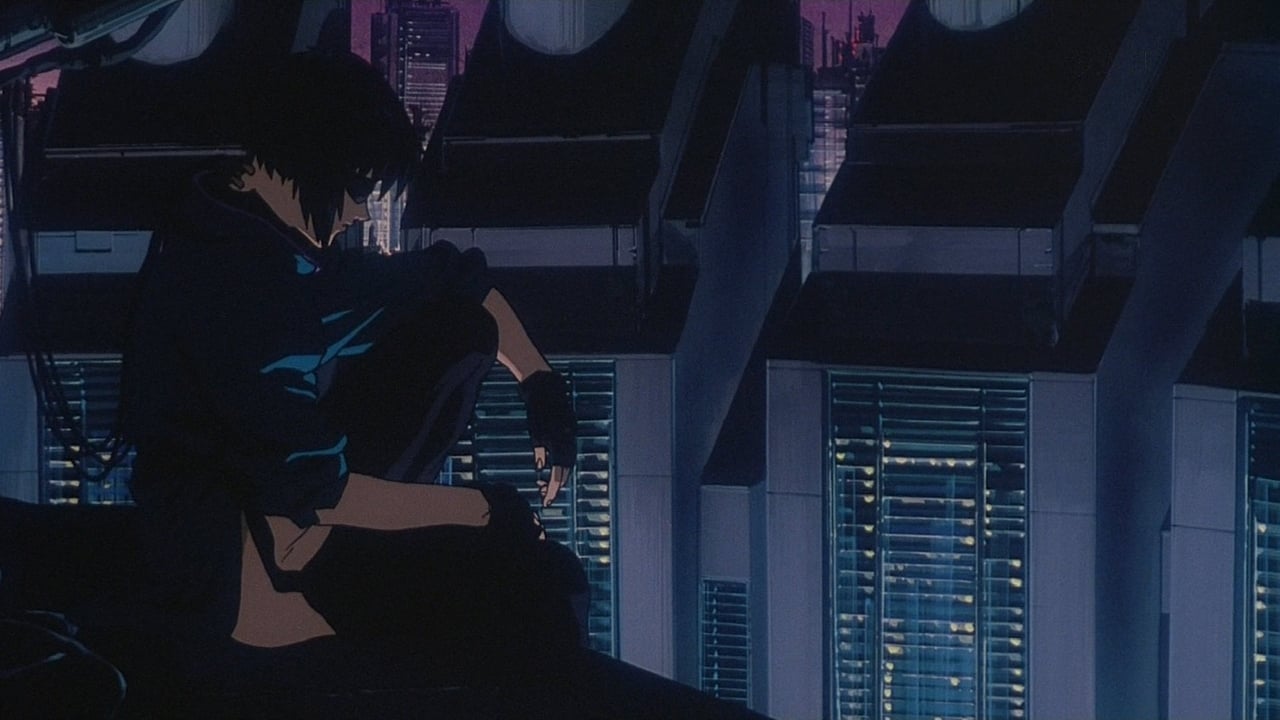
It’s almost impossible to discuss Ghost in the Shell without mentioning its influence. The Wachowskis famously screened it for producer Joel Silver when pitching The Matrix (1999), and the visual and thematic parallels are undeniable – the digital rain, the direct neural interfaces, the philosophical questions about reality. But Ghost in the Shell stands on its own, a mood piece as much as an action film, punctuated by moments of intense, balletic violence that feel consequential rather than gratuitous. Oshii masterfully uses quiet interludes – lingering shots of the cityscape, Kusanagi drifting through the canals – to allow the thematic weight to settle. These pauses are not filler; they are invitations to contemplation.
Legacy in the Machine
The world of Ghost in the Shell has expanded significantly since 1995, spawning sequels (like Oshii's own meditative Ghost in the Shell 2: Innocence from 2004), television series (Stand Alone Complex), and even a controversial live-action adaptation. Yet, this original film retains a unique power. It captured a specific late-20th-century anxiety about burgeoning technology and the potential erosion of identity, packaging it in a visually stunning and intellectually stimulating form. Seeing it again now, that anxiety feels less like a prediction and more like a diagnosis of our current moment.
---
Rating: 9.5/10
This score reflects the film's masterful blend of groundbreaking animation, atmospheric world-building, profound philosophical inquiry, and influential legacy. The slightly less-than-perfect score acknowledges that its deliberate pacing and dense themes might not resonate with absolutely everyone seeking straightforward action, but its artistic achievements and enduring relevance are undeniable. It pushed boundaries in 1995, technically and thematically, and its core questions about humanity in a technologically saturated world remain startlingly potent.
Ghost in the Shell isn't just a film you watch; it's one you absorb, one that lingers long after the credits roll, leaving you pondering the nature of the ghost within your own machine.