Okay, fellow tape-heads, let's rewind to a time when anime on VHS felt like uncovering secret transmissions from another world. Forget algorithm recommendations; finding something cool often meant judging a tape by its cover in the shadowy corner of the video store. And sometimes, you struck gold. Or, in this case, polished chrome and high explosives. I'm talking about the 1988 Original Video Animation (OVA) adaptation of Masamune Shirow's legendary manga: Appleseed.
### Beyond the Orchard: Welcome to Olympus
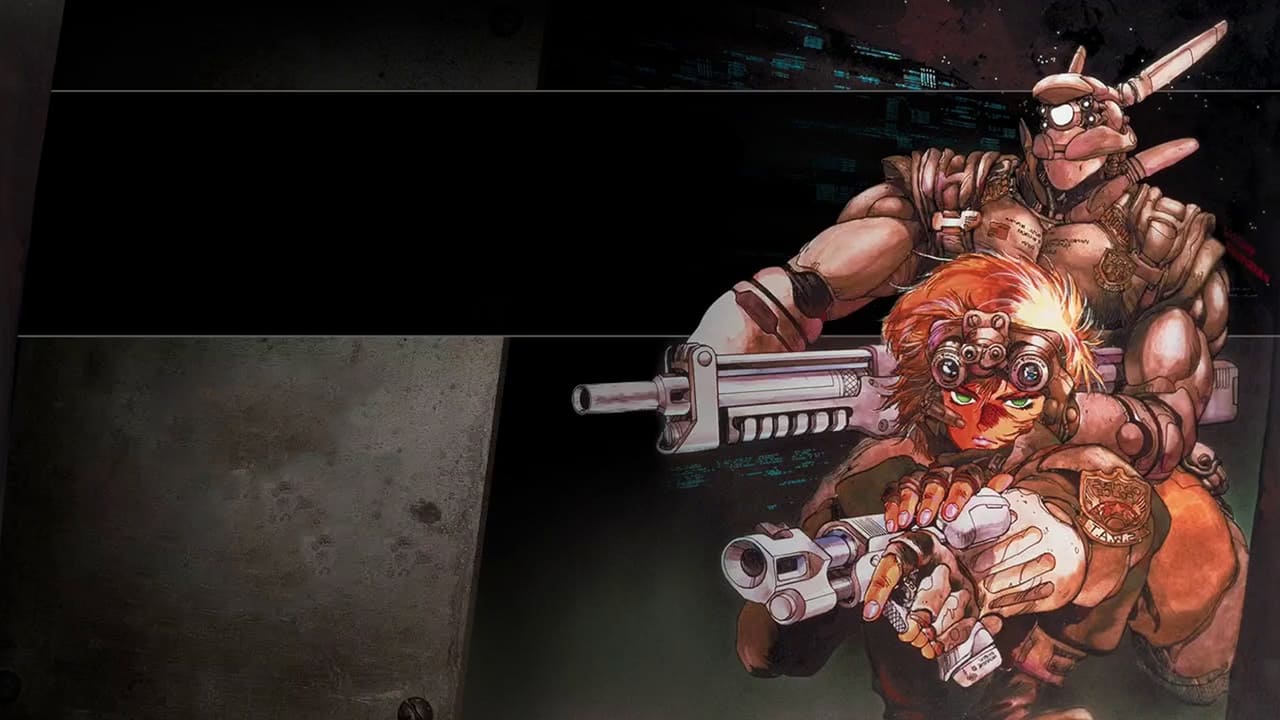
The name Appleseed might conjure images of something peaceful, maybe even pastoral. Let me assure you, the reality cooked up by the visionary manga artist Masamune Shirow is anything but. Dropping us into the 22nd century, after the devastation of World War III, the film introduces Olympus – a gleaming, technologically advanced metropolis seemingly designed as humanity’s last, best hope. But paradise, as always, has its problems. Enter Deunan Knute (voiced with fiery determination by Masako Katsuki) and her imposing cyborg partner, Briareos Hecatonchires (Yoshisada Sakaguchi). Rescued from the ruins of the old world, they're recruited into the city's elite ESWAT (Extra-Special Weapons and Tactics) unit, tasked with maintaining order in this fragile utopia.
Directed by Kazuyoshi Katayama, who would later give us stylish works like The Big O, this 1988 Appleseed OVA dives headfirst into the action. It focuses on Deunan and Briareos tackling terrorist threats aimed at disrupting Olympus's delicate human-Bioroid balance. While it necessarily streamlines the dense political intrigue and philosophical depth of Shirow's original manga (a common trait for OVAs aiming for a tight runtime), it absolutely nails the gritty cyberpunk atmosphere and kinetic energy that defined so much great 80s anime.
### Steel, Circuits, and Shirow Style
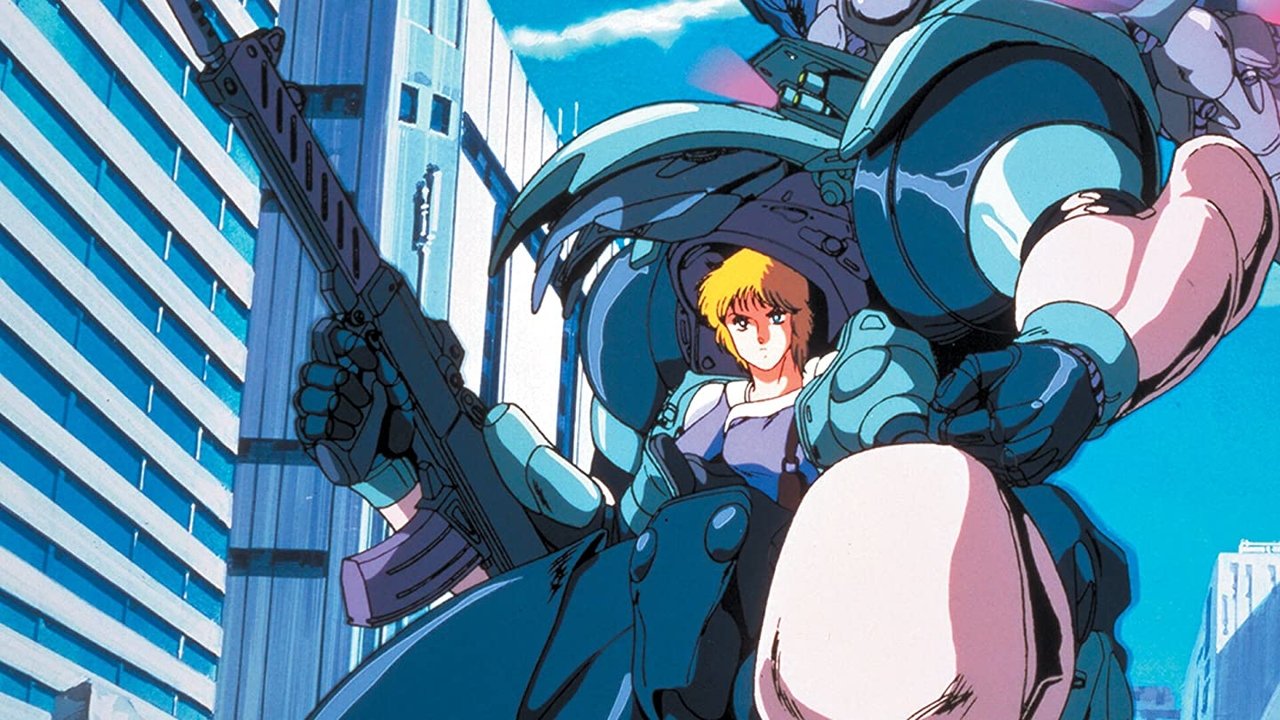
Visually, this Appleseed is a pure hit of late-80s anime aesthetic. Think sharp character designs, incredibly detailed mechanical drawings (especially Briareos and the various Landmates – powered exoskeletons), and cityscapes that blend futuristic architecture with a tangible sense of lived-in grit. The animation itself shows the hallmarks of its OVA origins – often relying on striking key frames and dynamic poses rather than fluid, high-frame-rate movement. But honestly? That style has its own potent charm. When the action kicks in, with bullets flying and mecha clashing, Katayama ensures it feels impactful and exciting. I distinctly remember being blown away by Briareos's sheer presence on my flickering CRT screen – that imposing cyborg frame, the instantly recognizable "rabbit ear" sensor arrays – he was unlike anything else I'd seen.
The dynamic between Deunan and Briareos is the heart of the film. Deunan is fierce, capable, and provides the relatable human anchor, while Briareos, despite his intimidating appearance, often serves as the steady, protective powerhouse. Their partnership feels earned, a testament to the voice work by Katsuki and Sakaguchi and the core strength of Shirow's character concepts. We also meet Hitomi (Rei Sakuma), a Bioroid who represents the engineered population of Olympus and becomes central to the plot's unfolding conspiracy.
### Retro Fun Facts: Unspooling the Tape
This Appleseed wasn't a big-screen blockbuster; it was an OVA, crafted directly for the home video market. This format was absolutely crucial in bringing anime like this to Western audiences throughout the 80s and 90s. Often funded with more modest budgets than theatrical features but aiming for higher quality than TV series, OVAs were where much of the groundbreaking sci-fi and cyberpunk anime first made its mark outside Japan.
Adapting Shirow is famously challenging; his manga are dense with technical detail, intricate plots, and philosophical musings. This OVA simplifies things, focusing on a more straightforward anti-terrorism plot involving a rogue AI and questions about Bioroid control. While some hardcore manga fans might miss the deeper complexities, it makes for a punchy, accessible action piece that serves as a great introduction to the Appleseed universe. Interestingly, the soundtrack leans heavily into that quintessential 80s synth-rock vibe, perfectly complementing the visuals and action. It's a sound that instantly transports you back to the era. Finding this tape felt like discovering a piece of the future, smuggled back in time on magnetic ribbon.
### A Foundational Piece of Cyberpunk Anime
Watching Appleseed today is like excavating a key artifact from the golden age of VHS anime. It predates the global phenomenon of Shirow's other major work, Ghost in the Shell (1995), but you can clearly see the shared DNA: the complex relationship between humanity and technology, the intricate world-building, the cool factor of cybernetics and advanced weaponry. While later adaptations, like Shinji Aramaki's impressive 2004 CGI film, would bring Olympus to life with cutting-edge visuals, this 1988 version retains a unique, hand-drawn charm and raw energy. It represents a specific, potent moment in anime history, a time when creators were pushing boundaries in animation and storytelling, delivering mature, action-packed sci-fi directly to hungry fans via video rental stores. It might feel a little rough around the edges compared to modern productions, but its influence and historical importance are undeniable. For anyone exploring the roots of cyberpunk anime, this 80s Appleseed OVA review points to a vital touchstone.
VHS Heaven Rating: 7/10
This score reflects Appleseed's significance as an early, influential Masamune Shirow adaptation and a prime example of exciting 80s OVA sci-fi. It delivers stylish action, iconic designs (Briareos!), and a potent cyberpunk atmosphere. While the animation has its limitations and the plot simplifies the source material, its historical value and sheer retro-cool factor make it essential viewing for fans of the era. It captured a specific kind of futuristic thrill that felt groundbreaking on VHS.
Final Thought: A crunchy, action-packed slice of 80s cyberpunk direct from the source, Appleseed '88 remains a gleaming chrome artifact well worth digging out of the archives. It's a reminder of when discovering anime felt like plugging directly into the future.