There's a certain kind of historical epic that doesn't just recount events; it throws you bodily into the muck and mire, the sweat and blood, the stifling perfume and political poison of the past. Patrice Chéreau's Queen Margot (1994), or La Reine Margot as it originally unfurled, is precisely that kind of film. Watching it again after all these years, away from the flickering CRT glow but still feeling its visceral power, is like being plunged into a fever dream of 16th-century France – beautiful, brutal, and utterly unforgettable. It’s less a polite costume drama and more a raw, operatic howl from the heart of religious conflict and dynastic decay.
A Marriage Forged in Blood
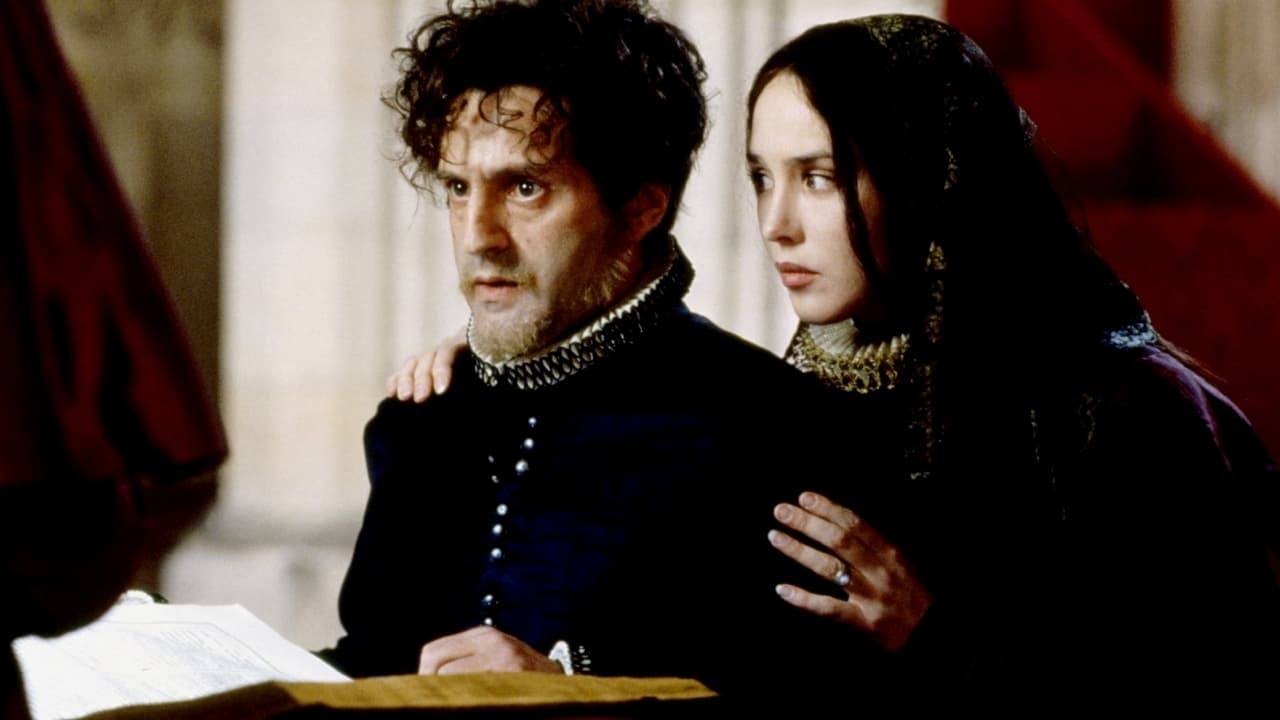
The film opens with a spectacle meant to signify peace: the marriage of Marguerite de Valois, or Margot (Isabelle Adjani), a Catholic princess, to Henri de Navarre (Daniel Auteuil), a Protestant king. The air in Notre Dame cathedral crackles not with celebration, but with barely concealed hostility. This union, orchestrated by the scheming Queen Mother Catherine de Medici (Virna Lisi, in a performance that deservedly won Best Actress at Cannes), is supposed to heal the rift tearing France apart. Instead, it acts as the trigger for one of history’s most infamous atrocities: the St. Bartholomew's Day Massacre. Chéreau doesn't just depict the massacre; he immerses us in its chaos, its terrifying intimacy, turning the opulent halls of the Louvre into charnel houses. I remember renting this on VHS, perhaps drawn by Adjani's striking presence on the cover, and being utterly unprepared for the sheer, overwhelming intensity packed onto that tape.
The Captive Queen
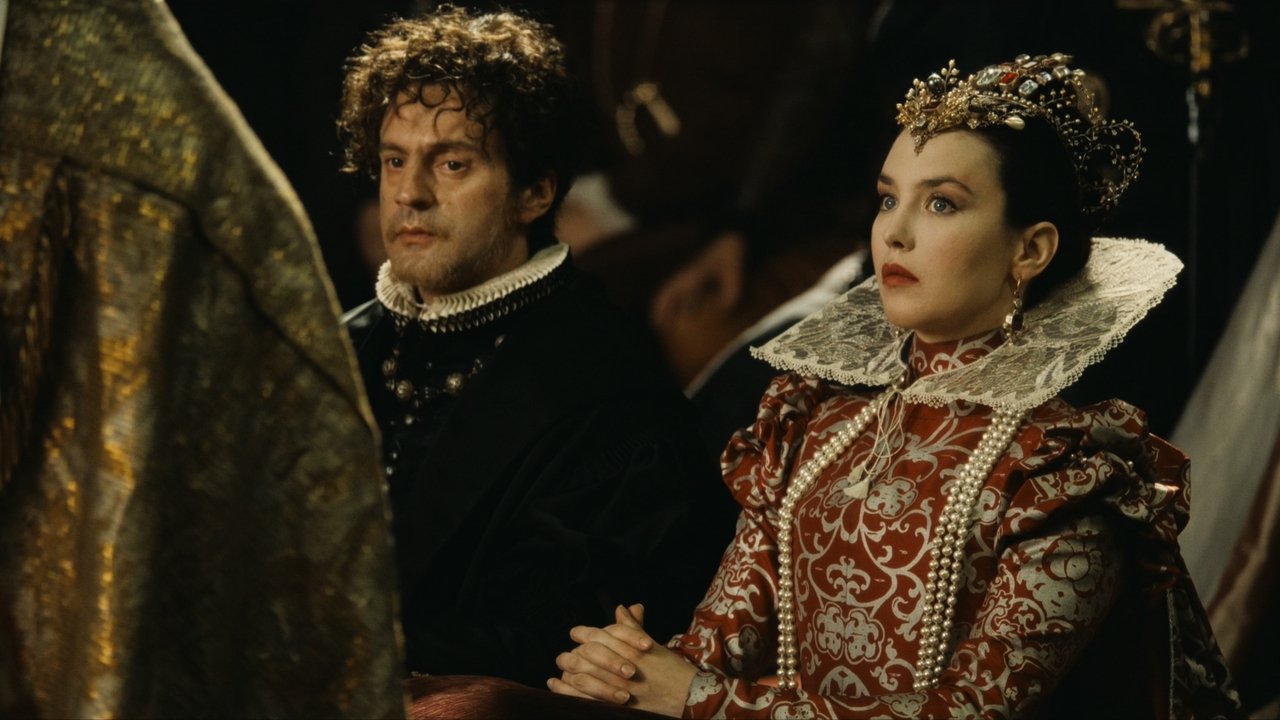
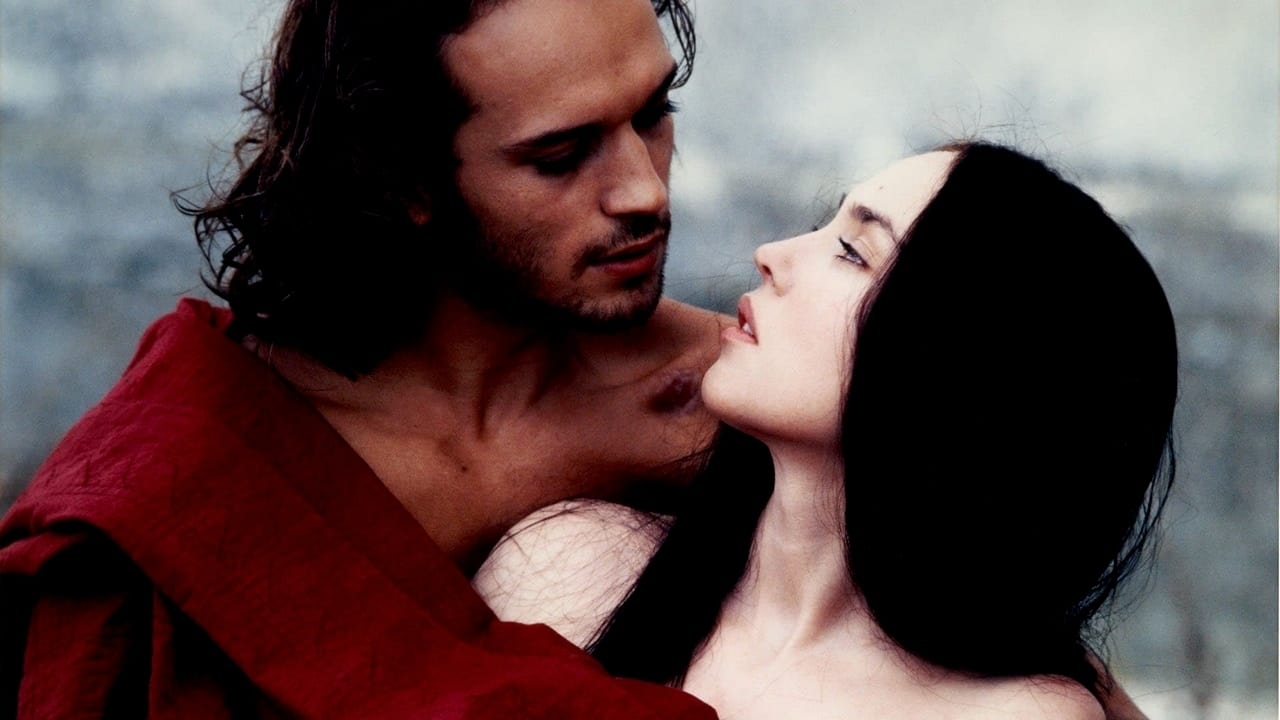
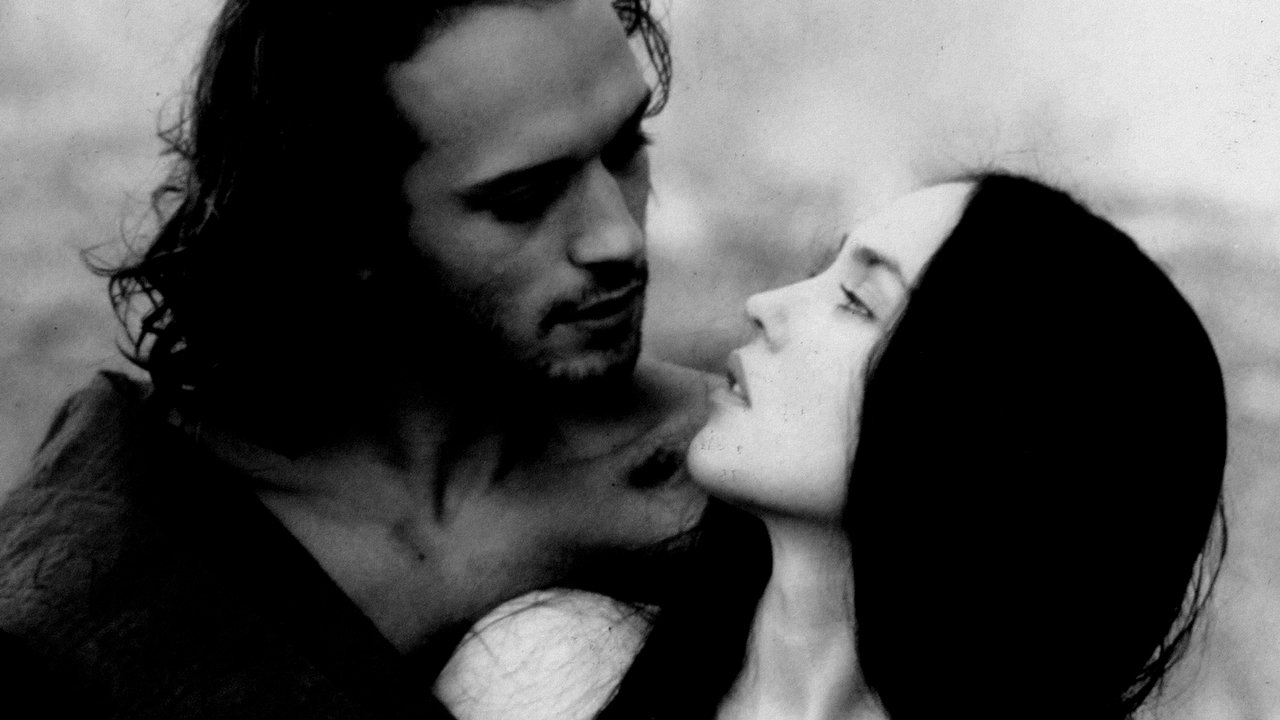
At the centre of this vortex is Margot herself. Isabelle Adjani, already a cinematic force known for searing roles in films like Possession (1981) and Camille Claudel (1988), delivers a performance of breathtaking complexity. Her Margot is luminous and trapped, a political pawn who uses her body and wits to navigate the treacherous currents of the court. She’s pushed into a marriage she despises, surrounded by plotting brothers – the neurotic, sweating King Charles IX (Jean-Hugues Anglade, truly unnerving) and the ambitious Duke of Anjou (Pascal Greggory) – and overseen by a mother whose political machinations know no bounds. Adjani conveys Margot’s simmering desires, her fierce loyalties (particularly to her wounded Huguenot lover, La Môle, played with doomed romanticism by Vincent Perez), and her desperate fight for agency in a world designed to crush her. Her expressive eyes, often framed in close-up, seem to contain the weight of all the era's suffering and intrigue.
Life Poured Onto the Screen
Chéreau, primarily known for his theatre and opera work before this, directs with a raw, almost frantic energy. The camera often feels uncomfortably close, jostling through crowds, lingering on sweat-slicked skin, torn fabrics, and pooling blood. There's a palpable sense of physicality, a rejection of the sterile distance often found in historical films. This wasn't some clean, romanticized past; it was claustrophobic, dangerous, and reeked of mortality. It’s said the production, with its thousands of extras and elaborate recreations of 16th-century Paris (built largely outside Bordeaux), was incredibly demanding. Rumours even circulated that some extras involved in the harrowing massacre sequences required psychological support afterwards – a grim testament to the director's commitment to visceral realism. The film reportedly cost around 140 million French Francs (roughly $25 million USD back then, a hefty sum for a European production), and every cent feels present on screen, not just in spectacle, but in the lived-in, often gruesome detail.
Costumes That Tell a Story
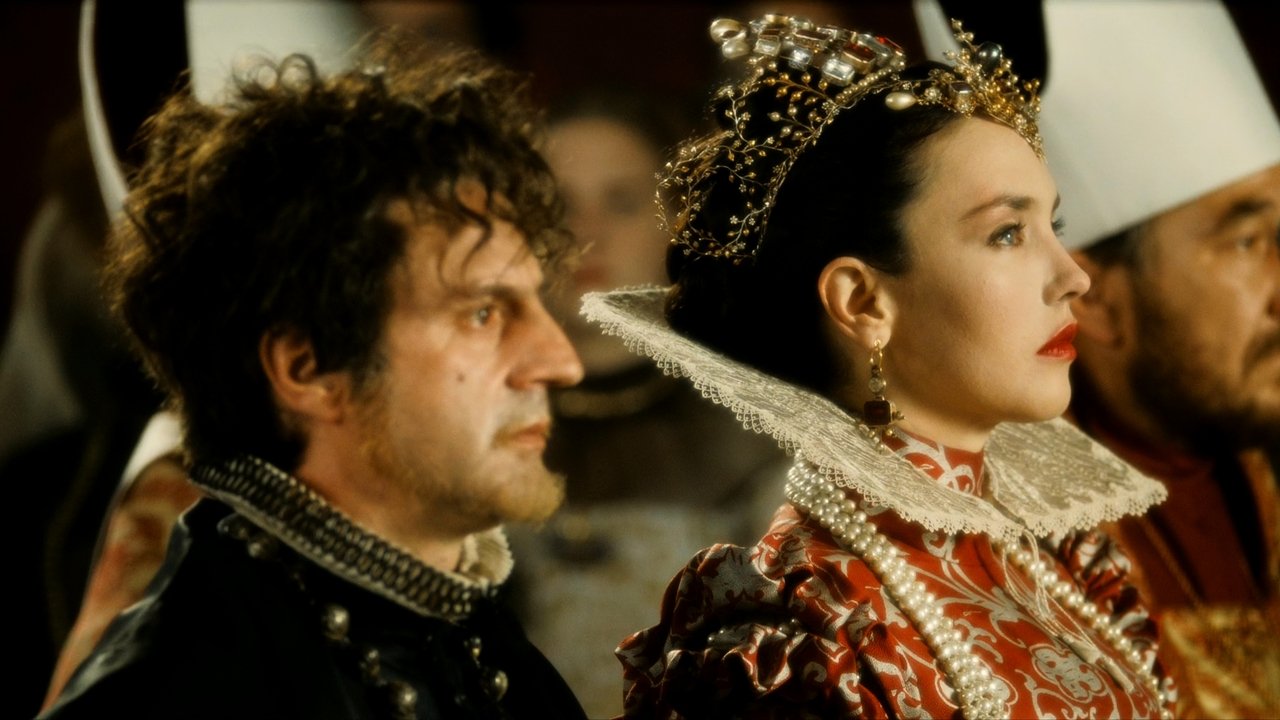
You cannot discuss Queen Margot without mentioning the Oscar-nominated costumes by Moidele Bickel. They aren't just period dressing; they are characters in themselves. The heavy velvets, the intricate lace, the deep jewel tones – they look magnificent, but also confining, reflecting the gilded cage the royals inhabit. As the film descends into violence, these beautiful garments become stained, torn, and soaked in blood, mirroring the decay of the Valois dynasty and the shattering of peace. It’s a powerful visual metaphor woven through the fabric of the film. The contrast between the initial opulence of the wedding and the gore-splattered aftermath is jarring and deliberate.
More Than Just History
While rooted in Alexandre Dumas' novel (which itself took liberties with history), Queen Margot transcends simple historical recounting. It’s a potent exploration of religious fanaticism, the corrupting nature of absolute power, the complex interplay of love and survival, and the struggle for individual freedom against overwhelming political forces. Does the sight of neighbours turning violently upon neighbours over religious dogma feel chillingly familiar? Absolutely. The film forces us to confront the brutality that can erupt when ideology curdles into hatred, a theme sadly never confined to the pages of history books. Its unflinching depiction of violence felt shocking even in the mid-90s, a precursor perhaps to the grittier historical and fantasy epics that would follow.
Legacy on Tape and Beyond
Queen Margot arrived during a period when ambitious European historical dramas could still find a significant audience, even landing nominations and awards on the international stage. It was a challenging watch then, and it remains so now – long (the original Cannes cut ran nearly 160 minutes, later trimmed for international release), dense, and graphically violent. Yet, its power is undeniable. The performances are uniformly superb, with Auteuil’s pragmatic, watchful Henri and Lisi’s chillingly pragmatic Catherine providing perfect counterpoints to Adjani’s passionate turmoil. Goran Bregović's haunting, Balkan-inflected score adds another layer of unsettling beauty. This wasn't just another costume drama gathering dust on the rental shelf; it was an event, a film that demanded attention and left a lasting, often disturbing, impression.
Rating: 9/10
This score reflects the film's sheer artistic ambition, its unforgettable atmosphere, and the powerhouse performances, particularly from Isabelle Adjani. It’s a demanding, often harrowing experience, certainly not a casual watch, which might deter some. However, for its immersive world-building, its unflinching gaze into the abyss of history, and its raw emotional power, Queen Margot stands as a monumental piece of 90s cinema.
It leaves you breathless, perhaps a little shaken, contemplating the cyclical nature of human violence and the moments of desperate humanity that flicker even in the darkest of times. A true epic, in every sense of the word.