It begins with a ship cutting through the vastness of the ocean, carrying a woman and her child towards an unknown horizon, towards Siam. This arrival isn't just a geographical transition; it's the visual starting point for a profound encounter between worlds, personalities, and deeply ingrained beliefs. 1999's Anna and the King might share source material with the beloved Rodgers and Hammerstein musical, but director Andy Tennant charts a distinctly different course here. This isn't a film bursting into song; it’s a more somber, visually sumptuous exploration of cultural collision and the complex, magnetic pull between two powerful individuals navigating treacherous political and personal waters. Revisiting it now feels like uncovering a meticulously crafted artifact from the twilight of the 90s – one of those grand, earnest historical dramas that seemed to fade as the new millennium dawned.

A Clash of Wills, A Meeting of Minds
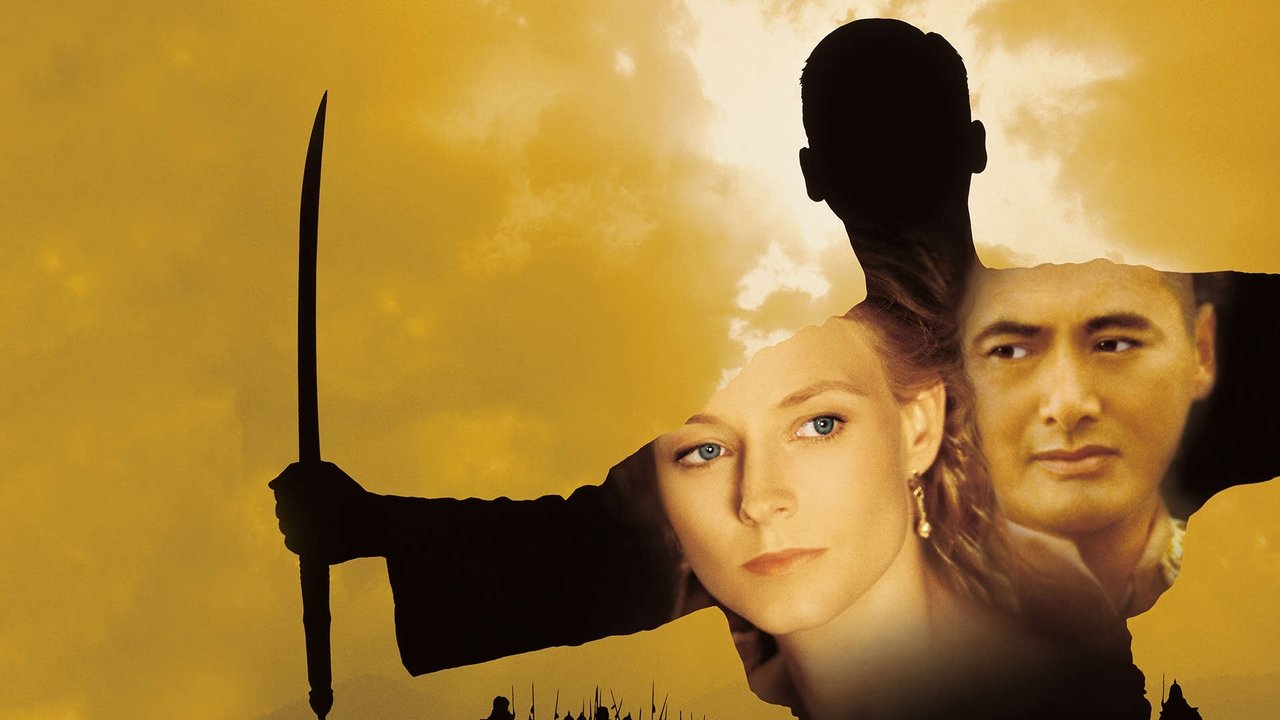
At its heart, the film rests on the dynamic between Anna Leonowens, the determined British widow hired to educate the royal children, and King Mongkut, the forward-thinking yet tradition-bound monarch of Siam. Jodie Foster embodies Anna with a familiar steeliness, but it’s tempered with a vulnerability that surfaces as she confronts the profound otherness of the Siamese court and the unexpected intellectual sparring partner she finds in the King. Foster portrays Anna not just as a governess, but as an accidental diplomat and a catalyst for subtle change, her Western sensibilities inevitably clashing with centuries of custom. What makes her performance resonate is the undercurrent of loneliness and the quiet courage required to stand her ground in such an alien environment.
Opposite her, Chow Yun-fat delivers a portrayal of King Mongkut miles away from Yul Brynner's iconic, albeit stylized, interpretation. Chow imbues Mongkut with a regal authority, intelligence, and a palpable sense of the immense weight of his responsibilities. He’s wrestling with the encroachment of colonial powers, the pressures of modernization, and the intricate protocols of his own court. There's a searching quality in his eyes, a flicker of humor, and moments of profound gravity. The chemistry between Foster and Chow isn't one of overt romance, but of mutual respect, intellectual curiosity, and an undeniable, though perpetually unspoken, emotional connection. Their scenes together are the film's strongest asset, a delicate dance of challenging, understanding, and ultimately, influencing one another.
Crafting a Kingdom
Visually, Anna and the King is often breathtaking. Cinematographer Caleb Deschanel (known for The Right Stuff and The Passion of the Christ) paints Siam with a rich, golden light, capturing both the oppressive humidity and the stunning beauty of the landscape and architecture. The scale of the production is immense, particularly impressive considering the challenges faced. Originally intended to film in Thailand, the production was denied permission by the Thai government, who objected to the script's historical interpretations and portrayal of the monarchy (a sensitivity that persists today).
Retro Fun Fact #1: This refusal forced the production team to relocate to Malaysia. They undertook a massive construction effort, essentially recreating the Siamese Grand Palace and other key locations on vast sets. Reportedly, over 250 acres were utilized, involving the construction of more than 40 structures. This unexpected move added significantly to the logistical complexity and likely the budget, initially estimated around $75 million but ballooning closer to $92 million – a hefty sum for 1999 (roughly $170 million in today's dollars).
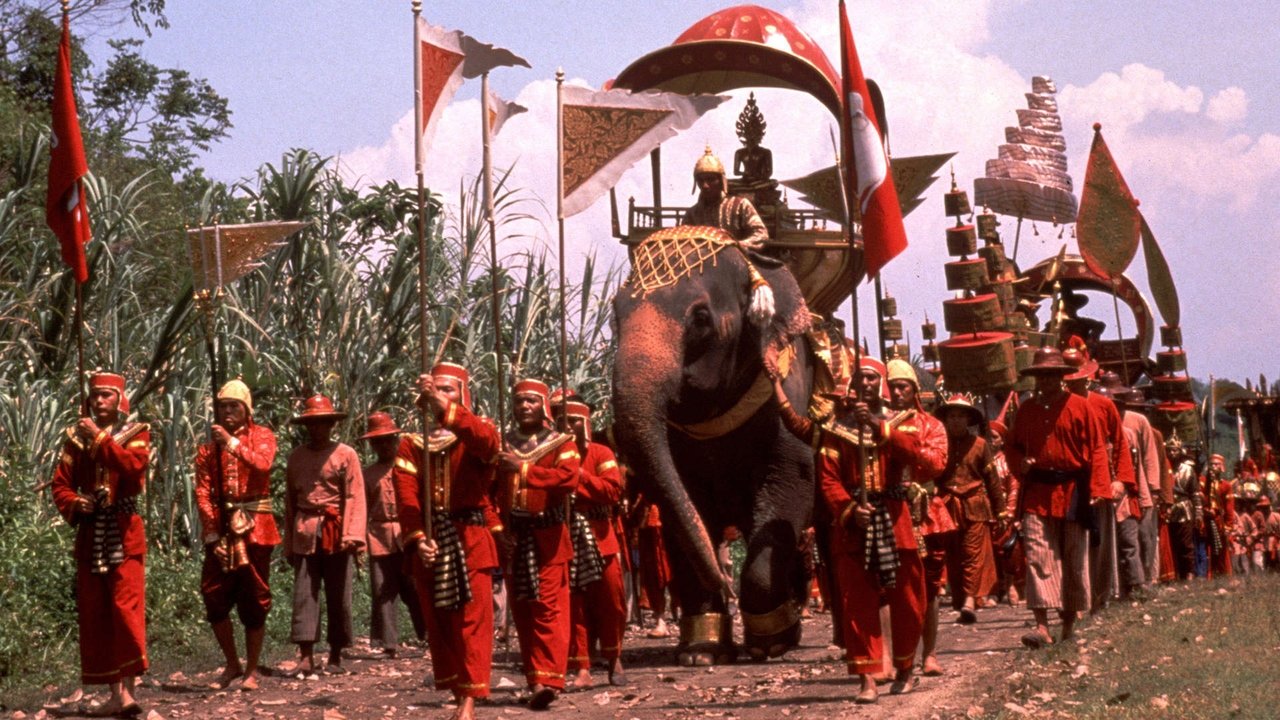
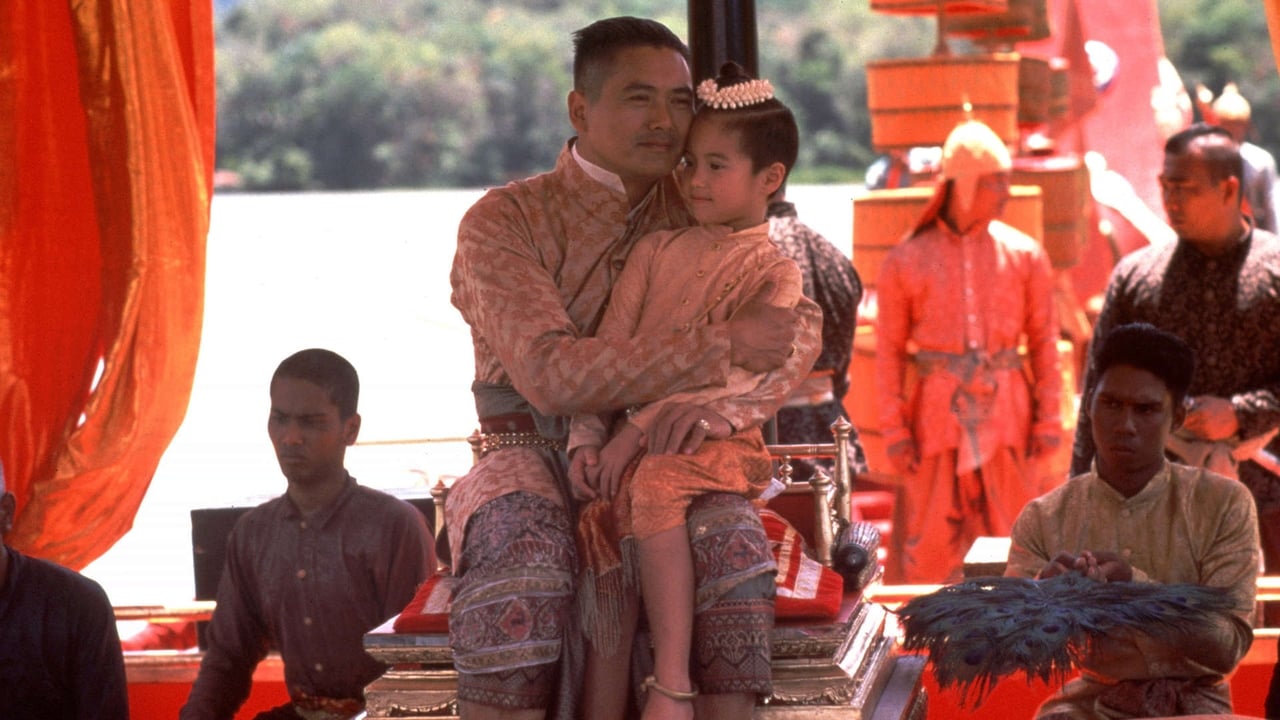
Retro Fun Fact #2: The sheer number of costumes required was staggering. Costume designer Jenny Beavan (later an Oscar winner for Mad Max: Fury Road and Cruella) and her team reportedly created over 4,000 individual costumes to outfit the cast and hundreds of extras, meticulously researching 19th-century Siamese and British attire to achieve authenticity, a stark contrast to the more theatrical designs of the musical.
The score by George Fenton also plays a crucial role, underscoring the emotional beats and enhancing the epic scope without becoming intrusive. Tennant, perhaps more associated with charming romances like Ever After (released just the year prior), handles the scale effectively, balancing the grandeur with the more intimate character moments.
Reflections on Legacy and Authenticity
Does the film succeed purely as history? That's debatable, and historians have pointed out inaccuracies, as they often do with dramatizations. The film takes liberties for narrative effect, particularly concerning Anna's political influence and the specific nature of certain events. However, perhaps the goal isn't perfect historical recreation, but rather capturing the spirit of this encounter – the tension between tradition and progress, the complexities of leadership, and the profound impact individuals can have on each other across cultural divides.
Retro Fun Fact #3: Chow Yun-fat, already a superstar in Hong Kong cinema thanks to films like The Killer and Hard Boiled, took the role of King Mongkut very seriously. Though he had appeared in Hollywood films before (The Replacement Killers), this was a major dramatic undertaking. He reportedly underwent intensive English language coaching to master the nuances of the script and deliver a performance that conveyed Mongkut’s intelligence and regal bearing convincingly to a Western audience. His dedication pays off, lending significant weight to the character.
Watching it today, the film feels earnest, perhaps even a touch old-fashioned in its straightforward narrative approach compared to more cynical modern epics. Yet, there's an undeniable power in its sincerity. The themes of cultural understanding, the role of women in restrictive societies, and the burdens of leadership still resonate. It asks us to consider how much we are shaped by our origins, and how much we can truly connect with those whose lives seem utterly different. What lingers isn't necessarily the historical detail, but the feeling evoked by the central relationship – that spark of recognition between two intelligent, lonely souls navigating immense pressures.
---

Rating: 7/10
Justification: Anna and the King earns a solid 7 for its stunning visual presentation, impressive production scale achieved under difficult circumstances, and particularly for the compelling central performances from Jodie Foster and Chow Yun-fat. Their nuanced portrayal of the complex relationship between Anna and Mongkut forms the undeniable core of the film. The score and cinematography significantly enhance the atmosphere. However, it falls short of higher marks due to occasional pacing issues inherent in its near 2.5-hour runtime and the dramatic license taken with historical events, which might bother purists. While ambitious and often moving, it doesn't quite reach the emotional profundity it seems to strive for in every scene.
Final Thought: More than just a non-musical retelling, Anna and the King stands as a handsome, thoughtfully rendered piece of late-90s epic filmmaking, memorable for its visual grace and the quiet intensity flickering between its two leads across a vast cultural divide.