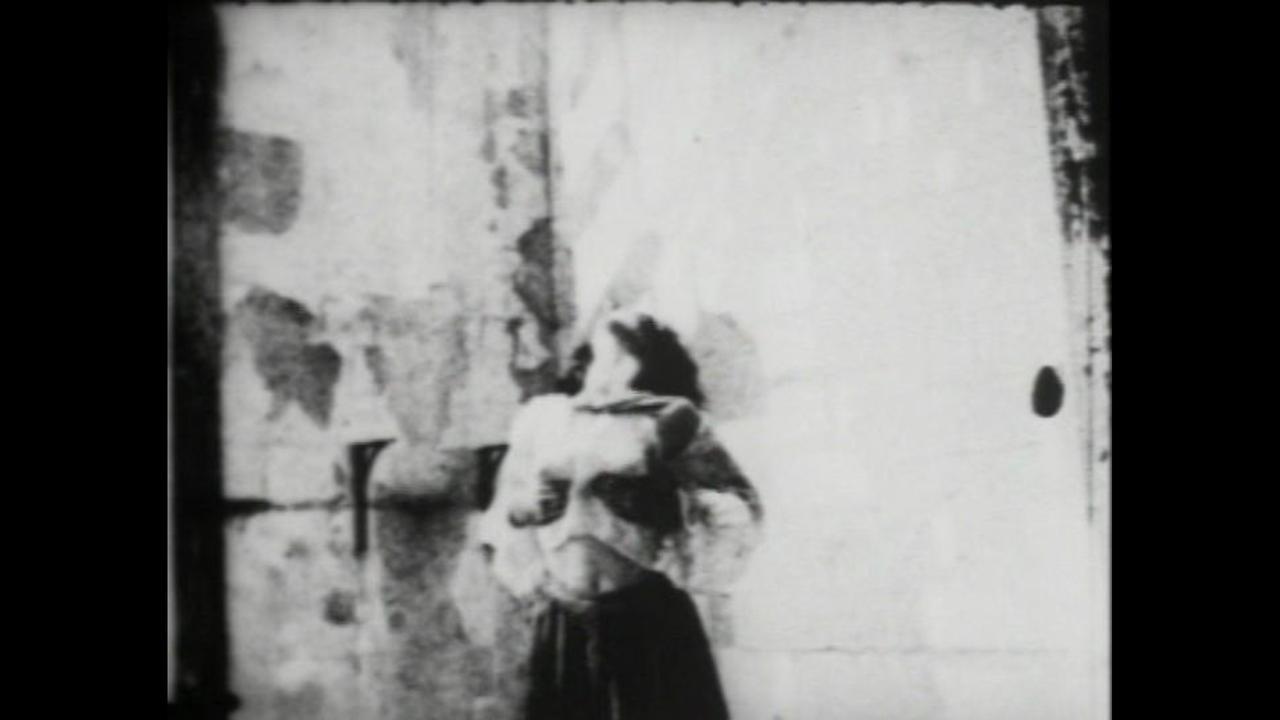
The flickering begins. Not the familiar warmth of worn tape heads, but something harsher, more distressed. It’s like watching a transmission from a dead world, dredged up from static and decay. The image resolves, stark black and white, grainy as sandpaper scraped across bone. A figure, robed and masked, sits enthroned in a derelict room. Then, with ritualistic slowness, it begins to disembowel itself. This is Begotten (1991), and it doesn't ease you in; it throws you headfirst into the abattoir of creation.
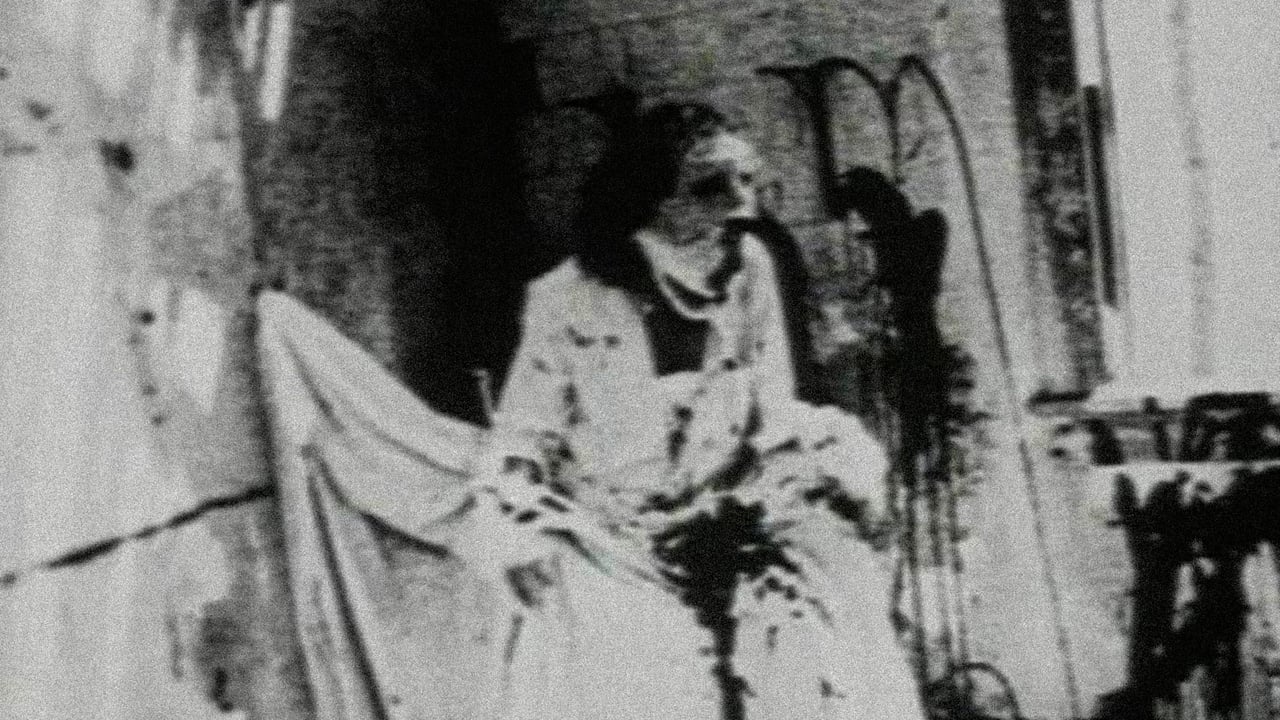
There's no dialogue here, no conventional score beyond unsettling ambient noise and crackling textures. Director E. Elias Merhige, in his feature debut, crafts not a narrative in the traditional sense, but a primal, allegorical nightmare. What unfolds is a grotesque creation myth: the dying God (Brian Salzberg) impregnates Mother Earth (Donna Dempsey), who gives birth to the deformed Son of Earth (Stephen Charles Barry), a convulsing figure dragged through a hostile landscape by faceless nomads. It’s less a story, more a series of harrowing tableaux vivant, rendered in visuals so aggressively processed they feel like they might shred the screen itself.
A Scar on Celluloid
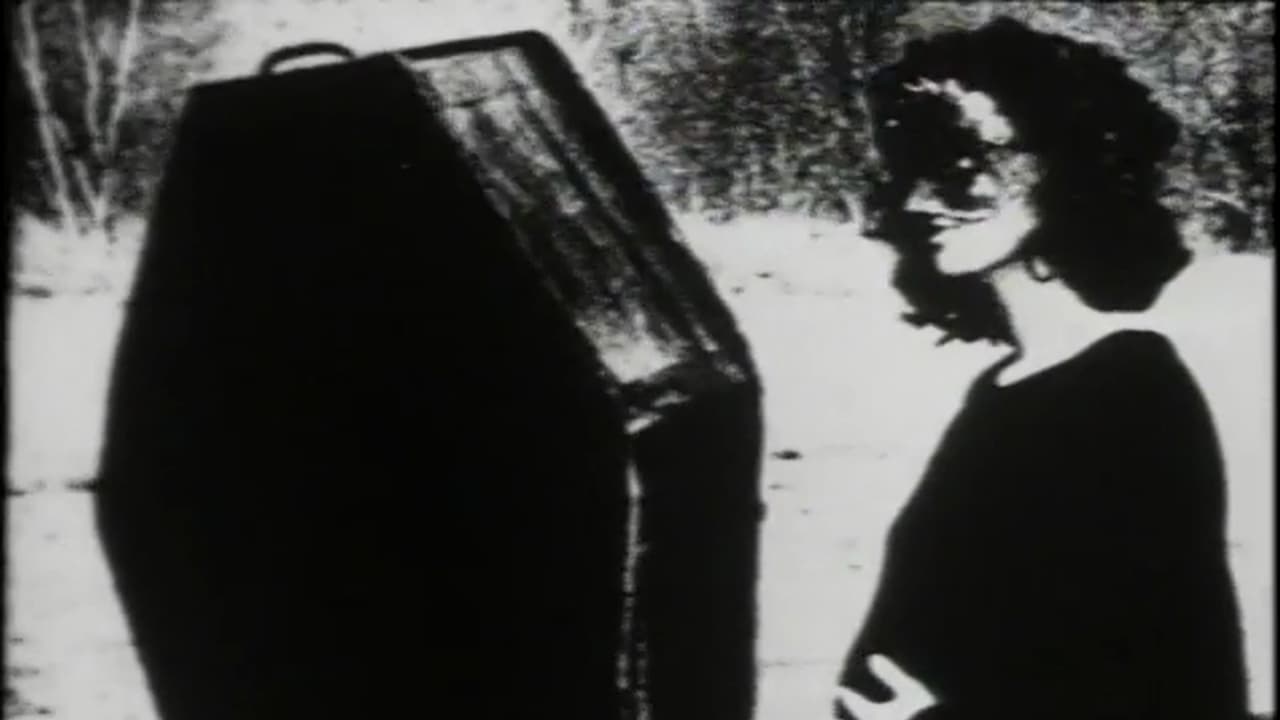
The film's unforgettable look wasn't an accident or mere lo-fi necessity; it was a deliberate, painstaking artistic choice. Merhige shot on black and white reversal film and then meticulously re-photographed each frame, manipulating the contrast and texture. This alchemical process, reportedly taking 8-10 hours to refine each minute of the final cut, strips away subtlety, leaving only extremes of light and shadow. It creates a visual language that feels ancient, unearthed, like glimpsing petrified rituals. Does the technique sometimes obscure the action? Absolutely. But it also imbues every frame with a palpable sense of dread and otherness, transforming mundane locations (filming apparently took place near the US/Canada border over two and a half years) into alien terrains.
The Alchemy of Suffering
Watching Begotten is an endurance test. The deliberate pacing, the repetitive cycles of violence and suffering inflicted upon the Son of Earth – it's designed to be uncomfortable, confrontational. The performers, listed only by their archetypal roles, commit fully to the film's grueling physicality. Their movements are often spastic, tortured, conveying primal agony without words. You watch, mesmerized and repulsed, questioning the very act of witnessing. It pushes boundaries, not with cheap gore (though it is graphic), but with its sustained, almost meditative depiction of torment within its mythological framework. It's this commitment to its singular, bleak vision that elevates it beyond mere shock value. It feels less like a movie and more like a ritual artifact someone probably shouldn't have dug up.
Born of Static and Shadow
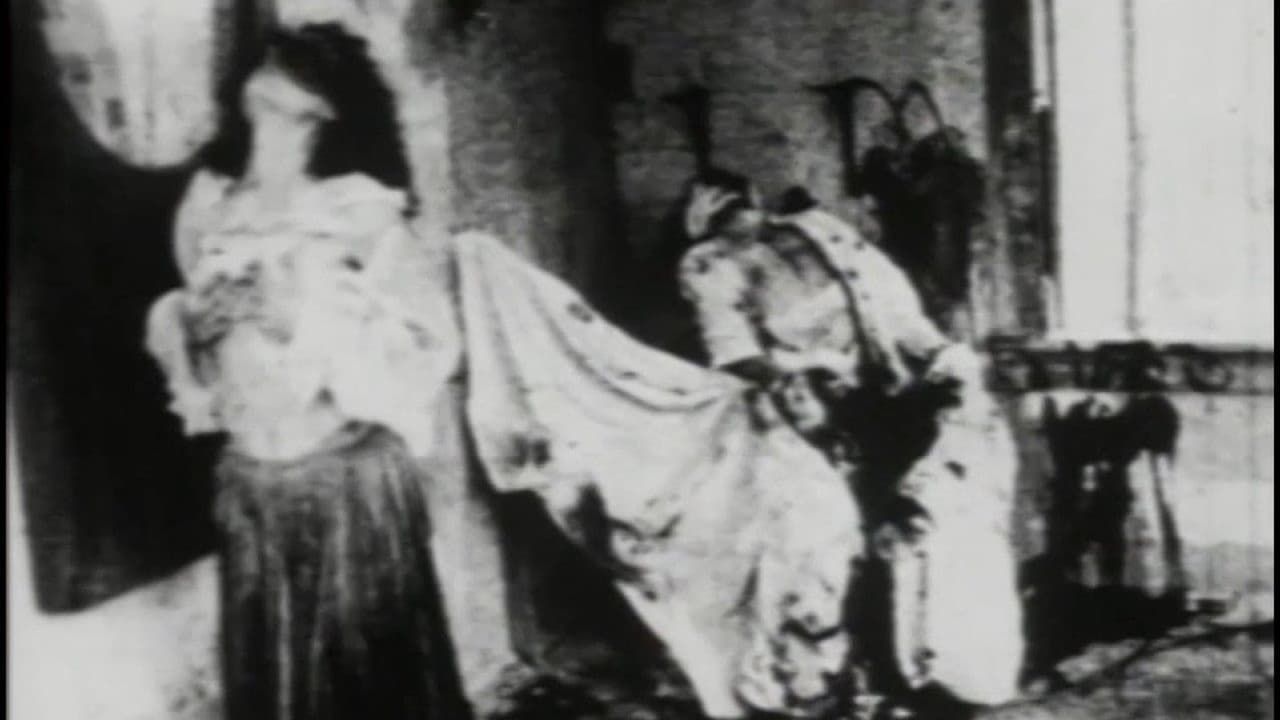
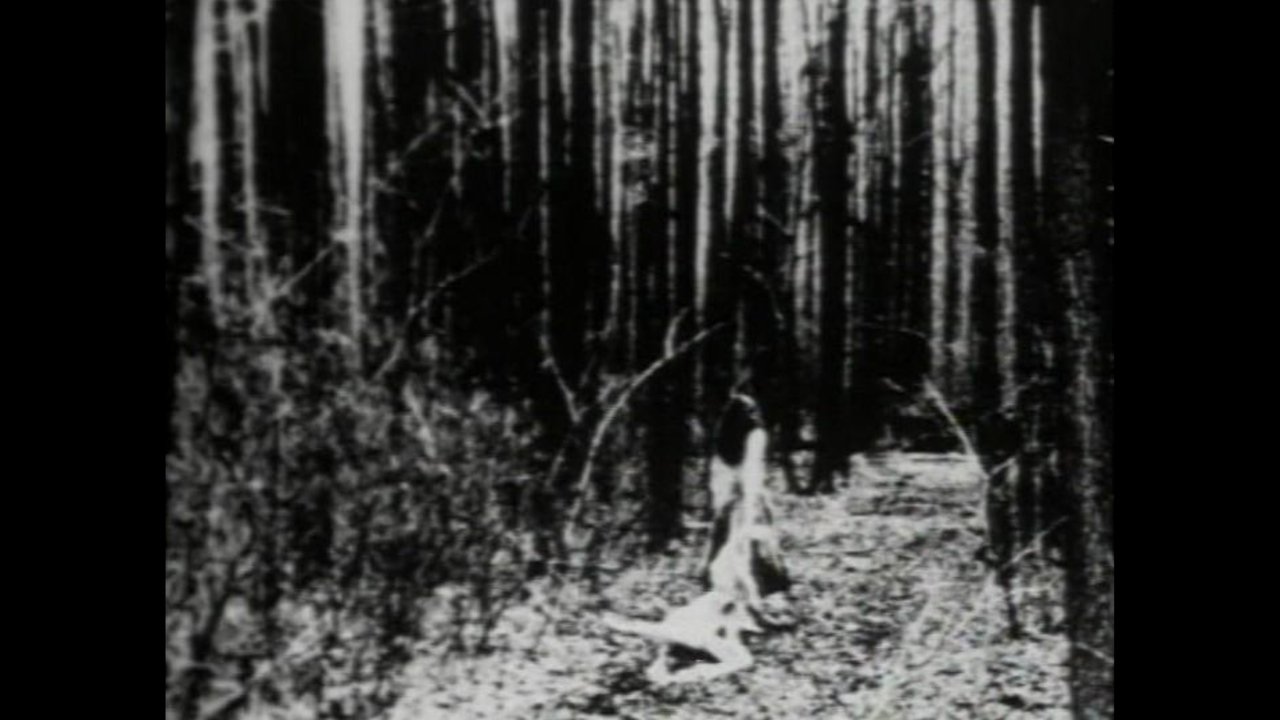
For many encountering Begotten in the VHS era, it wasn't a pristine cinematic experience. It was often discovered via nth-generation tape dubs, passed around cult film circles like a forbidden text. I distinctly remember the hushed tones surrounding its reputation – a film some couldn't finish, others hailed as visionary. The inherent decay of the VHS format – the tracking lines, the muffled sound, the generational loss of detail – paradoxically enhanced the viewing experience. It felt like you were watching something illicit, something degraded and unstable, perfectly mirroring the film's own aesthetic. It bypassed mainstream distribution almost entirely, its notoriety spreading through word-of-mouth and underground tape trading, cementing its status as a true cult object. Merhige himself has called the film a "Rorschach test," and its meaning remains elusive, debated, deeply personal to the viewer brave enough to endure it.
Endurance Test or Art?
Begotten is undeniably challenging. It’s repetitive, opaque, and visually punishing. It offers no comfort, no easy answers, only a relentless descent into a symbolic abyss. Is it 'entertaining'? By any conventional measure, absolutely not. But its power is undeniable. It achieves a unique, nightmarish atmosphere that lingers long after the VCR clicks off. It’s a testament to the uncompromising vision of its director, who would later helm the more accessible but still atmospheric Shadow of the Vampire (2000). It stands as a landmark of experimental horror, influential precisely because it refused to compromise. Did its stark, brutal imagery genuinely disturb you back then, cutting through the glossier horror offerings of the time?
Its stark contrast to the mainstream horror of the late 80s/early 90s couldn't be more pronounced. While franchises dominated the multiplexes, Begotten existed in the shadows, a raw nerve exposed. Even its reported championing by figures like Susan Sontag couldn't quite pull it into the light; it remained, and perhaps belongs, in the fringe territory it so vividly embodies.
---
Rating: 8/10
Justification: This score isn't for 'enjoyment' in the typical sense. Begotten is a difficult, often repellent film. The rating reflects its audacious artistic vision, its unforgettable and unique visual style achieved through incredible effort, its uncompromising atmosphere of dread, and its undeniable impact as a cult artifact within extreme and experimental cinema. It's a technically demanding piece of filmmaking that achieves exactly what it sets out to do, even if that goal is to disturb and confront. It loses points for its repetitive nature which can test patience, and its extreme opacity which makes it inaccessible to many, but its power and singularity are undeniable.
Final Thought: Begotten isn't just watched; it's experienced, endured. It’s a celluloid nightmare burned onto tape, a relic from the extreme edges of the VHS underground that still feels genuinely dangerous and transgressive today.