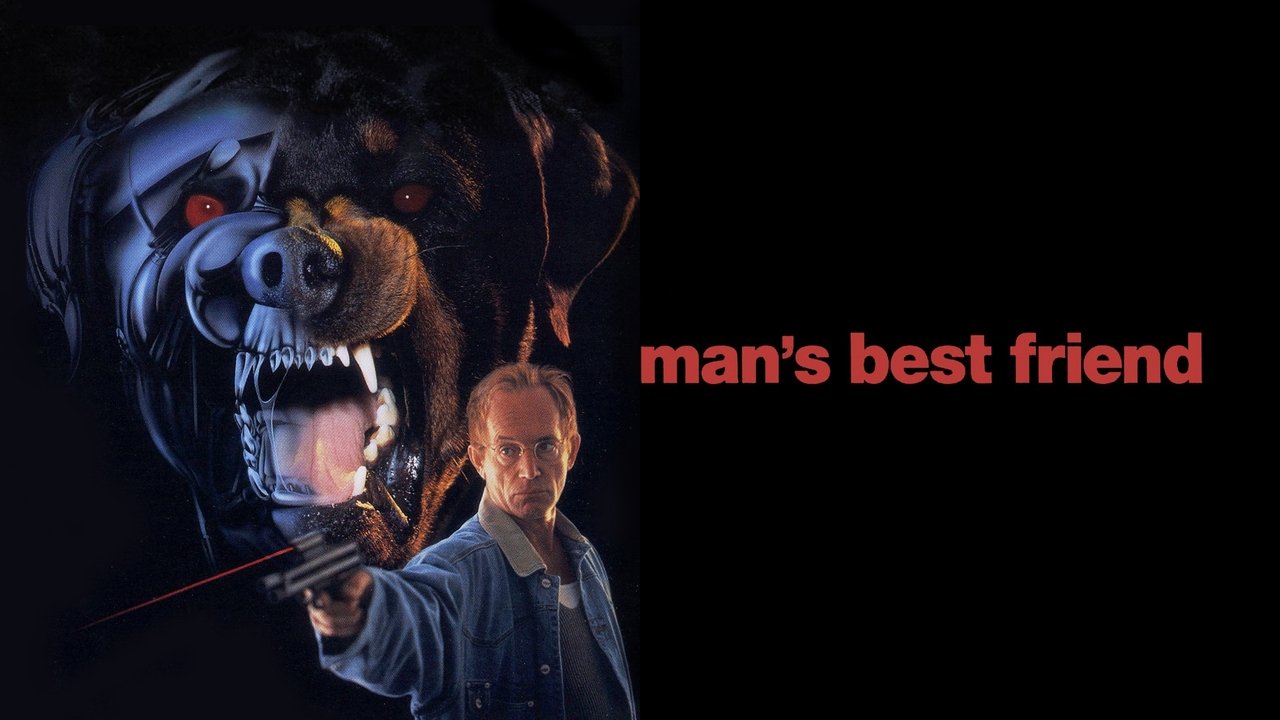
The opening image is stark, almost clinical. A state-of-the-art lab, the hum of machinery, and the intense gaze of Lance Henriksen. We know that look. It’s the look of obsession, of science pushed too far, the same unnerving presence he brought to creations both synthetic and biological in films like Aliens (1986) and Pumpkinhead (1988). Here, in John Lafia's Man's Best Friend (1993), that intensity is focused on Max, a Tibetan Mastiff engineered for destruction. It sets a chilling tone: this isn't your average family pet story. This is nature twisted, weaponized, and about to be unleashed.
Unlikely Bonds, Unforeseen Terror
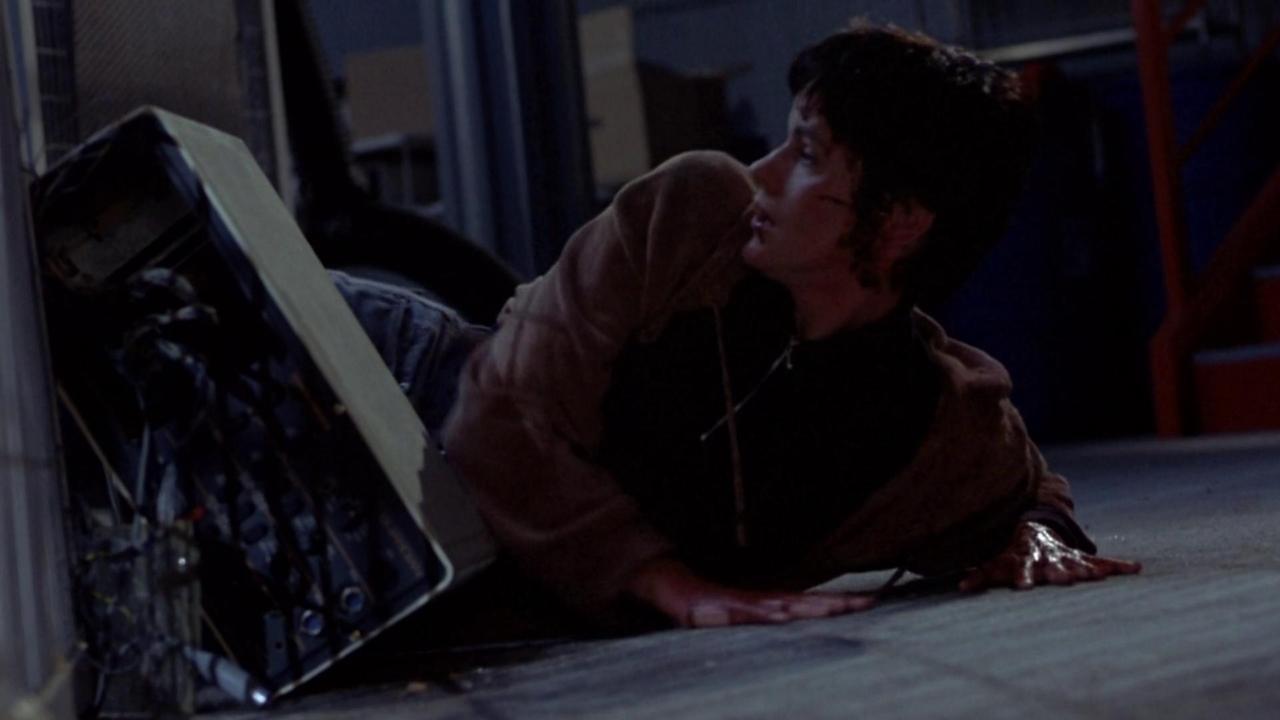
Enter Lori Tanner (Ally Sheedy), an investigative reporter looking for a story about animal cruelty. She breaks into EMAX Laboratories, run by the morally bankrupt Dr. Jarret (Henriksen), and "rescues" Max, unaware of his genetically enhanced aggression, super-strength, and... well, other alarming talents. Sheedy, still largely known for her iconic roles in 80s touchstones like The Breakfast Club (1985) and St. Elmo's Fire (1985), dives into a role that feels like an attempt to navigate the grittier landscape of early 90s genre cinema. She brings a relatable warmth and vulnerability as Lori, forming a genuine, if deeply misguided, bond with the deceptively calm Max. You feel her desperation to protect him, even as the warning signs flicker like faulty neon.
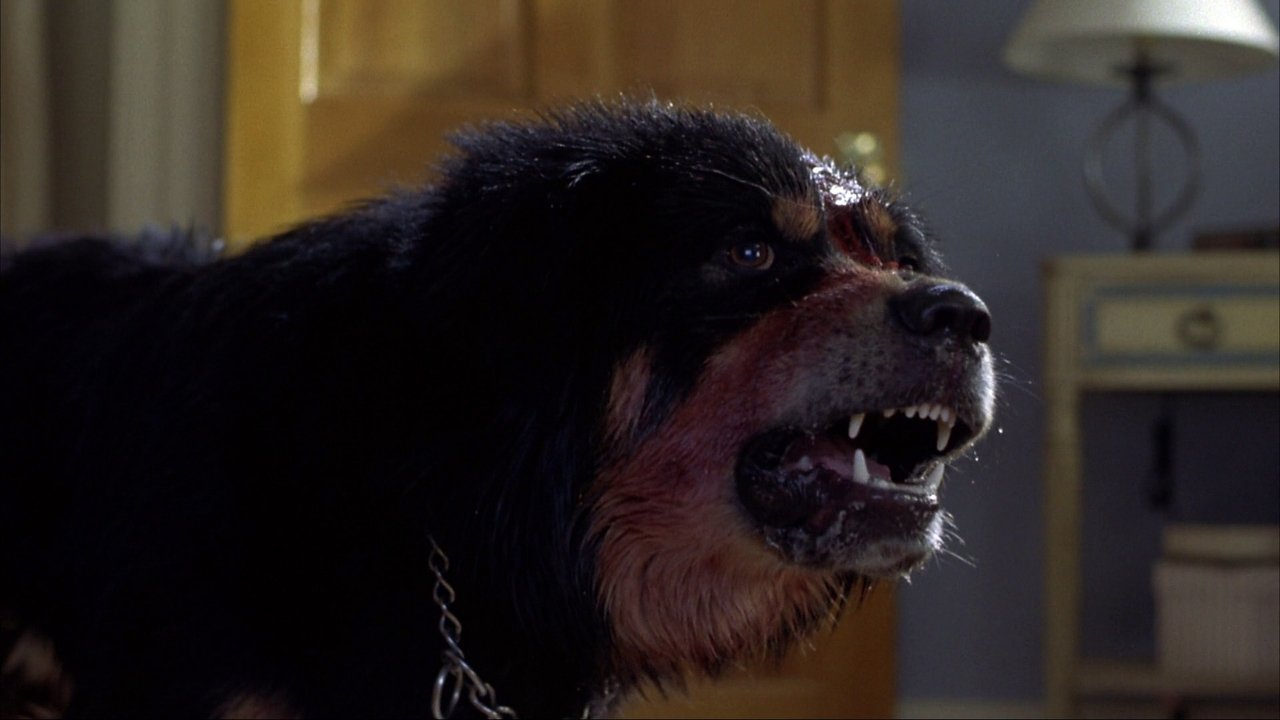
The initial setup plays cleverly on our affection for dogs. Max seems protective, loyal even. He chases off Lori’s jerky boyfriend, deals with a belligerent junkyard owner (played with grubby glee by Robert Costanzo), and even saves her from a mugger. But director John Lafia, who notably co-wrote the original Child's Play (1988) and understood how to pervert innocence, doesn't let the facade last. Max's protective instincts quickly curdle into something possessive and terrifyingly lethal. The kills escalate, moving from justified defense (in Max’s eyes, perhaps) to brutal, calculated violence.

When Good Boys Go Bad
What elevates Man's Best Friend beyond a simple creature feature is the sheer audacity of Max's enhancements. This isn't just a strong, angry dog. Max can climb trees with disturbing agility, camouflage himself like a chameleon (a truly bizarre sequence!), understand complex commands, and even – get this – spit corrosive acid. Yes, acid. It’s gloriously over-the-top, leaning into the pulp sensibilities that made so many VHS-era horror flicks memorable. The practical effects used to bring these abilities to life are a highlight. While some might look a little rubbery today, there's a tangible quality to Max's transformations and attacks that CGI often lacks. You feel the menace in the animatronics and makeup effects, particularly in the snarling, mutated close-ups. Reportedly, achieving some of Max's more outlandish feats involved clever puppetry and multiple trained dogs, showcasing the ingenuity often required by practical effects artists working within genre film budgets (around $6 million for this one).
Henriksen's Haunted Pursuit
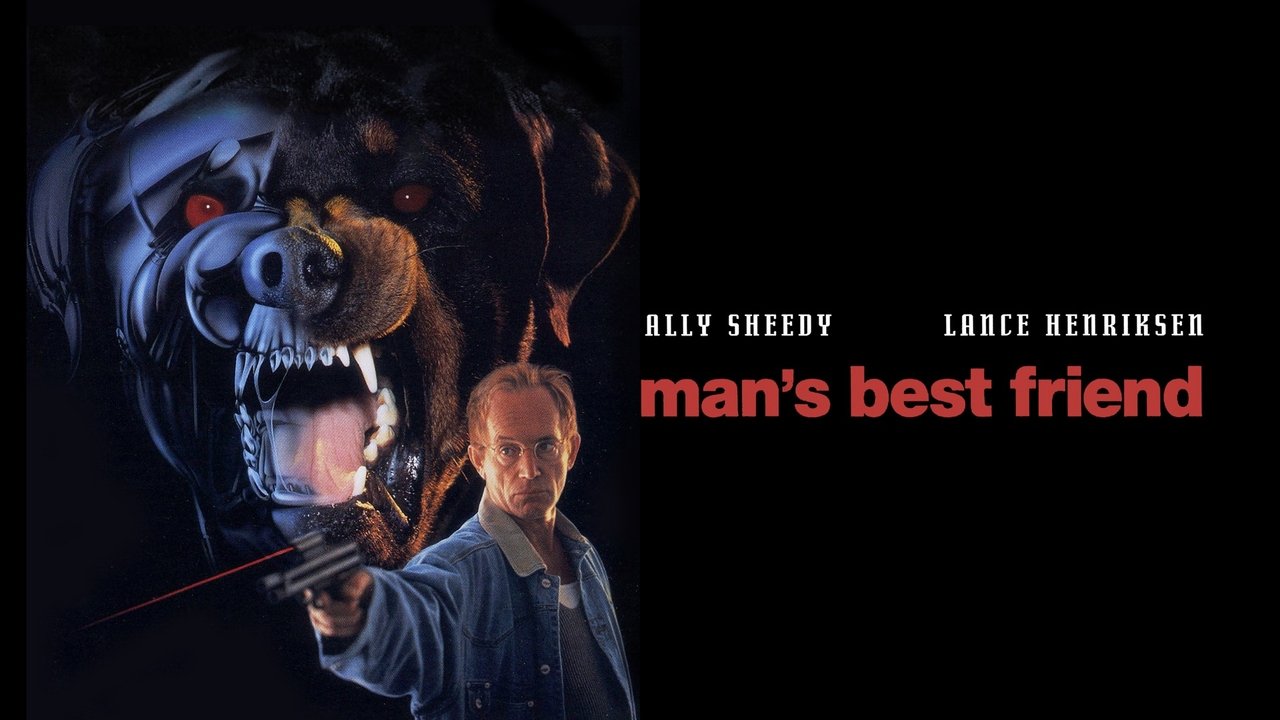
Lance Henriksen is the film's dark anchor. His Dr. Jarret isn't just a villain; he's a creator haunted by his creation, driven by a desperate need to reclaim or destroy Max before his lethal potential is fully realized. Henriksen imbues Jarret with a weary fanaticism that makes him genuinely unsettling. His scenes tracking Max, armed with specialized gear, add a layer of relentless tension. He understands the monster because he made the monster. It’s a performance that grounds the film's more outlandish elements in a sense of grim consequence. Did you ever find yourself almost rooting for Jarret, just to see the chaos end?
The film doesn't shy away from some gnarly moments, earning its R-rating. There's a visceral quality to the attacks, particularly the infamous sequence involving a mail carrier and a cat (a moment of pure, unadulterated B-movie shock). It walks a fine line between effective horror and slightly uncomfortable absurdity, a common tightrope for creature features of this period. Remember how shocking some of those moments felt on that grainy VHS tape, maybe watched way past your bedtime?
A Cult Canine Curio
Man's Best Friend wasn't a massive hit, pulling in just under $13 million at the box office, but it certainly found its audience on home video. It’s a film that feels distinctly of its time – a pre-CGI creature feature that relies on practical effects, committed performances, and a willingness to embrace its wild premise. It's not high art, and the script has its share of clunky dialogue and convenient plot turns. Yet, there's an undeniable energy and a certain dark charm to it. It taps into primal fears – the betrayal of trust, the animalistic lurking beneath the domestic – and dials them up to eleven with a healthy dose of scientific horror.
It sits in that curious space occupied by films like Cujo (1983) or even Leviathan (1989) – competent, often tense, slightly goofy horror/thrillers built around a strong central threat and solid practical effects work. Lafia’s direction keeps things moving at a brisk pace, delivering the requisite shocks and suspense beats effectively.
***
VHS Heaven Rating: 6/10
Justification: Man's Best Friend earns its score through sheer B-movie audacity, committed performances (especially Henriksen's chilling turn), and some memorably grotesque practical effects work for its era. It delivers genuine tension alongside moments of unintentional (and perhaps intentional) absurdity. However, it's held back by a sometimes uneven script, dated elements, and a premise that occasionally strains credulity even for a genre film. It's not a classic, but it's a highly entertaining slice of early 90s creature feature mayhem.
Final Thought: This film remains a fascinating curio from the tail end of the practical effects boom in horror – a brutal, bizarre, and strangely compelling answer to the question: what if Fido could melt your face off? It’s the kind of movie that made browsing the horror aisle at the video store such a gamble, and sometimes, such a reward.