There's a certain kind of controlled chaos that defines the best of Italian genre cinema from the 70s, and nowhere is it more gloriously grimy and explosive than in Enzo G. Castellari's 1978 war flick, Quel maledetto treno blindato – better known to us VHS scavengers as The Inglorious Bastards. Forget polished Hollywood heroics; this is war filtered through a lens of cynical survival, opportunistic mayhem, and sheer, unadulterated B-movie bravado. It hits you not with slickness, but with the blunt force trauma of shrapnel and desperation.
Escaping the Fire, Entering the Frying Pan
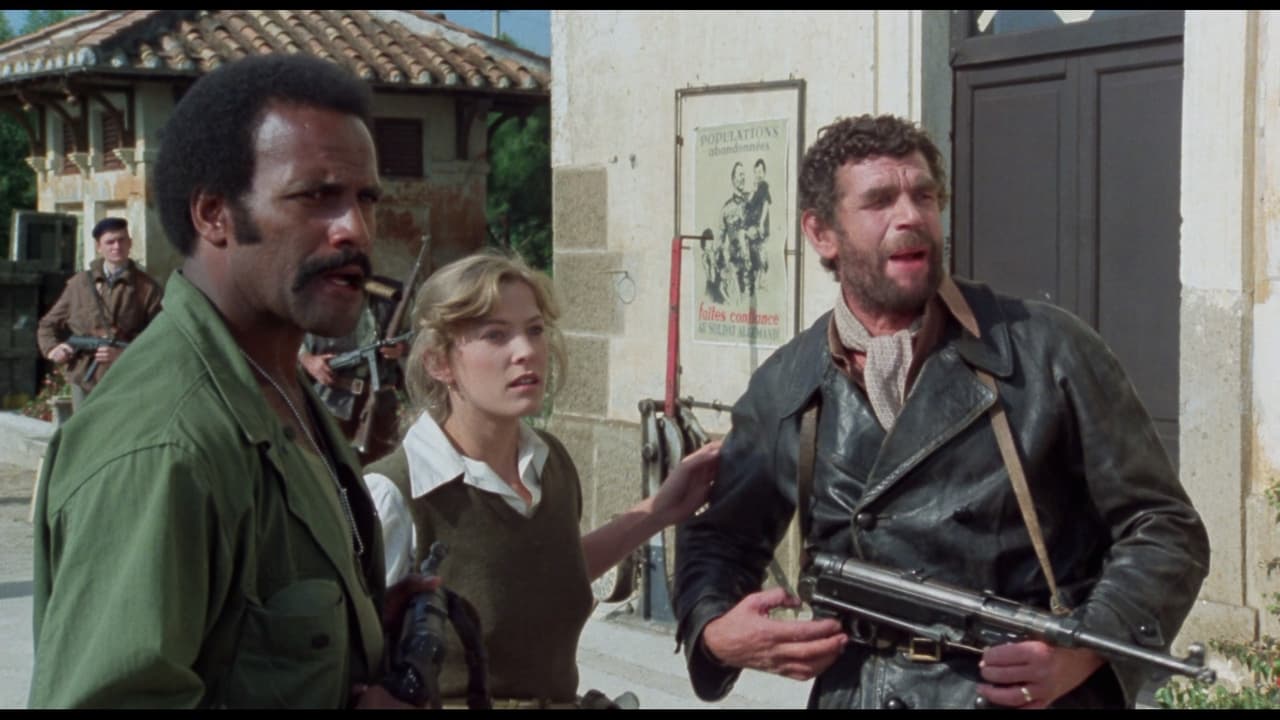
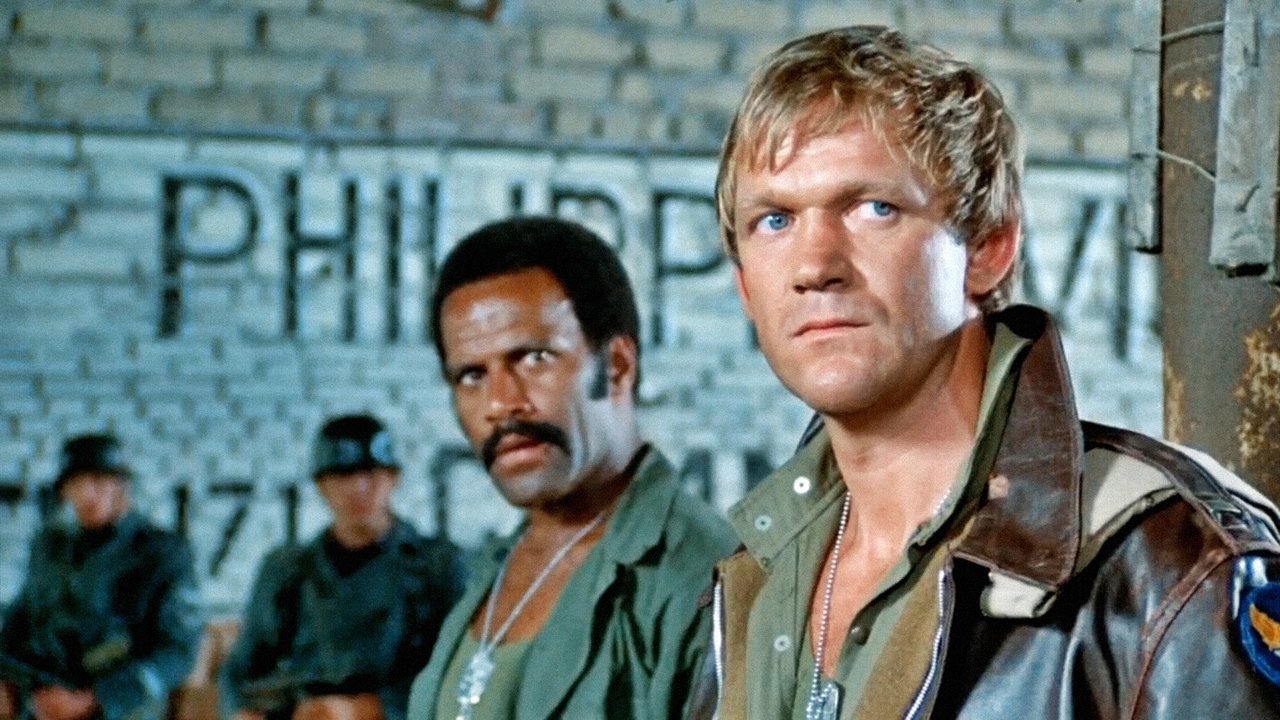
The setup is pure pulp perfection: a transport of American military prisoners – murderers, deserters, thieves – gets accidentally liberated by German artillery fire in France, 1944. Led by the pragmatic Lieutenant Yeager (Bo Svenson, carrying the weight after his Walking Tall days) and featuring the charismatic, cigar-chomping Private Canfield (Fred Williamson, bringing all the cool swagger from his Blaxploitation throne), this motley crew sees only one objective: screw the war, escape to neutral Switzerland. Their plans, however, collide head-on with the French Resistance and a mission so suicidal it might just be their only way out: hijack a heavily armored Nazi train carrying a prototype V2 rocket warhead. It’s The Dirty Dozen by way of Sergio Corbucci, less concerned with redemption and more with staying alive long enough to profit.
Macaroni Combat Mayhem
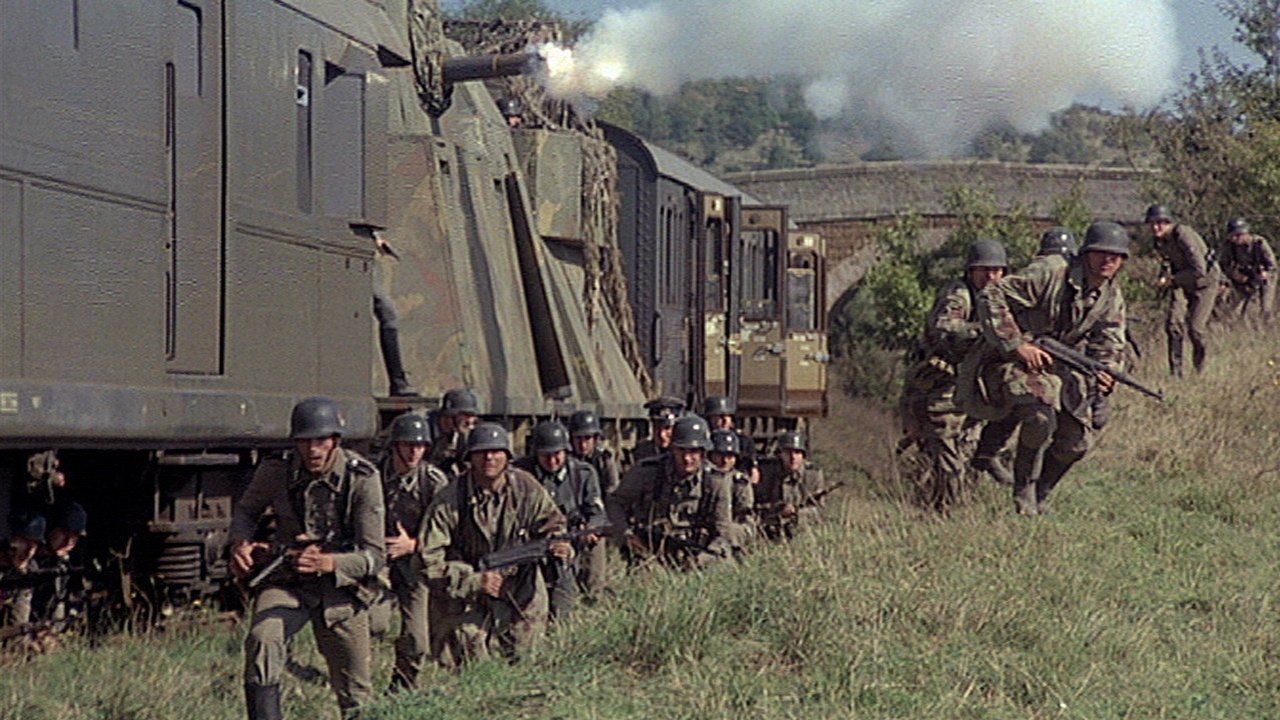
What sets The Inglorious Bastards apart is Castellari's raw, energetic direction. Known for his stylish Poliziotteschi and Westerns like the fantastic Keoma (1976), Castellari brings a kinetic sensibility to the action. Forget carefully choreographed battles; this feels visceral, dangerous. His signature use of slow-motion isn't just for dramatic effect; it often emphasizes the brutal impact of bullets and explosions, lingering on moments of sudden, shocking violence. Shot predominantly in Italy, the locations convincingly double for war-torn France, achieving a gritty authenticity that belies its presumably modest budget – a hallmark of the "Macaroni Combat" subgenre it so perfectly embodies. You can almost smell the cordite and desperation clinging to the screen.
Behind the Bastardly Scenes
The making of the film itself carries that same seat-of-the-pants energy. While Castellari might have initially hoped for bigger American TV stars to secure wider distribution, budget constraints led to the eclectic mix we got. And honestly? It works. Svenson provides a sturdy center, Peter Hooten as the resourceful Tony adds a necessary youthful dynamic, and Williamson? He just owns every scene he's in. Word is "The Hammer" performed many of his own stunts, adding another layer of rugged credibility. They weren't playing soldiers; they were playing desperate men, and that resonates. The practical effects, particularly the train sequences and explosions, have that tangible, slightly terrifying quality that CGI often lacks. There's a weight, a reality to the destruction that feels genuinely perilous, a testament to the ingenuity of Italian crews working under pressure.
A Legacy Forged in Gunpowder
Watching The Inglorious Bastards on a worn VHS tape back in the day felt like uncovering a hidden gem, something rougher and meaner than the mainstream war epics. It didn't pull punches. The characters are flawed, often selfish, and their alliances are frequently matters of convenience rather than patriotism. That cynicism felt strangely authentic. Its initial reception might have been muted outside of exploitation circuits, but time – and a very famous fan – cemented its cult status.
Of course, you can't discuss this film today without mentioning Quentin Tarantino. His deep admiration for Castellari's work led him to borrow (with full permission and blessing, mind you) the English title for his own 2009 WWII opus, Inglourious Basterds. Tarantino's film is a different beast entirely, but his championing of the original brought Castellari's gritty vision to a whole new audience. It was a fascinating case of a modern auteur shining a spotlight on one of his key influences, even giving Castellari himself a cameo role in the remake – a wonderful nod from one cinematic rebel to another. Seeing Tarantino rave about it made you feel validated for loving this rough-around-the-edges slice of warploitation all along. Doesn't that unexpected lineage just add another layer of cool to the original?
Final Verdict
The Inglorious Bastards isn't sophisticated drama, and it certainly isn't historically precise. What it is is pure, uncut Euro-cult energy. It's a lean, mean, action-packed ride fueled by charismatic anti-heroes, explosive set pieces delivered with Castellari's signature flair, and a delightfully cynical worldview. It crackles with the kind of unpredictable energy that made late-night video store discoveries so thrilling. Some moments might feel dated now, the dialogue occasionally clunky, but the core appeal – the relentless pace and the sheer audacity of it all – remains potent.
Rating: 7.5/10
Justification: While hampered slightly by its budget and some typical exploitation tropes, the film delivers outstanding action sequences, memorable characters (especially Williamson), and possesses a raw energy often missing from more polished productions. Its influence and enduring cult status, significantly boosted by the Tarantino connection, elevate it beyond mere B-movie fare. It's a must-see for fans of gritty 70s action and Italian genre cinema.
It stands as a prime example of how resourcefulness, bold direction, and a cast perfectly suited to the material can create something far more memorable and enduring than its humble origins might suggest. A true "bastard" classic of the VHS era.