Alright, pop that tape in the VCR, maybe nudge the tracking just a bit, and settle in. We’re diving back into the glorious noise of late-80s aerial action with 1988’s Iron Eagle II. Forget subtlety, forget nuance – this is the era where teaming up American and Soviet pilots felt like the most radical, explosion-filled diplomacy imaginable, and it landed right there on the shelves of Blockbuster, begging to be rented.
### Thawing the Cold War, One Missile at a Time
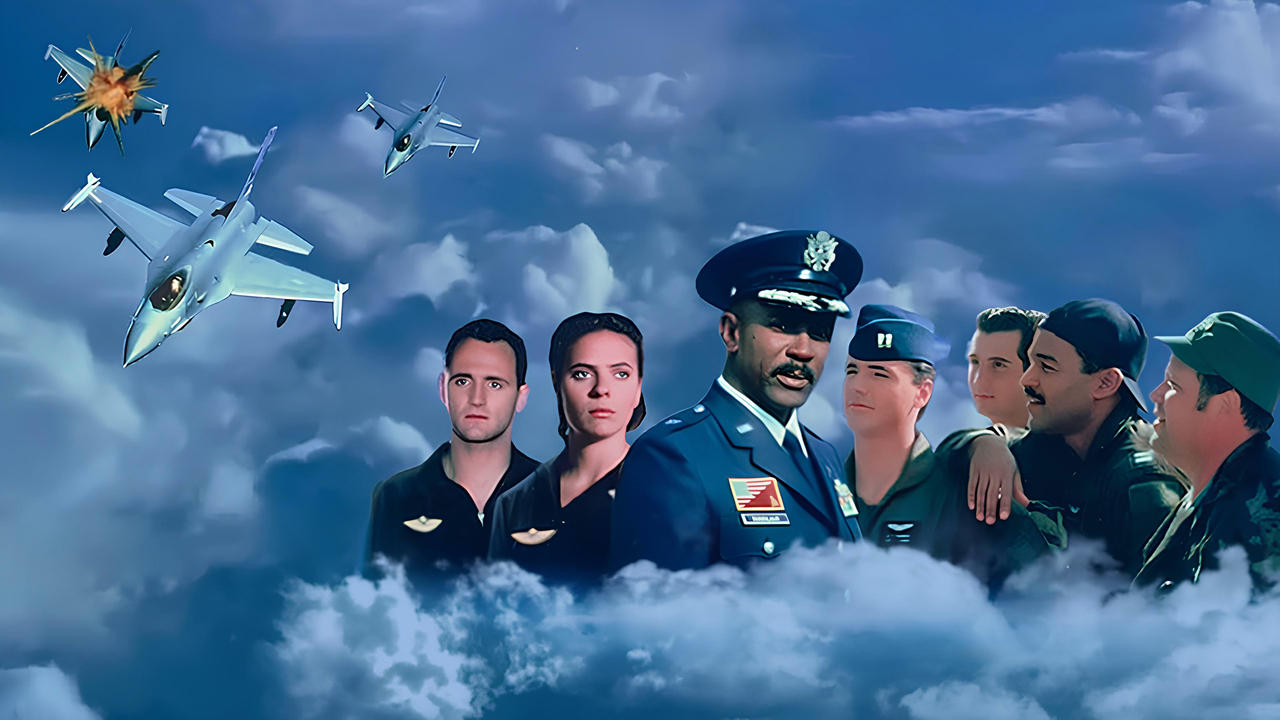
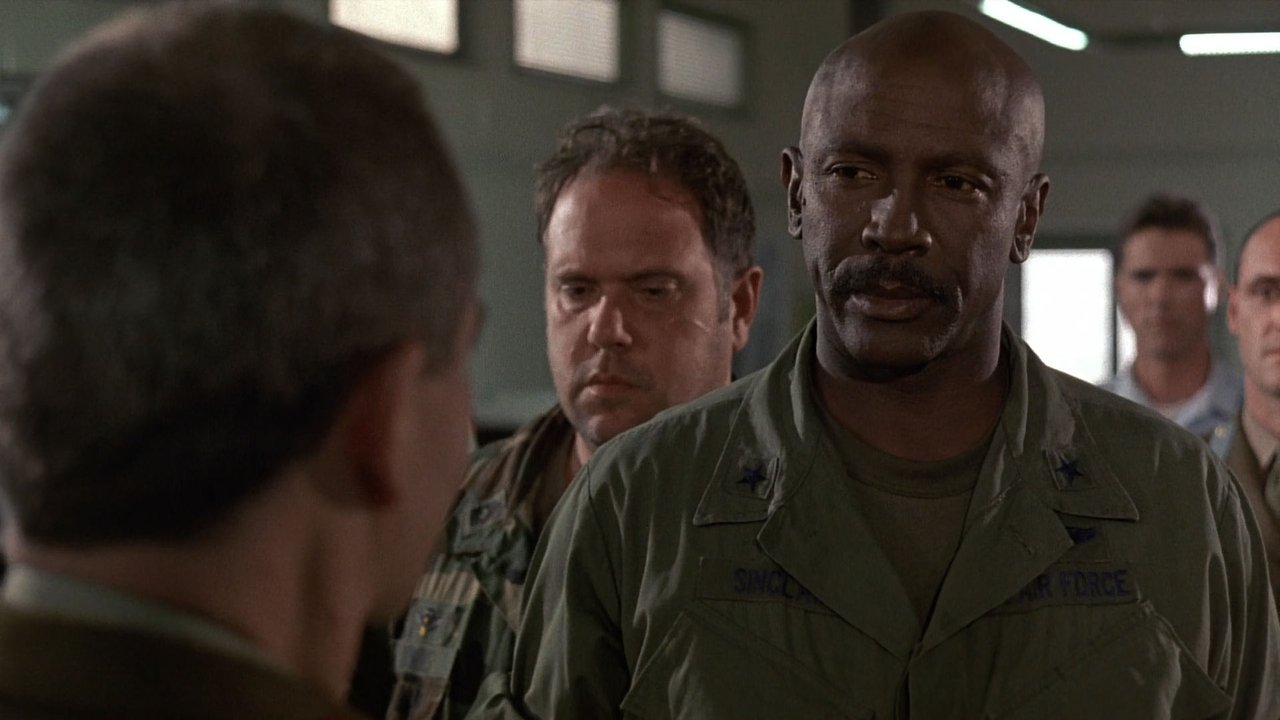
Picking up after the unexpected success of the original Iron Eagle (1986), this sequel takes a bold, if slightly bonkers, left turn. Gone is Doug Masters (Jason Gedrick, whose absence is definitely felt). Instead, the ever-reliable Brigadier General Charles "Chappy" Sinclair, played once again with commanding presence by the Oscar-winning Louis Gossett Jr., is tasked with an almost unthinkable mission: lead a joint U.S./Soviet strike force against a rogue Middle Eastern nation armed with nuclear weapons. Yes, you read that right. Eagles and MiGs flying side-by-side, brought together by the sheer charisma of Chappy and a script co-written and directed by veteran filmmaker Sidney J. Furie (The Ipcress File, Lady Sings the Blues). Furie, taking over directing duties from the first film, certainly understood how to frame action, even if the plot holding it together feels stretched thinner than a Cold War détente agreement.
The premise itself is pure late-80s gold, reflecting that weird period where tensions were easing but Hollywood still needed clear bad guys and spectacular firepower. The Soviets here aren't the faceless villains of years past; they're rivals, sure, prone to macho posturing and mistrust, but ultimately allies under Chappy's tough-love guidance. Mark Humphrey steps in as Captain Matt Cooper, the requisite hotshot American pilot, while Stuart Margolin adds some grizzled charm as General Stillmore. The dynamic between the American and Soviet pilots provides most of the non-aerial drama, full of predictable mistrust melting into grudging respect, punctuated by lines that probably sounded cool rattling around a dimly lit cockpit set.
### Real Jets, Real Explosions, Real 80s Grit
Let's be honest, we didn't rent Iron Eagle II for its intricate geopolitical commentary. We rented it for the jets! And this is where the film, viewed through that warm VHS haze, still delivers some genuine thrills. Forget sleek CGI; this is the era of practical effects, and it shows. The aerial combat sequences feel tangible, weighty. Retro Fun Fact: To get those thrilling dogfights, the production headed to Israel, utilizing Israeli Air Force planes. Those "F-16s" and "MiG-29s"? They were often cleverly disguised Israeli F-4 Phantoms and Kfir fighters soaring over the Negev desert. Knowing they used real aircraft, flown by skilled pilots (often Israeli Air Force personnel), adds a layer of respect for the sheer logistical effort involved.
Remember how real those missile trails and fiery explosions looked back then? There's a certain visceral quality to seeing actual planes maneuvering, actual pyrotechnics detonating. It might not be as smooth or hyper-realistic as modern digital effects, but there’s an undeniable punch to it. You feel the vibrations through the screen, almost smell the jet fuel. The film reportedly had a budget of around $18 million – not insignificant for the time – and you can see a good chunk of it went into staging these complex aerial ballets and blowing things up convincingly. Sure, some of the model work might look a little… model-like today, but the commitment to capturing real aircraft in motion is commendable.
### Chappy Carries the Weight
While the action aims high, the story sometimes struggles to maintain altitude. The dialogue can be clunky, the character development thin outside of Chappy, and the plot mechanics occasionally veer into the absurd. It definitely lacks the surprisingly effective emotional core of the first film – the whole 'kid rescuing his dad' angle that resonated despite its own implausibility.
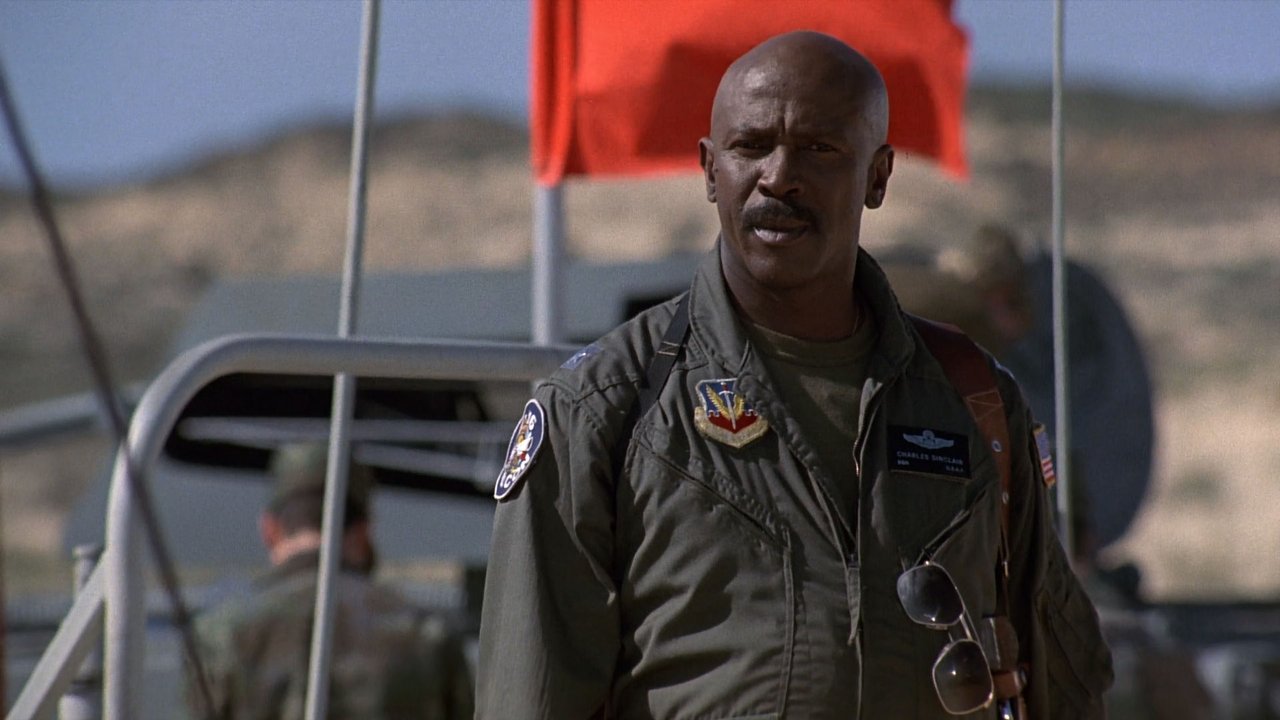
Yet, through it all, Louis Gossett Jr. remains the undeniable anchor. He brings gravitas and genuine warmth to Chappy, making the improbable premise slightly more believable. He’s the seasoned veteran you’d absolutely follow into a ridiculously dangerous, politically fraught mission. His presence elevates the material considerably. Without him, Iron Eagle II would likely be a much tougher watch today. The supporting cast does their best, but it's Chappy's movie, plain and simple.
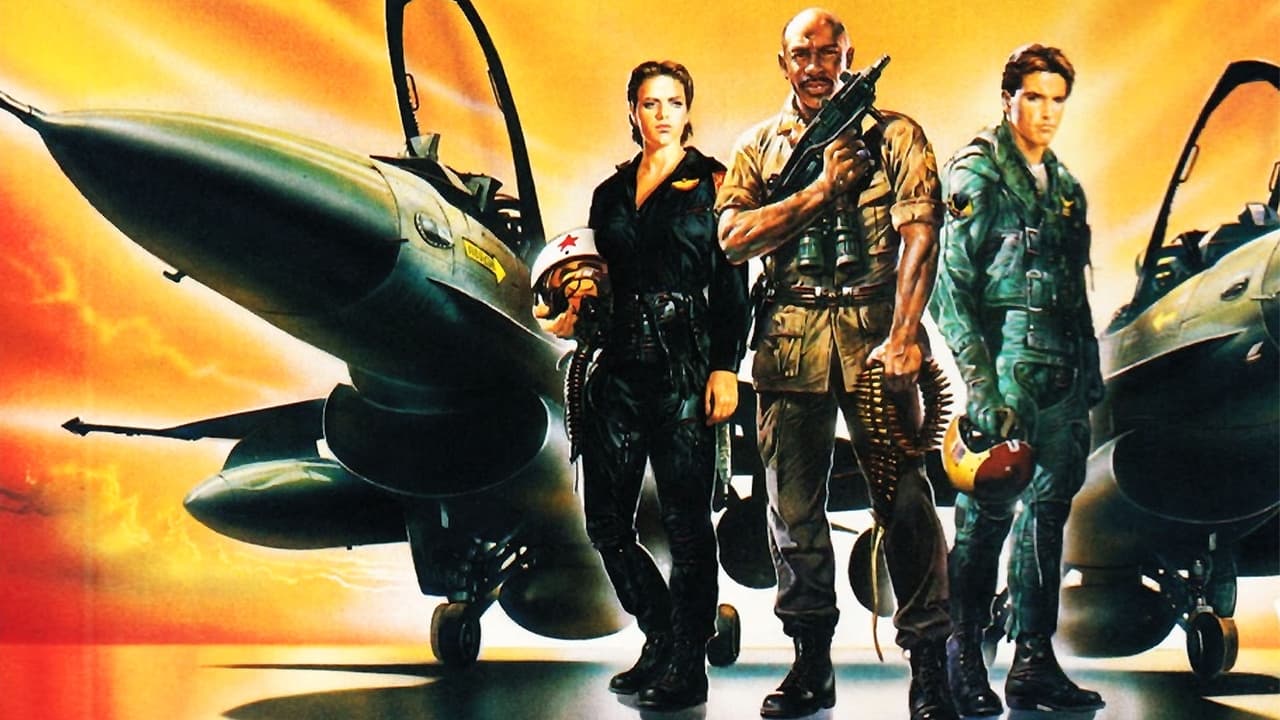
The film wasn't exactly a critical darling upon release, and its US box office take of just over $10 million didn't recoup its budget stateside. But like so many action flicks of the era, it found a comfortable second life on VHS and cable, becoming a familiar presence for anyone channel surfing or browsing the rental store aisles on a Friday night. I distinctly remember seeing that cover art – the jets screaming across a fiery sky – and knowing exactly what kind of uncomplicated, high-octane entertainment I was in for.
### The Verdict
Iron Eagle II is undeniably a product of its time – a slightly clunky, occasionally goofy, but ultimately entertaining slice of late-80s action filmmaking. It leans heavily on its star and its commitment to practical aerial spectacle. The US/Soviet team-up angle is a fascinating time capsule, and the dogfights, captured with real jets against real desert skies, still pack a certain kind of retro punch that CGI often struggles to replicate.
Rating: 5.5 / 10
Justification: While Louis Gossett Jr. delivers another solid performance as Chappy and the practical aerial combat offers genuine nostalgic thrills, the film suffers from a weaker script, less compelling characters than the original, and some undeniable 80s action cheese. It's fun for what it is, especially the practical effects work, but falls short of being a true classic of the genre.
Final Take: A step down from the original's surprising heart, but if you crave the specific thrill of watching real (disguised) jets blow things up in sun-drenched skies, fueled by 80s synth and improbable alliances, Iron Eagle II still offers a decent payload of VHS-era firepower. Just don't expect Maverick.