## That Golden Hour Glow: Reflecting on Tequila Sunrise (1988)

There’s a specific kind of light you only get just before the sun dips below the horizon – that "magic hour" glow. It makes everything look beautiful, softened, maybe even a little unreal. It’s the perfect visual metaphor for Robert Towne’s Tequila Sunrise, a film bathed in the luxurious, hazy light of Southern California sunsets, where the lines between friend and foe, love and manipulation, legality and crime blur into something captivating, if occasionally frustratingly opaque. Watching it again now, decades after pulling that distinctive VHS tape off the rental shelf, that visual splendor remains potent, perhaps even more so as a time capsule of a specific brand of late-80s cinematic gloss.
Style Over Substance, But What Style!
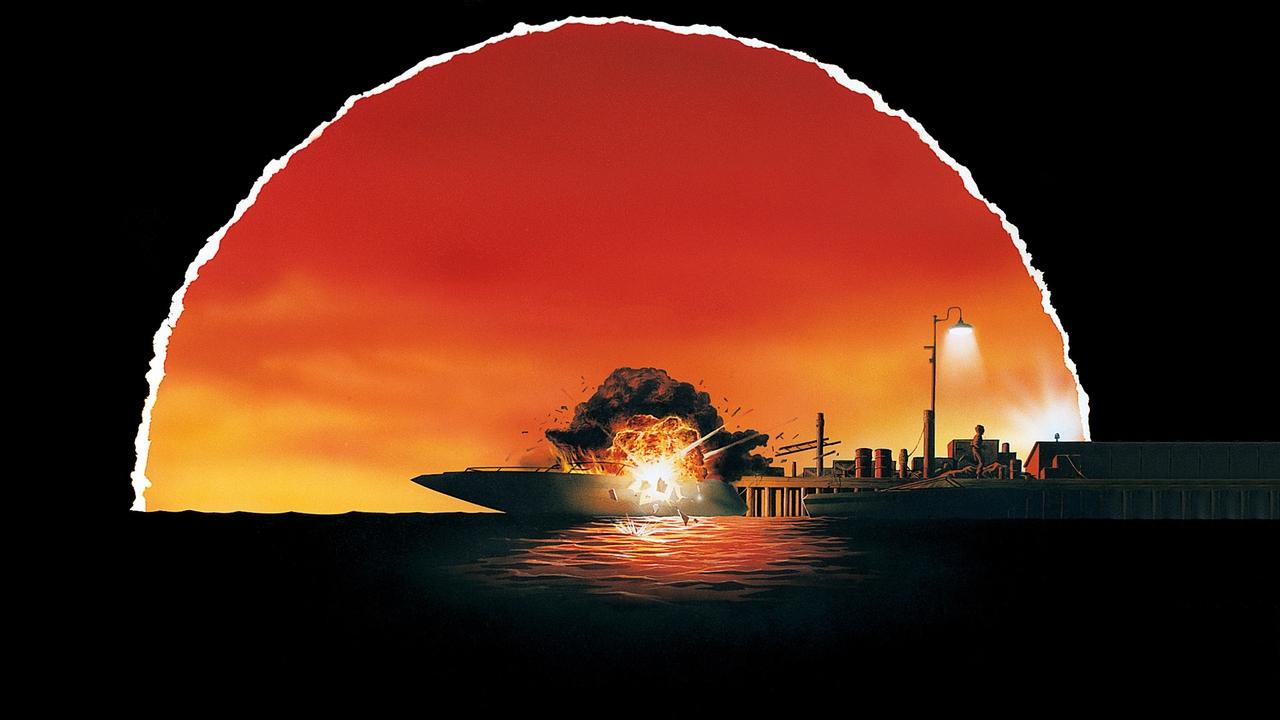
Let's be honest, the first thing that hits you, then and now, is how gorgeous this film looks. Cinematographer Conrad L. Hall (a legend who gave us the visuals for everything from Butch Cassidy and the Sundance Kid (1969) to American Beauty (1999)) earned an Oscar nomination for his work here, and it’s easy to see why. Every frame seems meticulously composed, drenched in warm ambers, deep blues, and silhouettes against fiery skies. Hall reportedly timed scenes with obsessive precision to capture that fleeting twilight, lending the film an almost dreamlike quality. This visual richness, filmed on location in the upscale beach communities of Southern California like Manhattan Beach, creates an atmosphere thick with wealth, secrets, and a kind of sun-drenched melancholy. It feels expensive, which fits perfectly with the world it portrays – a world of sleek restaurants, beachfront properties, and high-stakes deals conducted with unnerving calm.
A Triangle Forged in Charisma
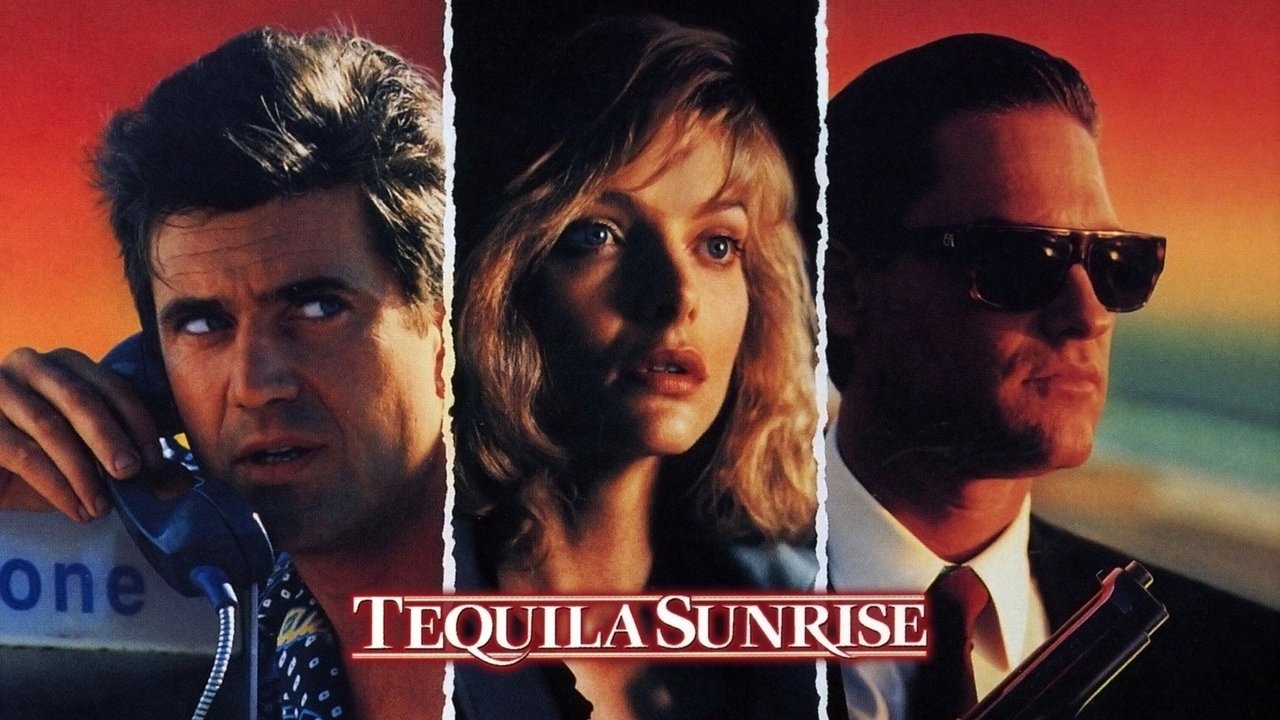
At the heart of this beautiful haze is a tangled relationship between three magnetic leads. Mel Gibson, arguably at the peak of his golden-boy charm, plays Dale "Mac" McKussic, a supposedly retired drug trafficker trying to navigate the tricky waters of going straight while still feeling the pull of his past connections, including his Mexican counterpart, the imposing Comandante Escalante, played with effortless suave by the great Raul Julia (just a few years before his unforgettable Gomez Addams). Opposite Gibson is Kurt Russell as Nick Frescia, Mac's high school buddy who's now a driven, sharp-suited narcotics detective tasked with bringing him down. Russell radiates a nervous energy and intensity that contrasts nicely with Gibson’s more laid-back (though equally conflicted) presence. Robert Towne, who both wrote and directed, actually penned the script with Gibson and Russell in mind, hoping to leverage the screen chemistry they’d shown previously, albeit in the troubled production of Swing Shift (1984).
Caught between them is Michelle Pfeiffer as Jo Ann Vallenari, the sophisticated and self-possessed owner of a high-end restaurant where loyalties are tested and romances simmer. Pfeiffer, riding a wave of acclaim from films like Married to the Mob (1988) and Dangerous Liaisons (1988), brings a necessary poise and intelligence to a role that could easily have been just "the girl." She embodies the film's elegance, but also its central dilemma – who can you trust when everyone seems to be playing an angle? The chemistry between the three leads is undeniable, a crackling mix of old affection, simmering resentment, and undeniable attraction that fuels the film's central tension.

Navigating Towne's Maze
If the film excels in mood and star power, it occasionally stumbles in its narrative clarity. Robert Towne, famed for the intricate, near-perfect plotting of Chinatown (1974), crafts a story here that feels… dense. The plot involving Mac, Nick, Jo Ann, Escalante, and a potential huge drug shipment twists and turns, layering deceptions upon misunderstandings upon hidden motives. Characters often speak in elliptical phrases, their true intentions veiled. While this contributes to the noir-ish atmosphere of suspicion, it sometimes leaves the viewer adrift, trying to piece together exactly who is doing what to whom, and why. This complexity was noted by critics even upon its release in 1988, but perhaps now, free from the pressure of immediate comprehension, we can appreciate it more as part of the film’s overall texture – a reflection of the morally murky world these characters inhabit. It asks us to pay attention, to read between the lines, much like Nick Frescia himself has to.
Adding to the specific late-80s vibe is the smooth, synth-tinged score by Dave Grusin. It’s unmistakably of its time, sometimes bordering on elevator jazz, but it complements the visuals effectively, underscoring the romance and the underlying tension. The film reportedly cost around $23 million – a respectable sum back then – but its star power and stylish execution paid off, pulling in over $100 million worldwide, proving audiences were drawn to its blend of glamour, intrigue, and A-list talent.
Lingering Shadows
So, what lingers after the VCR static fades (metaphorically speaking, of course)? Tequila Sunrise isn't a perfect thriller. Its plot can feel overly complicated, demanding more patience than payoff at times. Yet, there's an undeniable allure to it. It's a film built on mood, star charisma, and breathtaking visuals. Watching Gibson, Russell, and Pfeiffer spar and spark off each other remains a pleasure. The film captures that specific late-80s blend of surface cool and underlying anxiety. Does Mac truly want out? Is Nick's pursuit purely professional? Can Jo Ann navigate this dangerous game unscathed? The film doesn't always provide easy answers, preferring to leave some motivations shrouded in the same beautiful haze that permeates its visuals. It makes you think about loyalty, the compromises we make, and whether old friendships can ever truly survive fundamental shifts in life and law.
---
Rating: 7/10
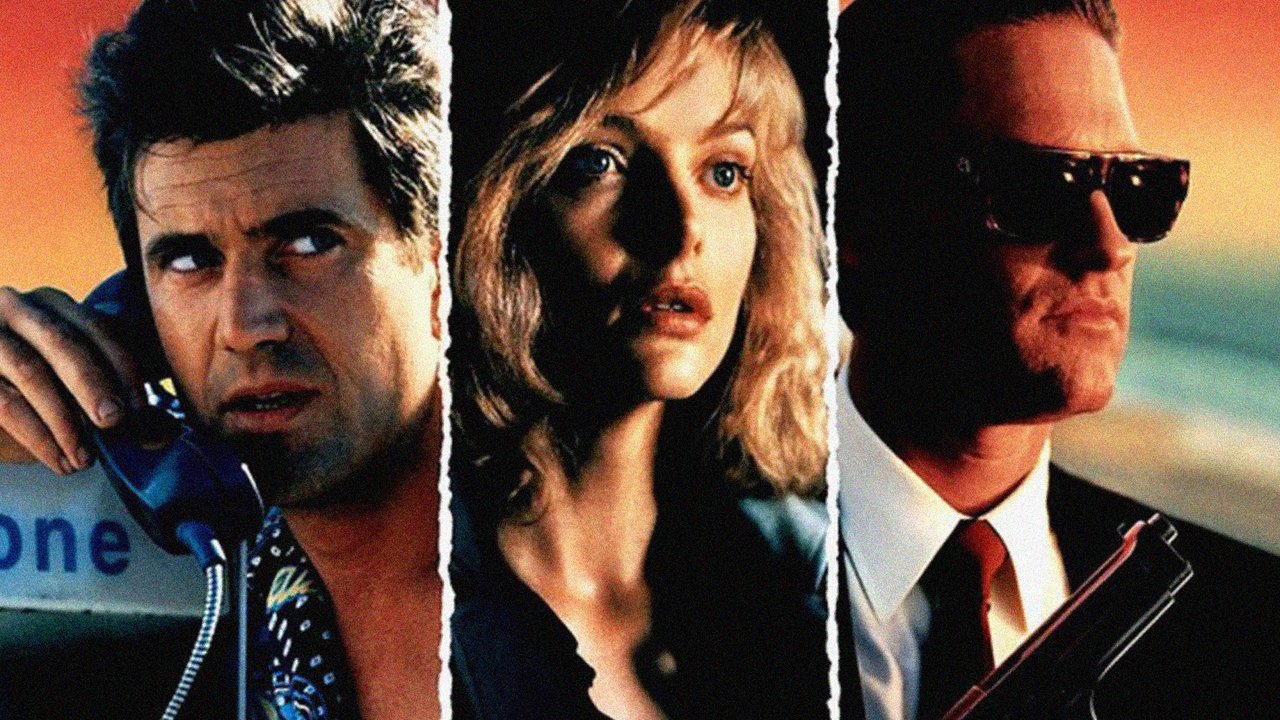
Justification: Tequila Sunrise earns its points primarily through its stunning cinematography, potent atmosphere, and the sheer star power of its perfectly cast leads. The chemistry between Gibson, Russell, and Pfeiffer is captivating. However, it loses points for a convoluted plot that can sometimes sacrifice clarity for complexity, leaving the narrative feeling occasionally murky despite its visual beauty. It's a film where the style and mood perhaps outweigh the substance of the story, but that style is so impeccably executed, and the performances so engaging, that it remains a fascinating and rewatchable slice of late-80s Hollywood glamour and intrigue.
Final Thought: Like that fleeting magic hour light it captures so well, Tequila Sunrise is beautiful, atmospheric, and ultimately leaves you pondering the shadows long after the sun has set.