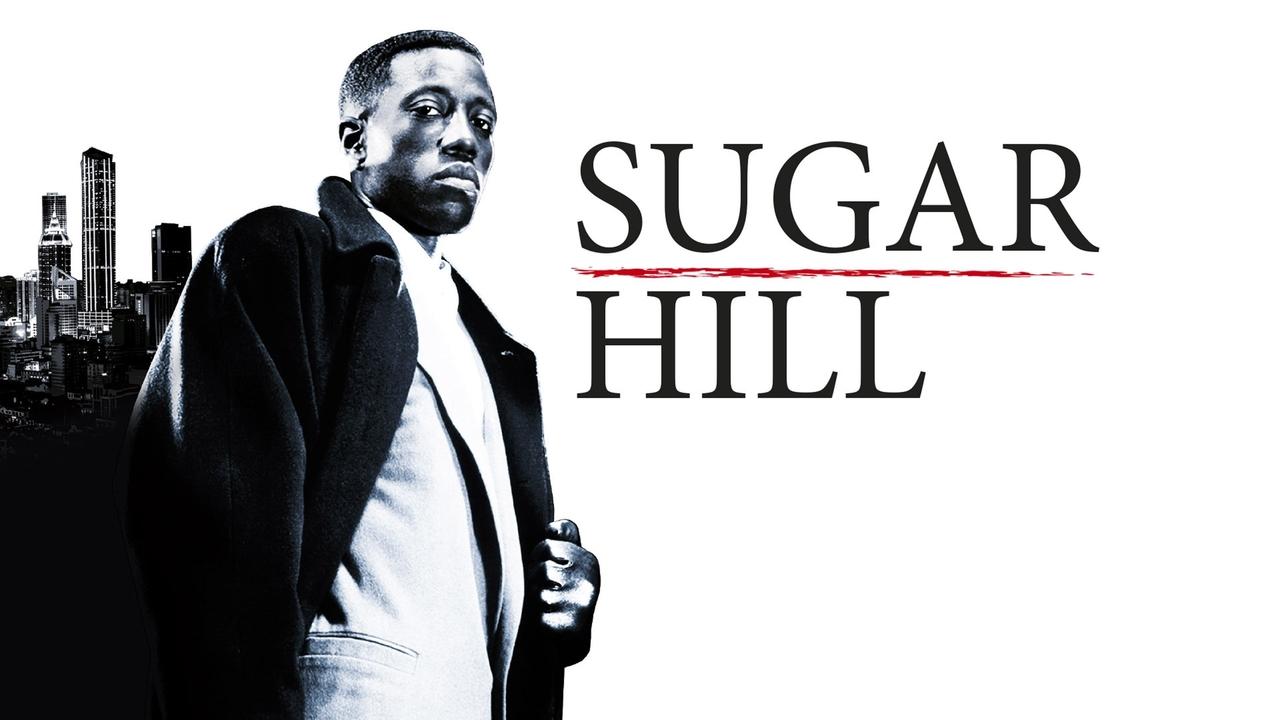
The name itself, Sugar Hill, hangs heavy in the air, a promise as sweet and deceptive as the life it depicts. Forget the vibrant history the name evokes; in Leon Ichaso's 1994 film, it's a place steeped in shadow, soaked in perpetual rain, where dreams curdle into nightmares. This isn't the flashy rise-and-fall narrative we often got in the 90s crime genre; this is a slow, suffocating descent, a tragedy played out under bruised twilight skies that felt particularly potent flickering on a CRT screen late at night.
Harlem Nocturne
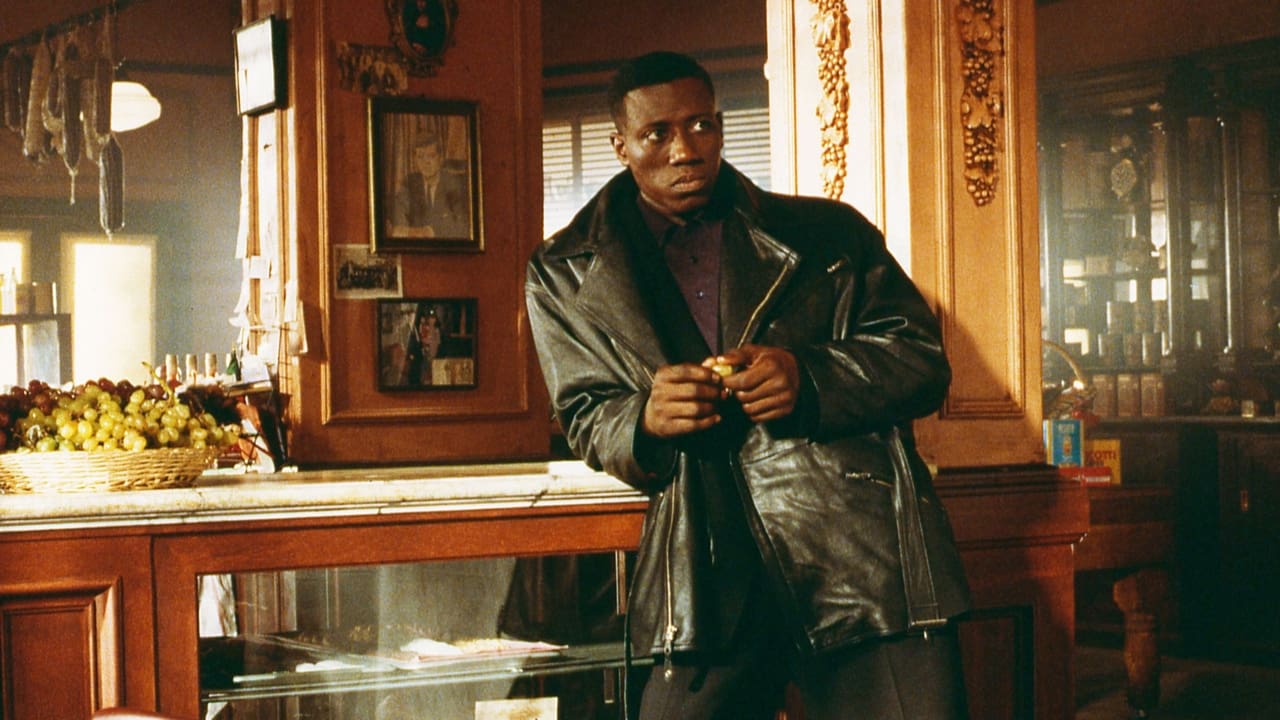
From the opening frames, Ichaso, working from a script by Barry Michael Cooper (who penned the explosive New Jack City just three years prior), crafts an atmosphere thick with impending doom. This Harlem isn't just a location; it's a character, a beautifully decaying cage rendered in blues and greys by cinematographer Bojan Bazelli. Every dripping fire escape, every neon sign reflected in wet pavement, whispers of entrapment. Cooper reportedly drew inspiration from the classic gangster films of the 30s and 40s, and you feel that fatalistic noir sensibility woven into the fabric of Sugar Hill. It’s less about the mechanics of the drug trade and more about the crushing weight of legacy and the impossibility of escape. I distinctly remember renting this tape, expecting perhaps another high-octane thriller, and instead being pulled into something far more somber and unsettling.
Blood is Thicker, and Stickier
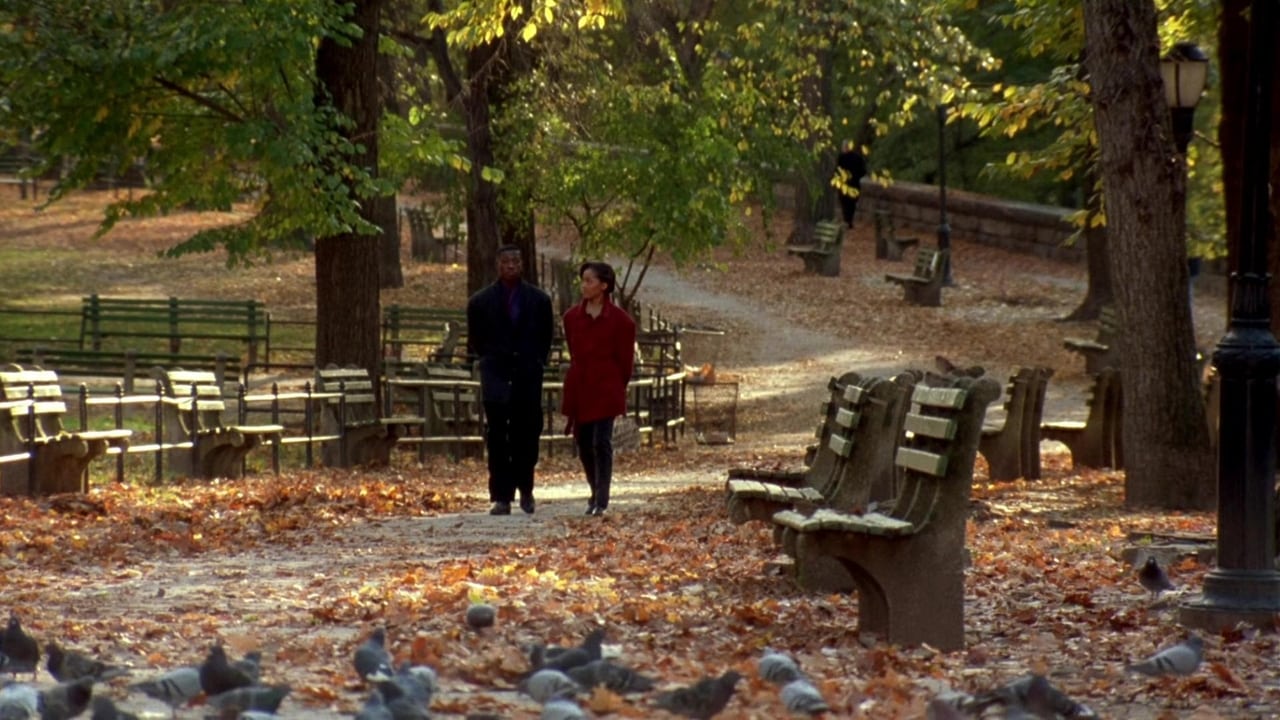
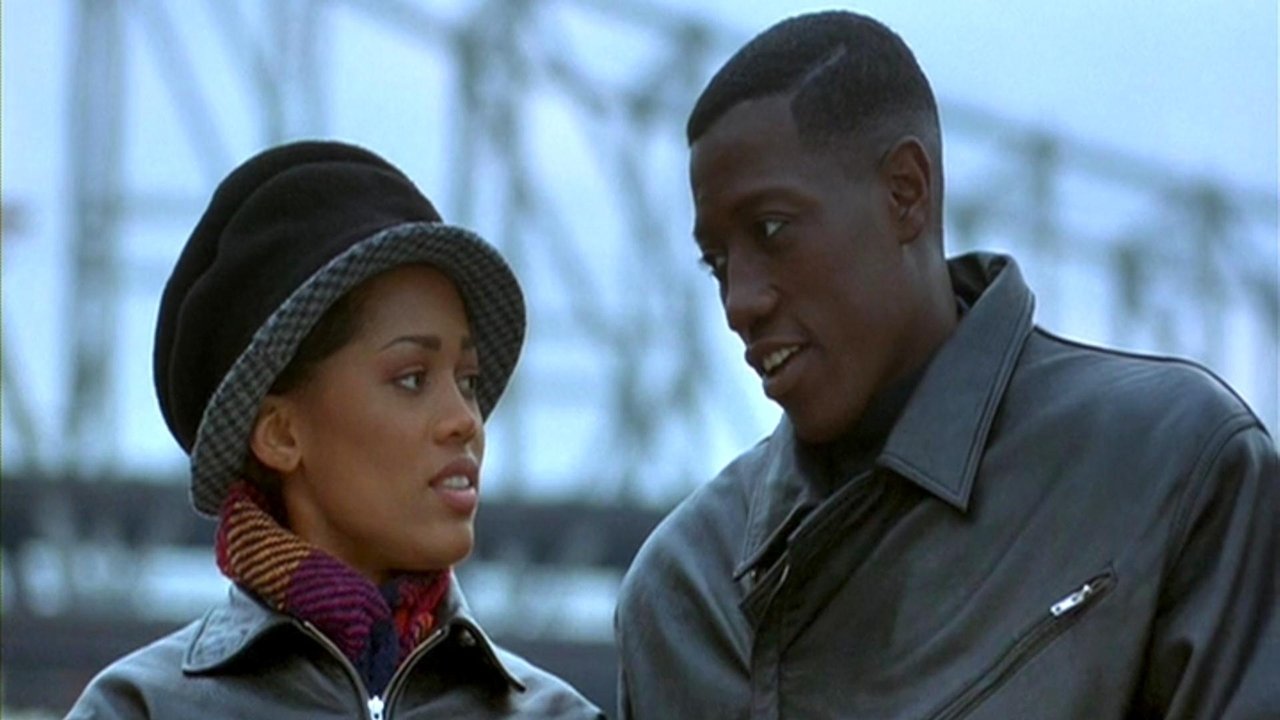
At the heart of this gloom are the Skuggs brothers: Roemello (Wesley Snipes) and Raynathan (Michael Wright). Roemello is the cool strategist, the elder brother burdened by a conscience he can’t quite extinguish, especially after meeting the soulful Melissa (Theresa Randle). He sees a way out, a path towards a legitimate life glimpsed just beyond the rain-streaked windows. Snipes, fresh off action hits like Passenger 57 (1992), dials back his usual charismatic intensity here, delivering a performance heavy with weariness and internal conflict. He’s the anchor, the reluctant prince wanting to abdicate a throne built on misery.
But if Roemello is the film's conflicted soul, Raynathan is its raging, wounded heart. Michael Wright delivers a performance for the ages – volatile, charismatic, terrifying, and ultimately tragic. Raynathan is addicted to the life, defined by the violence, unable to conceive of an existence beyond the borders of Sugar Hill. His loyalty to Roemello is fierce but warped, possessive. Wright’s portrayal is so electrifying, so raw, it often threatens to consume the film entirely. It’s a performance that burns itself into your memory, the kind that fuels hushed conversations among film fans even decades later. Doesn't that raw nerve he hits still feel unnerving? Reportedly, Wright immersed himself deeply in the role, contributing significantly to the character's tragic arc and intense unpredictability.
A Symphony of Shadows
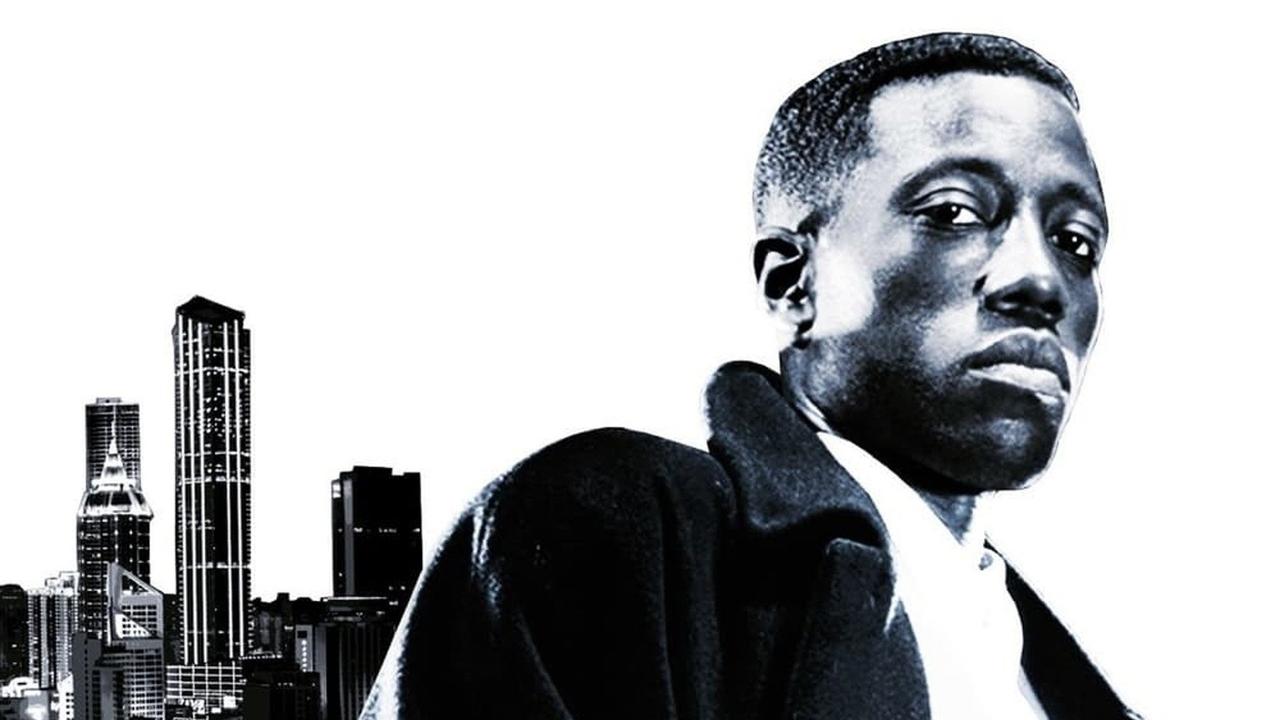
The film's power lies significantly in its mood. Ichaso orchestrates a visual lament, using slow pacing and lingering shots to emphasize the characters' confinement. Complementing the visuals is Terence Blanchard's score – a mournful jazz composition that drifts through the narrative like smoke, underlining the melancholy and sense of inevitable loss. It’s a far cry from the pulsating soundtracks often associated with 90s urban films; here, the music aches alongside the characters. The production design, too, leans into the decay – the family brownstone isn’t a palace but a mausoleum haunted by the ghost of their addicted, jazz-musician father (a haunting Clarence Williams III). It’s said Barry Michael Cooper originally envisioned an even bleaker ending, which speaks volumes about the intended tone – a deep dive into the corrosive nature of this world.
More Than Just Another Gangster Flick?
Released in the wake of films like Boyz n the Hood (1991) and Cooper's own New Jack City (1991), Sugar Hill perhaps suffered commercially from its more deliberate pacing and relentlessly downbeat tone. While New Jack City crackled with energy and operatic violence, Sugar Hill is contemplative, almost funereal. Its modest $10 million budget yielded around $19 million at the box office – respectable, but not the breakout hit some might have anticipated given the talent involved. Critics at the time were divided; some lauded its style and performances, particularly Wright's, while others found it overly bleak or derivative of classic noir tropes. Watching it now, especially if you first encountered it on VHS where the grain seemed to enhance the grit, it feels less like a genre cash-in and more like a conscious attempt to elevate the material, aiming for something closer to Greek tragedy set against the backdrop of 90s Harlem.
***
VHS Heaven Rating: 7/10
Sugar Hill earns its 7 for its potent atmosphere, Ichaso’s stylish direction, Blanchard’s haunting score, and, above all, Michael Wright’s unforgettable, powerhouse performance. Snipes provides a solid, weary center, and the film’s commitment to its bleak vision is admirable, even if it occasionally feels suffocating or overly deliberate in its pacing. It lacks the explosive energy of some contemporaries, which might disappoint those seeking straightforward thrills, but its moody introspection offers a different kind of impact.
It remains a potent, stylish, and deeply somber piece of 90s cinema – a cautionary tale whose chill lingers long after the credits roll, reminding us that some hills are tragically hard to climb down from.