Here's a review for "Fallen Angels" (1995) in the style of VHS Heaven:
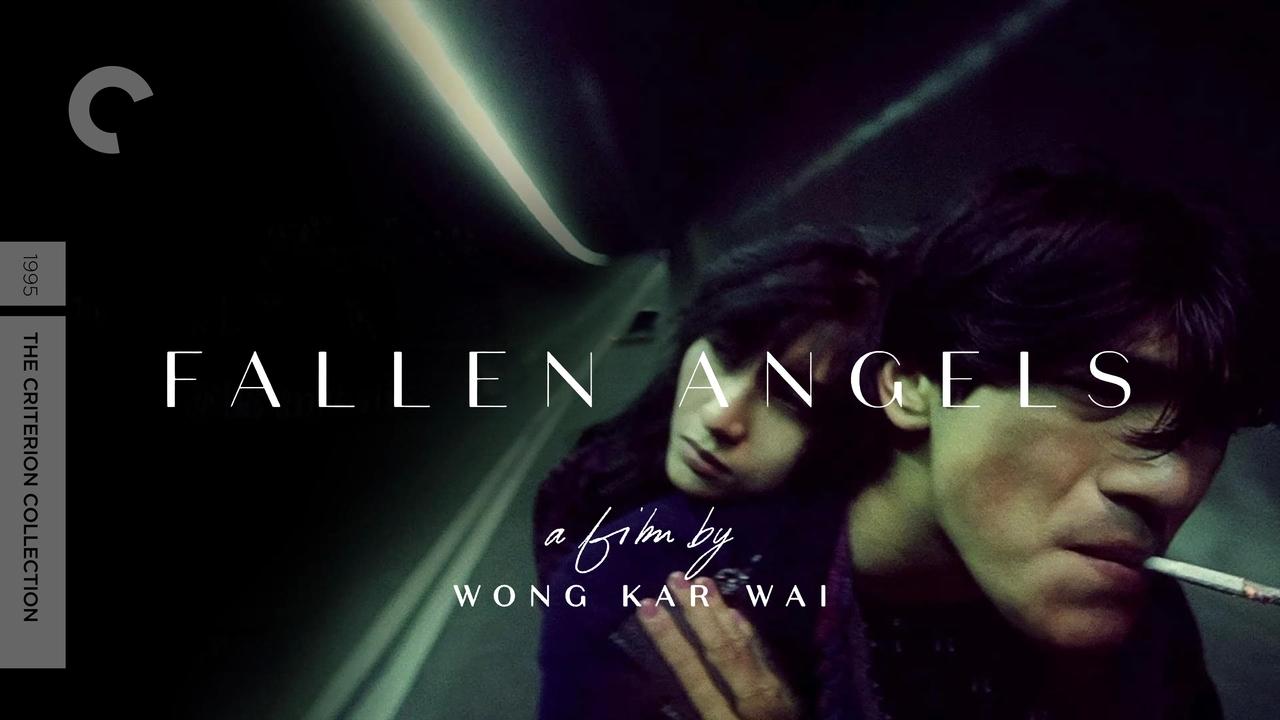
The image burns itself onto your retina: a face, distorted by an extreme wide-angle lens pressed impossibly close, swims in a chaotic kaleidoscope of neon greens, blues, and reds. It’s unsettling, hypnotic, and utterly unforgettable. This is the immediate, visceral language of Wong Kar-wai's Fallen Angels, a film that doesn't just depict the loneliness of Hong Kong nights but plunges you headfirst into its disorienting, intoxicating pulse. Released in 1995, just a year after the brighter, more overtly romantic Chungking Express, this felt like its shadow sibling – darker, stranger, and pulsing with a desperate energy all its own.
Midnight’s Children
Originally conceived as a third story for Chungking Express, Fallen Angels thankfully found its own space to breathe, or perhaps hyperventilate. It follows two loosely connected narrative threads through the labyrinthine streets and sterile backrooms of nocturnal Hong Kong. We meet Wong Chi-ming (Leon Lai), a coolly detached hitman contemplating one last job, and his enigmatic agent (Michelle Reis), who cleans his sparsely furnished apartment and communicates primarily through faxes, nursing an unspoken, almost obsessive affection for him. Their connection is mediated, distant, defined by the spaces between them.
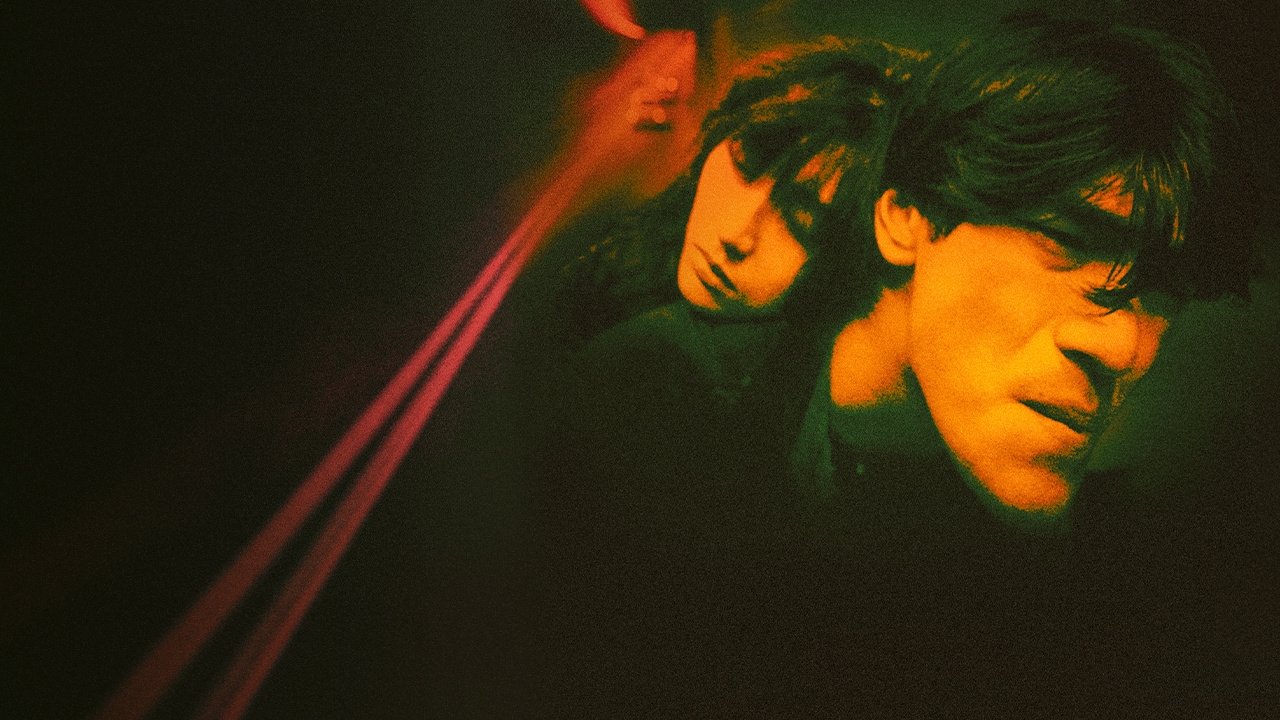
Then there’s Ho Chi-Mo (Takeshi Kaneshiro, returning from Chungking Express but playing a wildly different character), a mute delinquent who breaks into businesses after hours, forcing unwilling "customers" to experience his services – be it ice cream vending or aggressive hairstyling. His manic energy, often filmed with a frantic, almost slapstick physicality, provides a jarring counterpoint to the hitman's icy stillness. He communicates through actions, often violent or bizarre, yet harbours a deep wellspring of emotion, particularly concerning his relationship with his father and a fleeting connection with a heartbroken young woman named Charlie (Charlie Yeung).
Drowning in Style
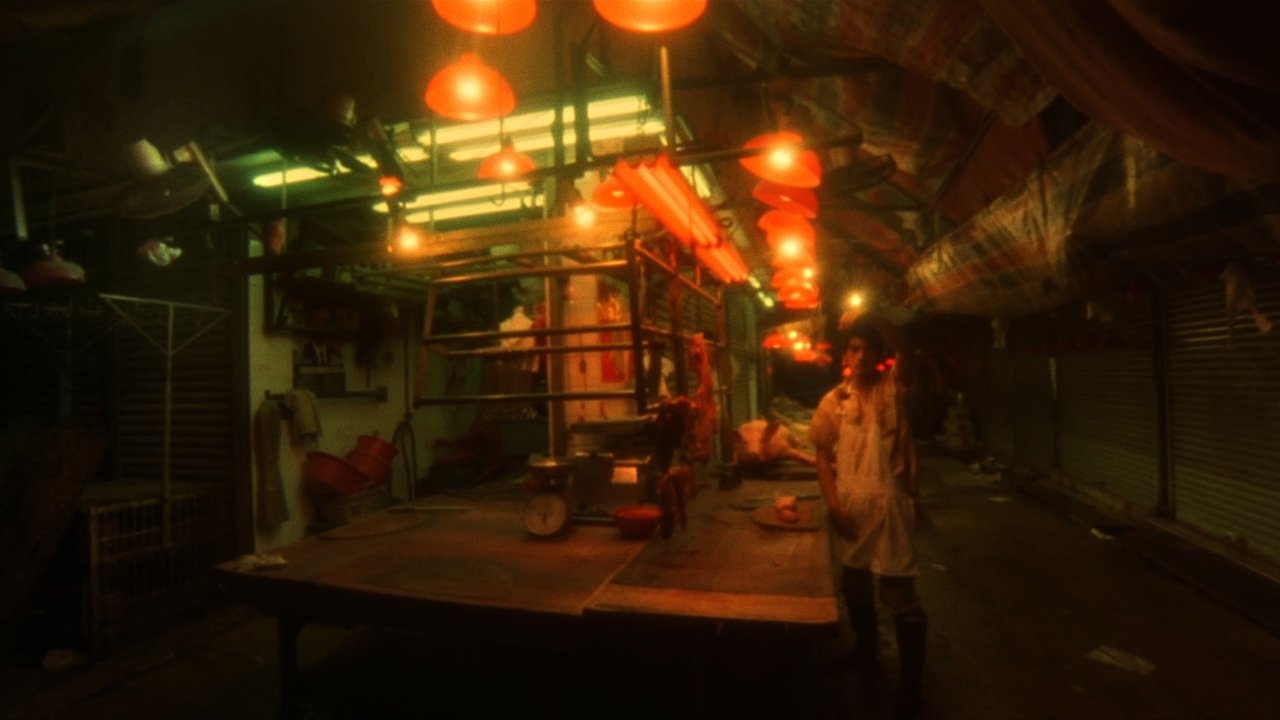
Let’s be honest, pulling that Fallen Angels tape from its shelf at the video store, you knew you weren’t in for a conventional crime thriller. What Wong Kar-wai and his visionary cinematographer Christopher Doyle achieved here feels less like traditional filmmaking and more like capturing lightning – or perhaps flickering neon – in a bottle. The signature use of wide-angle lenses creates a sense of claustrophobia even in open spaces, warping perspectives and making the city itself feel like a living, breathing, often menacing character. Faces loom large, backgrounds blur into abstract streaks of light, and the step-printed slow-motion sequences lend gunfights an almost balletic, dreamlike quality.
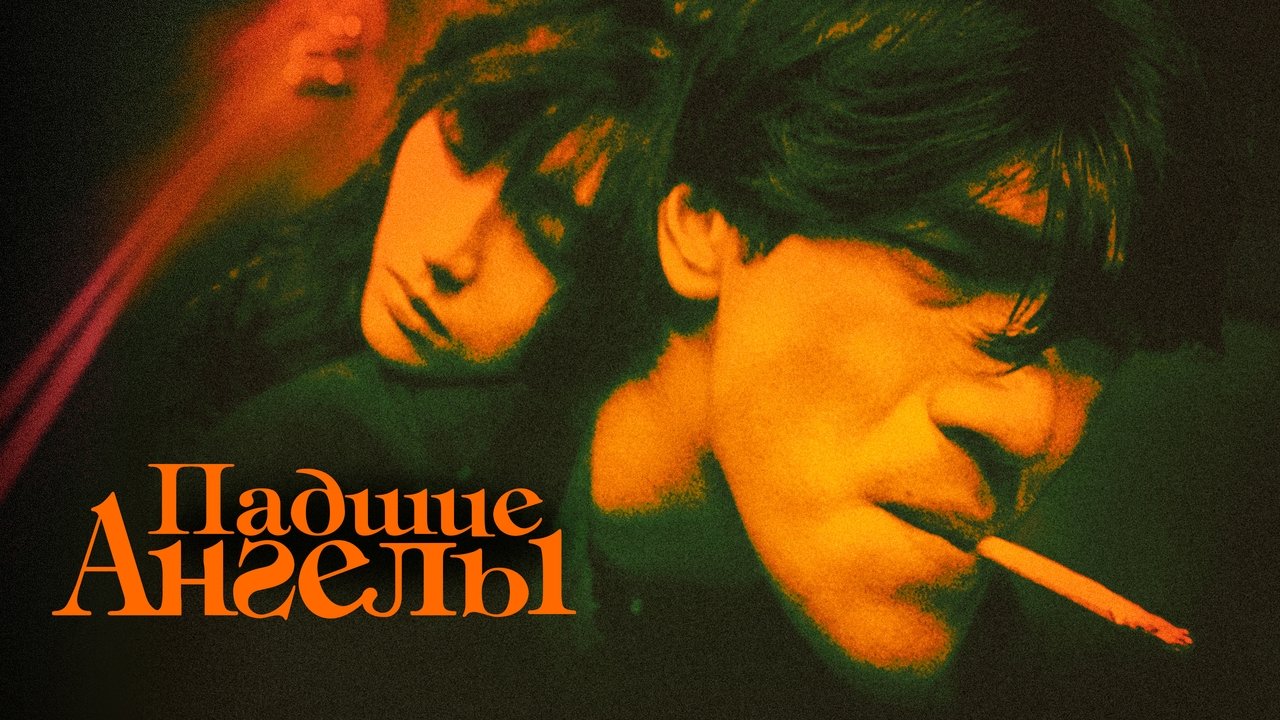
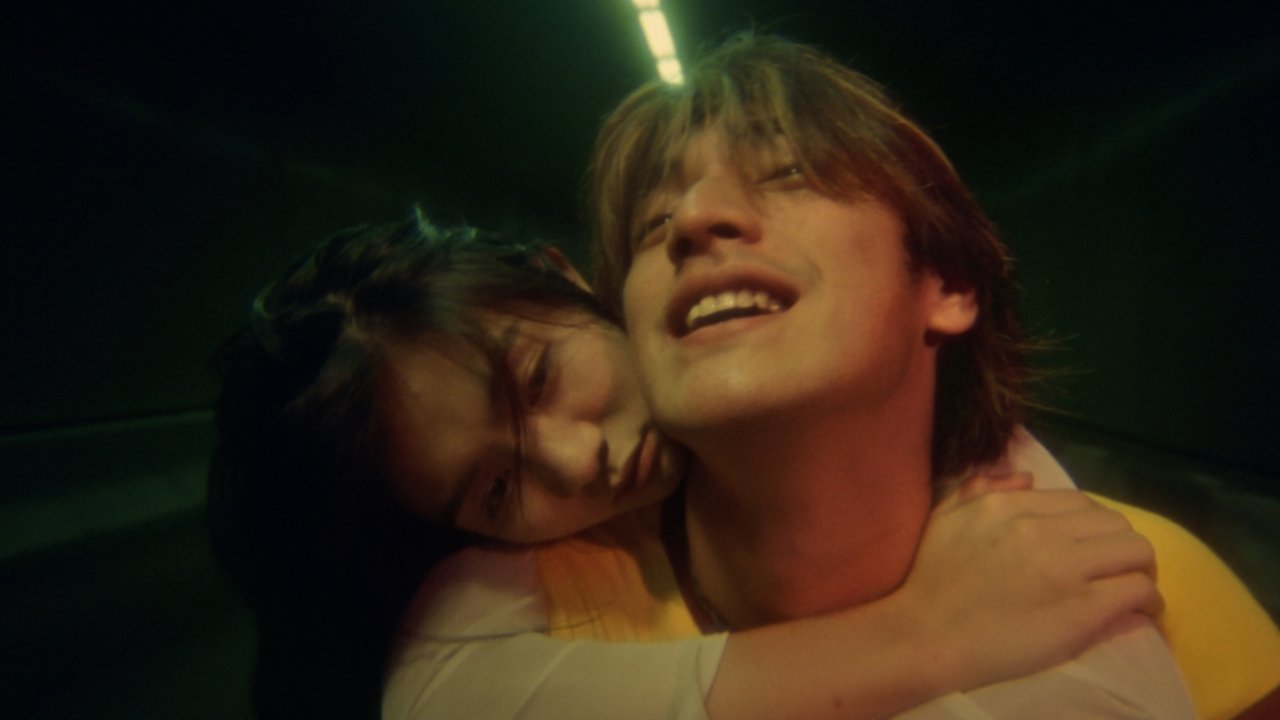
This wasn't just style for style's sake, though. It visually externalizes the characters' internal states: their isolation, their distorted views of reality, their longing for connection in a city that seems designed to keep people apart. Watching this on a fuzzy CRT back in the day, the deep blacks and saturated colours probably felt even more intense, the visual chaos mirroring the characters' fractured lives. It was shot largely guerrilla-style, often without permits, adding a layer of raw, unpredictable energy that seeped directly onto the screen. You feel the humid Hong Kong night air, smell the noodle stands and stale cigarette smoke.
Whispers in the Dark
The performances are perfectly attuned to this hyper-stylized world. Leon Lai embodies a specific kind of existential cool, his minimalist expressions hinting at a weariness beneath the professional veneer. Michelle Reis is captivating as the Agent, conveying volumes through posture and gaze alone, her character a study in longing and obsession performed in near-silence. But it's often Takeshi Kaneshiro who steals the show. His Ho Chi-Mo is a force of nature – chaotic, unpredictable, deeply wounded, and strangely endearing. Reportedly, Wong Kar-wai based the character on someone he actually knew, and Kaneshiro was given significant freedom to improvise, leading to some of the film's most memorable and bizarre sequences (like filming his bewildered father). It’s a performance of pure physicality and raw emotion, all conveyed without a single spoken word from the character himself.
Retro Fun Facts
Beyond its origins as part of Chungking Express, it's fascinating how Fallen Angels captures a specific pre-handover Hong Kong anxiety, a mood of uncertainty and transition reflected in its transient characters. The eclectic soundtrack, too, is integral – weaving Cantopop alongside atmospheric tracks like Laurie Anderson's "Speak My Language," perfectly scoring the late-night melancholy. While perhaps not reaching the immediate crossover appeal of Chungking Express (which grossed considerably more on a similar modest budget), Fallen Angels' cult status has only grown. It represents a certain peak of 90s Hong Kong arthouse cinema – daring, visually innovative, and emotionally resonant in its own bruised way.
Lingering Echoes
Fallen Angels isn't a film you simply watch; it's one you experience, one that washes over you with its mood and visuals. It asks questions about connection in an increasingly fragmented world, about the masks we wear, and the strange ways we seek solace in the urban sprawl. Does the hitman truly want out, or is the detached violence the only life he understands? Can Ho Chi-Mo ever truly communicate his inner world? The film offers no easy answers, preferring instead to leave you adrift in its beautiful, melancholic haze. It's a challenging, sometimes abrasive film, but its hypnotic power is undeniable. It’s the kind of movie that, once the VCR whirred to a stop, left you staring at the static, feeling the city's pulse still echoing in your bones.
Rating: 9/10
This score reflects the film's sheer artistic audacity, its groundbreaking cinematography that redefined cinematic cool, and its haunting exploration of urban loneliness. While its fractured narrative and intense style might not be for everyone, its impact and artistry are undeniable. Christopher Doyle's visuals alone are worth the price of admission (or rental fee!), and the performances, particularly Kaneshiro's, resonate long after the credits roll.
Final Thought: Fallen Angels is a fever dream of longing and violence set to a jukebox soundtrack – a quintessential piece of 90s arthouse grit that feels just as potent and strangely beautiful today.