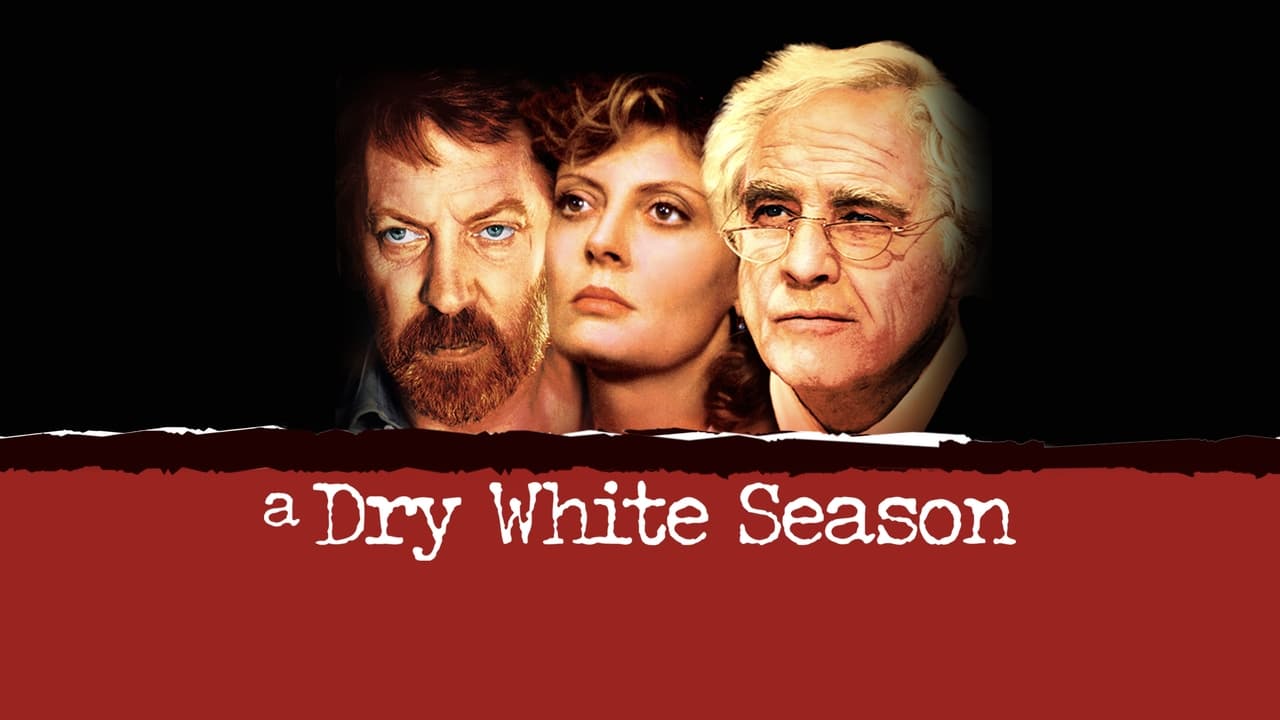
Okay, settle in. Let’s talk about a film that probably didn't sit on the "Frequently Rented" shelf next to the latest action blockbuster, but one that, once discovered on VHS, left an indelible mark. I’m thinking about A Dry White Season from 1989, a film that carried the weight of the world on its shoulders and dared to stare unflinchingly into the abyss of South African Apartheid. It wasn't background noise; it was a film that demanded your attention, burrowing under your skin long after the tape ejected.
### A Story That Needed Telling
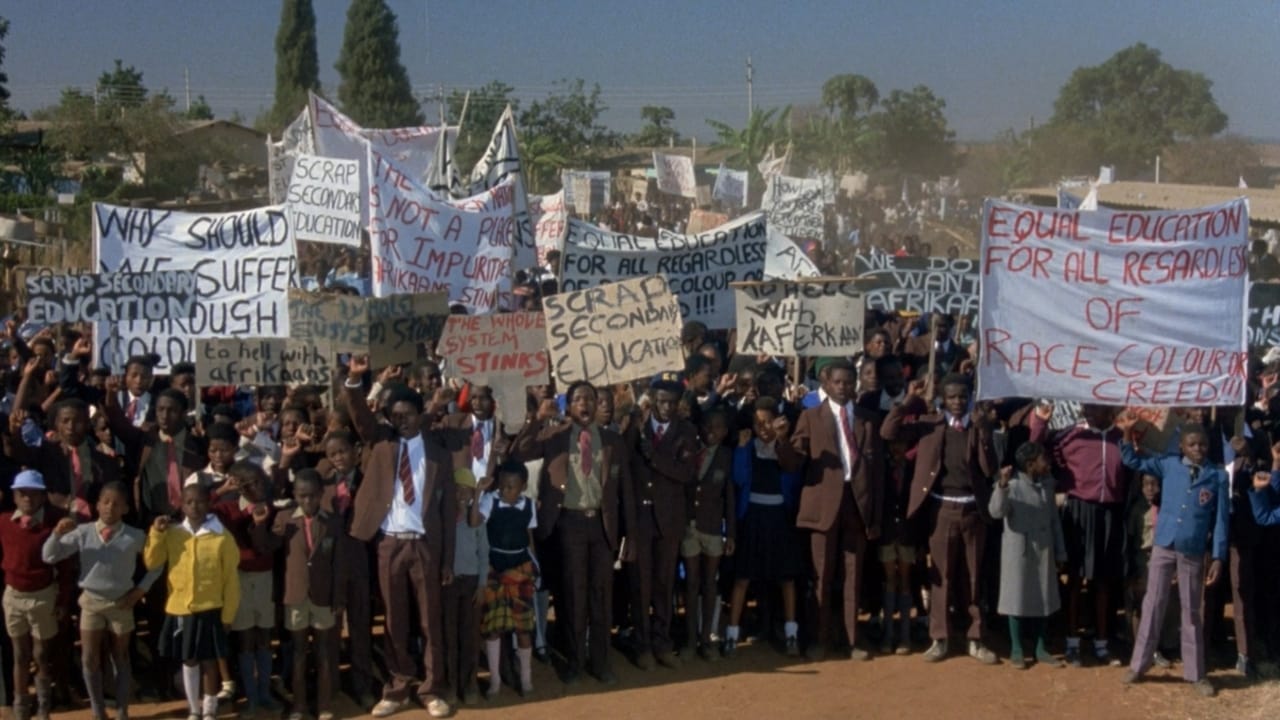
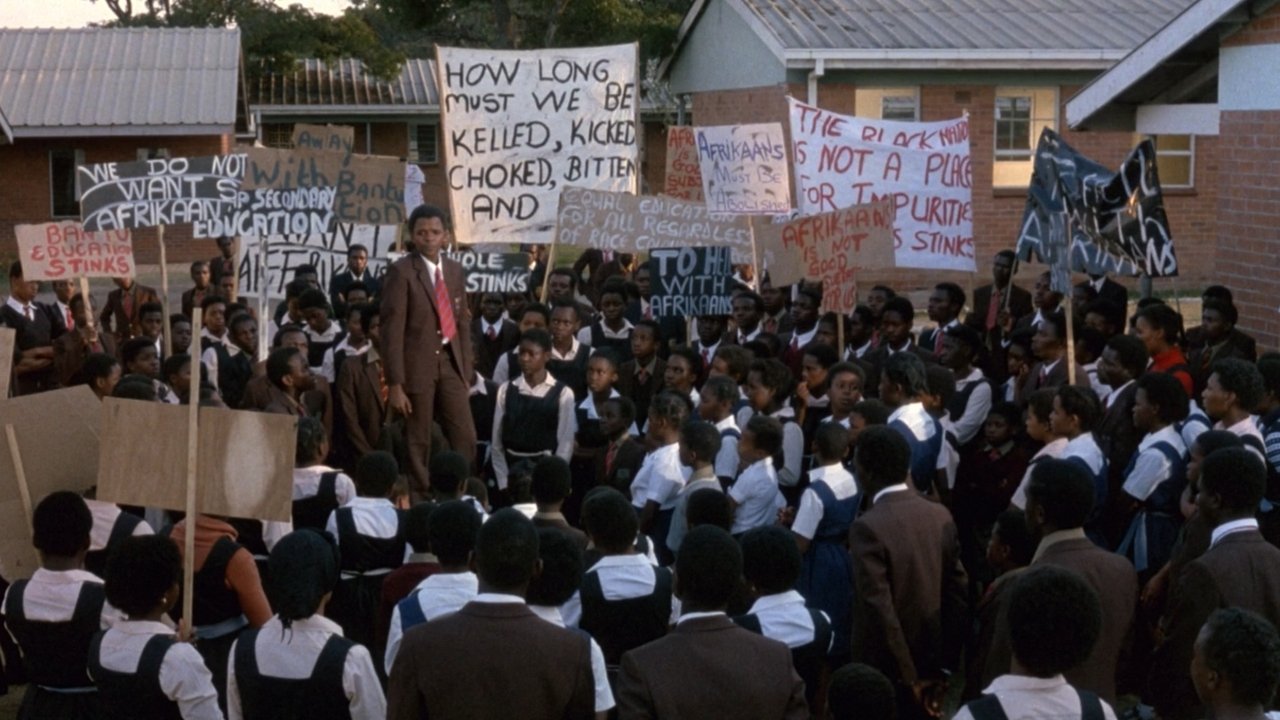
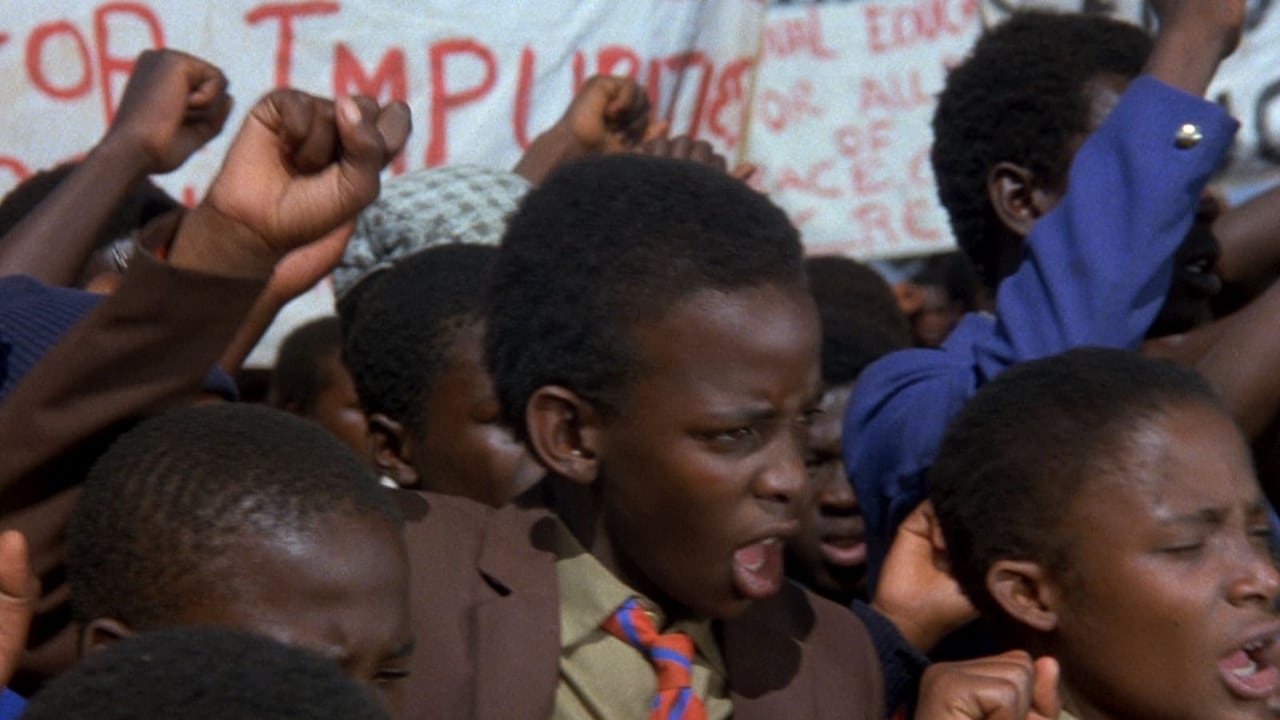
What strikes you immediately about A Dry White Season is its quiet, simmering rage. It's not about explosive confrontation from the outset, but the slow, horrifying awakening of conscience. We follow Ben Du Toit (Donald Sutherland), an Afrikaner schoolteacher living a comfortable, deliberately blinkered life in Johannesburg. He believes in the system, or at least, chooses not to question it too deeply. That changes when his gardener, Gordon Ngubene (Winston Ntshona), seeks his help after Gordon's son is arrested and brutalized during the Soweto uprising. This single plea cracks open Ben’s insulated world, revealing the systemic injustice and brutality he had conveniently ignored.
This slow burn is masterfully handled by director Euzhan Palcy. It's a significant film historically, being the first major Hollywood studio picture directed by a black woman. Palcy, who also co-wrote the screenplay adapting André Brink’s novel (itself banned in South Africa), faced immense challenges. She reportedly traveled to South Africa undercover, posing as a recording artist, to research and interview people affected by Apartheid, gathering firsthand accounts despite the inherent dangers. This commitment translates into an authenticity that permeates every frame. Filming ultimately took place primarily in Zimbabwe, doubling for South Africa, under carefully controlled conditions to ensure safety and avoid interference.
### The Weight of Truth in Performance
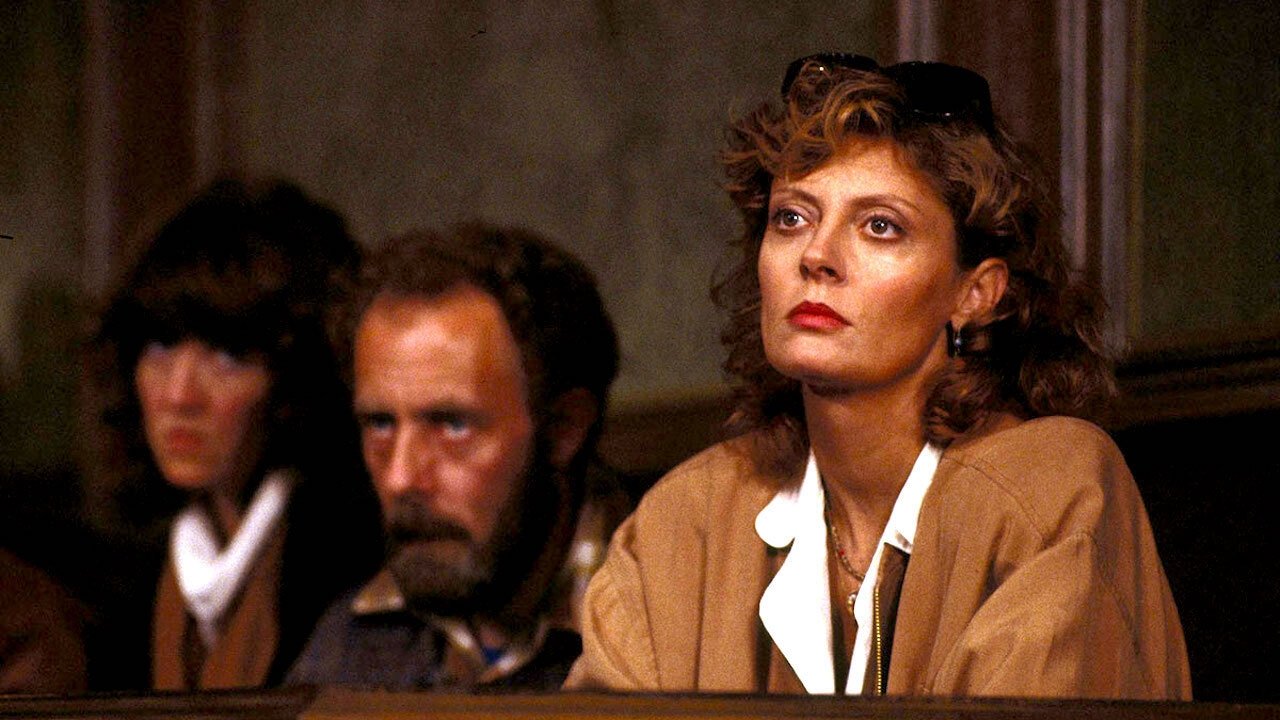
Donald Sutherland, often known for more eccentric or overtly commanding roles (think Invasion of the Body Snatchers or later, The Hunger Games), delivers a performance of profound, understated power here. His Ben Du Toit isn’t a ready-made hero; he’s an ordinary man wrestling with extraordinary circumstances. We see the dawning horror, the fear, the reluctant courage flicker across his face. It's a portrait of gradual radicalization born not of ideology, but of basic human decency confronted with undeniable evil. His comfortable life disintegrates as he pursues the truth, creating friction with his wife Susan (Janet Suzman, delivering a compelling performance as a woman desperate to maintain the status quo) and isolating him from his community.
Equally vital is Zakes Mokae as Stanley Makhaya, Gordon's friend and a taxi driver who becomes Ben’s guide into the harsh realities faced by black South Africans. Mokae embodies a weary resilience, a deep understanding of the system's cruelty, tempered with a cautious trust in Ben's evolving commitment. Their relationship forms the moral core of the film, a fragile bridge across a chasm of mandated separation.
### Brando's Brief, Blazing Return
And then there's Marlon Brando. Appearing for roughly ten minutes as human rights lawyer Ian McKenzie, Brando delivers a performance that netted him his eighth and final Oscar nomination (for Best Supporting Actor). It was his first film appearance in nine years, and the story goes he worked for union scale ($4,000) plus a percentage of the profits, donating his fee to anti-Apartheid charities. His courtroom scene is electric. Though visibly older and heavier, the old fire is absolutely there. He commands the screen, using his limited time to dissect the perverse logic of the Apartheid state with surgical precision and palpable contempt. It’s a masterclass in conveying immense authority and moral outrage with seemingly effortless presence. MGM was reportedly hesitant about the project until Brando's involvement gave it the necessary clout.
### More Than Just a Political Thriller
While A Dry White Season functions as a taut political thriller – the tension ramps up considerably as Ben digs deeper, attracting the malevolent attention of the Special Branch, personified chillingly by Jürgen Prochnow as Captain Stolz – it’s the human cost that resonates most deeply. Palcy doesn't shy away from depicting the brutality of the regime, but she does so without overt sensationalism. The violence feels chillingly real, matter-of-fact in its cruelty, which somehow makes it even more disturbing.
The film wasn’t just a story; it was an act of defiance. Unsurprisingly, A Dry White Season was banned in South Africa upon its release. It dared to portray the state not just as oppressive, but as pathologically violent and corrupt, through the eyes of someone from within the privileged Afrikaner community. This perspective shift was crucial, making the indictment of the system feel all the more damning. It wasn't just showing the suffering of the oppressed; it was showing the moral rot required to uphold the oppression.
### Lasting Resonance
Watching A Dry White Season today, perhaps on a format far removed from the well-worn VHS copy I first saw, its power hasn't diminished. If anything, its themes of systemic injustice, willful ignorance, and the courage required to speak truth to power feel depressingly relevant. It asks uncomfortable questions: How much injustice are we willing to tolerate for the sake of comfort? What does it truly take to stand up against a system, especially when you benefit from it? There are no easy answers offered, only the stark portrayal of one man's costly, necessary journey. It’s a film that reminds us that some stories must be told, no matter the risk. It wasn't light viewing back in the rental days, often discovered amidst the escapism, but its gravity was precisely its strength.
Rating: 9/10
This score reflects the film's exceptional direction, powerful performances (particularly Sutherland, Mokae, and Brando's unforgettable cameo), historical significance, and courageous handling of incredibly difficult subject matter. It achieves a rare balance of gripping thriller mechanics and profound thematic depth. It falls just short of a perfect score perhaps only because the sheer grimness can make it a challenging, though essential, watch.
Final Thought: A Dry White Season remains a potent and vital piece of cinema, a stark reminder from the VHS era of film's power to confront uncomfortable truths and challenge the status quo, leaving you contemplating the cost of silence long after the credits roll.