That beautiful old house on the hill. It’s the dream, isn't it? Pouring your savings, your sweat, your hopes into restoring a piece of history, making it yours. But what happens when the nightmare moves in downstairs? 1990’s Pacific Heights doesn’t just flirt with this terror; it builds a nest in it, crafting a chillingly effective thriller around the ultimate violation – the destruction of sanctuary by an enemy you legally invited inside. Forget ghosts or masked killers; the monster here wears a suit, knows the law better than you do, and pays his rent just late enough to make your life a living hell.
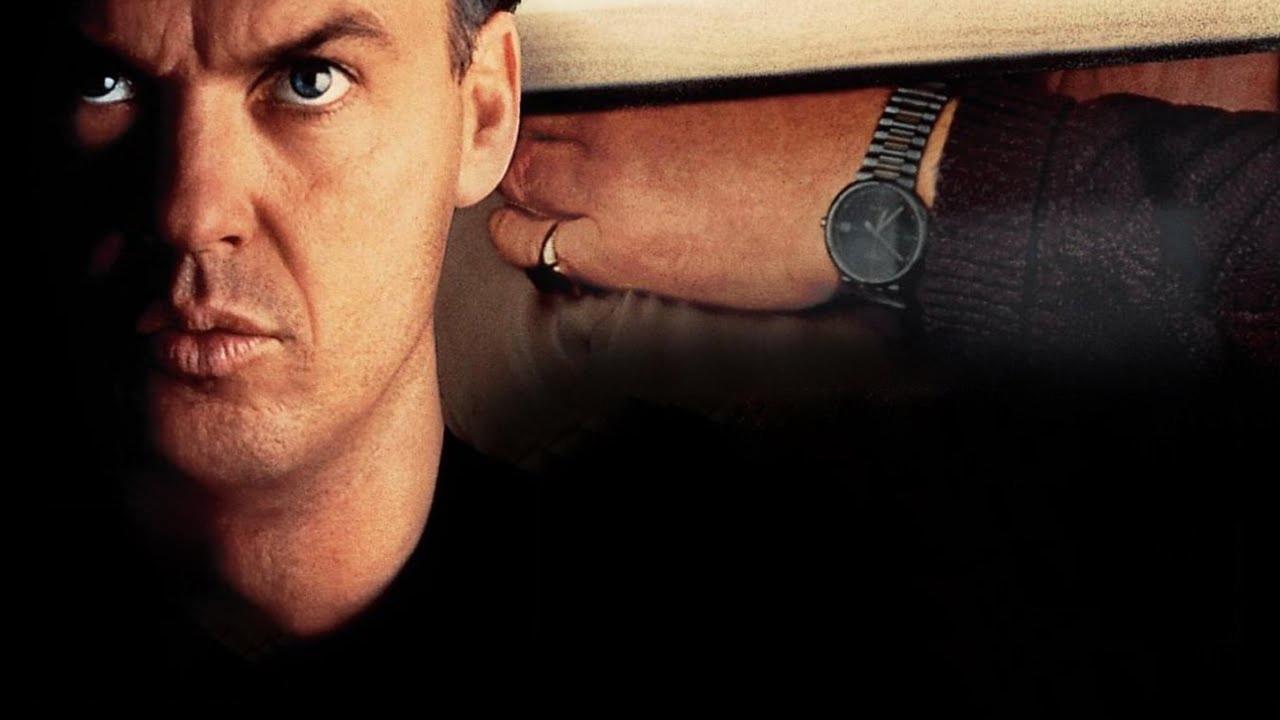
The Yuppie Dream Curdles
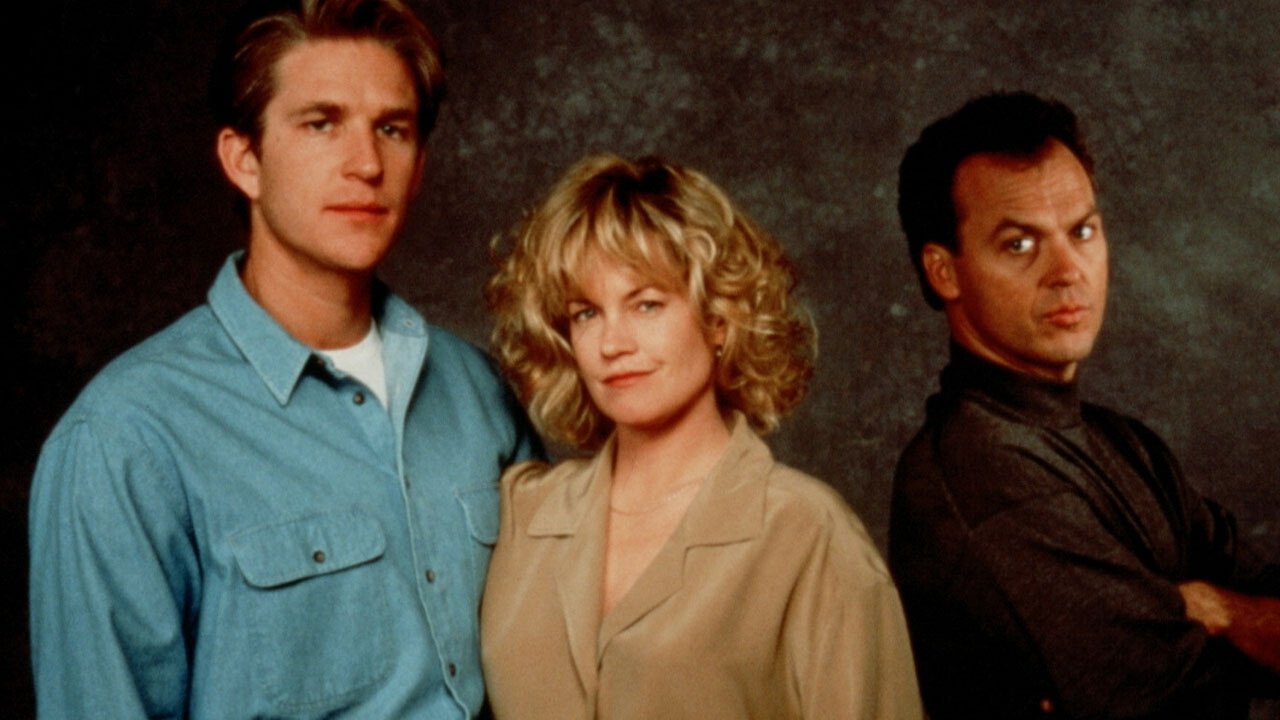
We meet Drake Morrison (Matthew Modine, perhaps best known then for Full Metal Jacket (1987)) and Patty Palmer (Melanie Griffith, riding high off Working Girl (1988)) as they sink $75,000 (a fortune back then, nearly $180k today!) into a stunning, if dilapidated, Victorian mansion in San Francisco's prestigious Pacific Heights neighbourhood. It’s the kind of fixer-upper fantasy many chased in the late 80s. To make ends meet, they decide to rent out the two ground-floor apartments. Enter Carter Hayes (Michael Keaton), presenting himself as the perfect tenant: wealthy, charming, driving a Porsche, flashing a wad of cash. He needs the place immediately. Too good to be true? Oh, you have no idea.
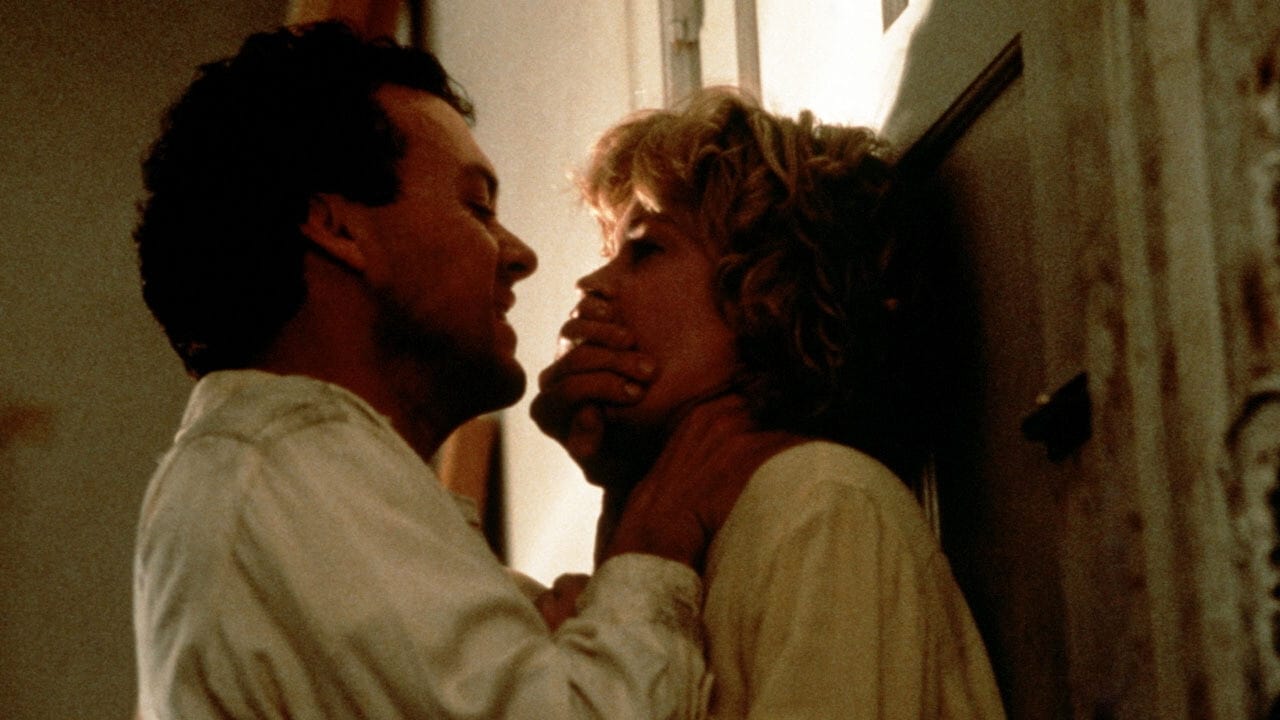
What unfolds is less a traditional horror movie and more a slow-burn descent into psychological and financial ruin. Hayes is a predator of a different stripe – a sociopathic con artist who weaponizes tenant protection laws. The bounced checks, the noise complaints that are somehow your fault, the deliberate property damage masked as accidents, the cockroaches... it’s death by a thousand cuts, designed to drive Drake and Patty to the breaking point, all while Hayes remains untouchable, barricaded behind legal technicalities. The dread comes not from jump scares, but from the suffocating helplessness, the dawning realisation that the system meant to protect you can be twisted into a weapon against you. Doesn't that slow, creeping erosion of security feel more terrifying than any sudden shock?
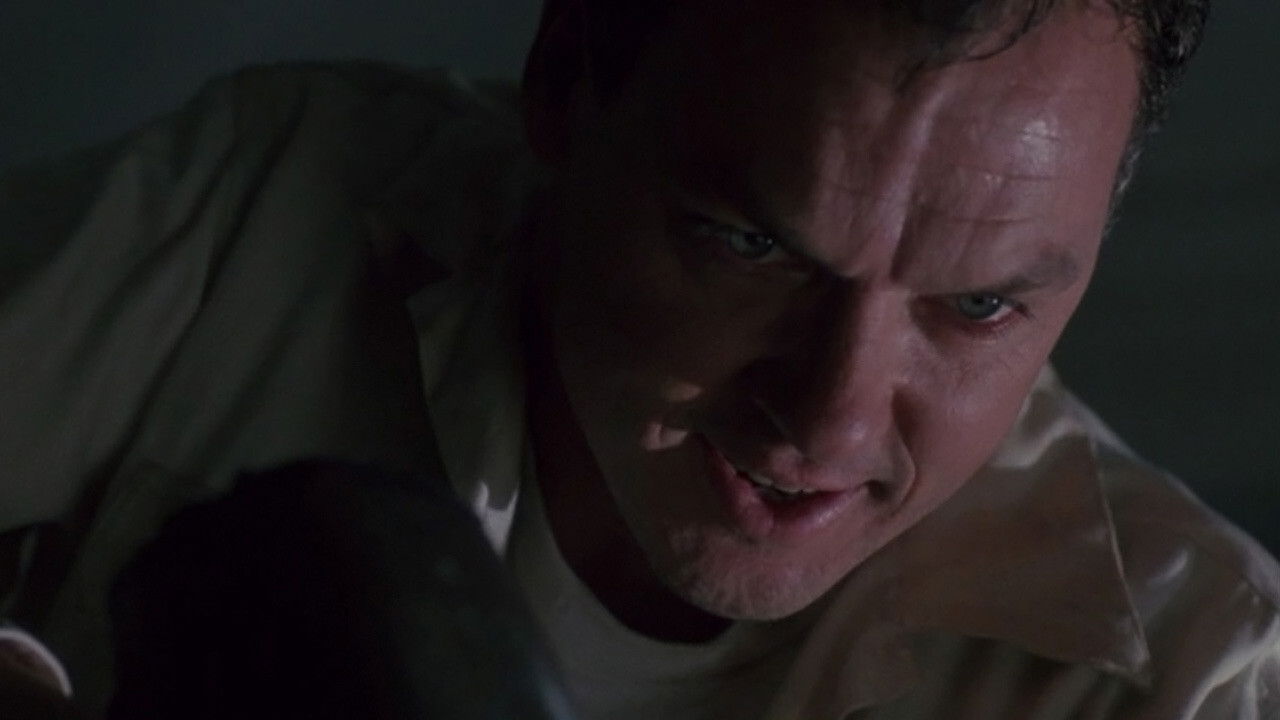
Keaton Unleashed
Let’s be honest, the black heart of Pacific Heights beats because of Michael Keaton. Coming off his iconic turn as the Caped Crusader in Tim Burton's Batman (1989), taking on this utterly loathsome villain was a bold, brilliant move. Keaton sheds any trace of heroism, embodying Hayes with a chillingly calm malevolence. Watch his eyes – they’re flat, calculating, occasionally flashing with a predatory glee that’s genuinely unsettling. He doesn’t chew the scenery; he meticulously dismantles it, piece by piece, just like he dismantles Patty and Drake’s lives. There were whispers that Keaton truly unnerved his co-stars on set with the intensity he brought to the role, blurring the lines just enough to keep everyone on edge. It’s a performance that reminds you just how versatile Keaton was, capable of being the hero or, as here, the charismatic void that consumes everything around him.
Schlesinger's Tight Grip
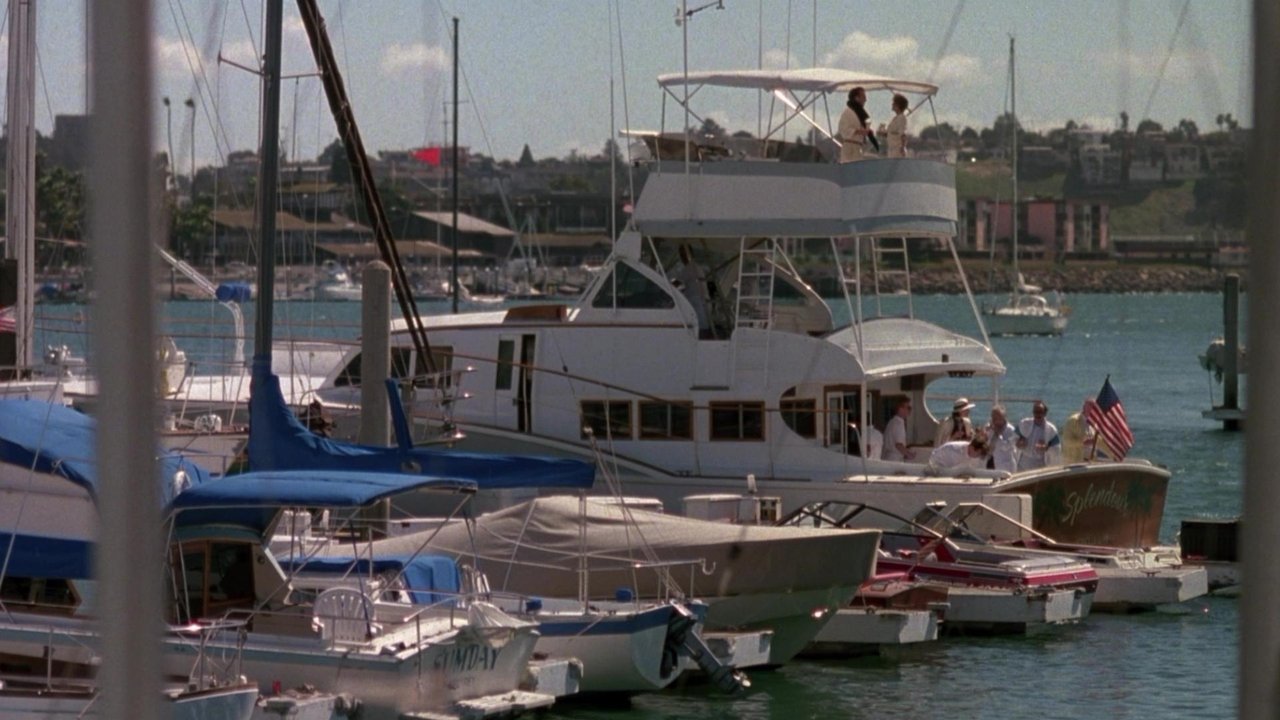
Directing duties fell to the legendary John Schlesinger, a filmmaker more associated with character-driven dramas like Midnight Cowboy (1969) and suspense classics like Marathon Man (1976). Bringing his prestige sensibilities to a genre thriller pays dividends. Schlesinger focuses on the human cost, the way Hayes’ campaign chips away at Patty and Drake’s relationship as much as their finances. The film might have been shot largely on studio sets recreating the interiors (though exteriors used the real, imposing 1243 Vallejo Street in Pacific Heights), but Schlesinger, aided by Hans Zimmer's effectively ominous score (an early sign of his blockbuster dominance to come), creates a palpable sense of claustrophobia. The beautiful house becomes a prison, its elegant rooms echoing with paranoia and despair. The production reportedly cost around $18 million and pulled in a respectable $45 million worldwide – proof that this particular nightmare resonated with audiences. It tapped directly into the anxieties of an era defined by aspirational homeownership and the fear of losing it all.
More Than Just a Tenant
While Keaton dominates, Griffith and Modine sell the couple's escalating desperation effectively. Griffith, in particular, gets a strong arc as Patty evolves from trusting partner to a woman pushed too far, forced to find a strength she didn’t know she possessed. Modine portrays the frustration and emasculation of a man watching his control evaporate convincingly. The film smartly shows how Hayes doesn't just attack their property; he attacks their bond, their trust, their very sense of self-worth. Some critics at the time found the final act, where Patty decides to turn the tables, a bit too conventional, shifting from psychological warfare to more direct, physical confrontation. It’s a fair point – the meticulous legal chess game gives way to something more traditionally 'Hollywood thriller'. Yet, there's a certain catharsis in seeing the victims finally fight back, even if it slightly dilutes the unique dread established earlier.
The Lease Is Up
Pacific Heights remains a potent thriller precisely because its central fear feels so grounded. The idea that someone could systematically destroy your life from the inside, using the very framework of society against you, is deeply unsettling. It’s a slickly made, well-acted film that captures a specific yuppie anxiety of the early 90s but translates it into a timeless terror of vulnerability and violation. Keaton's performance is magnetic, a masterclass in quiet menace that elevates the material significantly. While the ending might opt for a more crowd-pleasing resolution, the journey there is fraught with genuine tension and a creeping sense of unease that lingers long after the credits roll. I remember renting this one from the local video store, the stark cover art promising something dark, and it delivered – that feeling of your safe space being irrevocably breached.
VHS Heaven Rating: 8/10
Justification: The rating reflects the film's strengths: Michael Keaton's phenomenal performance, the palpable atmosphere of dread, John Schlesinger's assured direction, and a core concept that remains chillingly relevant. It perfectly encapsulates the 'yuppie nightmare' subgenre. It loses a couple of points for the slightly more conventional third-act shift, which, while arguably necessary, doesn't quite match the insidious brilliance of the initial setup.
Final Thought: More than just a thriller, Pacific Heights is a potent cautionary tale about misplaced trust and the darkness that can hide behind a charming smile and a good credit report. It remains a standout example of the 90s psychological thriller, anchored by one of Keaton's most effectively chilling roles. You might think twice before handing over those keys...