It starts with a scream, doesn't it? A primal sound ripped from the throat, hanging in the air before we even understand its context. That's one of the many unsettling echoes left by Krzysztof Kieślowski's Blind Chance (original title: Przypadek), a film that confronts us with the terrifying fragility of destiny. Watching it again, decades after first encountering its stark vision likely on a slightly worn VHS tape nestled perhaps in the 'World Cinema' section of a well-stocked rental store, its central question feels more potent than ever: how much of who we become boils down to a single, seemingly insignificant moment?

The film, famously completed in 1981 but suppressed by Polish authorities until 1987 due to the imposition of martial law and its politically charged themes, presents us with Witek Długosz (Bogusław Linda), a young medical student in Łódź standing at a crossroads – quite literally. As he races to catch a train, the narrative fractures. What follows aren't parallel universes in a sci-fi sense, but three distinct potential life paths stemming from that one frantic dash across the platform.
Three Paths from a Platform
In one life, Witek catches the train. Onboard, he meets an idealistic old Communist (Tadeusz Łomnicki), leading him down a path into the Party apparatus. We watch his initial sincerity curdle into compromise, the weight of the system pressing down on him. Kieślowski, who also penned the script, doesn't paint this as simple villainy; it's a study in the slow erosion of principle, the practicalities and perhaps perceived necessities of navigating life within that specific Polish reality. Bogusław Linda, in a performance that cemented his status as a leading Polish actor, embodies this transformation with haunting subtlety. The fire in his eyes dims, replaced by a weary pragmatism.
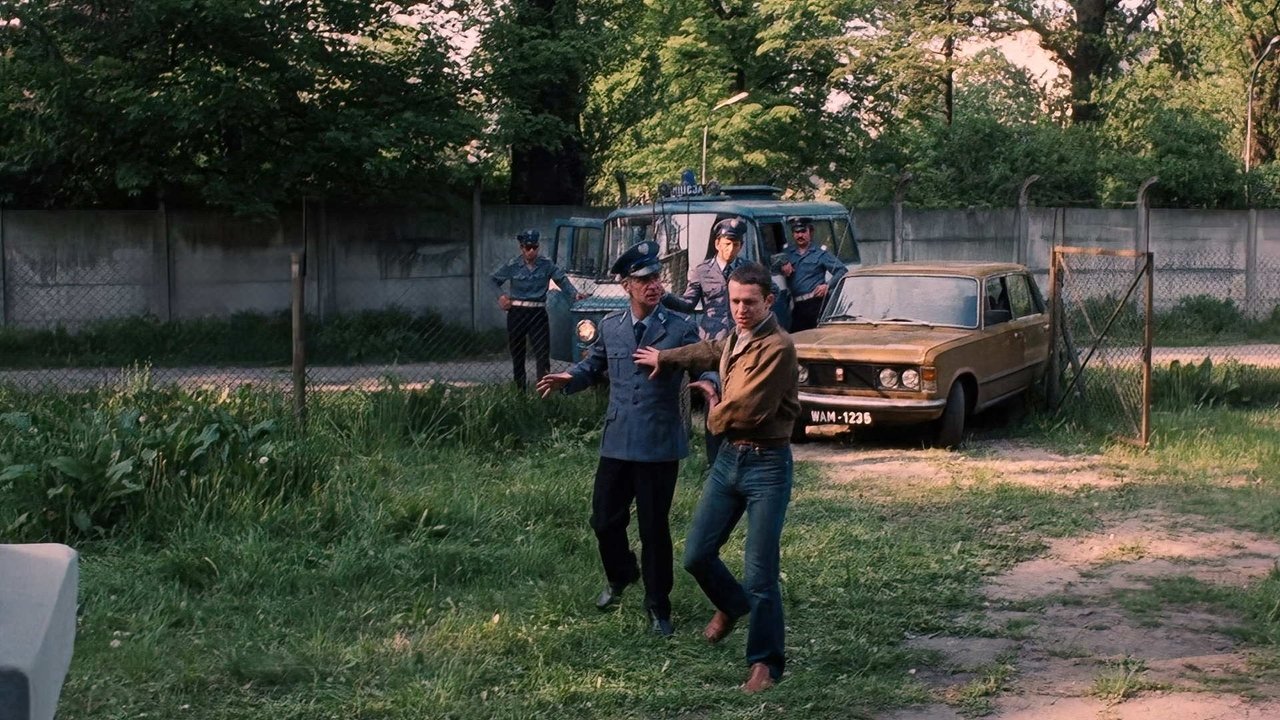
In the second scenario, Witek misses the train. His desperate sprint ends in a scuffle with a railway guard, leading to his arrest and community service. Here, he encounters figures from the anti-government underground (Zbigniew Zapasiewicz plays a key figure). This path pulls him into the world of dissent, secret meetings, smuggled literature, and the constant threat of surveillance. It's a life lived in the shadows, demanding a different kind of sacrifice, a different set of moral negotiations. Again, Linda captures the shift – the cautious hope, the fear, the solidarity found in resistance. Is this path morally superior? Kieślowski forces us to consider the cost, the compromises inherent even in fighting the system.
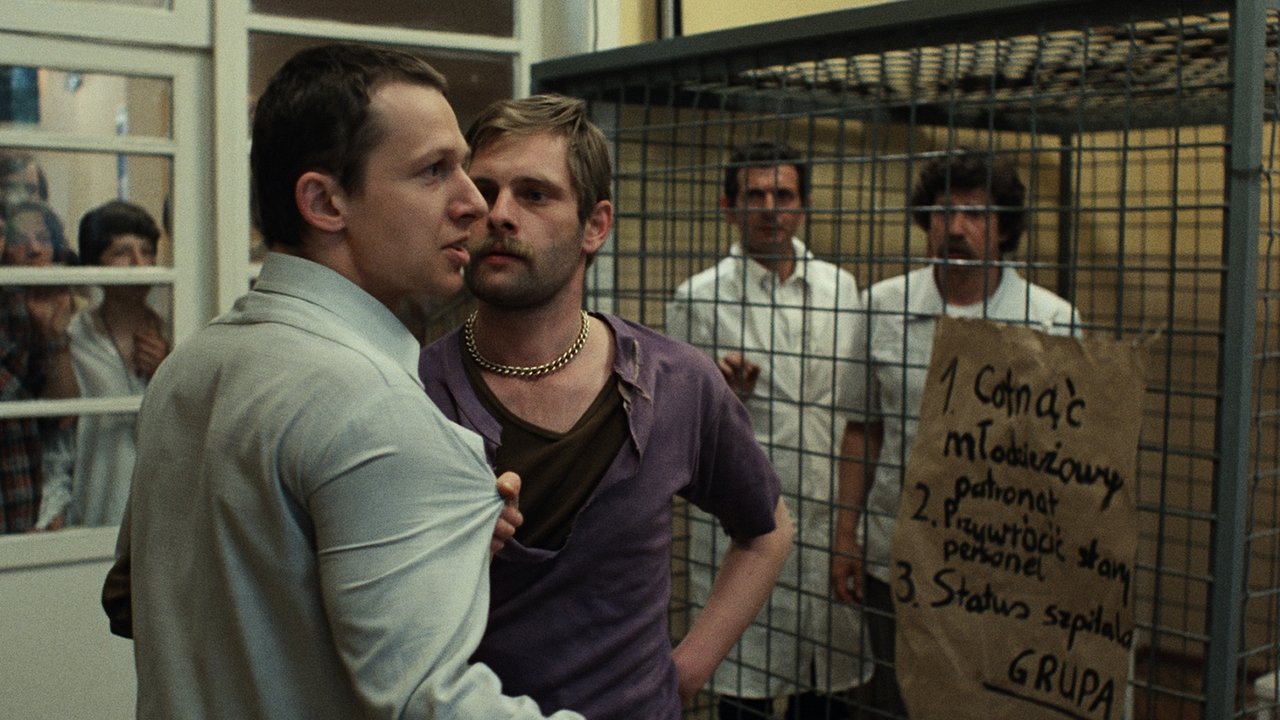
And in the third possibility? Witek misses the train, avoids the altercation, and simply... goes back. He returns to medical school, marries a fellow student, and attempts to build an apolitical life focused on career and family. He tries to remain detached from the political turmoil swirling around him. But can anyone truly remain untouched in such charged times? This segment explores the illusion of neutrality, the quiet anxieties that seep in even when one tries to wall off the world. Linda portrays a man seeking peace, yet shadowed by an unspoken unease.
Chance, Choice, and Circumstance
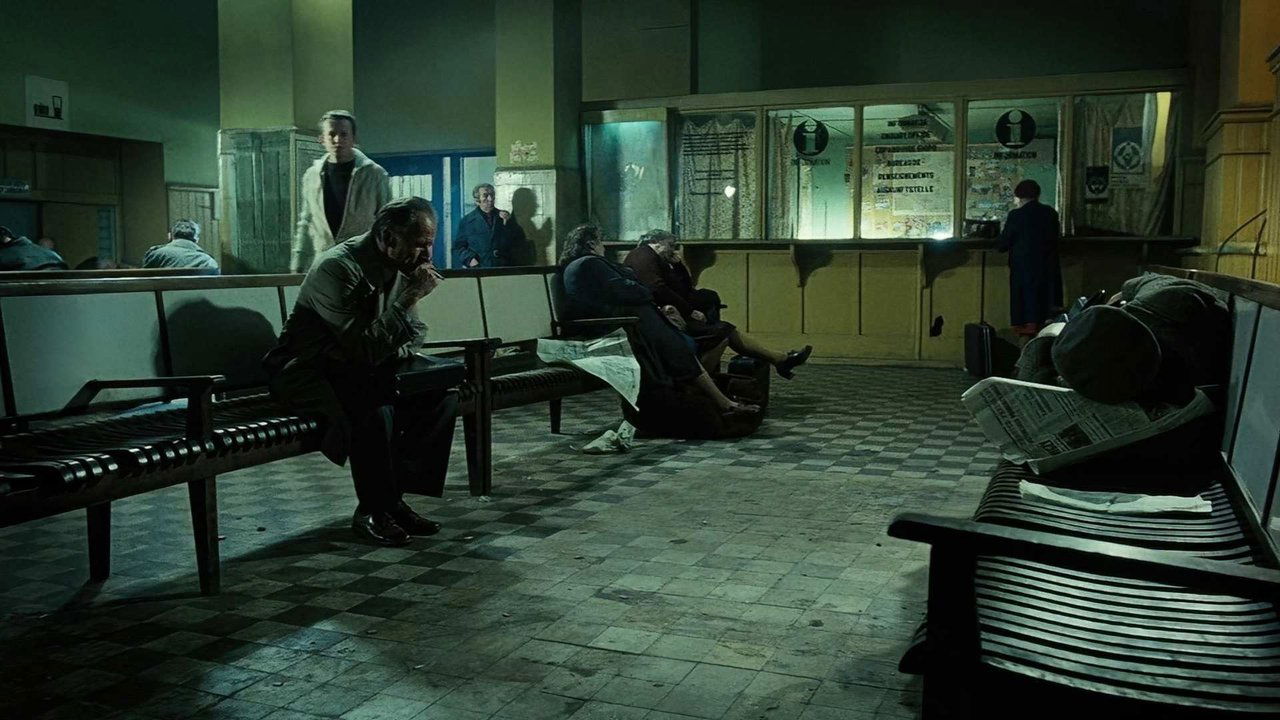
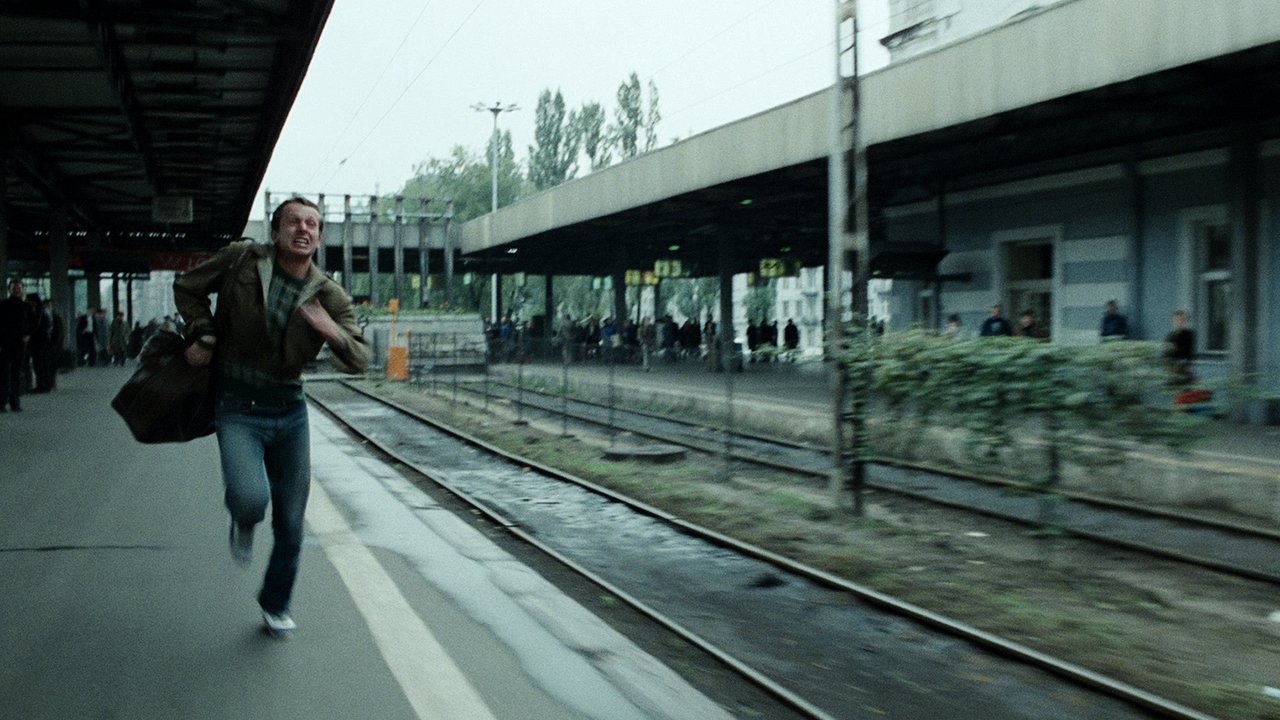
What makes Blind Chance so gripping isn't just the clever structure – an idea echoed years later in films like Sliding Doors (1998), though Kieślowski's work carries far greater political and philosophical weight. It's the profound exploration of how little control we might actually have. Are Witek's differing fates the result of conscious choices, or are they merely the ripples spreading from that single, random event at the station? The film suggests that character might be less fixed than we believe, heavily molded by the circumstances chance throws our way.
This resonates deeply with the experience of living under the authoritarian regime of early 80s Poland, a context inseparable from the film's power. The very delay in its release is a stark reminder of the forces Witek navigates in each timeline. That Kieślowski could craft such a nuanced critique, exploring the moral complexities faced by individuals across the political spectrum within that system, is remarkable. It wasn’t just shelved; sections were actively censored even for its eventual 1987 release, highlighting the nerves it touched. Finding this on VHS, perhaps years after its Polish debut, felt like uncovering a hidden, potent truth from behind the Iron Curtain.
Kieślowski's Quiet Intensity
The director's style, already showcasing the thematic depth and meticulous eye for detail that would define his later masterpieces like The Decalogue (1989) and the Three Colours trilogy (1993-1994), is perfectly suited to the material. He uses recurring motifs and characters subtly weaving through the different timelines, hinting at interconnectedness even amidst divergence. The cinematography is often grounded, almost documentary-like in its realism, which makes the philosophical questions feel intensely personal and immediate. There are no flashy effects here, just the quiet accumulation of moments, choices, and consequences. It demands patience, rewarding the viewer with layers of meaning that surface long after the credits roll.
What truly stays with you is the pervasive sense of melancholy, the understanding that perhaps none of these paths leads to an uncomplicated happiness. Each life has its burdens, its compromises, its potential for both connection and betrayal. Doesn't this reflect something universal about the human condition, regardless of the political landscape?
Rating: 9/10
Blind Chance is a challenging, intellectually stimulating, and deeply moving piece of cinema. Its structure is innovative, Bogusław Linda's central performance is a masterclass in nuance, and its exploration of fate, choice, and political reality is profound. The film's troubled production history only adds to its weight. While perhaps not an easy watch, its insights feel incredibly relevant, forcing us to confront uncomfortable questions about our own lives. This isn't just a forgotten gem from the VHS era; it's a vital work from a master filmmaker grappling with the very currents that shaped his time.
It leaves you wondering not just about Witek's possible lives, but about the countless unseen turning points in your own – the trains caught and missed, the small chances that set everything in motion.