Some films feel less like entertainment and more like recovered evidence, artefacts smuggled out from a darker time. Watching Ryszard Bugajski's Interrogation (Przesłuchanie), finally unleashed in 1989 after years suppressed by Polish authorities, carries that distinct weight. This isn't just a movie; it's an act of defiance captured on celluloid, a harrowing look into the machinery of oppression that feels chillingly immediate, even decades later. Finding a copy back in the day, perhaps on a slightly fuzzy, nth-generation VHS tape, felt like uncovering something vital, something the powers that be desperately wanted hidden.
A Knock in the Night
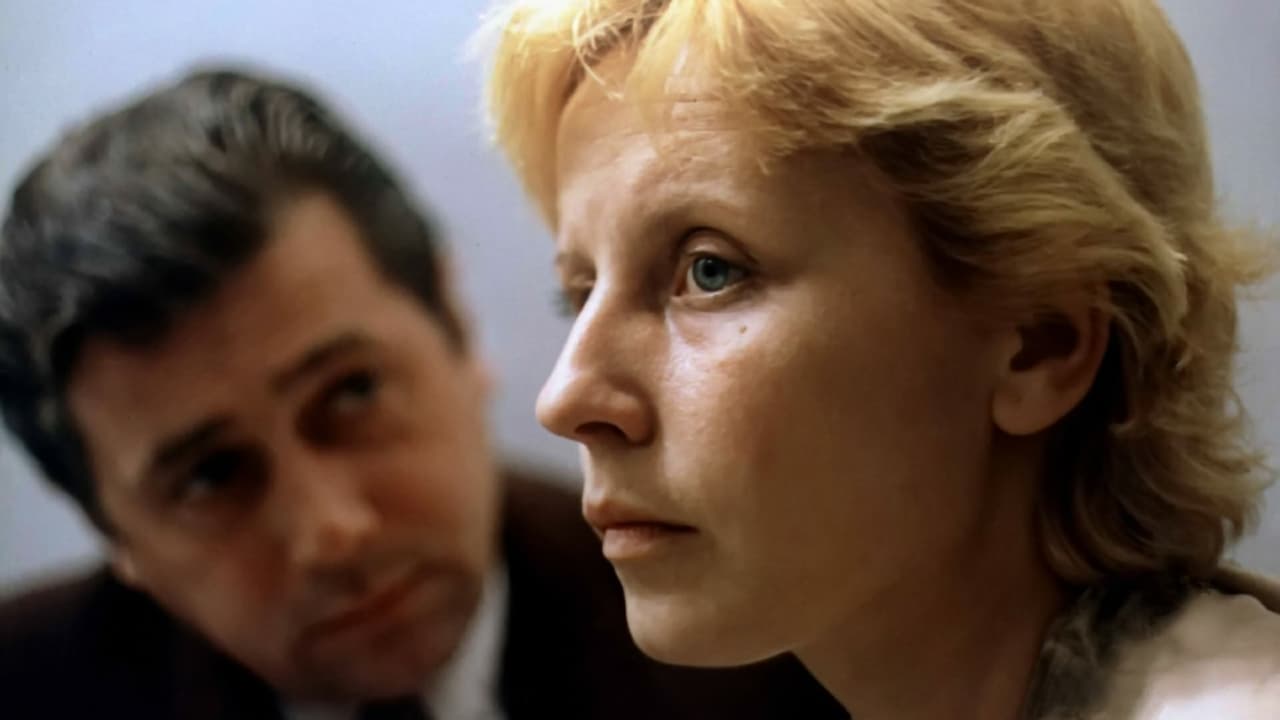
The premise is starkly simple, terrifyingly plausible. Tonia (played by the absolutely incendiary Krystyna Janda) is a cabaret singer, vivacious, apolitical, perhaps a little naive, enjoying life in early 1950s Stalinist Poland. After a drunken night out, she's abruptly arrested by the Urząd Bezpieczeństwa (UB), the secret police. She has no idea why. Her captors demand she confess to unspecified crimes and implicate a former lover. Tonia refuses. And so begins a relentless, soul-destroying process of psychological and physical torture designed to break her spirit entirely.
What unfolds is less a traditional narrative and more an endurance test, both for Tonia and the viewer. We are locked in the claustrophobic prison cells and interrogation rooms with her, witnessing the calculated cruelty, the manipulation, the slow erosion of hope. Bugajski, who also wrote the screenplay, doesn't flinch from depicting the brutality, but the film's true power lies not just in the physical torment, but in the sustained psychological assault. How do you maintain your identity when the state apparatus is solely dedicated to shattering it?
The Unbreakable Spirit
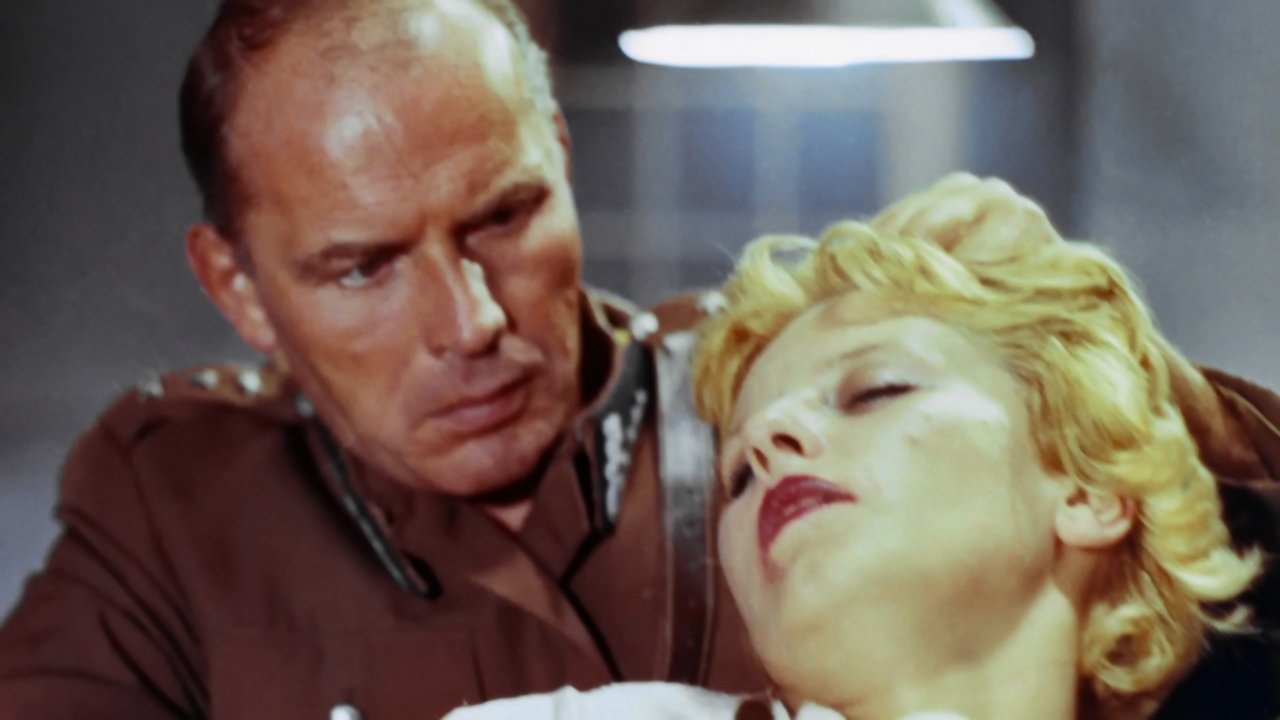
At the heart of Interrogation's enduring power is Krystyna Janda's monumental performance. It’s a portrayal of such raw, unvarnished humanity under duress that it feels less like acting and more like bearing witness. Janda embodies Tonia's initial bewilderment, her flashes of defiance, her moments of despair, her desperate clinging to sanity, and ultimately, her stubborn refusal to be completely extinguished. There's no vanity, no attempt to soften the edges; we see the physical toll, the terror, the rage, but also the flickering ember of an indomitable will. It’s a performance that rightly earned her the Best Actress award at the 1990 Cannes Film Festival (shared with Grażyna Szapołowska, though Janda's win is almost singularly associated with this role). You watch her and understand implicitly why this film was deemed so dangerous. Her resilience is itself a potent political statement.
A Film Too Real
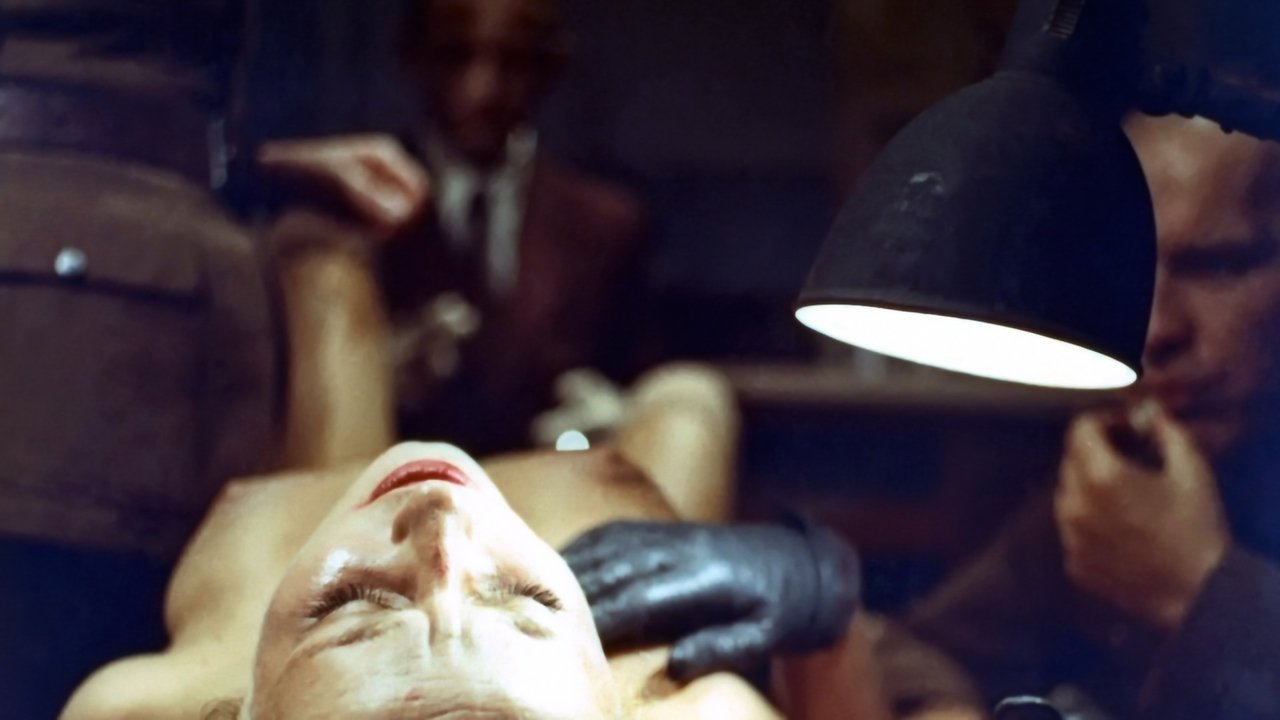
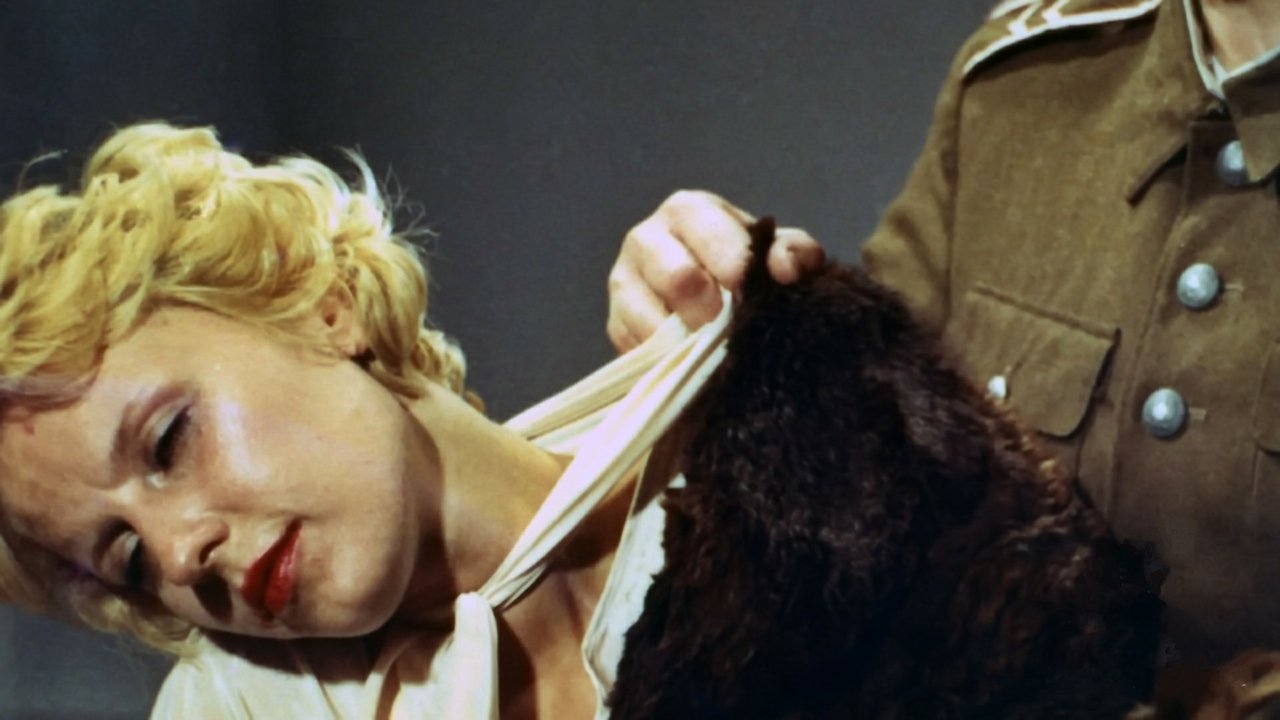
The story behind Interrogation is almost as compelling as the film itself. Shot in 1982 during a brief relaxation of censorship before the imposition of martial law in Poland, it was immediately banned upon completion. The authorities were horrified by its direct, unflinching portrayal of the abuses of the Stalinist era – a period the communist government preferred to keep shrouded in euphemism and silence. For seven years, the film existed only in secret screenings and illicit VHS copies circulating underground, becoming a symbol of artistic resistance. Its eventual official release in late 1989, as the Iron Curtain crumbled, was a watershed moment for Polish cinema.
Knowing this context transforms the viewing experience. The grim, utilitarian production design, the oppressive greys and browns of the prison – these aren't just stylistic choices; they feel like authentic reflections of a grim reality. Bugajski's direction is stark and focused, keeping the camera tight on Tonia, emphasizing her isolation and the suffocating pressure of her confinement. There are strong supporting performances too, particularly from Adam Ferency as the conflicted Lieutenant Morawski and Janusz Gajos as the chillingly pragmatic Major Zawada "Kapielowy," but Janda remains the undeniable anchor.
Why It Lingers
Interrogation is not an easy watch. It's demanding, emotionally draining, and forces confrontation with uncomfortable truths about the capacity for state-sanctioned cruelty. Yet, it's also profoundly moving. Tonia's struggle raises fundamental questions: What is the breaking point of the human spirit? What does it take to retain one's dignity when stripped of everything else? The film offers no simple answers, but its exploration of these themes feels vital and necessary. It’s a potent reminder of the importance of dissent and the courage it takes to speak truth to power, even when the personal cost is immense.
The film's journey from banned artefact to celebrated classic is a testament to its power. It bypassed the censors, literally smuggled out on tape, finding its audience through the very networks the authorities sought to control. Does any film better encapsulate the spirit of finding hidden, forbidden gems in the aisles of a particularly adventurous video store, or through hushed recommendations from fellow cinephiles?
Rating: 9/10
This high rating reflects the film's historical significance, its courageous production circumstances, and above all, Krystyna Janda's towering, unforgettable performance. While the subject matter makes it a challenging viewing experience, its power, authenticity, and importance are undeniable. It’s a film that stays with you long after the credits roll, a stark testament to resilience smuggled into our world, often via the humble VHS tape.
Interrogation isn't just a relic of the Cold War; it’s a timeless story about the fight for individual integrity against overwhelming force, a fight that continues to resonate today. It demands to be seen, remembered, and discussed.