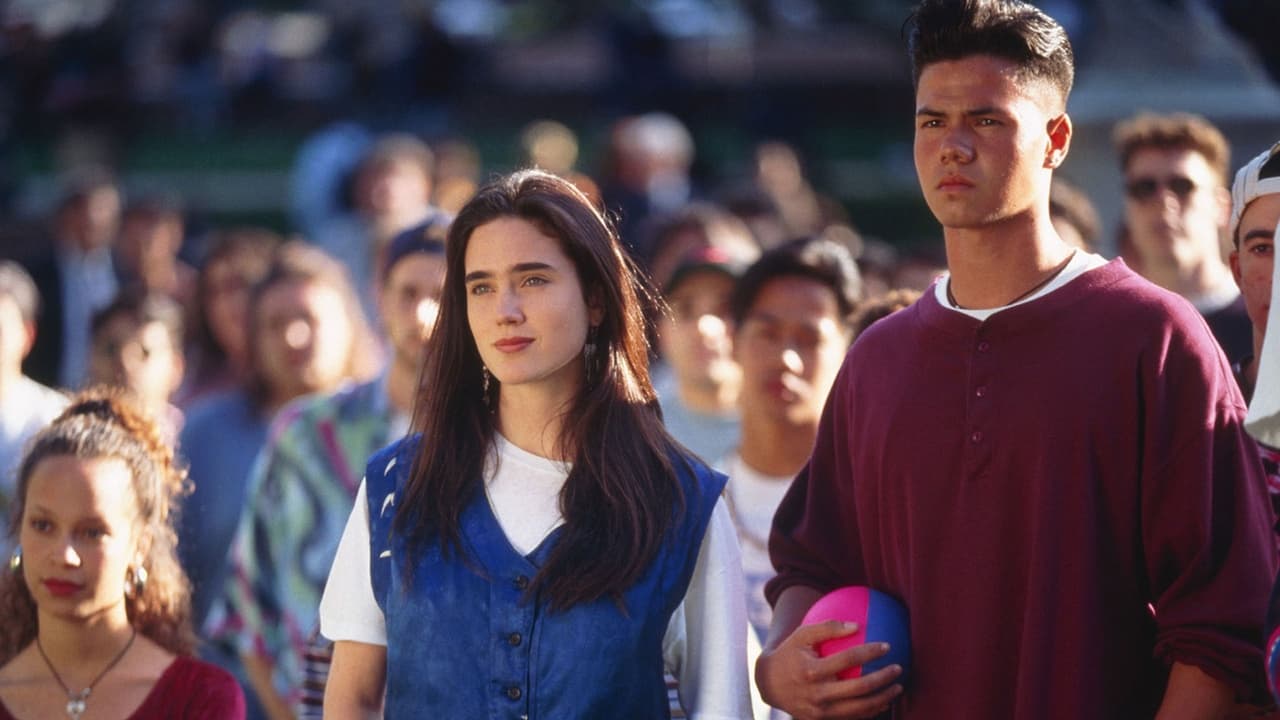
It arrives like a jolt – the opening montage of John Singleton’s Higher Learning (1995). Not the slow burn of his seminal Boyz n the Hood (1991), but a kinetic, almost frantic introduction to Columbus University, a fictional campus teeming with a volatile cross-section of America circa the mid-90s. Watching it again now, decades removed from pulling that distinctive Columbia TriStar VHS tape from the shelf at Blockbuster, the film feels less like a nostalgic trip and more like an unsettlingly prescient snapshot. It’s a film that wasn't afraid to grab difficult, complex issues by the throat, even if it sometimes struggled to hold onto them all.
A Campus Crucible
Singleton, barely out of his twenties but already a landmark director, paints Columbus University not as an idyllic ivory tower, but as a pressure cooker. We follow three freshmen navigating this charged environment: Malik Williams (Omar Epps), a promising track star grappling with academic pressures and racial friction; Kristen Connor (Kristy Swanson), exploring her identity and confronting the harrowing reality of campus sexual assault; and Remy (Michael Rapaport), a lonely, aimless kid from Idaho who tragically finds direction within a neo-Nazi group. Their paths intertwine and collide, reflecting the broader societal tensions Singleton aimed to dissect. There's an earnestness here, a raw desire to say something important about race, identity, violence, and the search for belonging that feels distinctly Singleton.
Performances Forged in Fire
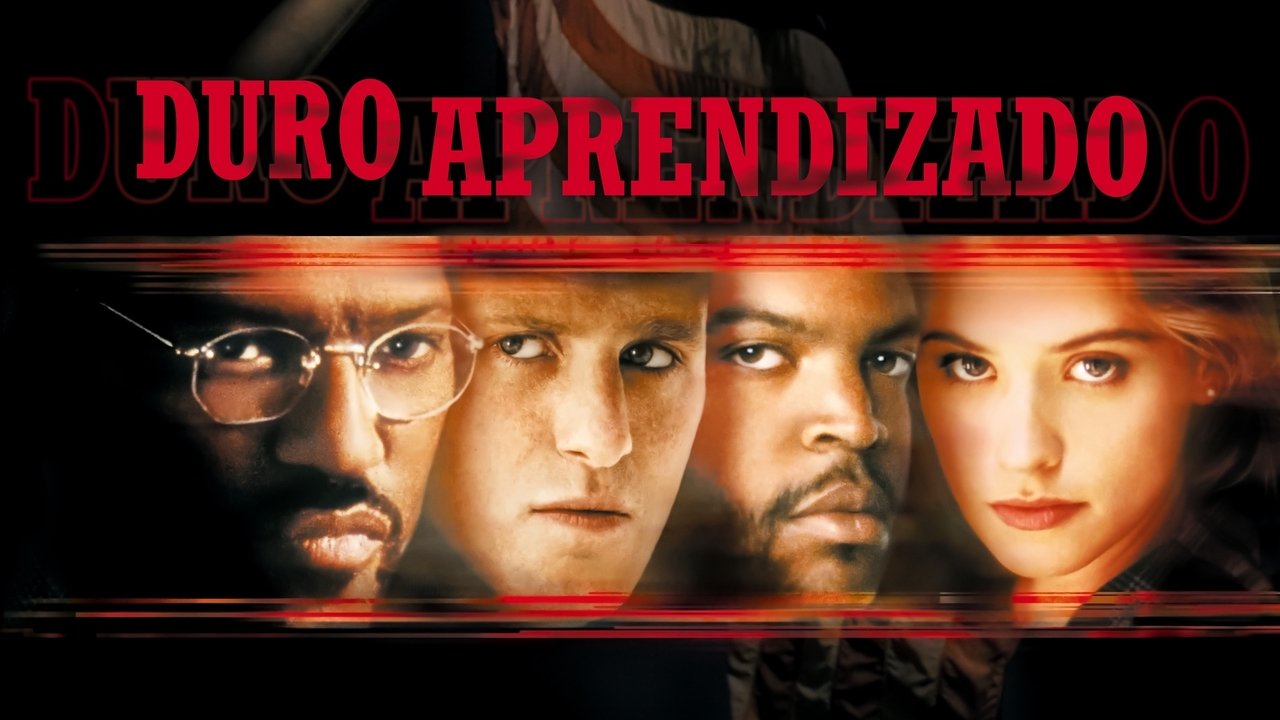
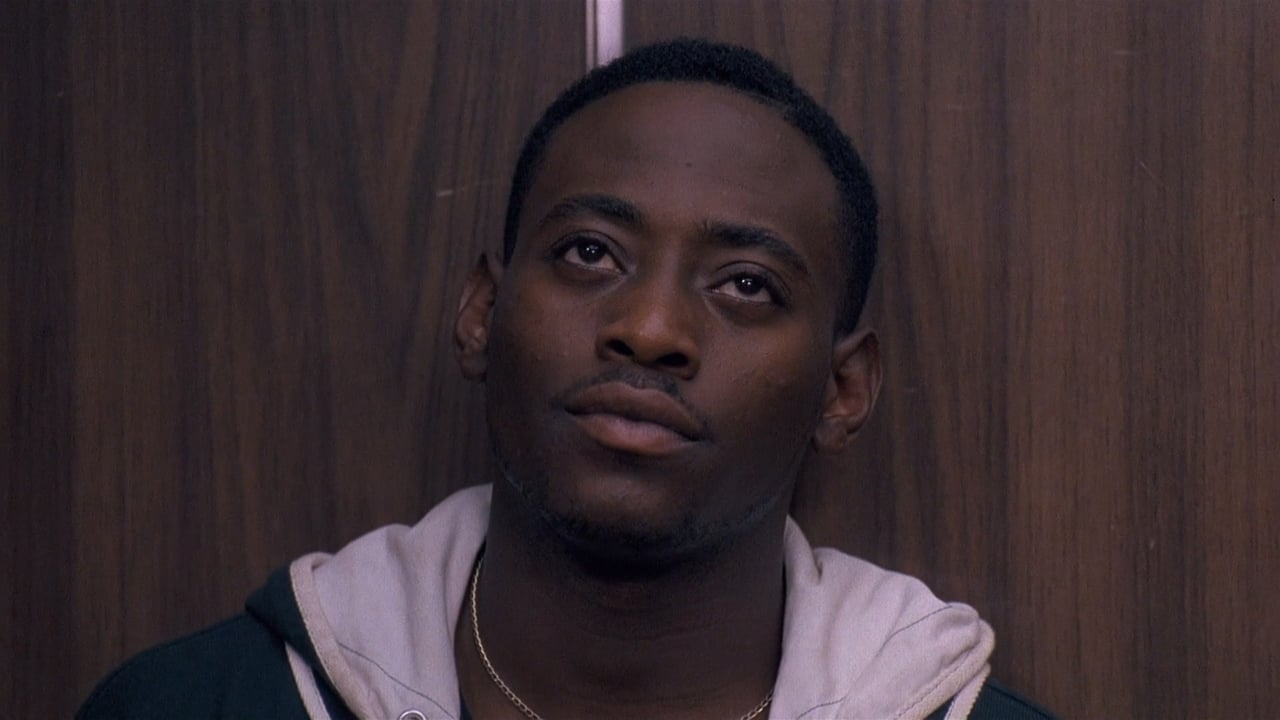
The film rests heavily on its young leads, and they deliver performances that feel authentic to the anxieties of that age. Omar Epps brings a simmering intensity to Malik, conveying the weight of expectation and the frustration of being judged before he even speaks. His confrontations crackle with genuine anger and vulnerability. Kristy Swanson, often remembered for lighter fare like Buffy the Vampire Slayer (1992), handles Kristen's traumatic storyline with sensitivity, portraying her journey from naive newcomer to politicized survivor with believable strength. Perhaps most challenging is Michael Rapaport’s Remy. It’s an uncomfortable, difficult role, tracing a path from awkward alienation to hateful extremism. Rapaport doesn't shy away from Remy's pathetic nature, making his radicalization feel disturbingly plausible, a descent born of isolation and a desperate need for acceptance, however twisted. Supporting roles from Jennifer Connelly, Ice Cube (bringing his signature intensity as a "fifth-year senior"), and an early appearance by Tyra Banks add layers to the campus tapestry.
Singleton's Urgent Vision
You can feel John Singleton's fierce intelligence and passionate urgency behind the camera. He uses the university setting – much of it filmed on the recognizable grounds of UCLA – as a microcosm to explore the fractures in American society. He wasn't just making a movie; he was trying to spark a conversation, maybe even issue a warning. This ambition is palpable, particularly in the presence of Laurence Fishburne as Professor Maurice Phipps. Fishburne, reuniting with Singleton after Boyz, embodies the film's intellectual core, delivering pronouncements on history, power, and self-knowledge with immense gravity. His lecture scenes are magnetic, offering moments of clarity amidst the rising chaos. Remember his line, "Without struggle, there is no progress"? It resonates long after the credits roll.
Echoes from the Assembly Line
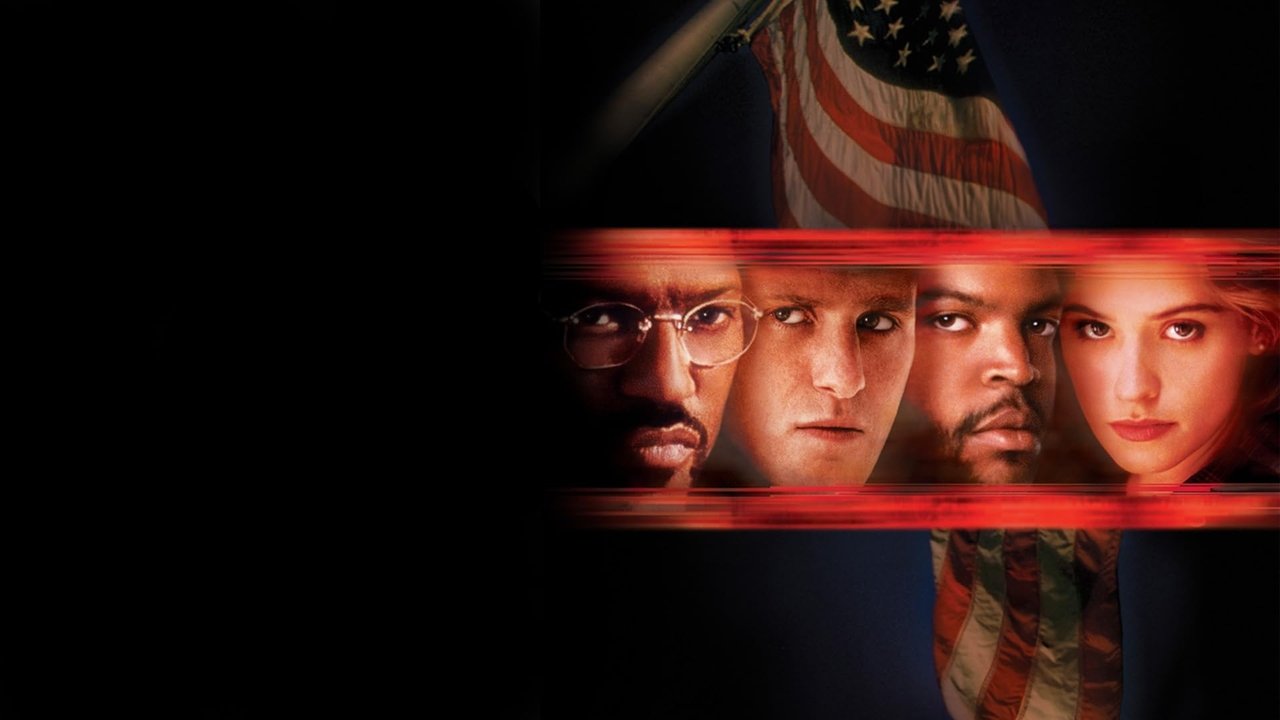
Digging into the production adds another layer to appreciating Higher Learning. Singleton explicitly stated he wanted the film to serve as a wake-up call about the tensions brewing on campuses and across the country. Made for around $10 million, it performed respectably, pulling in over $38 million at the box office – a testament to its provocative nature striking a chord, even amidst mixed critical reviews that found it occasionally heavy-handed or schematic. The soundtrack, featuring artists like Ice Cube, Rage Against the Machine, and Tori Amos, wasn't just background noise; it was an integral part of the film's mid-90s pulse, reflecting the diverse and often conflicting energies on display. While the film’s violent climax was shocking, it felt like the inevitable endpoint Singleton had been building towards, a brutal punctuation mark on his thesis about unaddressed hate.
Still Asking the Hard Questions
Does Higher Learning feel dated? In some ways, perhaps inevitably. The fashion, the specific cultural references, the sheer earnestness – they anchor it firmly in the 90s. Yet, the core issues it tackles – systemic racism, the vulnerability of young people searching for identity, the dangers of extremism finding fertile ground in loneliness, the trauma of sexual assault – remain painfully relevant. Watching it today prompts uncomfortable questions: Have we really made the progress Professor Phipps spoke of? How different, truly, are the campus dynamics and societal pressures now? The film doesn't offer easy answers, and perhaps its enduring power lies in its refusal to do so. It forces reflection, pushes buttons, and demands engagement in a way few mainstream films dared to then, or even now. It wasn't always subtle, but its heart and its righteous anger were undeniably potent, especially experienced on that flickering CRT screen via a well-worn VHS tape.

Rating: 7/10
Higher Learning is an ambitious, impassioned, and deeply flawed film that remains significant. Its narrative occasionally strains under the weight of its intersecting storylines and sometimes didactic approach, preventing it from achieving the focused perfection of Boyz n the Hood. However, its courageous confrontation of difficult themes, strong central performances, and Singleton's undeniable directorial voice make it essential viewing. It captured a specific mid-90s anxiety with raw power, and its questions still echo forcefully today.
It leaves you pondering not just the fates of its characters, but the state of the 'higher learning' we are all supposedly engaged in, both on campus and off.