There's a certain quiet dread that settles over you while watching Silkwood. It's not the jump-scare tension of a horror flick, but something far more insidious – the slow-burn anxiety of ordinary people caught in extraordinarily dangerous circumstances. Rewatching it now, decades after first sliding that tape into the VCR, that feeling hasn't diminished. If anything, the passage of time has only sharpened the edges of this potent 1983 drama, a film that dared to look unflinchingly at the human cost of corporate negligence long before such stories became commonplace.

Under a Nuclear Shadow
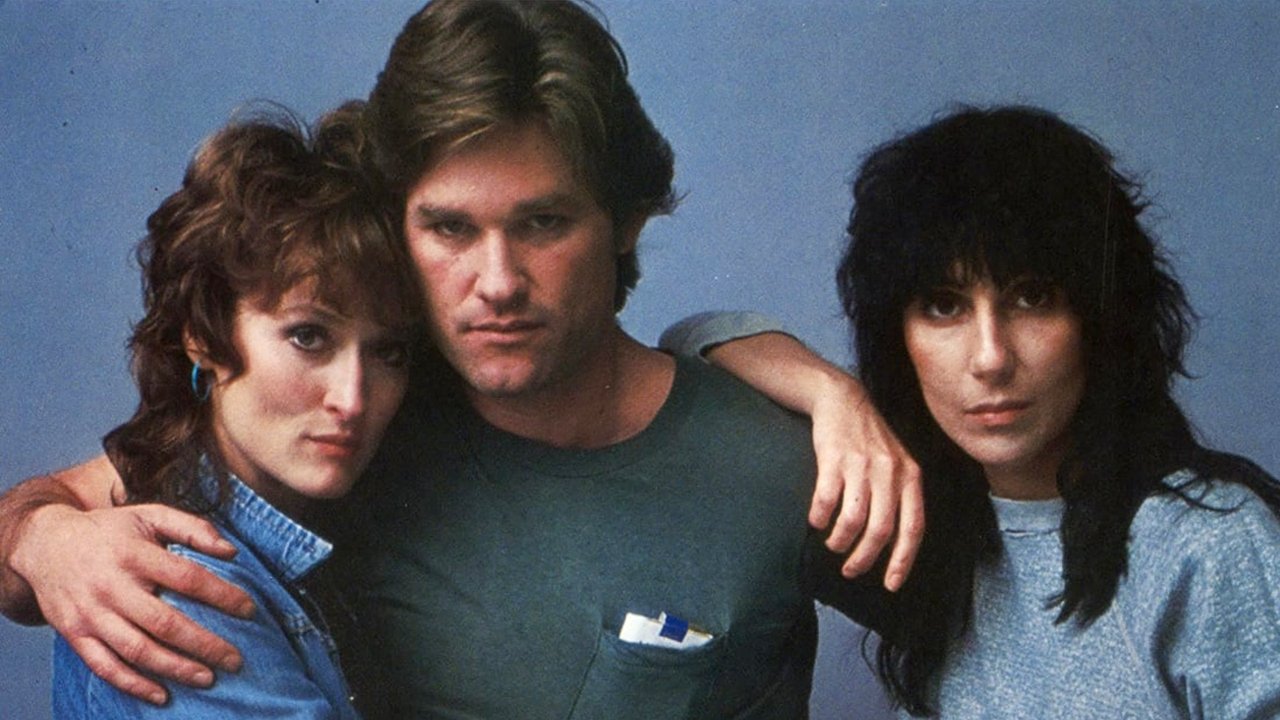
Directed with remarkable restraint by Mike Nichols – a filmmaker often associated with sharper comedies like The Graduate (1967) or later, Working Girl (1988) – Silkwood immerses us in the dusty, working-class world of Cimarron, Oklahoma. We meet Karen Silkwood (Meryl Streep), Drew Stephens (Kurt Russell), and Dolly Pelliker (Cher), three workers at the Kerr-McGee plutonium processing plant. Their lives are a familiar rhythm of shift work, shared beers, casual intimacy, and simmering frustrations. Nichols, working from a sharp, observant script by Nora Ephron and Alice Arlen, refuses to romanticize their existence. The peeling paint, the cluttered kitchens, the easy camaraderie – it all feels strikingly authentic, grounding the looming danger in palpable reality. I recall renting this back in the day, perhaps expecting something more conventionally thrilling, and being struck instead by its deliberate pacing and almost documentary-like feel. It wasn't escapism; it was an unsettling immersion.
A Star Turns Chameleon
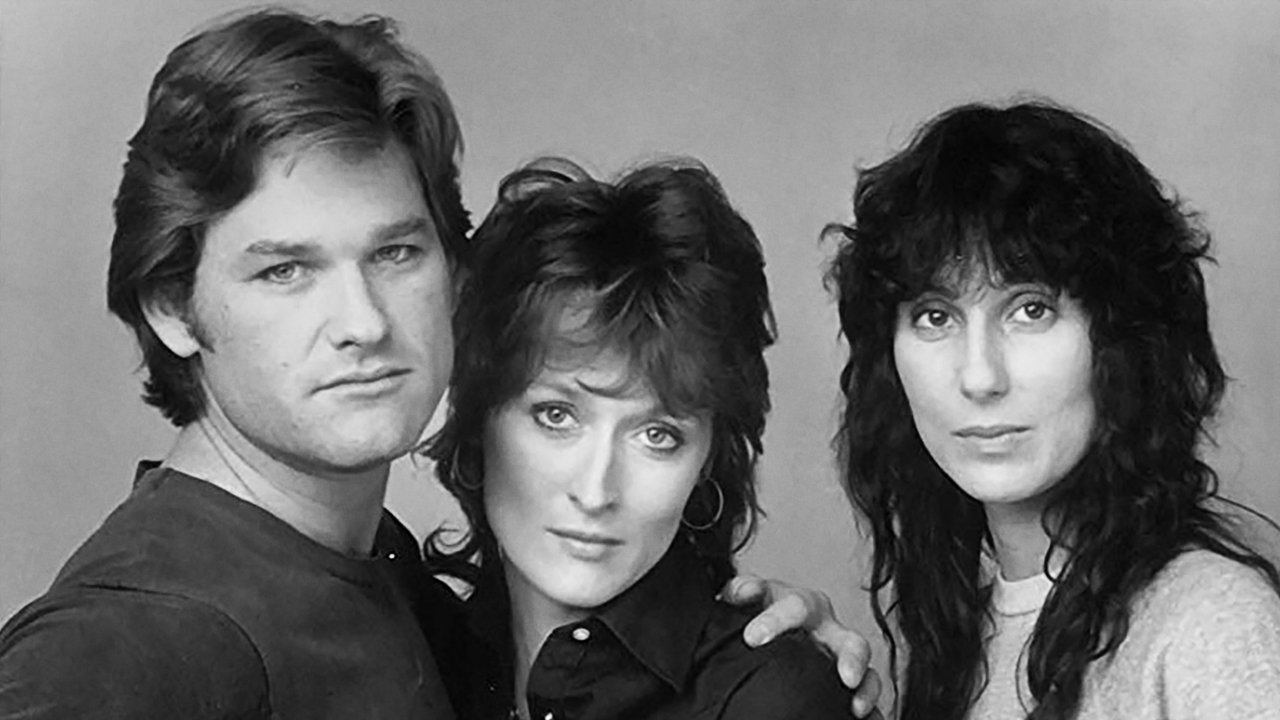
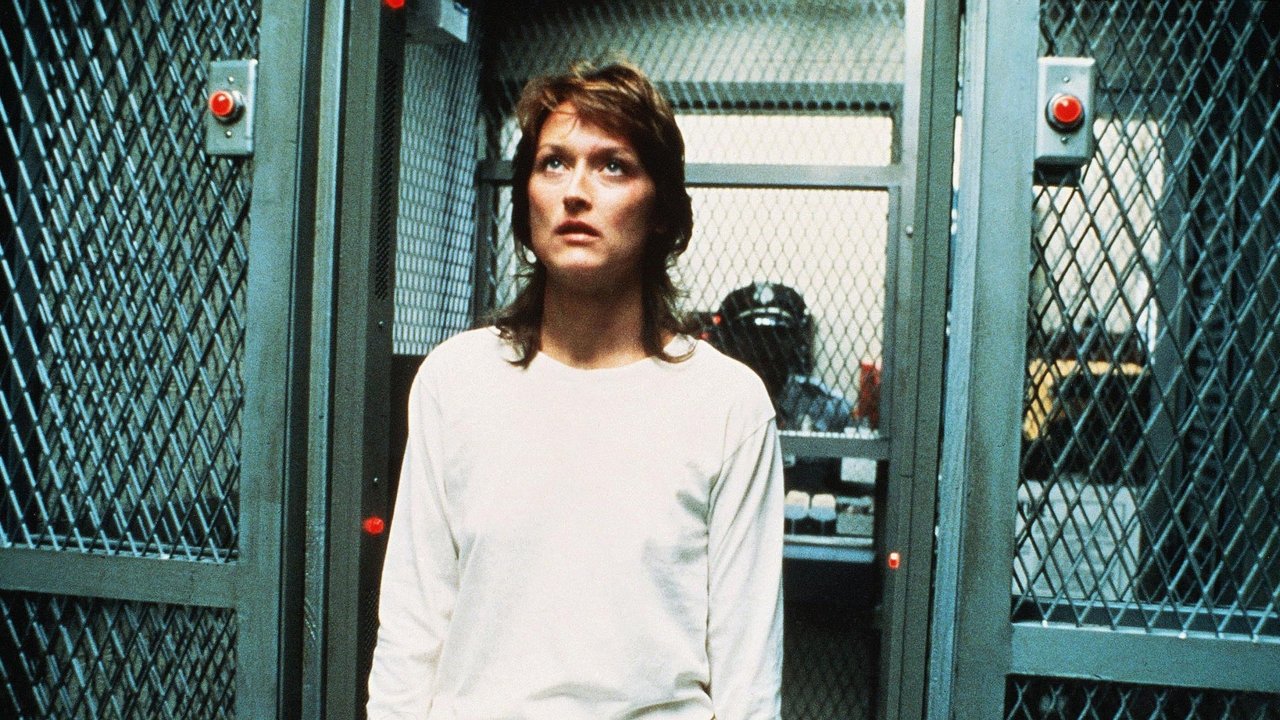
At the heart of it all is Meryl Streep's powerhouse performance as Karen Silkwood. This wasn't the polished Streep of later years; this was raw, transformative work. She embodies Karen not as a plaster saint, but as a complex, often difficult woman – impulsive, messy in her personal life, yet possessing an undeniable core of defiant integrity. When she stumbles upon evidence of dangerous safety violations and potential cover-ups at the plant, her gradual transformation from disgruntled employee to determined whistleblower feels utterly earned. Streep reportedly spent considerable time with Silkwood's family and friends, absorbing the nuances of the real woman, and it shows. She disappears into the role, capturing Karen's chain-smoking nervousness, her moments of vulnerability, and her burgeoning, almost accidental courage. It’s a performance devoid of vanity, focused entirely on conveying the truth of the character.
Unexpected Authenticity
Equally impressive are the supporting players. Kurt Russell, already a familiar face from action fare like Escape from New York (1981), brings a weary warmth to Drew, Karen's conflicted boyfriend. He’s torn between his love for her and his fear of the forces she’s confronting. His chemistry with Streep is tangible, creating a believable portrait of a relationship strained by extraordinary pressure. And then there's Cher. In a casting choice that initially raised eyebrows, Cher delivers a stunningly understated and deeply affecting performance as Dolly, their lesbian housemate who carries her own burdens with quiet dignity. Her portrayal earned her a well-deserved Academy Award nomination for Best Supporting Actress and proved she was far more than just a pop icon. Apparently, she and Streep became fast friends during the production, a connection that perhaps contributes to the effortless naturalism of their shared scenes. It's these relationships, depicted with such honesty, that prevent the film from becoming just a procedural about corporate malfeasance. It remains fundamentally human.

The Story Behind the Story
Based on a harrowing true story, the production itself wasn't without challenges. Tackling the politically charged subject of nuclear safety and corporate accountability in the early 80s was a bold move for a major studio. The filmmakers shot on location in Texas and Oklahoma, striving for authenticity, though understandably not at the actual Kerr-McGee facility. The scenes depicting potential plutonium contamination are handled with a chilling matter-of-factness – the blaring alarms, the invasive scrubbing procedures – becoming terrifying through their sheer bureaucratic horror rather than overt melodrama. This commitment to realism, even in the face of a sensitive and potentially litigious subject, is a testament to Nichols' vision and the conviction of the entire team. The film wasn't a massive box office smash (earning around $13.6 million domestically on a roughly $10 million budget), but its critical acclaim and five Oscar nominations cemented its importance.
Lingering Questions
Silkwood doesn't offer easy answers or triumphant victories. Karen's real-life story ended tragically and mysteriously, a fact the film honours with a somber, ambiguous conclusion that leaves a knot in your stomach. What lingers isn't just the injustice, but the bravery of an ordinary person who refused to stay silent. Doesn't her struggle raise questions about the personal sacrifices required to challenge powerful systems – questions that feel perhaps even more relevant today? The film forces us to confront uncomfortable truths about the potential cost of progress and the importance of individual conscience. It avoids easy sentimentality, presenting Karen's activism as messy, frightening, and ultimately, profoundly necessary.
---
Rating: 9/10
This rating reflects the film's exceptional performances, particularly Streep's masterclass in immersive acting, Mike Nichols' skillful, restrained direction, and the script's intelligent, unflinching portrayal of a complex true story. Its atmosphere is palpable, and its themes resonate powerfully decades later. It loses a single point perhaps only for a deliberately measured pace that might test the patience of viewers expecting a faster thriller, but this pacing is arguably essential to its realism and impact.
Silkwood remains a vital piece of 80s cinema – a sobering, brilliantly acted drama that stays with you long after the credits roll, prompting reflection on courage, consequence, and the enduring fight for truth. It’s a tape well worth revisiting.