Okay, pull up a comfortable chair, maybe pour yourself something thoughtful. We're digging a bit deeper into the archives today, past the neon glow of the action aisle and the lurid covers of the horror section, to a film that might have sat quietly on the 'World Cinema' or 'Drama' shelf of your local video store, radiating a quiet intensity: Stijn Coninx's powerful 1992 historical drama, Priest Daens (often simply Daens). This isn't your typical Friday night popcorn fare, but for those of us who occasionally sought something more substantial between the explosions and punchlines, Daens offered a viewing experience that truly stays with you.
### The Weight of Witnessing
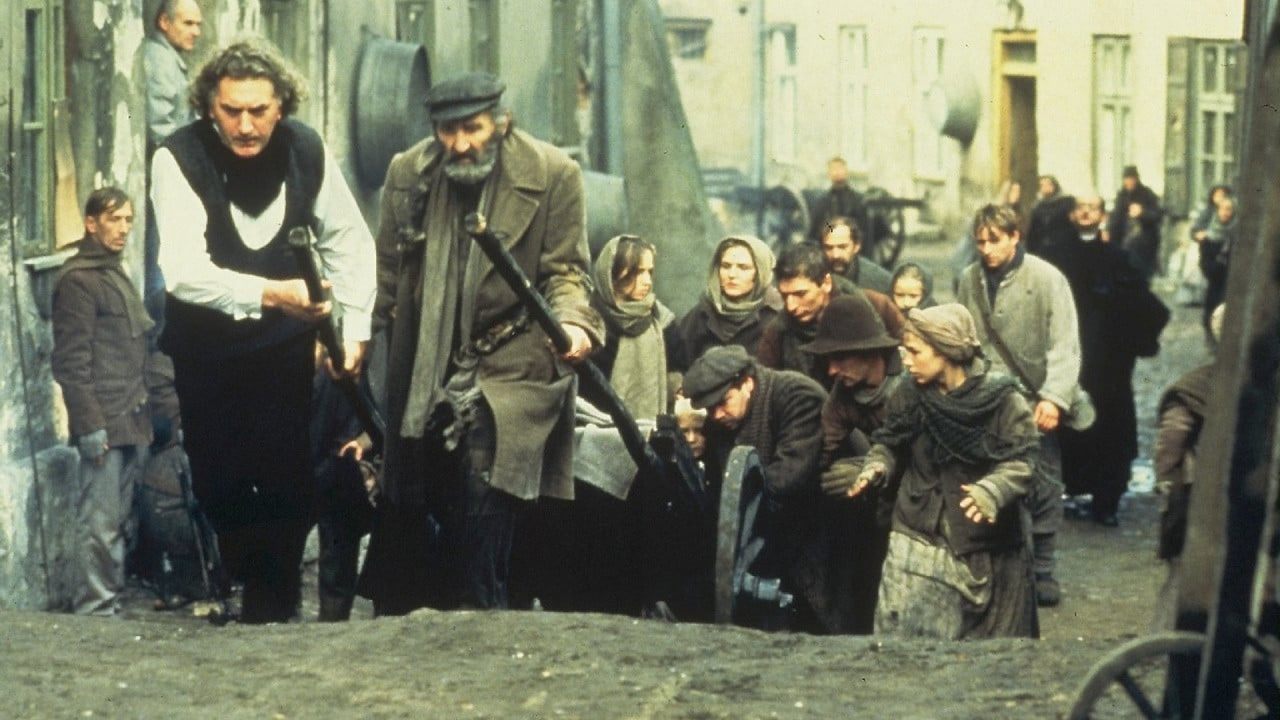
The film opens not with a bang, but with the oppressive clang and grime of late 19th-century Aalst, Belgium. Coninx wastes no time plunging us into the brutal reality of industrial exploitation. We see children, exhausted and endangered, working impossible hours in deafening textile mills, families crammed into squalid housing, and a stark, chilling divide between the impoverished masses and the callous indifference of the factory owners and political elite. It’s an atmosphere thick with coal dust and desperation, captured with a kind of unflinching, vérité-style realism that feels both historical and disturbingly immediate. What does it mean, the film seems to ask from the outset, to simply stand by and watch suffering unfold?
### A Reluctant Crusader
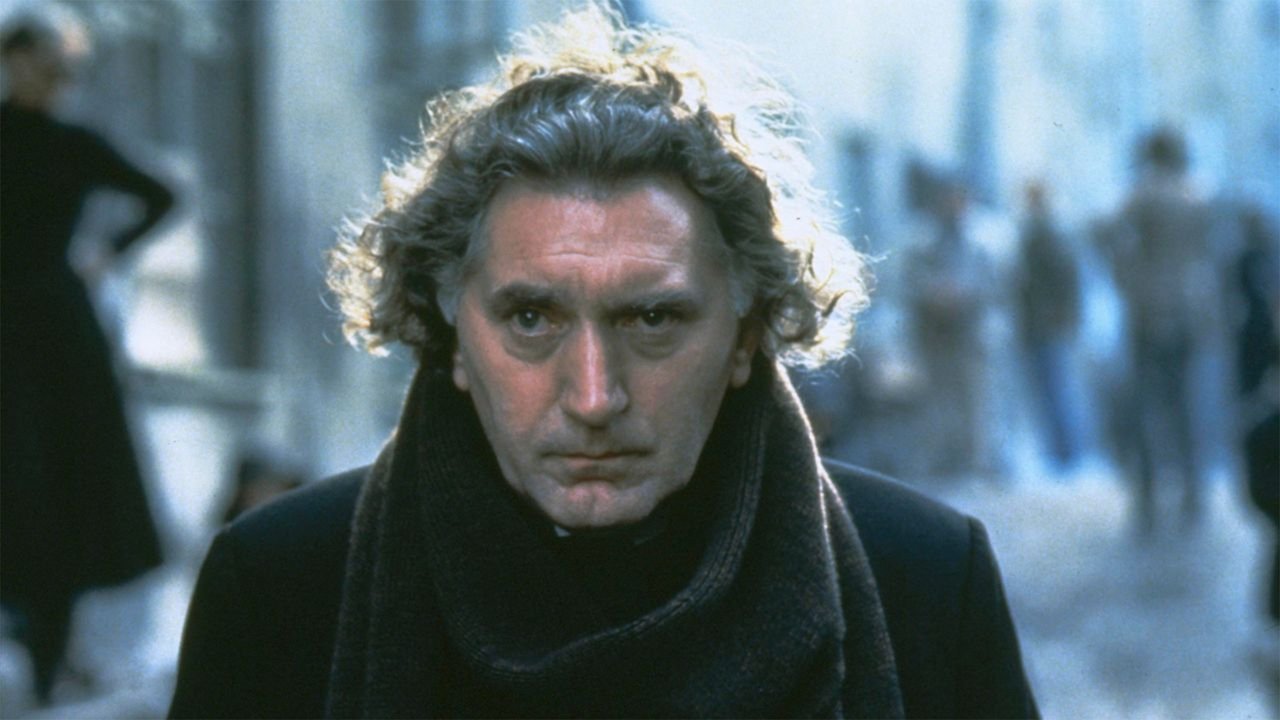
Into this cauldron steps Father Adolf Daens, portrayed with monumental gravity and humanity by the formidable Belgian actor Jan Decleir. This isn't the story of a born revolutionary; Daens is initially portrayed as a man of God, perhaps somewhat naive, returning to his hometown expecting to minister spiritually. But faced with the horrifying conditions endured by his flock – conditions directly upheld by the wealthy Catholic elite and politicians – his conscience ignites. Decleir embodies this transformation with incredible nuance. You see the shock, the dawning horror, the internal battle between obedience to a church hierarchy deeply intertwined with the exploiters, and the undeniable call to advocate for the voiceless. His performance isn't just acting; it feels like bearing witness. It's in his weary eyes, the set of his jaw, the quiet moments of prayer wrestling with righteous anger. We understand why this man, despite the immense personal cost, cannot turn away.
### More Than Just History
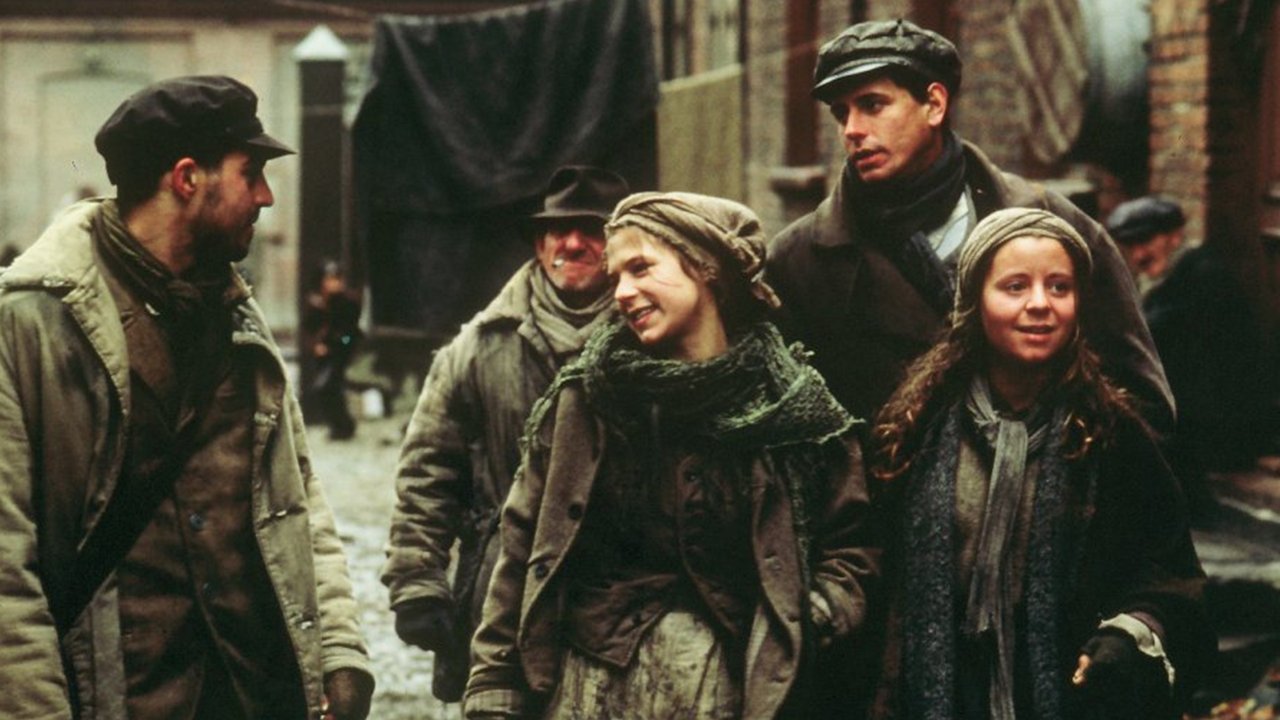
While firmly rooted in historical events – Daens was a real figure who founded the Christian People's Party (Christene Volkspartij) – the film transcends mere biographical recitation. It becomes a potent examination of systemic injustice, the corrupting influence of power, and the courage required to challenge the status quo. The antagonists, particularly the factory owner Schmitt, played with chilling conviction by Gérard Desarthe, aren't cartoon villains. They represent entrenched interests, rationalizing exploitation through the prism of economic necessity and social order. Their clashes with Daens, both verbal and political, crackle with tension, laying bare the uncomfortable truths about how societal structures can perpetuate cruelty. The inclusion of characters like Nette (Antje de Boeck), a young worker who embodies the suffering and resilience of the people, grounds the political struggle in tangible human cost. Her story provides the emotional anchor, reminding us precisely who Daens is fighting for.
### Crafting Authenticity
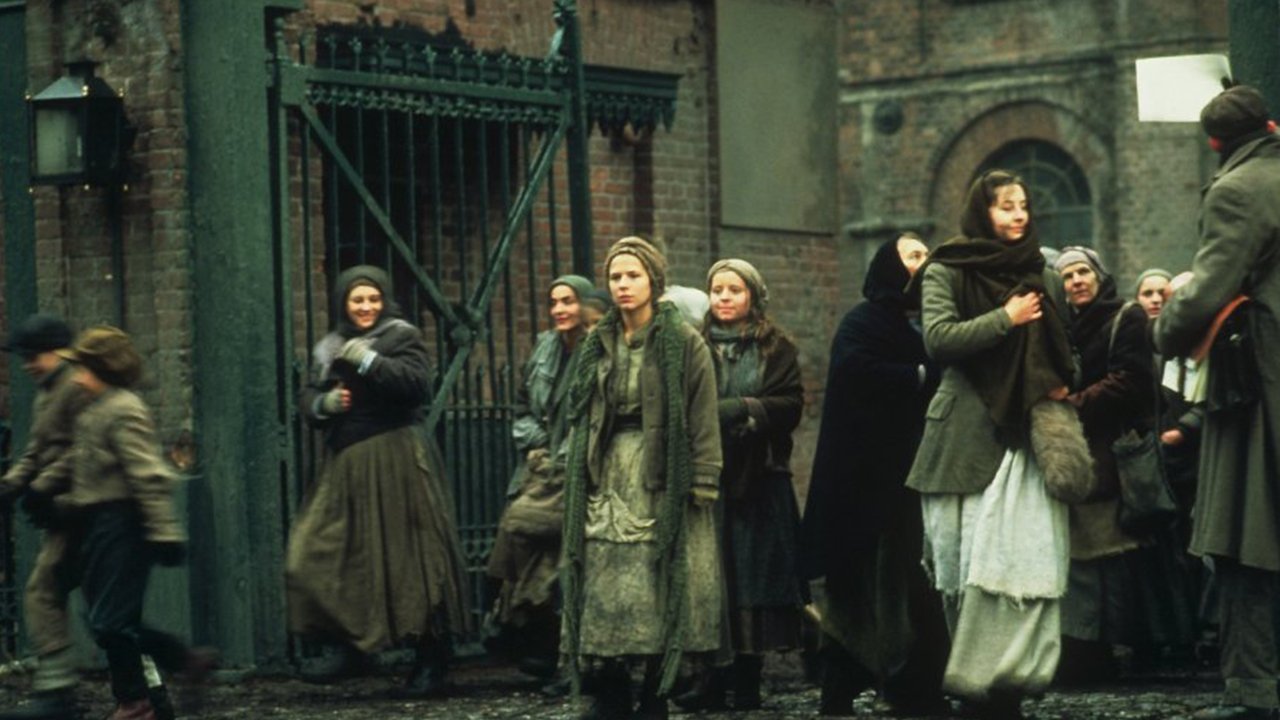
Director Stijn Coninx, who also co-wrote the screenplay, masterfully balances the epic scope of the social struggle with the intimate personal drama. The film feels authentic, from the meticulously recreated period details – the factories look genuinely dangerous, the poverty feels palpable – to the naturalistic performances he elicits from his large cast. It’s worth remembering this was a significant undertaking for Belgian cinema at the time, becoming a massive domestic success and earning a well-deserved Academy Award nomination for Best Foreign Language Film. That nomination itself speaks volumes about the film's power transcending language barriers. One interesting tidbit: the film's success reportedly caused renewed interest in Daens's actual political party and legacy within Belgium, a testament to its cultural impact beyond just being a movie. It wasn't just entertainment; it sparked national conversation.
### Why It Lingers
Watching Priest Daens today, perhaps decades after first encountering it on a grainy VHS tape, its themes feel remarkably resonant. The debates about workers' rights, economic inequality, the responsibility of institutions, and the courage of individuals confronting powerful systems – haven't these conversations remained central to our own times? The film doesn't offer easy answers. Daens faces setbacks, compromises, and betrayals. His fight is arduous, often isolating. Yet, there's an enduring power in his refusal to be silenced, in his insistence on human dignity above profit and political expediency. It forces us to consider: where do we see such struggles today, and what is our own role in them?

Rating: 9/10
Priest Daens is a demanding but profoundly rewarding film. Its unflinching portrayal of social injustice, anchored by Jan Decleir's towering performance and Stijn Coninx's assured direction, makes it a standout piece of 90s European cinema. The 9 rating reflects its exceptional quality, powerful storytelling, historical significance, and enduring thematic relevance. It might lack the instant gratification of other VHS-era staples, but its emotional and intellectual impact is far more lasting.
It’s a reminder that sometimes, the most vital stories found on those rental shelves weren't about escaping reality, but about confronting it head-on. A truly essential watch.