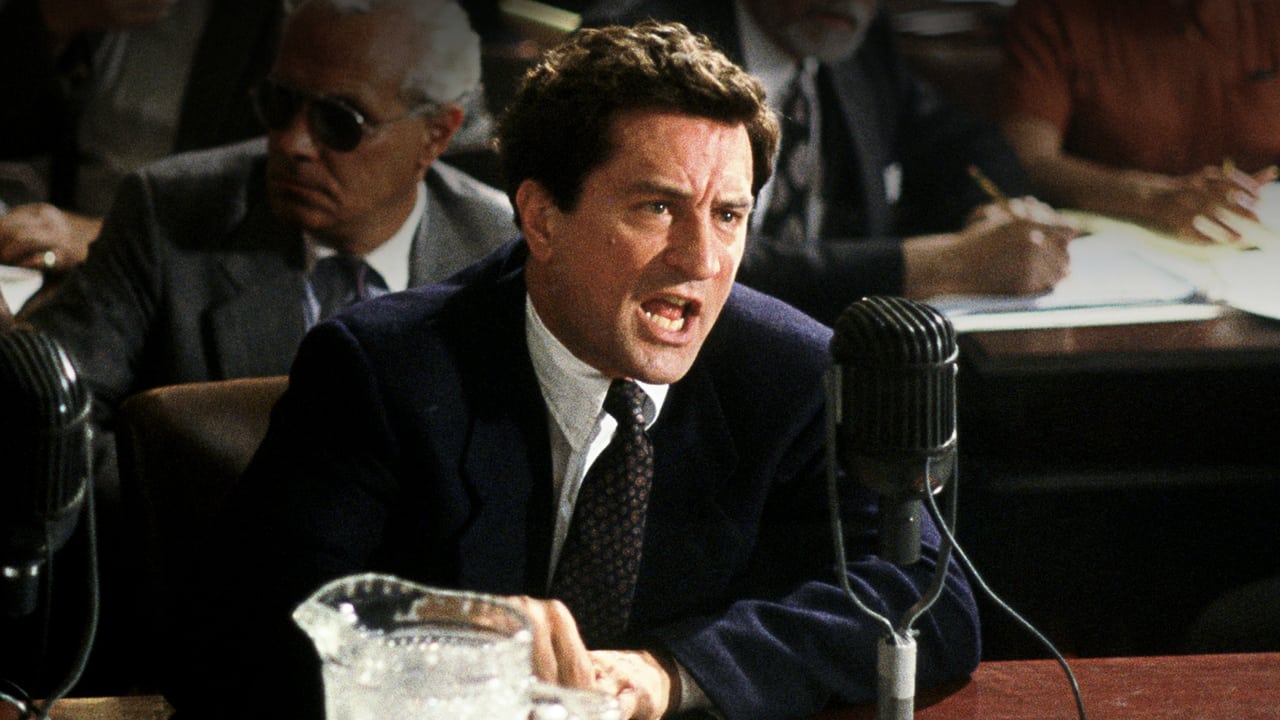
It often starts quietly, doesn't it? That creeping sense of unease, the feeling that the ground beneath your feet isn't quite as solid as you thought. Irwin Winkler's 1991 drama Guilty by Suspicion masterfully bottles that specific, chilling dread – the fear not of a monster under the bed, but of whispers in hallways, of unseen forces deciding your fate based on hearsay and association. Watching it again after all these years, pulling that worn VHS sleeve from the shelf, the film feels less like a historical document and more like a deeply personal exploration of what happens when choosing silence carries an unbearable cost.
A Past That Still Echoes
Set against the backdrop of the infamous Hollywood blacklist era in the late 1940s and early 1950s, the film plunges us into the life of David Merrill (Robert De Niro), a successful and respected film director returning from a stint working abroad. He lands back in Los Angeles expecting to pick up where he left off, only to find the industry gripped by the paranoia of the House Un-American Activities Committee (HUAC). The central conflict isn't one of bombs or bullets, but of conscience: Merrill is pressured to "name names" – implicate colleagues, friends, acquaintances – as having communist ties, often based on flimsy evidence or past associations. His refusal marks him, step by painful step, as an enemy in his own professional home.
It's a potent subject, and one wonders what drew Irwin Winkler, a titan producer behind classics like Rocky (1976) and Raging Bull (1980), to make this his directorial debut. Perhaps it was the inherent drama, or maybe a desire to reckon with a dark chapter his industry often preferred to forget. Interestingly, the project had roots stretching back decades, with Abraham Polonsky – himself a blacklisted writer and director (Force of Evil, 1948) – having penned an earlier version. Winkler ultimately wrote the final script, bringing a producer's eye for narrative clarity but also a palpable sense of empathy for his characters' plight.
De Niro's Measured Intensity
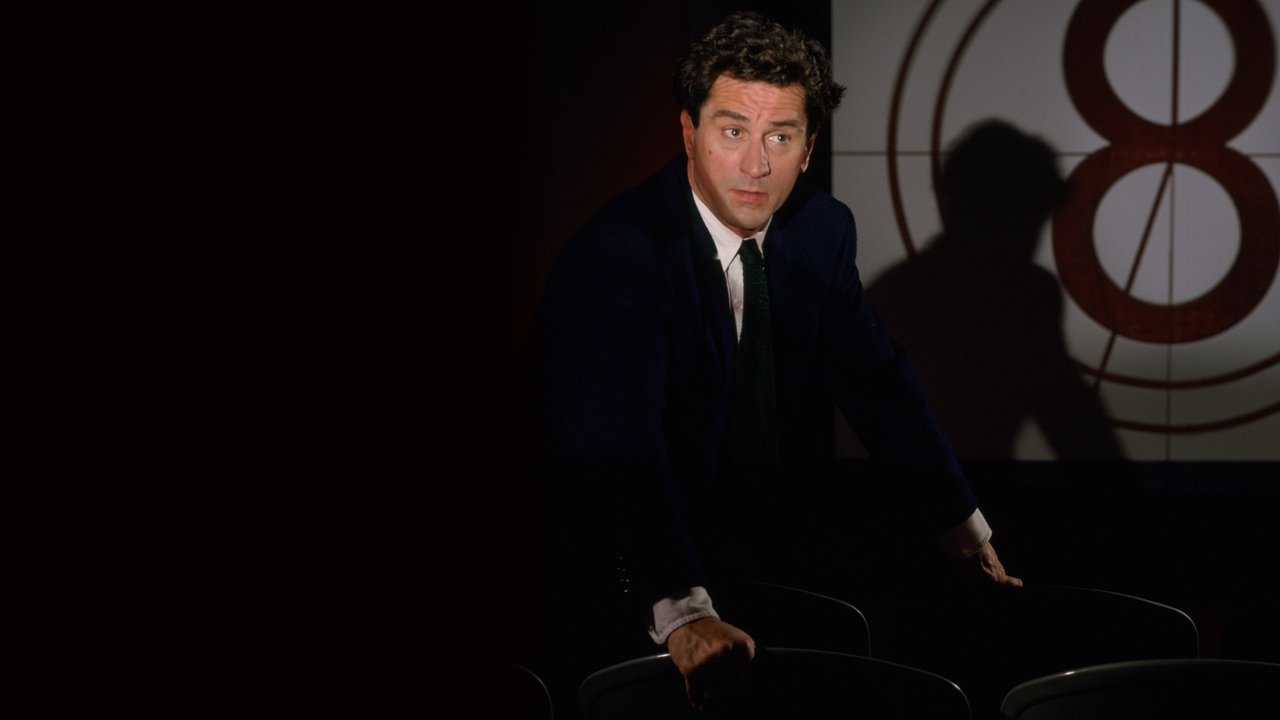
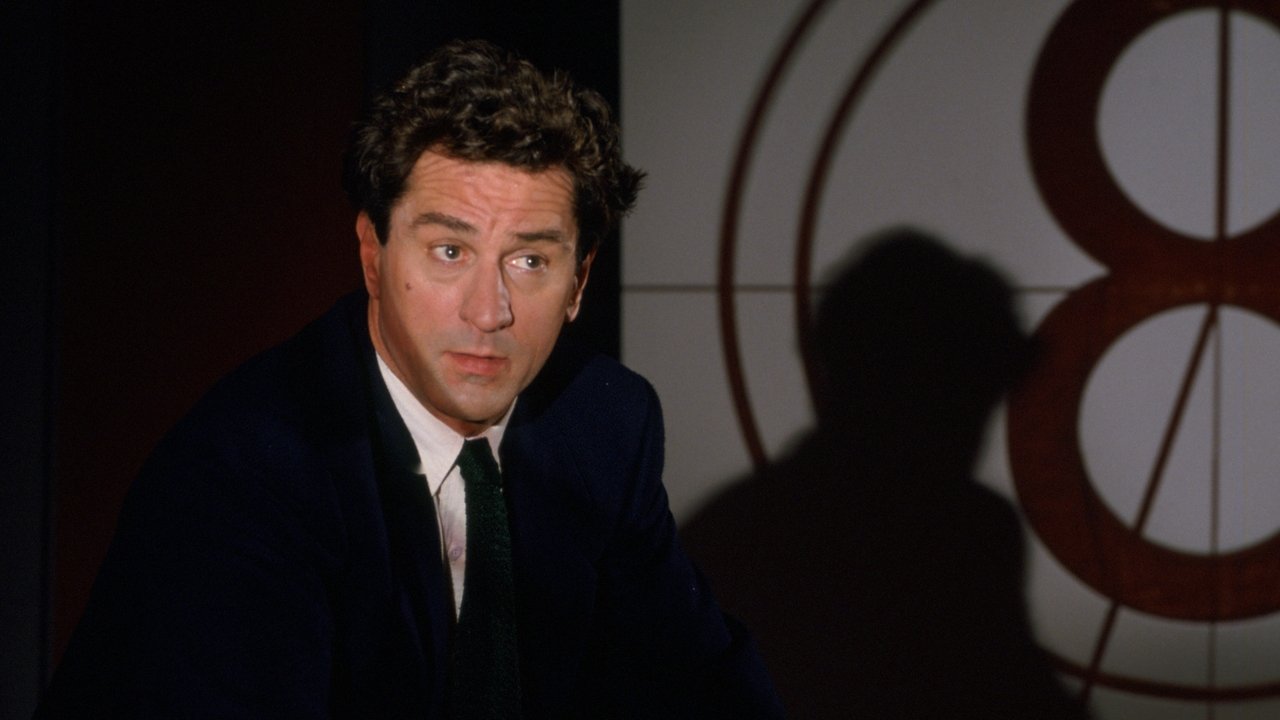
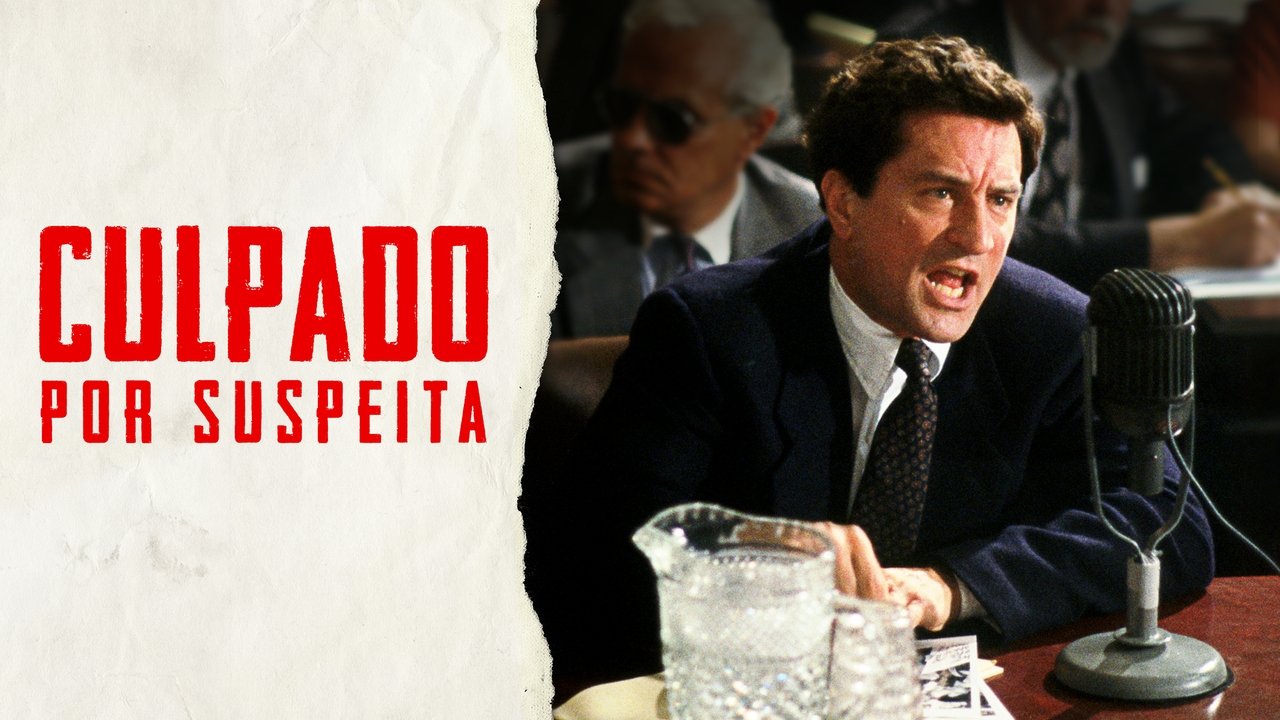
At the heart of the film's power lies Robert De Niro's performance. We know De Niro for his explosive transformations, his volatile energy in films like Taxi Driver (1976) or the aforementioned Raging Bull. Here, however, he offers something different: a portrait of quiet, simmering integrity under immense pressure. Merrill isn't a political firebrand; he's a craftsman, a family man who simply cannot bring himself to betray others to save his own skin. De Niro conveys the weight of this decision not through grand speeches, but through subtle shifts in expression, the weariness in his eyes, the slump of his shoulders as doors close one by one. It’s a performance built on internal struggle, making Merrill’s predicament feel achingly real. You see the calculation flicker – could he just name one or two people? – before his fundamental decency pulls him back from the brink. It’s a masterclass in contained power.
Faces in the Crowd
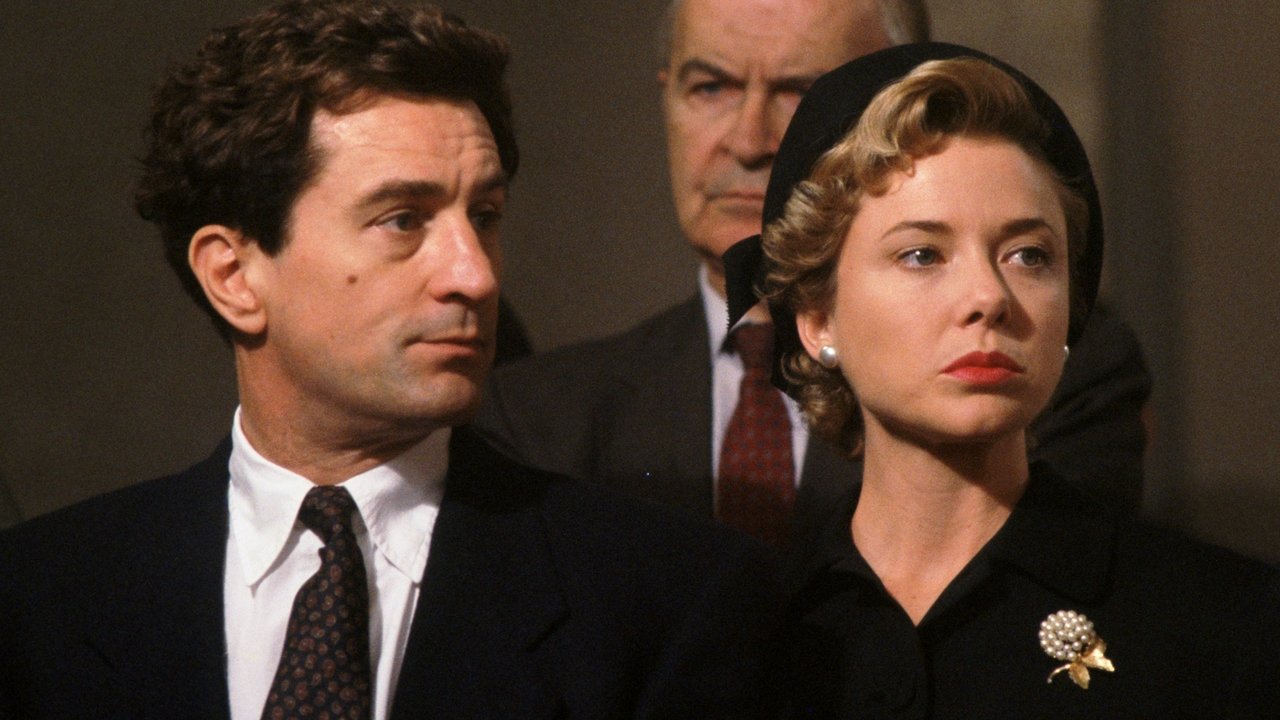
Surrounding De Niro is a strong ensemble cast. Annette Bening, as Merrill's estranged wife Ruth, provides the film's emotional anchor. Her journey from cautious distance to fierce loyalty is beautifully portrayed, reminding us of the personal toll these political battles took on families. And who could forget George Wendt? Seeing Norm from Cheers step into the shoes of Bunny Baxter, Merrill's jovial screenwriter friend whose life is tragically derailed by the blacklist, is initially jarring but ultimately incredibly effective. Wendt brings warmth and pathos to the role, making Baxter's fate one of the film's most poignant moments. There’s even a striking cameo from Martin Scorsese (director of De Niro's Goodfellas just the year before, 1990) as fellow director Joe Lesser, a man who chose the path of cooperation, embodying the compromises others made.
Crafting the Chill
Winkler, aided by the legendary cinematographer Michael Ballhaus (another Scorsese regular), creates an atmosphere thick with paranoia. The lighting often feels muted, shadows loom large, and seemingly innocuous conversations carry threatening undercurrents. The film avoids overt stylistic flourishes, instead relying on the claustrophobia of Merrill’s shrinking world – the studio lots that become hostile territory, the formerly friendly faces that turn away, the sterile, intimidating halls of the HUAC hearings. It’s a steady, deliberate build-up of pressure that mirrors the slow suffocation Merrill experiences. The production design subtly evokes the era without feeling like a museum piece; it feels lived-in, which makes the intrusion of political terror all the more jarring.
Behind the Curtain: Echoes of Reality
Guilty by Suspicion wasn't a box office smash – its reported $19 million budget yielded only about $9.5 million domestically, perhaps indicating audiences in 1991 weren't clamoring for a somber look back at McCarthyism. Yet, its inclusion at the Cannes Film Festival that year speaks to its artistic merit. While some critics felt it simplified the complex history, its power lies in personalizing the blacklist through Merrill’s relatable struggle. It serves as a compelling entry point into understanding the human cost of that era's political persecution. The film doesn't shy away from the devastating impact on individuals – careers destroyed, lives ruined, friendships shattered – all fueled by fear and suspicion.
What Price Integrity?
Watching Guilty by Suspicion today, perhaps after finding that dusty tape nestled between more explosive 90s fare, its central question resonates strongly. What does it truly mean to stand by your principles when the personal cost is so devastatingly high? Merrill’s choice isn’t presented as easy or heroic in a flashy sense; it’s portrayed as a deeply painful, isolating act of self-preservation – preserving his own sense of decency. Doesn't this quiet struggle force us to consider where our own lines are drawn? The film lingers not because of dramatic confrontations, but because of the unsettling truth it reflects about the fragility of freedom and the corrosive power of fear.
***
VHS Heaven Rating: 8/10
Justification: Guilty by Suspicion earns its high marks primarily through Robert De Niro's restrained yet powerful central performance and its effective, chilling portrayal of the Hollywood blacklist's suffocating atmosphere. Irwin Winkler crafts a thoughtful, well-paced drama that, while perhaps not revolutionary in its approach, treats its serious subject matter with respect and emotional honesty. Strong supporting turns from Annette Bening and George Wendt bolster the human element. While it might lack the fiery complexity of some historical accounts, its focus on personal integrity under pressure gives it enduring relevance and makes it a standout drama from the early 90s video store shelves.
Final Thought: In an era often remembered for action heroes and broad comedies, Guilty by Suspicion stands as a quiet testament to the power of moral conviction, leaving you pondering the chilling ease with which fear can turn neighbor against neighbor.