"There's always free cheese in a mousetrap." That line, spat out early on, isn't just dialogue; it's the mission statement for The Way of the Gun. Forget heroism, forget clear-cut morality. This 2000 neo-western crime thriller drops you straight into a sun-baked landscape of desperation and bad decisions, leaving a residue of grime and gunpowder long after the credits roll. It arrived just as the VHS era was winding down, but its spirit feels ripped from the grittiest shelves of the rental store, a throwback to the uncompromising bleakness of 70s cinema wrapped in late-90s nihilism.
### No Country for Nice Men
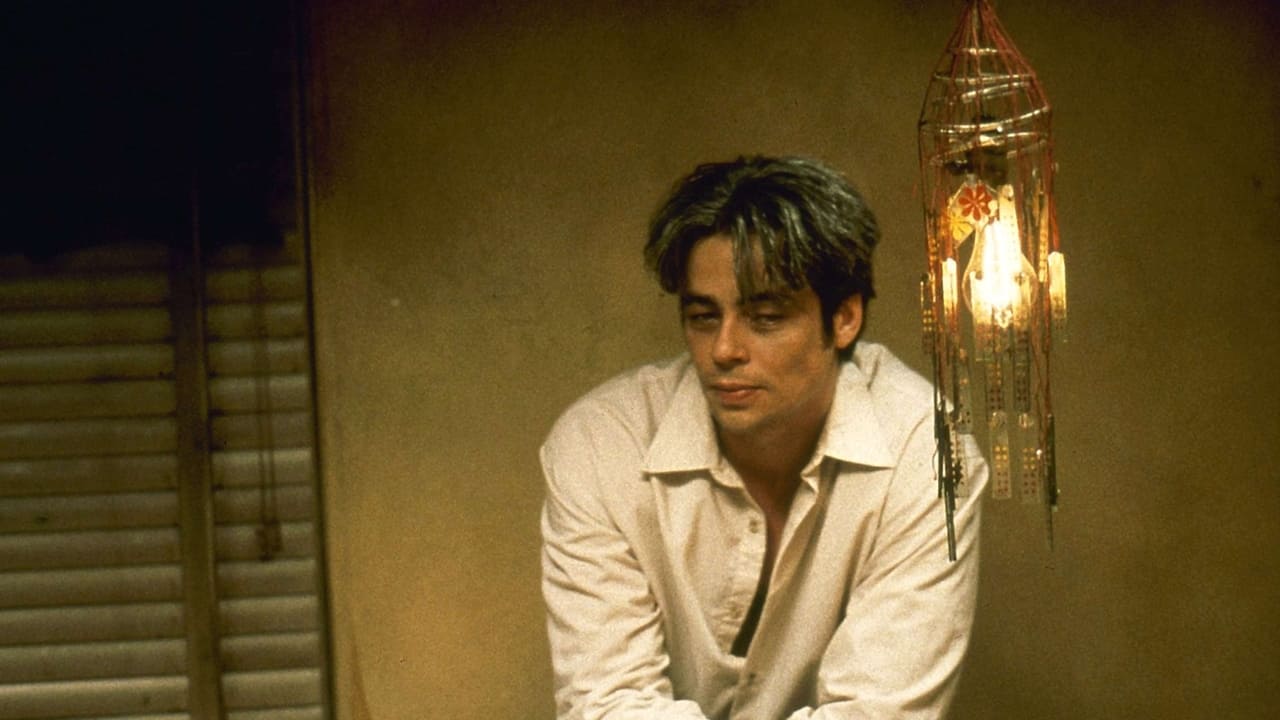
Right from its notoriously confrontational opening, the film establishes its tone. Parker (Ryan Phillippe) and Longbaugh (Benicio del Toro) aren't anti-heroes; they're simply survivors, drifting lowlifes looking for a score that doesn't involve flipping burgers. Their plan – kidnapping pregnant surrogate mother Robin (Juliette Lewis) for ransom – is impulsive, messy, and instantly spirals out of control. There’s no slick mastermindery here, just opportunism curdling into chaos. This wasn't the kind of intricate puzzle box Christopher McQuarrie had crafted with his Oscar-winning screenplay for The Usual Suspects (1995); this, his directorial debut, was something far more blunt and brutal. Reportedly, McQuarrie felt audiences hadn't truly understood the darkness of Suspects and set out to make something undeniably harsh, a film where violence has weight and consequences echo like cracks of thunder.
### The McQuarrie Touch
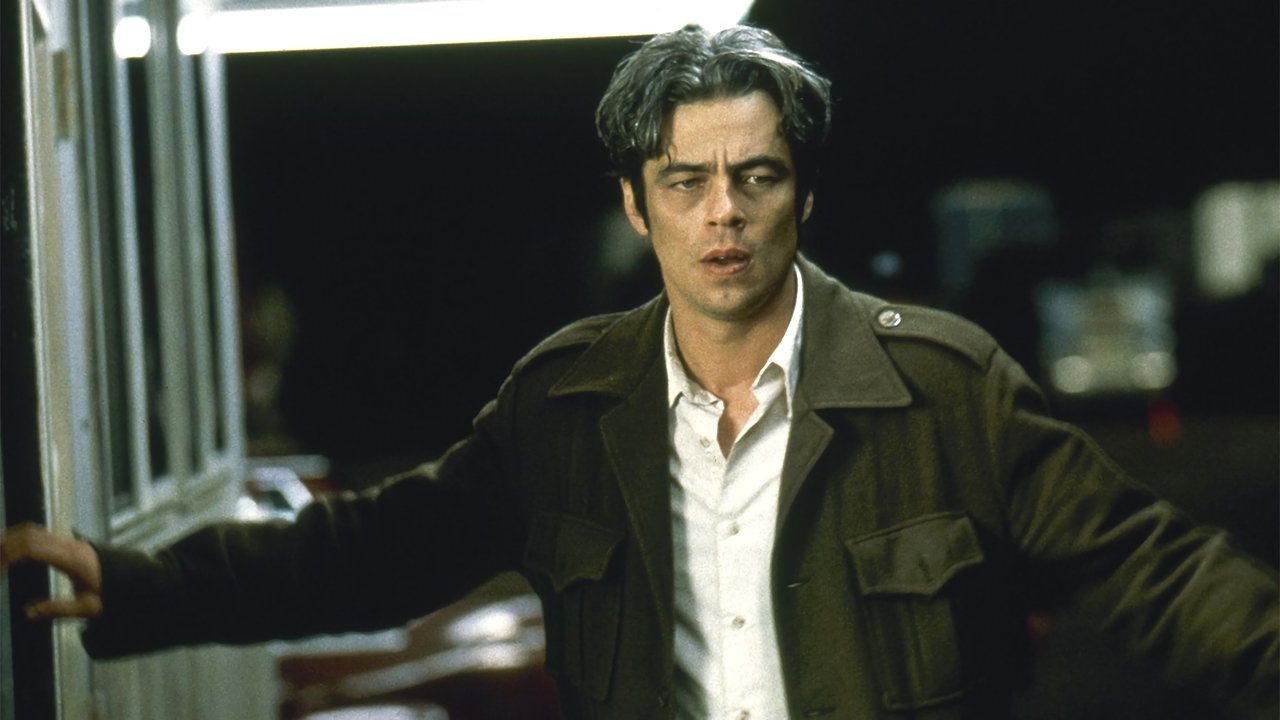
McQuarrie directs with a stark, patient intensity. The dialogue is sparse, often laconic, echoing classic hard-boiled fiction. Character is revealed through action, or often, brutal inaction. He lets tension build in the silences, in the arid landscapes, punctuated by sudden, shocking bursts of expertly staged violence. The film famously eschews a traditional score for long stretches, relying instead on the ambient sounds of chirping crickets, wind, or the chillingly metallic click-clack of firearms being prepped. When Joe Kraemer's score does appear, it's often mournful or percussive, underscoring the dread rather than manipulating emotions. This deliberate pacing and lack of hand-holding alienated some viewers back in 2000, contributing to its underwhelming $13 million box office take against a $6 million budget, but it's precisely what gives the film its lasting power for genre fans.
### Authenticity Under Fire
Where The Way of the Gun truly distinguishes itself is in its commitment to gritty realism, particularly in its handling of firearms and tactics. Forget endless ammo and action heroes dodging bullets with impossible grace. McQuarrie, aided by technical advisors including his brother, Navy SEAL Doug McQuarrie, and actor Kevin Gage (instantly recognizable as Waingro from Michael Mann's Heat (1995)), insisted on a level of verisimilitude rare for the time. Phillippe and Del Toro underwent rigorous firearms training, learning to move, shoot, and reload like professionals. You see them checking chambers, conserving ammunition, using cover effectively. It’s this grounded approach that makes the shootouts so visceral and terrifying. The injuries are messy, the panic palpable. Remember that extended, agonizing sequence where they attempt basic first aid? It’s raw, uncomfortable, and utterly unforgettable – a stark contrast to the clean, consequence-free violence often seen in mainstream action.
### The Legendary Standoff
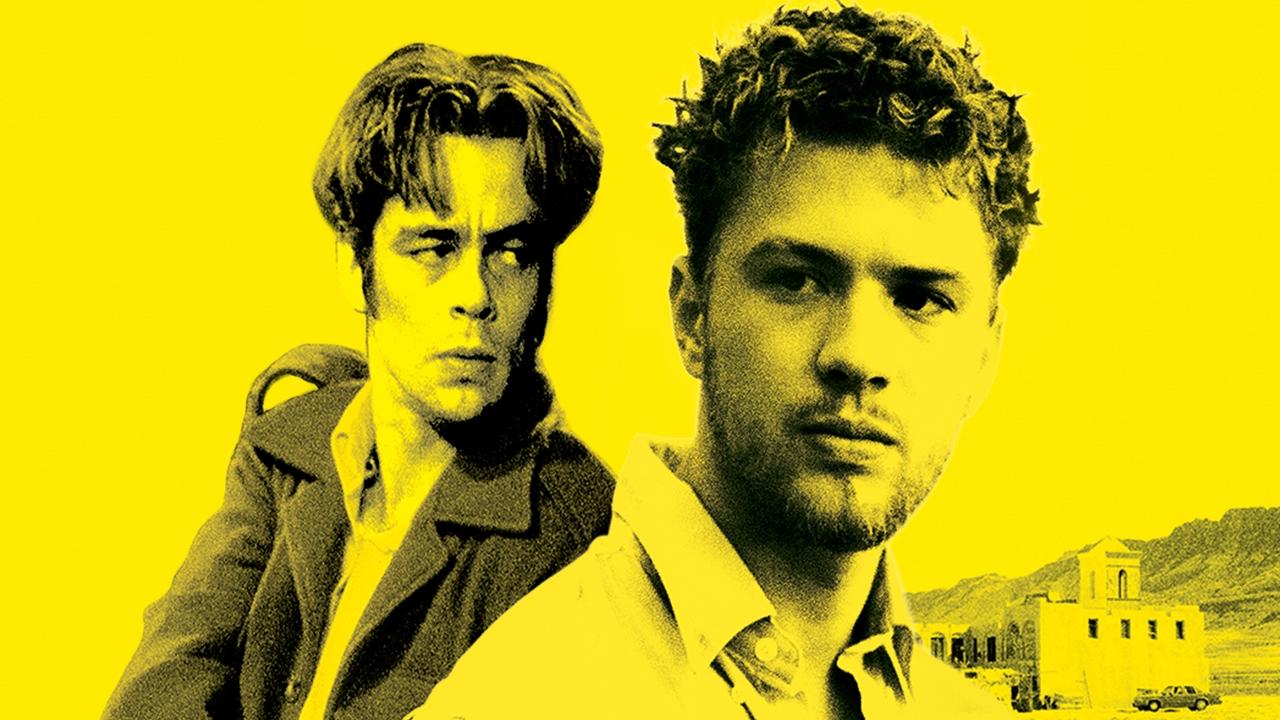
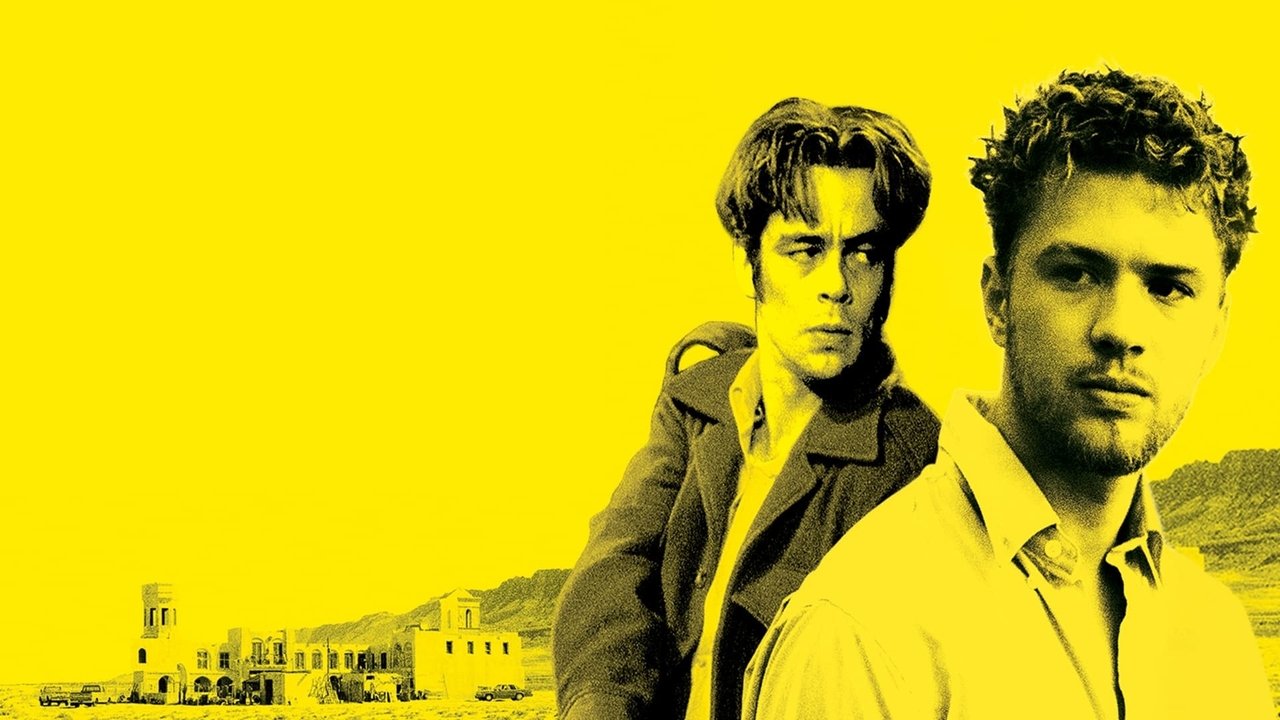
This dedication culminates in the film's legendary final sequence – a protracted, chaotic shootout in and around a dilapidated Mexican brothel (rumored to be a real, suitably atmospheric former clinic south of the border). It's a masterclass in sustained tension and spatial geography. McQuarrie keeps the action clear but frantic, emphasizing the dwindling options and rising desperation of Parker and Longbaugh as they face off against seasoned hitters played with chilling professionalism by Taye Diggs and Nicky Katt. There's a palpable sense of exhaustion and attrition. It’s not glorious; it’s ugly, protracted, and utterly compelling – arguably one of the best cinematic shootouts of its era, precisely because it feels so earned and dangerous.
### A Cast Living on the Edge
The performances are uniformly strong, perfectly capturing the film's weary, desperate tone. Del Toro, radiating quiet menace and coiled intensity, is mesmerizing as Longbaugh. Phillippe, cast somewhat against his teen idol type from films like Cruel Intentions (1999), effectively portrays Parker's volatile mix of recklessness and surprising resilience. Their strange, almost unspoken bond forms the film's damaged heart. Juliette Lewis delivers a typically raw and vulnerable performance as Robin, trapped not just by her kidnappers but by the circumstances orchestrated by the wealthy father (Scott Wilson) whose child she carries. And then there’s the legendary James Caan as Joe Sarno, the veteran "bagman" tasked with retrieving Robin. Caan brings an immense weight of weary experience to the role, a man who’s seen it all and is deeply tired of the ugliness, embodying the film's underlying theme of cycles of violence. I distinctly remember renting this on a whim, expecting a standard thriller, and being utterly floored by its bleakness and the sheer force of Caan's presence.
### Legacy of Lead and Dust
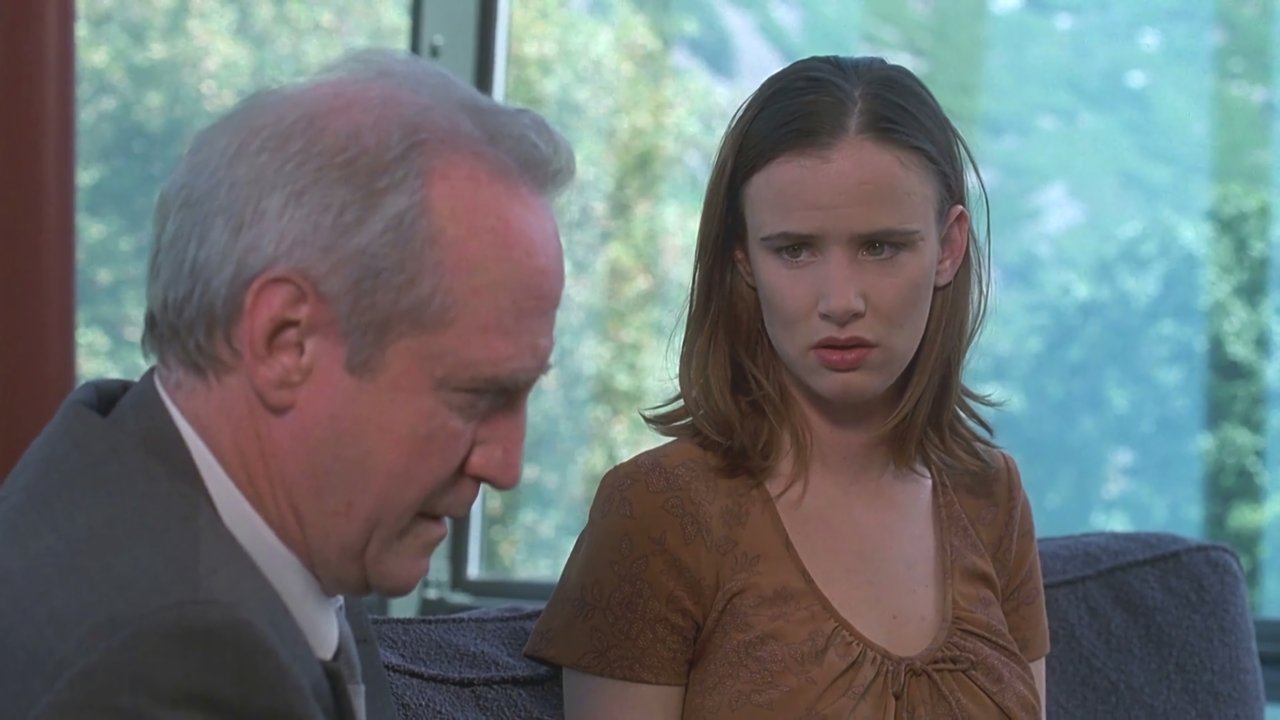
The Way of the Gun wasn't a hit. Critics were divided, often put off by its unrelenting grimness and lack of sympathetic characters. But like many films initially overlooked, it found its audience on home video and cable, slowly building a reputation as a cult classic. It’s a demanding watch, offering few concessions to audience comfort. Its nihilism can be suffocating, its violence stark. Yet, for fans of uncompromising crime cinema, it remains a vital, brilliantly crafted piece of work. It’s a film that respects the lethality of its subject matter and trusts the audience to handle its dark truths without sugarcoating.
Rating: 8/10
This score reflects the film's masterful technical execution, particularly its groundbreaking action sequences and palpable atmosphere, alongside stellar performances. It's docked slightly for its almost overwhelming bleakness, which, while intentional, makes it a challenging film to revisit casually. However, its uncompromising vision and enduring cult status solidify its place as a standout crime thriller. It’s a brutal, brilliant reminder that sometimes the only way out is through a hail of gunfire, leaving nothing but dust and regret in its wake. Doesn't that final shootout still feel astonishingly real?