The static hiss fades, the tracking adjusts, and the familiar blue warning screen gives way to something… strange. A name whispered like a curse, a melody twisted into a threat. We're not in Kansas anymore, Toto. We're somewhere deep in the bizarre heart of late 80s Italian horror, a place where logic frays and neon-drenched nightmares reign. Tonight, we dust off a particularly odd cassette: Luigi Cozzi's 1989 fever dream, Paganini Horror.
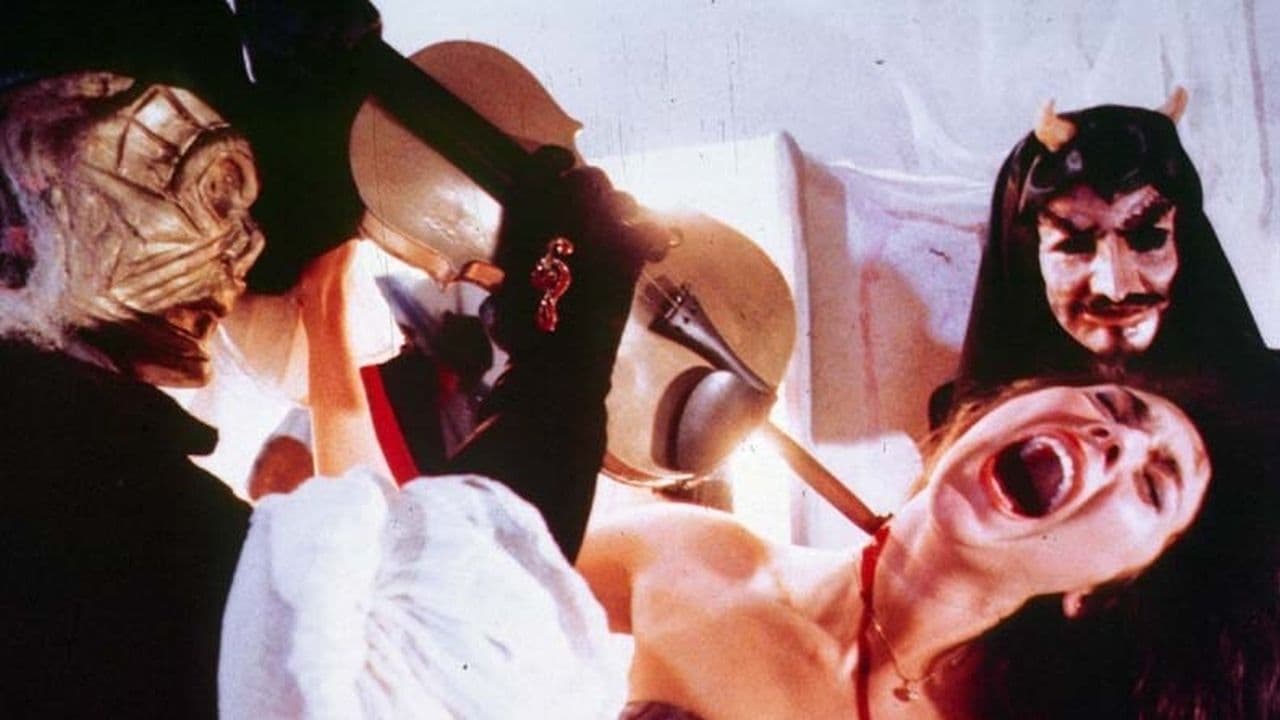
You might remember Luigi Cozzi as the mad maestro behind the wonderfully bonkers Starcrash (1978) or the slimy creature feature Contamination (1980). Here, he teams up with the legendary Daria Nicolodi (co-writer and star, forever iconic from her work with Dario Argento, like Deep Red from 1975), promising a collision of high art and low-budget thrills. The premise alone is pure VHS-era gold: a struggling all-female rock band buys an unpublished piece of music purportedly written by the damned violinist Niccolò Paganini himself. Legend has it, Paganini sold his soul to the devil for musical genius. The band hopes this cursed score will be their ticket to stardom. They hole up in a ridiculously opulent villa (once owned by Paganini, naturally) to record a music video, only to find the music unlocks not fame, but a gateway for a spectral, electricity-wielding Paganini to start picking them off one by one.
Symphony of Schlock
Let's be blunt: Paganini Horror is not what you'd call conventionally "good." The acting often veers into the wooden, the dialogue can be unintentionally hilarious, and the plot unfolds with the dreamlike (or perhaps nightmarish) logic characteristic of much Italian genre fare from this period. Yet, there's an undeniable atmosphere Cozzi manages to conjure. The villa itself, steeped in shadows and echoing with unseen footsteps, becomes a character. It’s the kind of location – reportedly scouted meticulously by Cozzi – that feels genuinely haunted, even when the on-screen scares are more baffling than bloodcurdling.
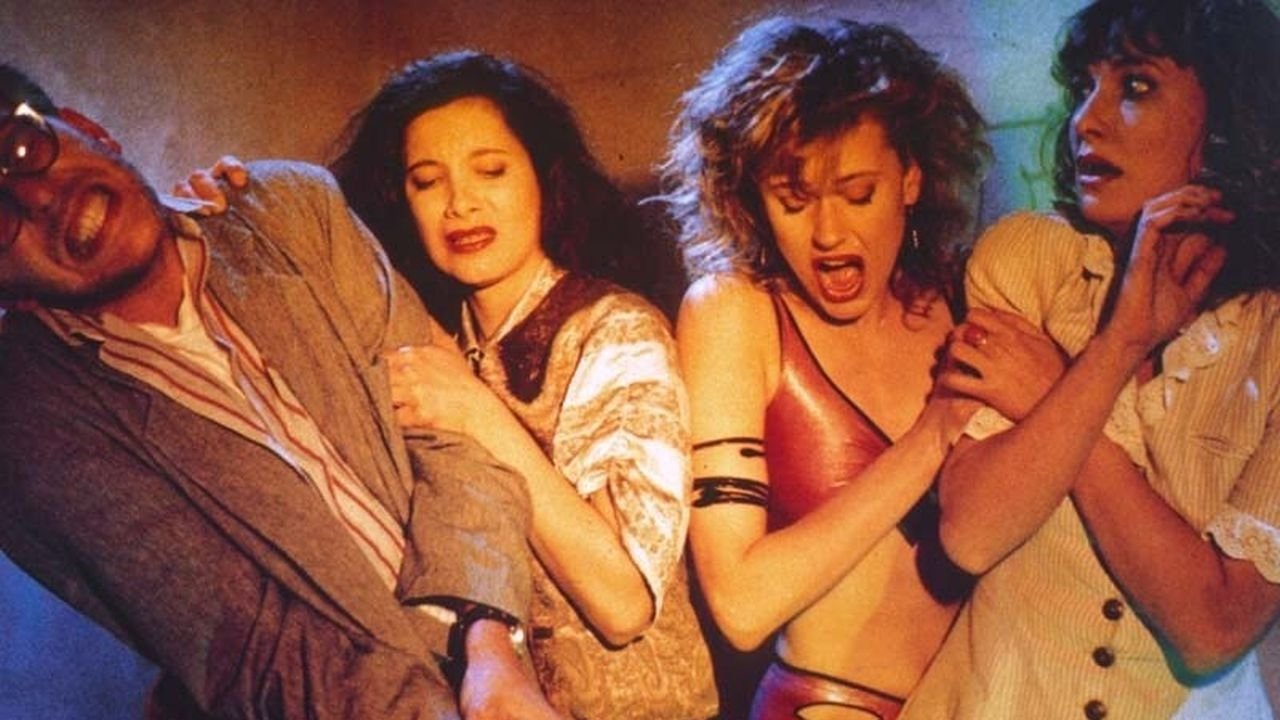
The film arrived late in the game for the golden age of Italian horror, and signs of budgetary constraints are evident. The production was reportedly troubled, a common tale for genre films churned out during the industry's decline. Daria Nicolodi, despite co-writing, was allegedly unhappy with the final result, feeling Cozzi had deviated too far from their original vision. You can sometimes sense that disconnect on screen – moments of atmospheric potential undercut by awkward staging or baffling character choices. Still, her presence lends the film a certain gravitas it might otherwise lack; watching her navigate this increasingly bizarre scenario is one of the film's strange pleasures.
Phantom of the Power Chord
The spectral Paganini himself is a sight to behold. Often appearing bathed in blue light, wielding a violin that shoots deadly electrical charges (or sometimes just stabbing people with the bow), he's less a terrifying embodiment of damnation and more like a refugee from a particularly strange music video. One infamous scene involves a victim being dispatched via an electrified, phallic-looking guitar neck – it’s the kind of gloriously absurd moment that defines Euro-cult cinema. Were the practical effects convincing back then, huddled around the glow of a CRT? Maybe not convincing, but certainly memorable in their sheer audacity. Cozzi, ever the B-movie showman, throws everything at the wall, hoping some of it sticks.
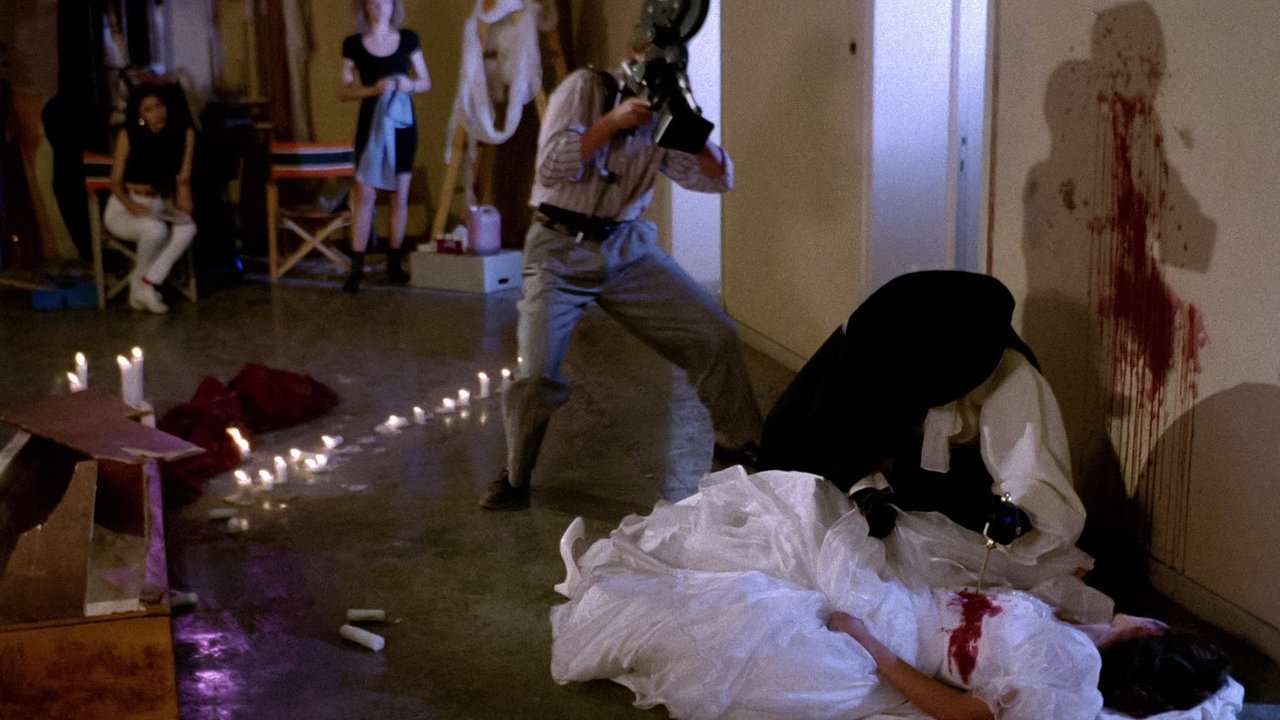
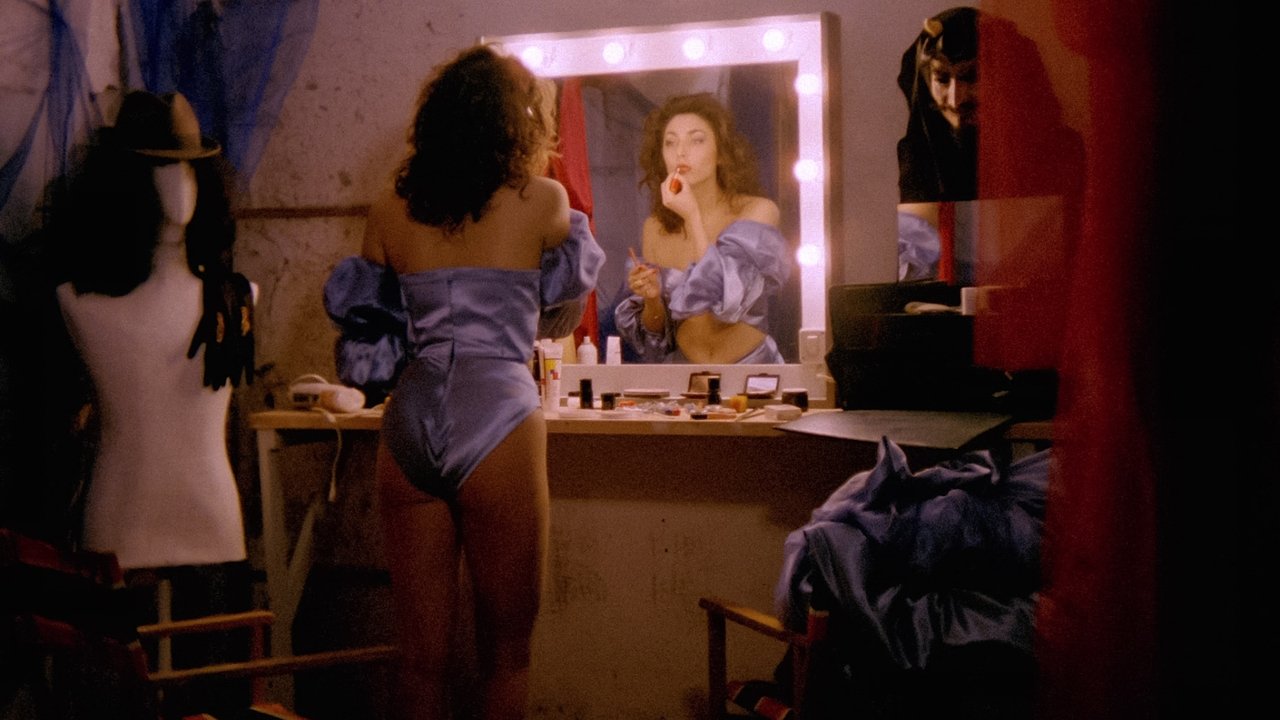
The music, ironically, is perhaps the least Paganini-esque element. Instead of soaring violin concertos, we get generic 80s synth-rock – catchy in a disposable way, but hardly the soul-selling stuff of legend. This dissonance between the high-concept demonic bargain and the very pedestrian rock score is part of the film’s peculiar charm. It's a quintessential example of that late 80s Italian horror aesthetic: glam rock visuals colliding with gothic horror tropes, often with bewildering results.
Retro Fun Facts & Lingering Static
Digging through the archives (or maybe just the dusty corners of the internet) reveals a few nuggets. The film reportedly cost very little, relying heavily on atmosphere and Cozzi’s stylistic flourishes over expensive set pieces. Initial critical reception was, predictably, unkind. It wasn't the hit anyone hoped for and quickly faded into the obscurity of video store shelves, waiting for rediscovery by cult enthusiasts. There's also the persistent legend that the "unpublished Paganini score" was a complete fabrication for the plot, with no basis in any real musical discovery – a fact that likely surprises no one who has seen the film. The villa location, however, was apparently chosen for its historical feel, adding a touch of authentic decay to the proceedings. Remember those lurid VHS covers promising terrors untold? Paganini Horror’s artwork often hinted at a far more intense experience than the film delivered, a common tactic to lure renters in the video boom era.
The Final Score
Paganini Horror is a fascinating mess. It’s poorly paced, nonsensically plotted, and features effects that range from passable to laughable. Yet... it possesses a strange, dreamlike quality and an undeniable commitment to its bizarre premise. Luigi Cozzi delivers atmosphere, even if the narrative coherence suffers. For fans of Euro-sleaze, late-stage Italian horror oddities, or those who appreciate ambition over execution, there’s a certain perverse enjoyment to be found here. I distinctly remember finding this tape tucked away in the horror section of a local rental store, its cover art promising something far grander, and being utterly baffled but strangely captivated by the experience. It’s the kind of film that reminds you how wonderfully weird the VHS era could be.
Rating: 3/10
Justification: The score reflects the film's significant flaws in execution, acting, and script. However, it earns points for its unique concept, Luigi Cozzi's atmospheric direction (at times), Daria Nicolodi's involvement, and its undeniable status as a bizarre cult curio perfect for a late-night viewing with fellow enthusiasts who appreciate the weirder side of 80s horror. It's objectively "bad," but subjectively fascinating for the right audience.
Final Thought: Paganini Horror doesn't quite hit the high notes, but its off-key, discordant strangeness makes it a memorable, if minor, entry in the bizarre symphony of 80s Italian horror VHS tapes. Approach with caution, and perhaps a strong drink.