Okay, fellow travelers in the twilight zone of forgotten tapes, let’s dim the lights and talk about something truly… unsettling. Forget the slasher sequels and creature features for a moment. Tonight, we’re digging into a tape that feels less like a movie and more like a fractured nightmare someone accidentally recorded over a department store training video. I’m talking about Cecelia Condit’s 1983 experimental short, Possibly in Michigan. If you ever stumbled upon this one late at night, maybe on a copied tape passed around art school circles or lurking on a public access channel flickering into life after midnight, you know the peculiar chill it leaves behind. It doesn't just scare you; it unnerves you on a fundamental level.

### The Disquieting Duet of Dread and Domesticity
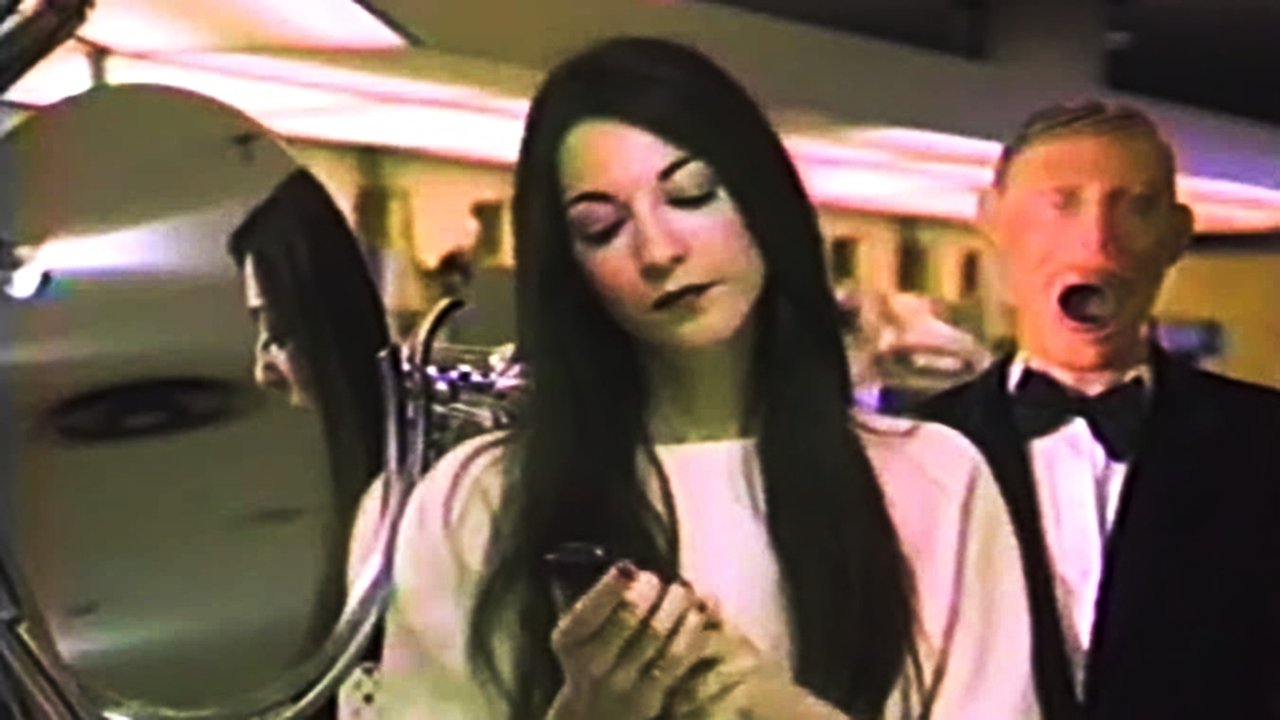
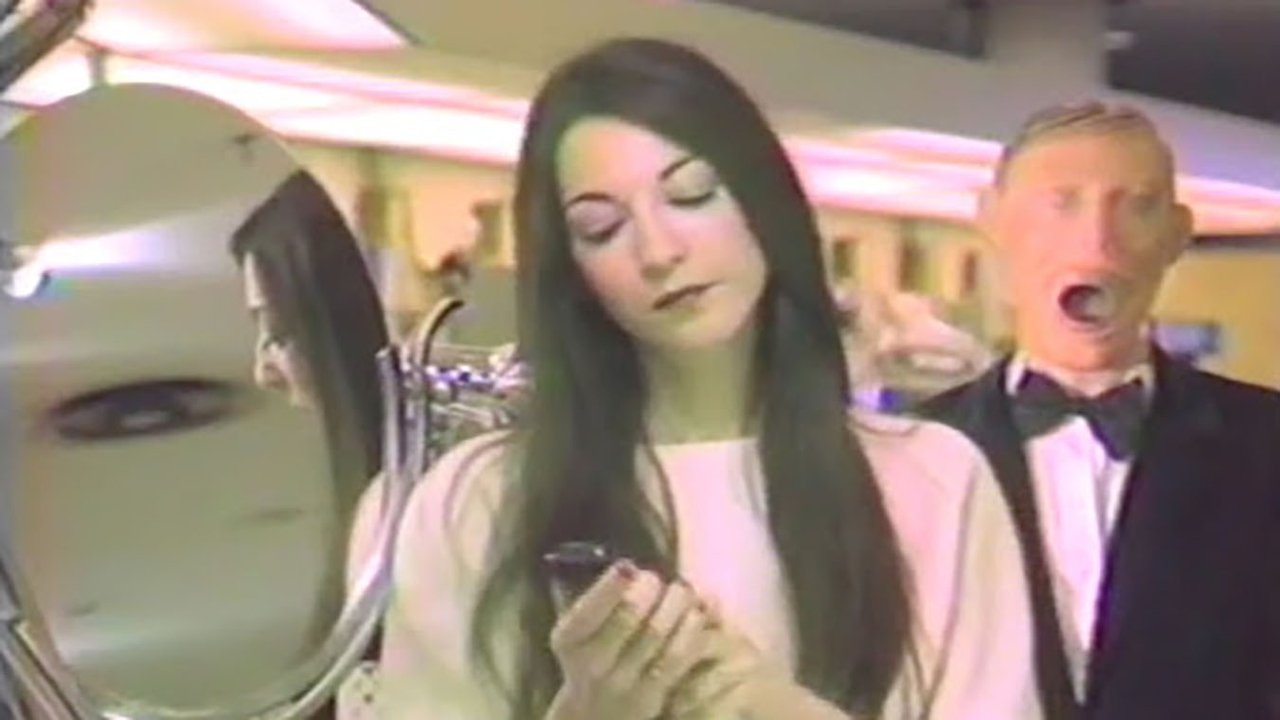
The opening notes hit you first – that strange, sing-songy duet between Jill Sands and Karen Skladany, their voices weaving a tale of mundane shopping trips punctuated by the looming threat of violence. It’s immediately off-kilter, the cheerful melody clashing horribly with the lyrics about following, danger, and the grotesque. This isn't just foreshadowing; it's the film’s entire thesis statement delivered in a bizarre, looping nursery rhyme from hell. The setting? A brightly lit, utterly generic shopping mall, the kind that littered the landscape in the early 80s. But Condit drains it of all comforting familiarity, rendering it sterile and alienating, a perfect hunting ground for the smiling predator in the animal mask.
The visceral experience here isn't jump scares; it's a slow-burn creep of psychological discomfort. The performances are key – Sands and Skladany deliver their lines with a strange detachment, almost a dreamlike acceptance of the horror unfolding around them. When they encounter Arthur (a genuinely disturbing Bill Blume), whose intentions are masked only slightly better than his face, their reactions feel both passive and weirdly proactive. It mirrors that feeling in nightmares where you know you should run, but your feet are lead, or where horrific events are treated with baffling nonchalance. Did anyone else feel that uncanny valley sensation watching them? That sense of human behaviour being imitated, not lived?

### The Art of Unease
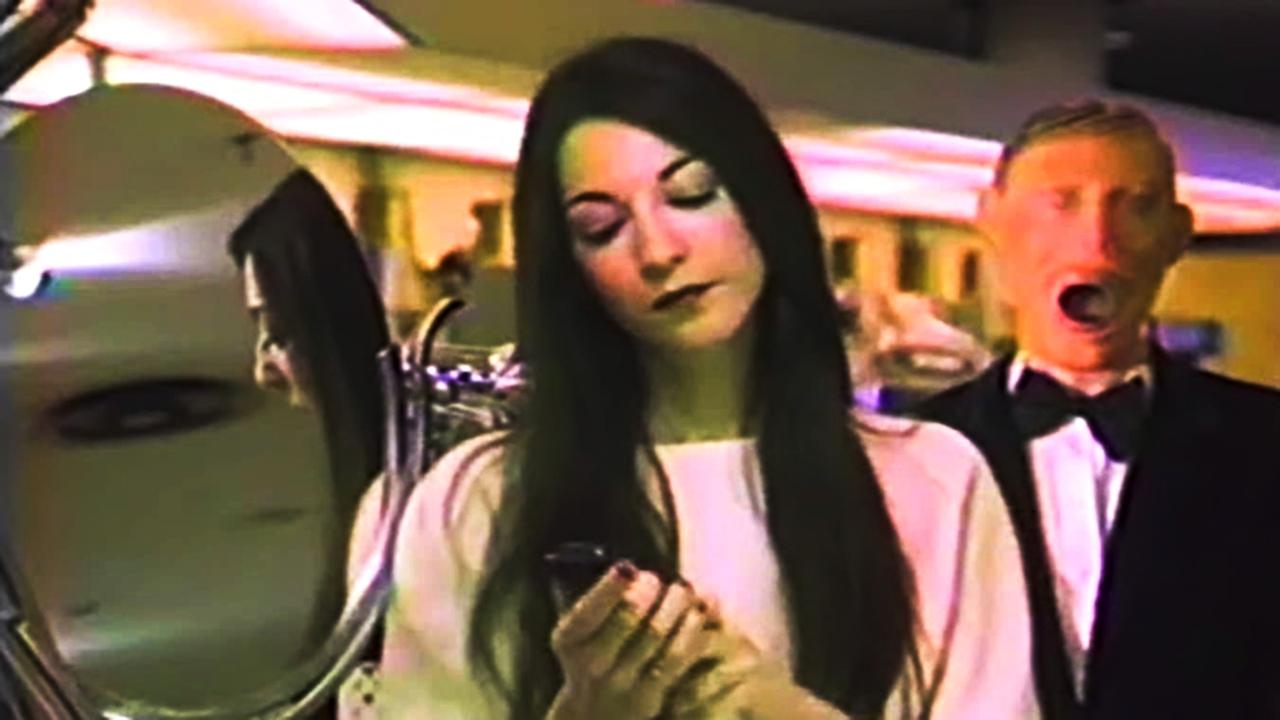
This is pure art-horror territory, folks. Cecelia Condit, coming from a background in photography and sculpture, constructs Possibly in Michigan with a painterly eye for unsettling compositions. The low-budget, shot-on-video aesthetic, far from being a limitation, becomes part of its power. The slightly blown-out lighting, the flatness of the image, the very grain of the tape itself contributes to the feeling of watching forbidden evidence or a recovered memory you can’t quite place. It feels disturbingly real in its unreality.
The sound design is crucial. Beyond the haunting central song, the ambient mall noise, the abrupt silences, and the distorted sounds accompanying moments of violence create an atmosphere thick with dread. The practical effects, particularly the masks worn by Blume, are simple yet incredibly effective. They aren't hyper-realistic Hollywood creations; they're crude, uncanny, like something dredged from a collective subconscious fear of the familiar twisted into menace. There's a legend, perhaps apocryphal but fitting, that Condit sourced some props from thrift stores, adding another layer of uncanny displacement – everyday objects repurposed for nightmare fuel. This wasn't about slick production; it was about evoking a specific, chilling mood.
### Consuming Terror
Beneath the surreal surface, Possibly in Michigan offers a potent, if ambiguous, commentary. It’s a chilling exploration of suburbia's hidden violence, the predatory nature lurking beneath polite surfaces, and the intersection of consumerism and destruction. The mall, a temple of consumption, becomes a stage for stalking. The act of cannibalism that concludes the narrative – Spoiler Alert! – feels like the ultimate dark punchline about consuming and being consumed, both literally and metaphorically. The women's final, almost casual disposal of the predator flips traditional horror tropes, presenting a bizarre form of detached female agency born from extreme circumstances. It asks disturbing questions about desensitization and survival in a world where violence can appear suddenly, wearing a friendly mask. Does its critique of consumer culture and hidden threats feel even sharper today, decades removed from its 80s mall setting?
Its initial run was largely confined to art galleries and film festivals, a true underground oddity. It wasn't until the age of the internet, particularly platforms like YouTube, that Possibly in Michigan found a wider, often bewildered, audience, becoming a cornerstone of "weird internet" culture. Its ability to disturb and perplex remained potent, proving that genuine atmospheric horror doesn't need big budgets or conventional narratives.
---
Rating: 8.5/10
This rating reflects the film's undeniable power as a piece of unique, unsettling art-horror. It’s not conventionally entertaining, and its experimental nature won't be for everyone. However, its mastery of mood, its haunting sound design, its disturbing imagery, and its lingering psychological impact are undeniable. It perfectly captures a specific kind of dreamlike dread, and its commentary remains disturbingly relevant. The score is high because it achieves exactly what it sets out to do: burrow under your skin and stay there.
Final Thought: Possibly in Michigan is more than just a forgotten short; it's a potent dose of surreal nightmare fuel, a prime example of how low-budget, experimental filmmaking on VHS could conjure atmospheres far more chilling and memorable than many mainstream horror flicks of the era. It’s a tape that reminds you that sometimes, the most terrifying things are hidden in plain sight, humming a cheerful, deadly tune.