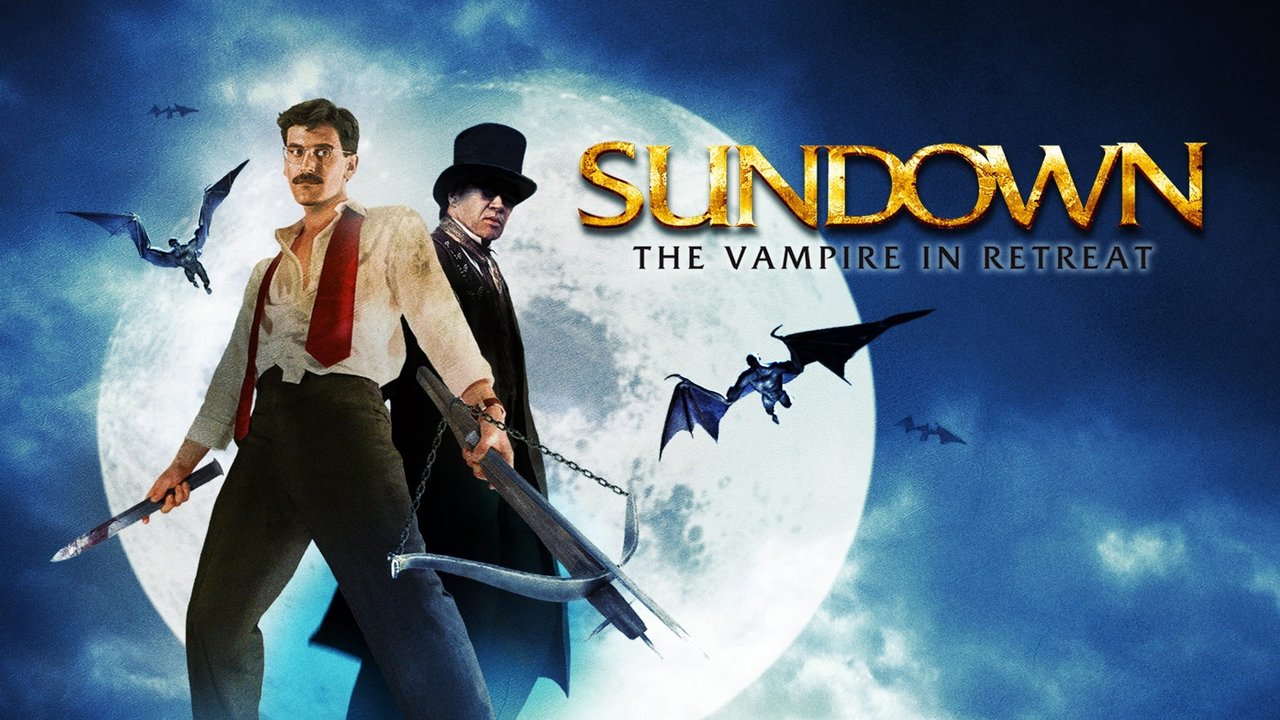
Okay, fellow tapeheads, dim the lights and adjust the tracking. Tonight, we’re digging deep into the dusty corners of the video store shelf, past the big-budget blockbusters, to unearth a true oddity, a glorious genre mashup that could only have crawled out of the late 80s: Anthony Hickox’s 1989 cult curiosity, Sundown: The Vampire in Retreat. If you ever stumbled across that intriguing VHS box art – promising fangs and firearms – you know you were in for something… different.
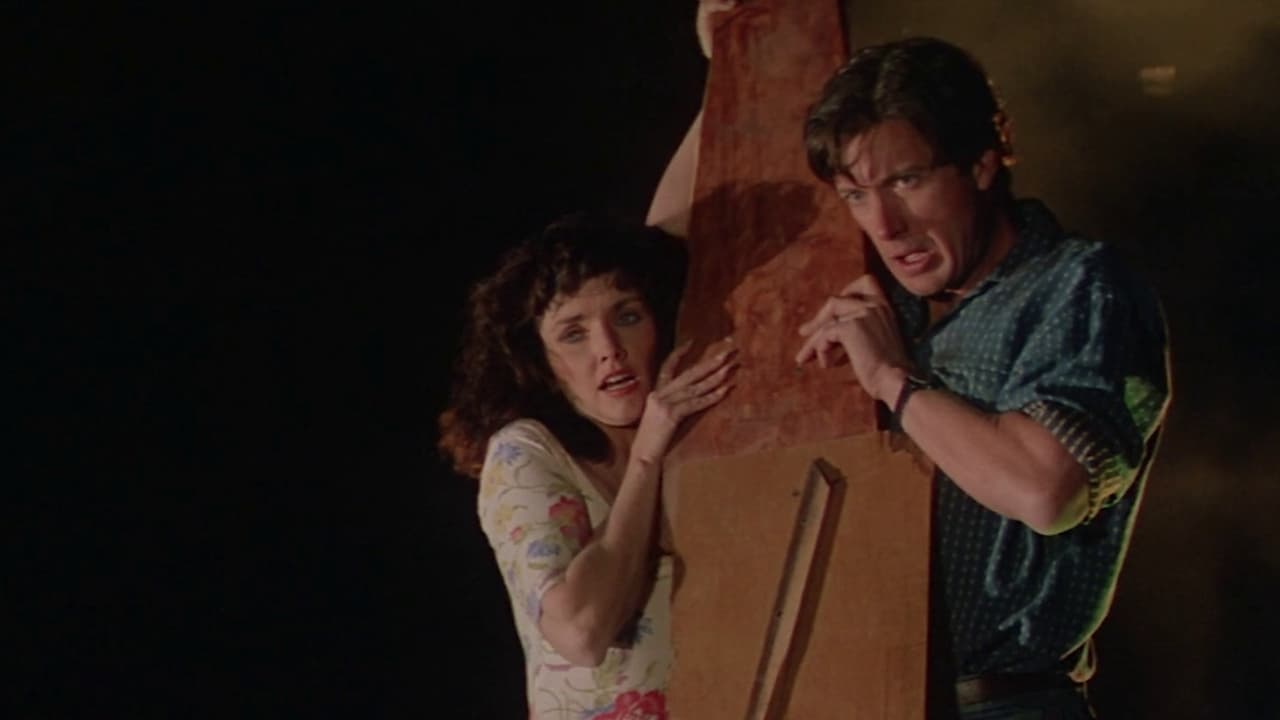
Remember finding those tapes that just seemed weird? Sundown was definitely one of them. It landed in that strange twilight period just before the slickness of the 90s fully took over, carrying the torch for gonzo genre blending that directors like Hickox, fresh off the equally inventive Waxwork (1988), seemed to relish. It’s a vampire movie! It’s a Western! It’s a comedy! And somehow, against all odds, it mostly works, radiating a kind of infectious, B-movie energy.
Welcome to Purgatory
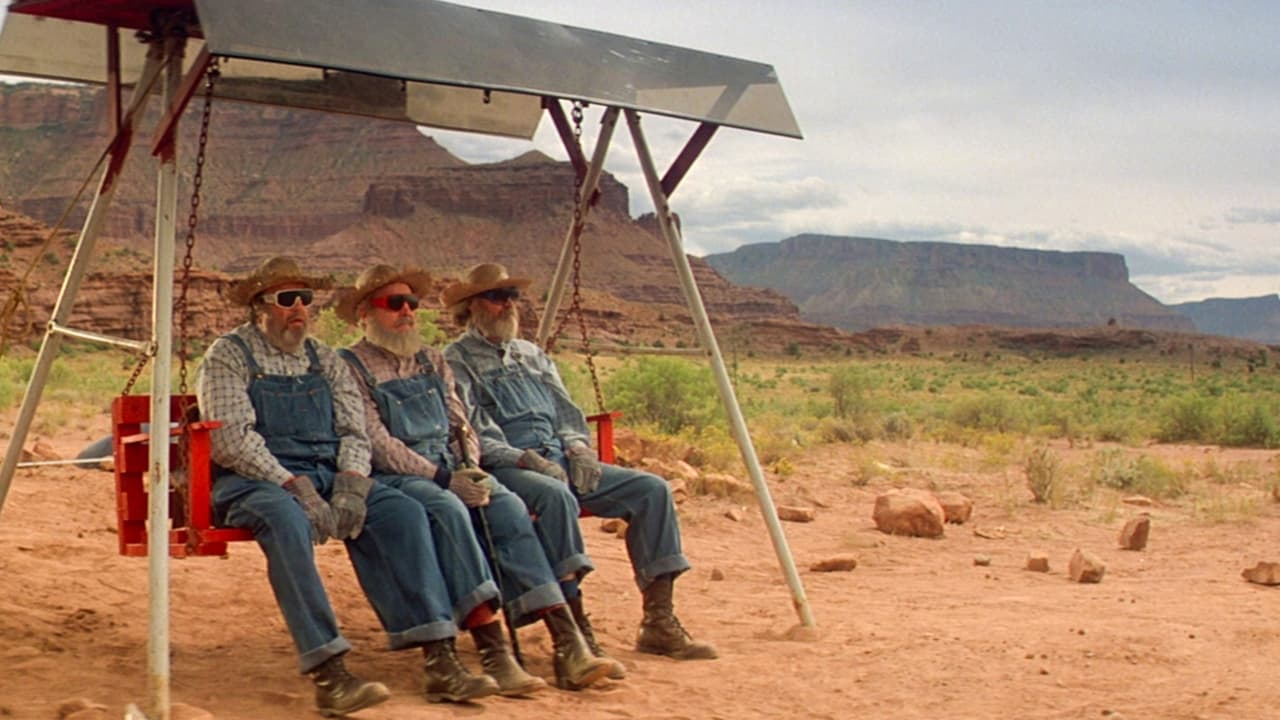
The premise alone is wonderfully bonkers. Deep in the American desert lies the isolated town of Purgatory, populated entirely by vampires. Led by the ancient and weary Count Mardulak (David Carradine), they’re attempting to kick the habit – literally. Thanks to a synthetic blood substitute produced in their slapdash factory, they hope to live peacefully under artificial sunlight, integrating into the human world. But peace is fragile. A stranded human family (including Deborah Foreman and M. Emmet Walsh) stumbles into town, just as a faction of traditionalist vampires, led by the power-hungry Shane (Maxwell Caulfield), plots to overthrow Mardulak and return to the old ways. Oh, and did I mention the bumbling descendant of Abraham Van Helsing (Bruce Campbell) shows up?
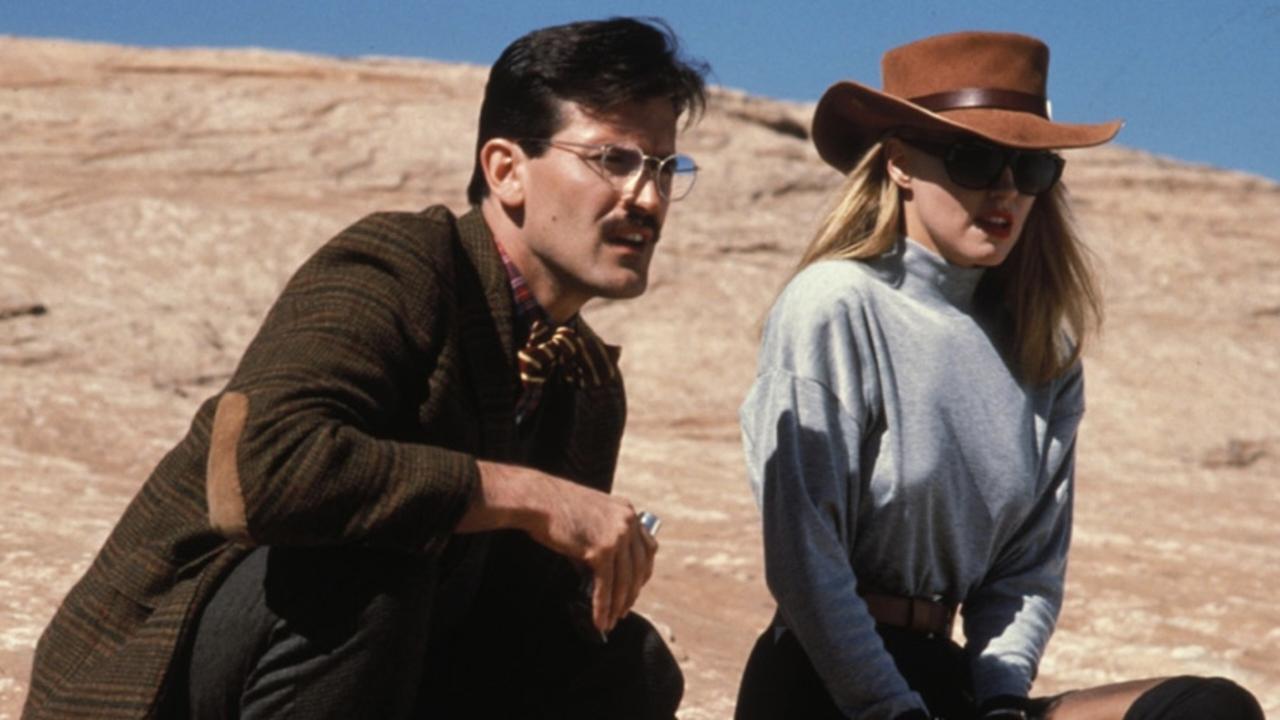
It’s a powder keg waiting to explode, and explode it does, in a finale drenched in squibs and dusty chaos. Carradine, bringing his trademark quiet intensity, is surprisingly effective as the conflicted vampire patriarch. He carries the weight of centuries, genuinely seeming tired of the endless violence. It's a far cry from Kwai Chang Caine, but he invests Mardulak with a certain gravitas that anchors the film's wilder swings. A fascinating bit of trivia: Carradine actually replaced Christopher Lee who was initially considered for Mardulak, which would have given the film a very different, perhaps more classically Hammer Horror vibe.
Bloodsuckers, Six-Shooters, and Bruce Campbell
And then there's Bruce Campbell. Riding high on his Evil Dead fame, Campbell plays Robert Van Helsing not as a heroic badass, but as a slightly goofy, gadget-obsessed engineer who inherited the family legacy but maybe not the competence. It's a fun subversion, and Campbell leans into the comedic aspects, fumbling with crossbows and looking perpetually overwhelmed. Apparently, the shoot itself, filmed on location in the striking landscapes of Moab, Utah (the same backdrop for countless classic Westerns), was as chaotic and fun as the movie feels. Campbell details some of the on-set antics in his book If Chins Could Kill, painting a picture of a cast and crew making the most of a quirky script and limited resources.
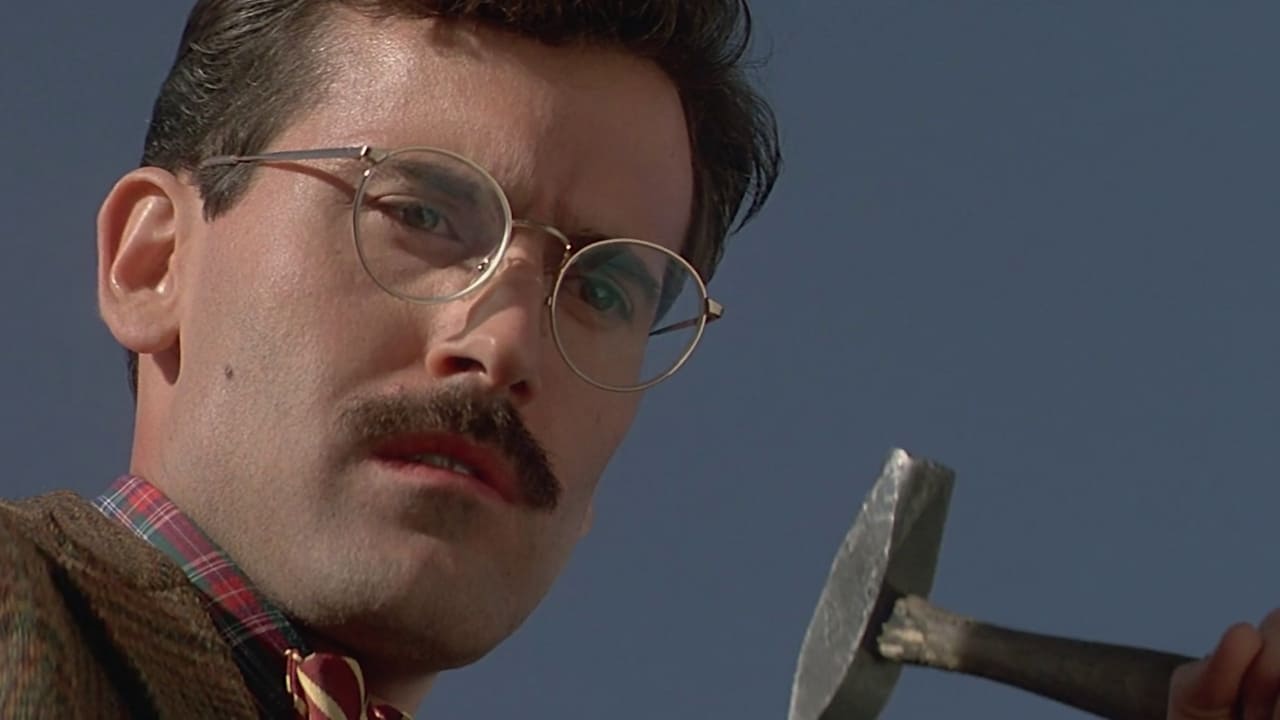
Maxwell Caulfield chews the scenery magnificently as the villainous Shane, a vampire who clearly models himself on a gunslinger archetype. His clashes with Mardulak provide the film's central conflict. We also get memorable turns from veterans like John Ireland as Mardulak’s loyal second-in-command and the always-welcome M. Emmet Walsh.
Dusty Practical Effects and Delayed Sunrises
What really sells Sundown for the VHS Heaven crowd is its commitment to practical effects and gritty, tangible action. When the bullets fly and the vampires go full-fang, it feels messy and real in that distinctly pre-CGI way. Remember how satisfying those squib hits looked back then? The vampire transformations aren't seamless digital morphs; they're makeup appliances, contact lenses, and actors contorting their faces. There's a raw, almost handmade quality to the mayhem in the final siege that modern blockbusters often lack. It might look a bit rough around the edges now, sure, but the impact felt immediate and visceral on those old tube TVs.
The film’s journey to our VCRs was almost as dramatic as its plot. Produced by Vestron Pictures, a company legendary among VHS collectors for its eclectic horror and B-movie output, Sundown became a victim of bad timing. Vestron went bankrupt shortly after production wrapped, leaving the film in limbo. It barely received a theatrical release (hitting some screens in 1991) and found its true audience, fittingly, in the home video market. It became one of those word-of-mouth rentals, a hidden gem passed between friends who appreciated its off-kilter charm. It’s a classic example of a film whose cult status was cemented by the accessibility – and sometimes, the obscurity – of the VHS era. I definitely remember picking this one up purely based on the cast and the sheer weirdness of the concept promised by the cover art.
The Verdict
Sundown: The Vampire in Retreat isn't high art, and it certainly shows its budgetary seams. The tone wobbles occasionally between horror, comedy, and western pastiche. But director Anthony Hickox injects it with undeniable energy and a clear affection for its B-movie roots. The cast is having a blast, the concept is unique, and the practical effects deliver that tangible, late-80s action flavour we crave. It’s witty, gory, and surprisingly ambitious for what it is.
Rating: 7/10 - This score reflects its status as a highly enjoyable, unique cult classic. It’s flawed but immensely watchable, packed with great character actors, a bonkers premise, and that irreplaceable late-80s practical effects vibe. The delayed release and Vestron connection only add to its retro mystique.
Final Thought: Sundown is the cinematic equivalent of finding a rare comic book in a dusty attic – a strange, wonderful brew of genres that feels perfectly preserved from the final, flickering moments of the true VHS wild west. Fire it up, you won't regret this trip to Purgatory.