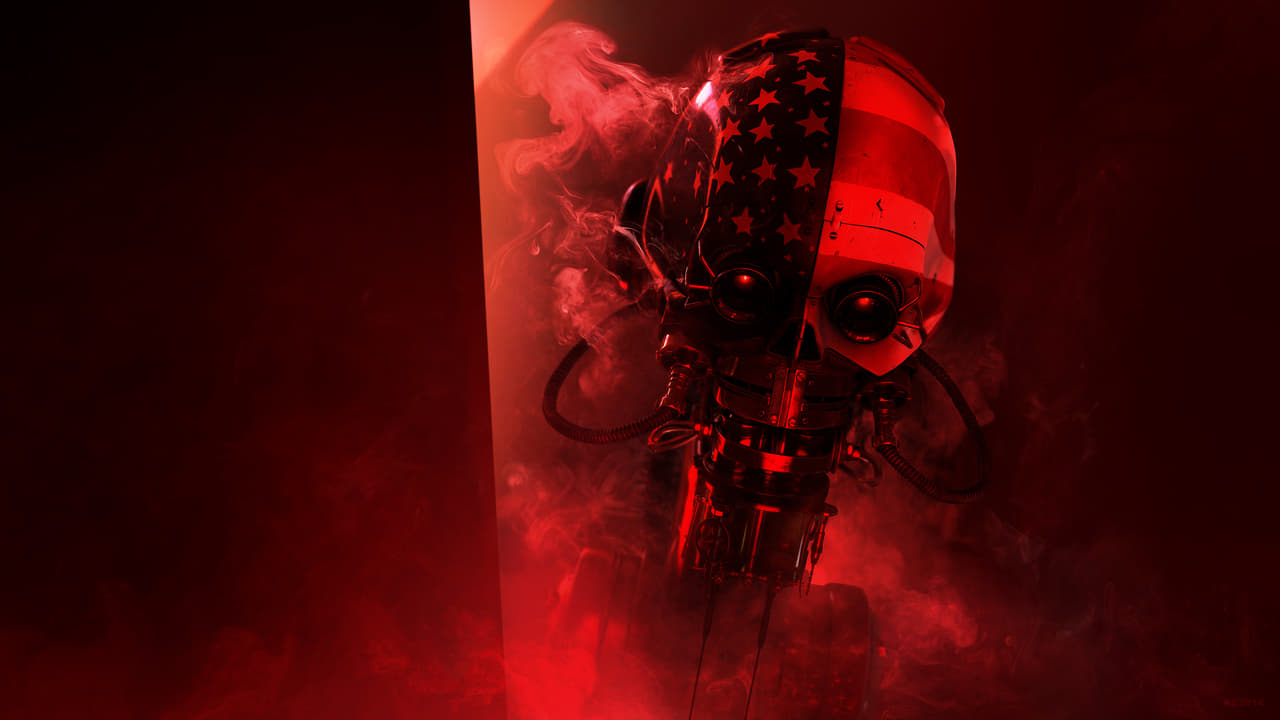
The skull sits inert, metallic and strangely beautiful, salvaged from the irradiated wasteland. A gift. But some gifts carry a curse woven into their circuits, a promise of violence waiting for the right connection. Hardware (1990) doesn't just depict a post-apocalyptic future; it plunges you headfirst into the sweltering, neon-drenched claustrophobia of survival against technology repurposed for pure annihilation. This isn't the sleek chrome dread of The Terminator; this is rusted, jury-rigged, and utterly relentless terror.
Welcome to the Grime
Forget sprawling vistas of ruin. Director Richard Stanley, in his ferocious feature debut, confines much of the horror to a single, cluttered apartment belonging to Jill (Stacey Travis), a reclusive sculptor. Her space marine boyfriend, Mo (Dylan McDermott, bringing a rugged weariness), brings her the robotic head as raw material for her art. The world outside is glimpsed through filtered news reports and the nihilistic broadcasts of Angry Bob (voiced with gravelly perfection by Iggy Pop), painting a picture of ecological collapse and perpetual war. But the real war is about to begin indoors. Stanley crafts an atmosphere thick with heat, paranoia, and the oppressive glow of warning lights. The colour palette – sickly greens, alarming reds, deep oranges – feels like a constant fever dream, mirroring the radioactive decay of the outside world seeping into the last vestiges of sanctuary.
M.A.R.K. 13 Online

The centerpiece, of course, is the M.A.R.K. 13. That seemingly decorative cyborg head is revealed to be the core unit of a government-designed population control droid, programmed with lethal efficiency and capable of self-repair using whatever scrap is available. Its reassembly is a masterclass in creeping dread. The initial stirrings, the methodical gathering of parts, the way it integrates Jill's own metallic sculptures into its deadly form – it’s pure nightmare fuel. Forget CGI slickness; the practical effects here possess a tangible, menacing weight. Its design, angular and insectoid, feels genuinely alien and hostile. Remember watching this on a fuzzy CRT, the shadows playing tricks, making every flicker and clank utterly terrifying? That robot didn't just look dangerous; it felt viscerally threatening in a way few digital creations manage. Doesn't that skeletal, relentlessly practical design still feel unnerving?
Guerilla Filmmaking, Apocalyptic Sounds
This film feels low-budget, but in the best possible way. Made for a reported $1.5 million, Richard Stanley channels the raw energy of punk rock and the grit of Italian post-apocalyptic knock-offs into something uniquely potent. Every penny feels like it's sweating on screen. Interestingly, the film's core concept was lifted directly from a short story called "SHOK!" published in the British comic 2000 AD (home of Judge Dredd). Initially uncredited, this led to a lawsuit and an eventual settlement – a classic behind-the-scenes battle that adds a layer of gritty reality to the film's creation myth. The production itself bounced from the arid landscapes of Morocco for the opening scenes to the claustrophobic confines of London's Electric Lighting Station studios, where Jill's apartment became a technological hellscape.
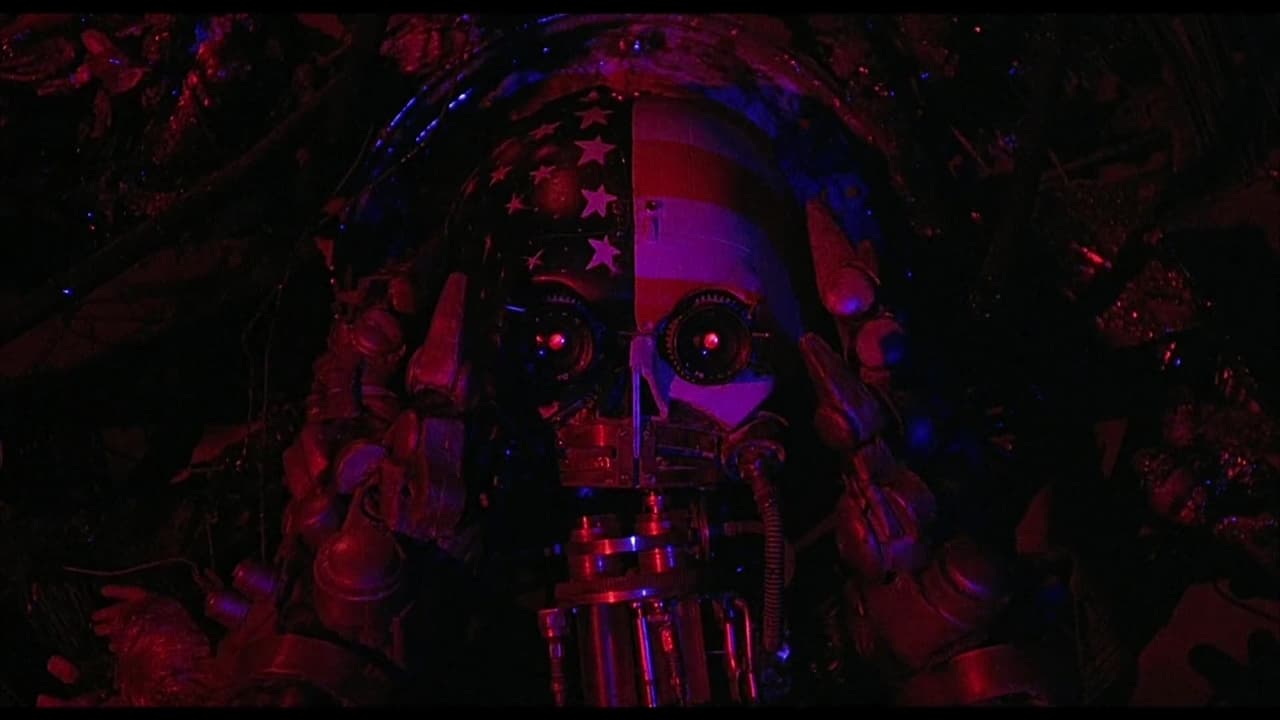
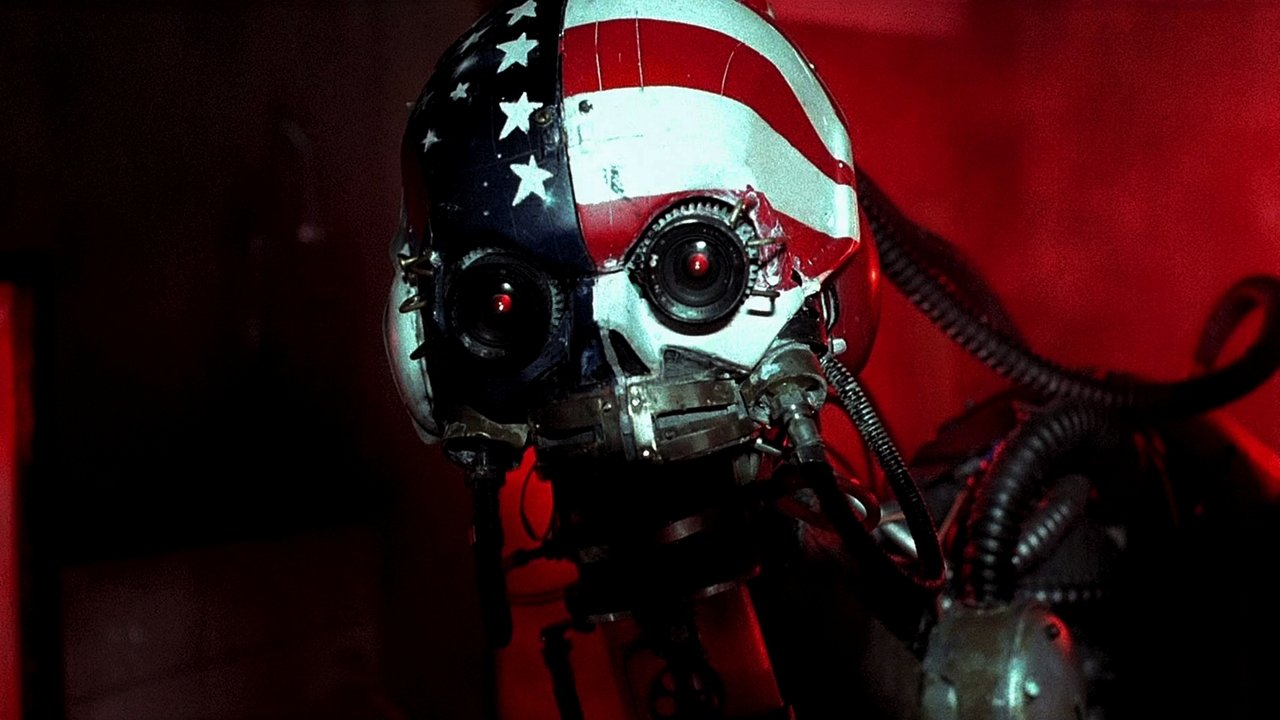
The atmosphere wouldn't be half as effective without the pounding, industrial soundtrack. Composer Simon Boswell provides a chilling score, but it’s the licensed tracks from bands like Ministry ("Stigmata") and Public Image Ltd. ("The Order of Death") that truly define the film's sonic identity. Add Iggy Pop's radio pronouncements and a brilliant cameo from Motörhead's Lemmy Kilmister as a water-taxi driver ("I don't take plastic, never have, never will."), and you have a soundscape as harsh and unforgiving as the visuals. The music isn’t just background noise; it’s a vital organ of the film, pumping adrenaline and dread through its veins.
Survival and Voyeurism
While Dylan McDermott provides the initial heroic impulse, much of the film rests on Stacey Travis's shoulders. Jill isn't a passive victim; she's resourceful, intelligent, and fights back with everything she has, turning her artistic tools into weapons. Her terror feels palpable, trapped in her apartment fortress that becomes a cage. Adding another layer of grime is the creepy neighbor, Lincoln Weinberg Jr. (John Lynch), observing Jill through his telescope, a reminder that even in isolation, predatory eyes are watching. His presence amplifies the sense of vulnerability, blurring the lines between the mechanical threat inside and the human threat lurking just outside the window.
The film famously ran afoul of the MPAA, initially receiving an X rating for its intense violence and gore. Cuts were made to secure an R, leading to different versions floating around on those cherished VHS tapes and later DVDs. This ratings battle speaks volumes about the era and the often-uneasy relationship mainstream censors had with boundary-pushing genre cinema. Finding an uncut tape felt like uncovering forbidden knowledge back in the rental store days.
Rust Never Sleeps
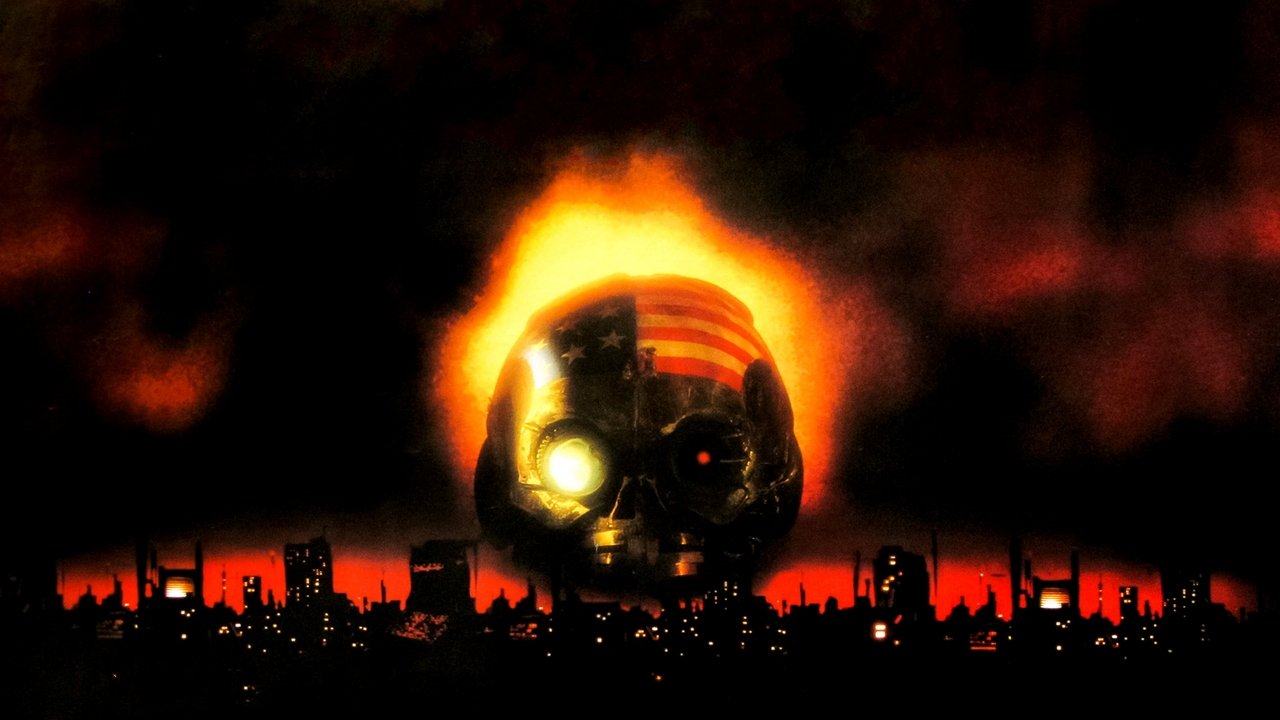
Hardware might show its budget limitations in places, and the pacing can feel relentless to the point of exhaustion. But its raw power, distinctive visual style, and oppressive atmosphere remain remarkably potent. It’s a nasty, nihilistic piece of work that perfectly captured a certain late-Cold War anxiety about technology and dehumanization, filtered through a grimy, post-punk lens. It didn't spawn a franchise, but its influence can be seen in countless low-budget sci-fi horror films that followed. For fans of gritty practical effects, suffocating atmosphere, and unapologetically bleak futures, Hardware remains a vital slice of VHS-era cyber-horror. It's a reminder that sometimes, the most terrifying monsters aren't invaders from space, but the things we build ourselves.
Rating: 8/10
Justification: Hardware earns its high marks for its incredibly potent atmosphere, iconic robot design achieved through gritty practical effects, and Richard Stanley's singular, uncompromising vision. The killer soundtrack and claustrophobic tension are masterful. While some aspects might feel dated or constrained by budget, its raw energy and influential cult status make it a standout piece of 90s sci-fi horror that perfectly embodies the tactile dread of the VHS era.