Some images burrow deeper than others. Think of an insect, iridescent and alien, forcing its way into a sleeping woman's nostril. It’s a violation both intimate and grotesque, one of many moments in Michele Soavi’s The Sect (1991) – originally La Setta in its native Italy, and sometimes known confusingly as Demons 4: The Sect – that lingers with the peculiar discomfort of a half-remembered nightmare. This wasn't just another video store horror flick; it was a descent into a certain kind of late-era European strangeness, guided by the shadowy hand of horror maestro Dario Argento.
An Unholy Alliance
Argento, who co-wrote and produced, leaves his fingerprints all over this. You feel it in the film's logic, which often drifts closer to dream than reality, and in its moments of shocking, stylized violence. But The Sect is distinctly Soavi's creature. Having honed his craft working with Argento (Phenomena, Tenebrae) and even Terry Gilliam (on The Adventures of Baron Munchausen), Soavi brings his own visual flair. Here, he crafts a film drenched in atmosphere, less concerned with narrative coherence than with creating a sustained sense of encroaching doom and spiritual decay. Watching it again on a worn tape (or, let's be honest, a digital approximation these days), that unique blend of Argento's obsessions and Soavi's burgeoning style still feels potent.
The story follows Miriam (Halloween H20's Kelly Curtis, sister of Jamie Lee), an American schoolteacher living in Frankfurt, Germany. Her relatively ordinary life is shattered – quite literally – when she accidentally hits an elderly, enigmatic man named Moebius (Herbert Lom, bringing his familiar sinister grace) with her car. Taking him back to her apartment to recover sets off a chain reaction of increasingly bizarre and terrifying events. Moebius, it turns out, is no mere victim; he’s a harbinger, a key figure in a malevolent ancient cult with disturbing designs on Miriam and her seemingly significant womb.

Descent into Surreal Horror
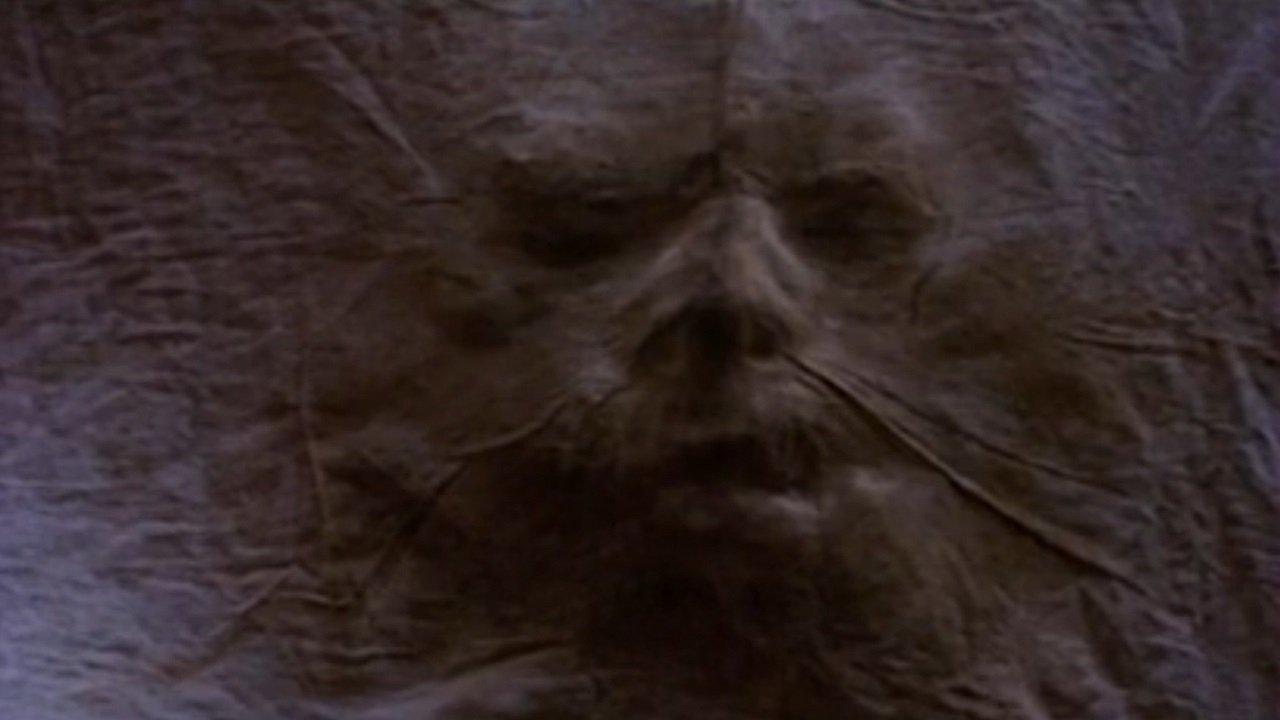
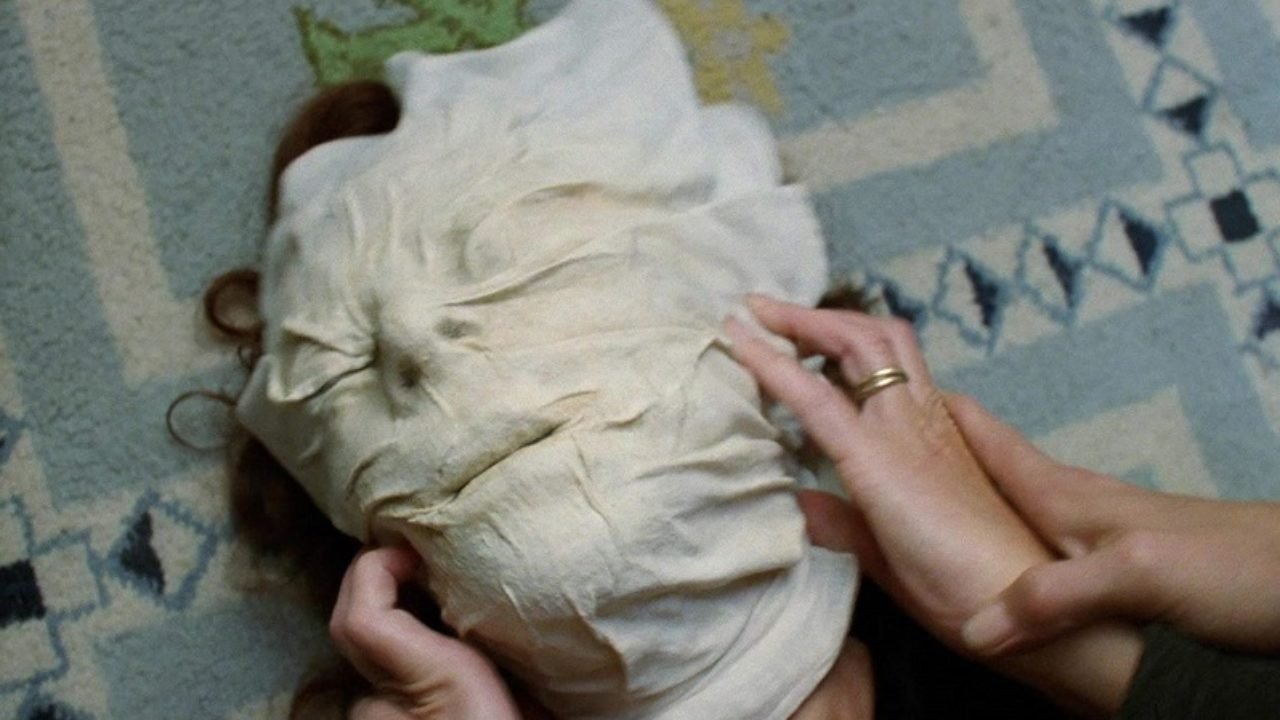
What follows isn't a straightforward slasher or possession tale. The Sect operates on a different frequency, weaving a tapestry of unsettling sequences that prioritize mood over conventional scares. There’s the discovery of a hidden, water-filled chamber beneath Miriam's basement – a chillingly realized set piece that feels both ancient and claustrophobic. There's the infamous scene involving a demonic stork and a character's face – a moment of practical effects madness that is simultaneously ludicrous and deeply disturbing. Apparently, the mechanical stork proved quite temperamental on set, adding a layer of real-world frustration to the filmed horror. Does anyone else remember rewinding that scene, half in disbelief, half morbidly fascinated?
Soavi masterfully uses the Frankfurt locations, contrasting the mundane cityscape with the occult horrors unfolding within its walls. The cinematography often favors blues and deep shadows, enhancing the film’s cold, dreamlike quality. Pino Donaggio (Carrie, Dressed to Kill), a frequent collaborator with Brian De Palma, provides a score that underscores the dread effectively, shifting from melancholic themes to jarring stings. It’s a soundscape that feels perfectly attuned to the film's off-kilter reality.

Curtis carries the film admirably, portraying Miriam’s mounting terror and confusion with conviction. She provides a relatable anchor amidst the escalating weirdness. Herbert Lom, a veteran of Hammer horror and the Pink Panther series, lends considerable weight as the ambiguous Moebius. His presence alone signals a deeper, darker game is afoot. The supporting cast, including Mariangela Giordano (a familiar face in Italian exploitation cinema), fills out this world of sinister disciples and unsuspecting victims.
The Argento Connection and Legacy
While marketed in some territories as Demons 4, The Sect has only a thematic connection to Lamberto Bava's much more straightforward gorefests Demons (1985) and Demons 2 (1986), largely due to Argento's producer credit on all of them. The Sect is far more aligned with Argento's own supernatural thrillers like Suspiria (1977) or Inferno (1980), sharing their emphasis on arcane conspiracies, elaborate set pieces, and reality-bending logic. It’s a film that feels like a bridge between the golden age of Giallo and the shifting landscape of 90s horror.
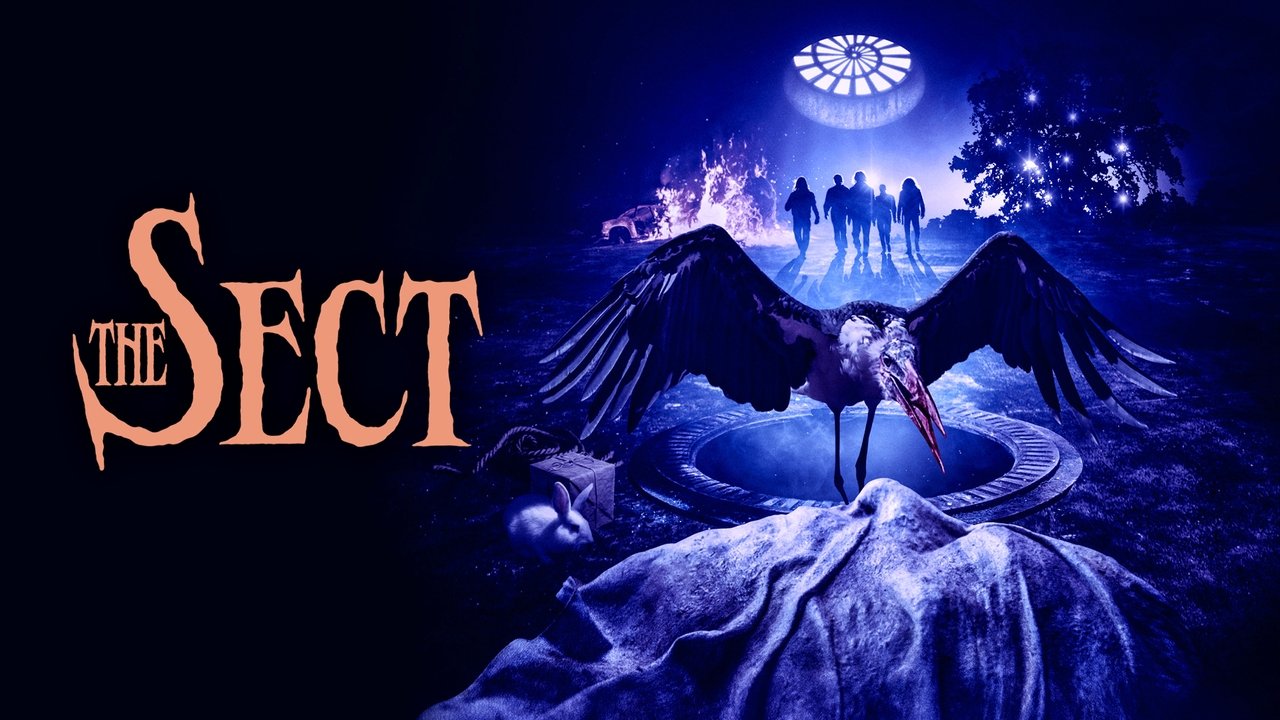
It wasn't a massive box office hit, perhaps too esoteric for mainstream audiences expecting simple scares, but The Sect found its audience on home video. I distinctly remember the striking VHS cover art beckoning from the rental shelves, promising something dark and different. It cemented Michele Soavi's reputation, alongside his earlier StageFright (1987) and later masterpiece Dellamorte Dellamore (1994) (Cemetery Man), as one of the most visually inventive Italian horror directors of his generation, even if his career was tragically cut short by personal circumstances for many years.
Final Reflection & Rating
The Sect isn't a perfect film. Its narrative can feel fragmented, and its dream logic might frustrate viewers seeking linear storytelling. Some of the effects, viewed today, show their seams. Yet, its power lies in its pervasive atmosphere of dread, its striking surrealist imagery, and Soavi's undeniable directorial talent. It crawls under your skin in a way few horror films manage, leaving behind residue of unease rather than jump-scare adrenaline. It’s a prime example of late-stage Italian horror, fascinatingly flawed but visually captivating and genuinely unsettling.
Rating: 7/10
This score reflects the film's exceptional atmosphere, Soavi's stylish direction, and its memorable, disturbing sequences, balanced against a narrative that sometimes prioritizes mood over coherence. For fans of Argento, surreal horror, and that specific brand of early 90s Euro-cult dread, The Sect remains a darkly compelling watch, a tape worth rewinding in the unsettling quiet of the night.