Okay, picture this: It’s late, the glow of the CRT is the only light in the room, and you’ve just popped in a tape snagged from the ‘New Releases’ wall at Blockbuster – maybe even recommended by that slightly-too-cool video store clerk. The tracking might be a little fuzzy, but what unfolds is pure, unadulterated Hong Kong cool. I’m talking about John Woo’s 1991 caper, Once a Thief (Zongsheng Sihai), a film that practically bursts with charm, style, and yeah, plenty of signature Woo gunplay, albeit with a sunnier disposition.
### A Breath of Fresh Parisian Air
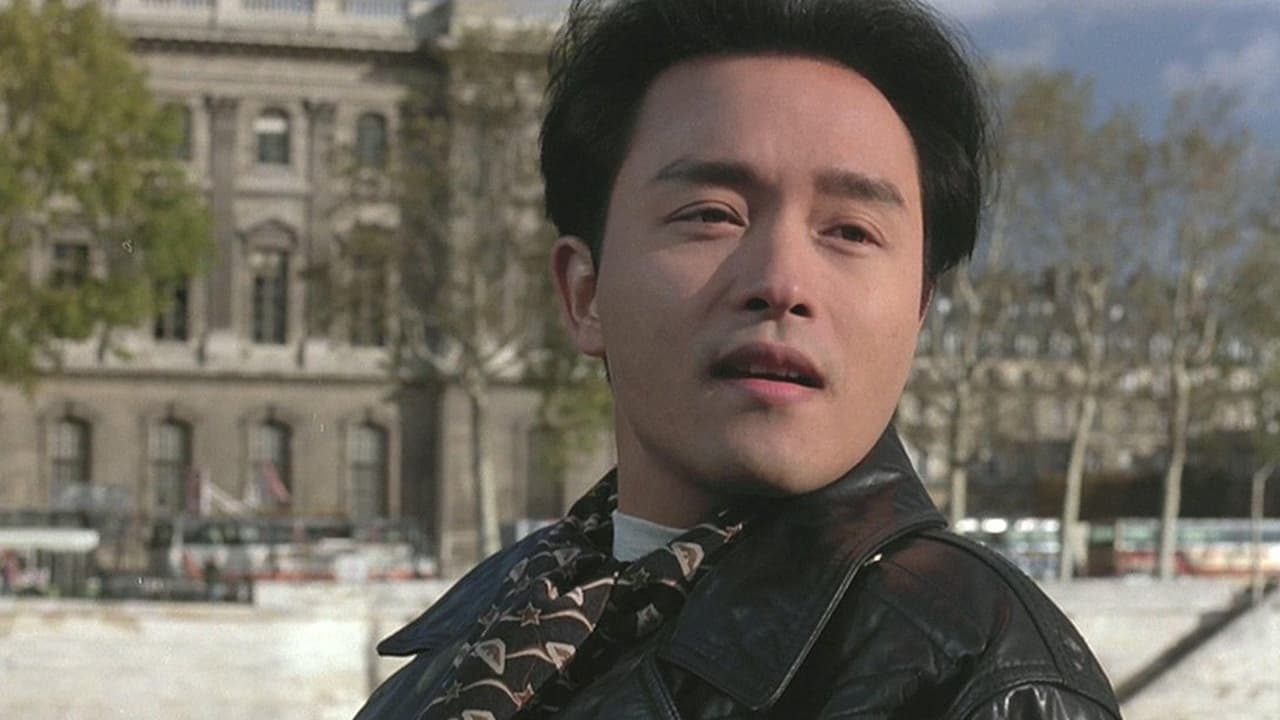
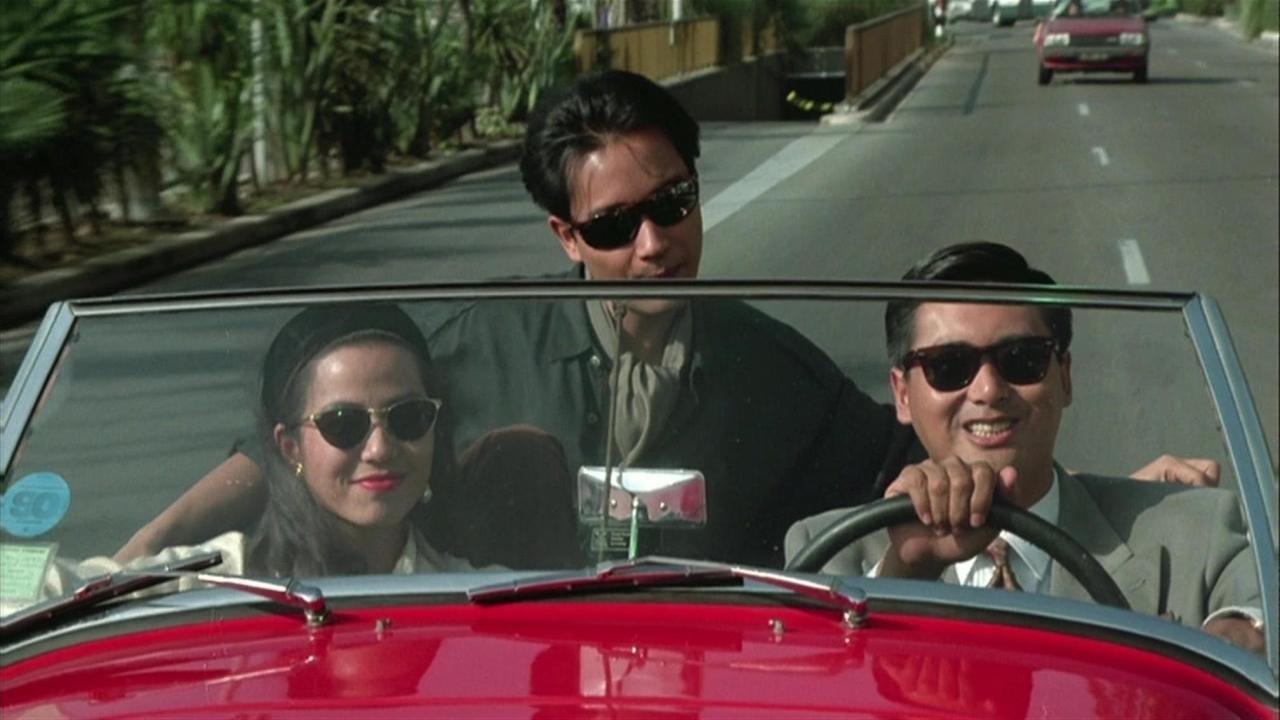
After the emotionally draining intensity and notoriously difficult production of Bullet in the Head (1990), John Woo needed a palate cleanser. And boy, did he deliver. Once a Thief feels like Woo taking a deep breath and deciding to just have fun. Swapping the grim alleyways of his usual heroic bloodshed epics for the glamorous streets of Paris and the vibrant energy of Hong Kong, this film is a breezy, stylish romp. It follows three childhood friends and partners in crime – Joe (Chow Yun-Fat), Jim (Leslie Cheung), and Cherrie (Cherie Chung) – skilled art thieves raised by a ruthless adoptive father figure. The plot involves betrayals, presumed deaths, elaborate heists, and a simmering love triangle, all handled with a surprisingly light touch. You can almost feel Woo channeling inspirations like Hitchcock’s To Catch a Thief (1955) and the playful dynamics of French New Wave classics like Jules et Jim (1962).
### The Dream Team
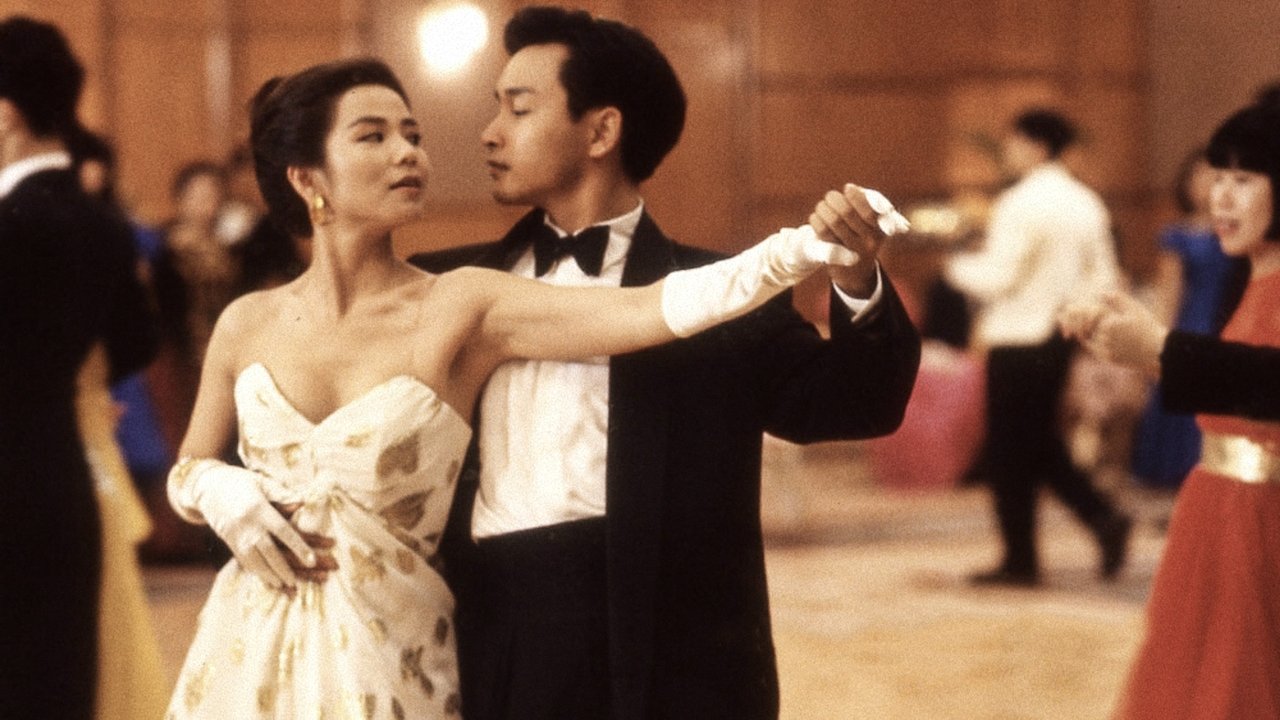
Let's be honest, a huge part of the magic here is the cast. Chow Yun-Fat, already a megastar thanks to films like A Better Tomorrow (1986), oozes his trademark effortless cool, but with an added layer of goofy charm. He gets to be funny, romantic, and still utterly lethal when the situation demands it. Paired with the charismatic and equally talented Leslie Cheung, their brotherly banter and rivalry feel completely genuine. And then there's Cherie Chung, in what would sadly be her final film role before retiring from acting. She’s luminous, holding her own between the two male leads, adept with both witty retorts and, when necessary, a firearm. The chemistry between these three is electric; they make you believe in their shared history and complex relationships, elevating the film beyond a simple action flick. It’s a delight seeing them together, a true snapshot of Hong Kong cinema royalty at its peak.
### Action with a Smile (and Squibs)
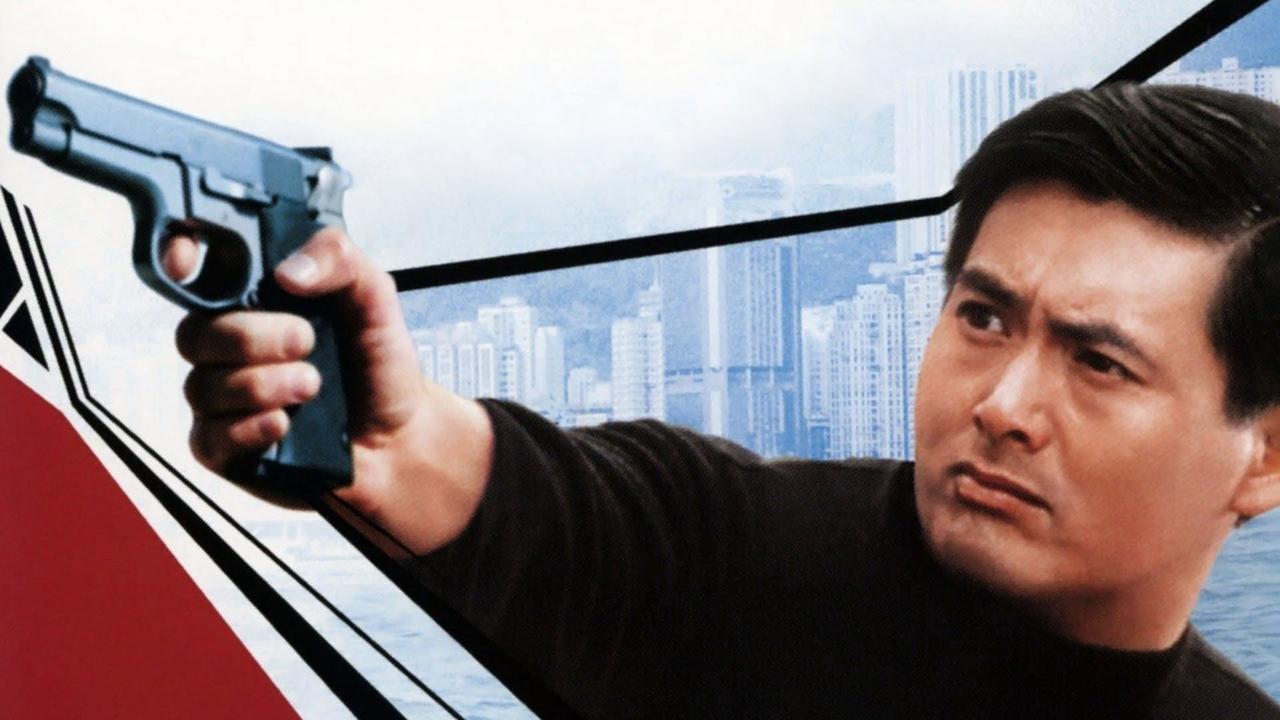
Now, this being a John Woo film, you know there’s going to be action. But Once a Thief presents a fascinating variation on his usual style. The gunfights are still meticulously choreographed, filled with slow-motion dives and dual-wielding pistols, but they often have a more acrobatic, almost playful feel. Remember those bullet hits back then? No subtle digital puffs – we got satisfyingly messy squibs erupting, adding a visceral, practical impact that modern CGI often smooths over. There’s a fantastic castle heist sequence early on, mixing stealth and sudden bursts of violence, and a climactic showdown involving exploding paintings and wheelchair-bound machine-gunning (yes, really!) that’s pure Woo extravagance.
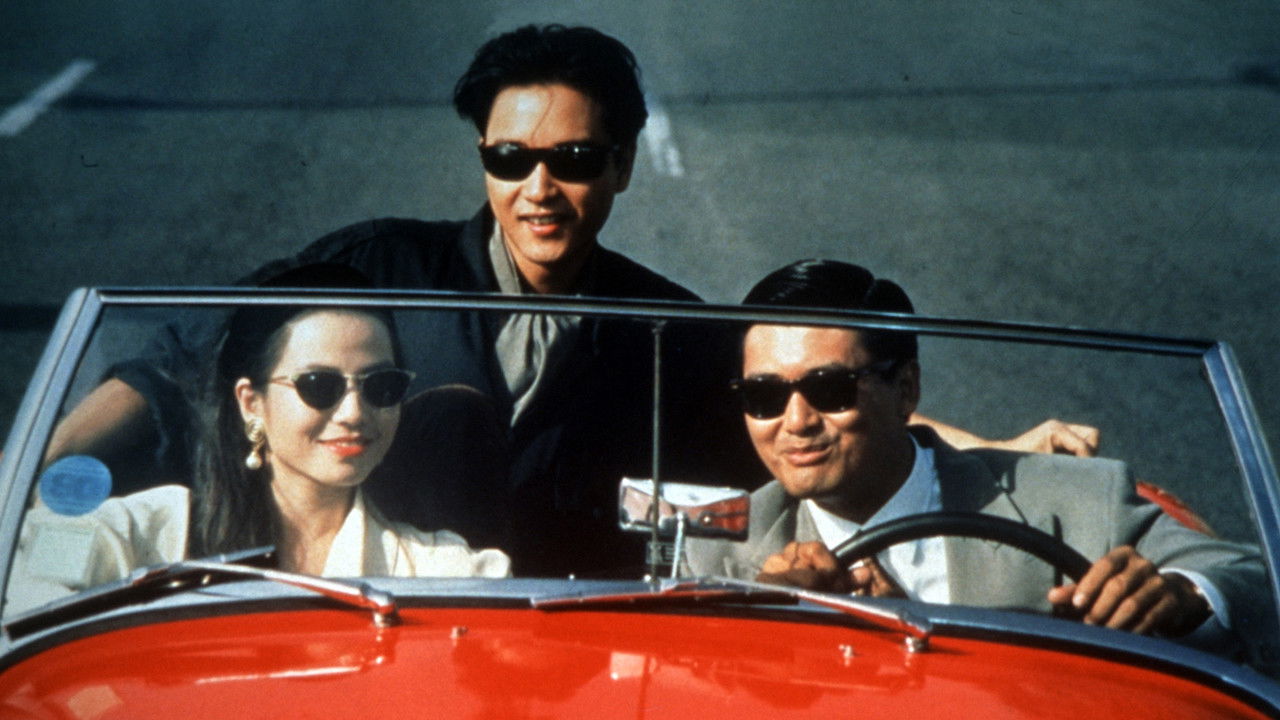
One particularly memorable sequence involves a car chase through Nice, France. It might not have the bone-jarring realism of, say, Ronin (1998), but for 1991, it felt thrilling – real cars, real near-misses, expertly captured with that kinetic energy Woo is known for. It wasn't about seamless digital trickery; it was about capturing chaos practically, giving it a weight and tangibility that felt incredibly exciting on that buzzing VHS tape. They actually filmed much of the European action on location, adding a layer of authenticity and scope that punched above its weight. The film reportedly cost around HK$35 million, a hefty sum then, but it paid off, becoming a massive hit in Hong Kong.
### More Than Just Bullets
Beyond the action, Once a Thief succeeds because it has heart and humour. The central relationship triangle is handled with a surprising degree of warmth, avoiding melodrama for something more bittersweet and engaging. The lighter tone allows for moments of genuine comedy, often stemming from Chow Yun-Fat's character adapting (or failing to adapt) to a seemingly quieter life later in the film. The score by Joseph Koo perfectly complements this tonal blend, shifting effortlessly between sweeping romance, tense action cues, and playful caper motifs. It’s this blend that made the film stand out – it wasn't just another gritty crime story; it was a glamorous adventure with characters you genuinely liked. It’s no wonder John Woo revisited the concept later with a 1996 Canadian TV movie remake and subsequent series, though nothing quite captured the magic of this original trio.
### The Verdict
Watching Once a Thief today is like revisiting an old friend who hasn’t lost their sparkle. Sure, some elements feel distinctly early 90s, but the core appeal – the incredible star chemistry, the stylish direction, and the unique blend of humour, romance, and kinetic action – remains potent. It’s a reminder of a time when Hong Kong action cinema was arguably the most exciting in the world, and when practical stunts and charismatic stars carried the day.
Rating: 8/10
This rating reflects the film's sheer entertainment value, the iconic performances from its lead trio, and its status as a unique, lighter entry in John Woo's legendary filmography. It might not have the depth of The Killer or the explosive impact of Hard Boiled (1992), but its charm and rewatchability are undeniable.
Final Thought: Once a Thief is pure VHS-era comfort food – a slick, funny, and effortlessly cool caper that reminds you how charismatic stars and well-placed squibs could make movie magic long before computers took over the heavy lifting. Absolutely worth tracking down for a dose of 90s Hong Kong delight.