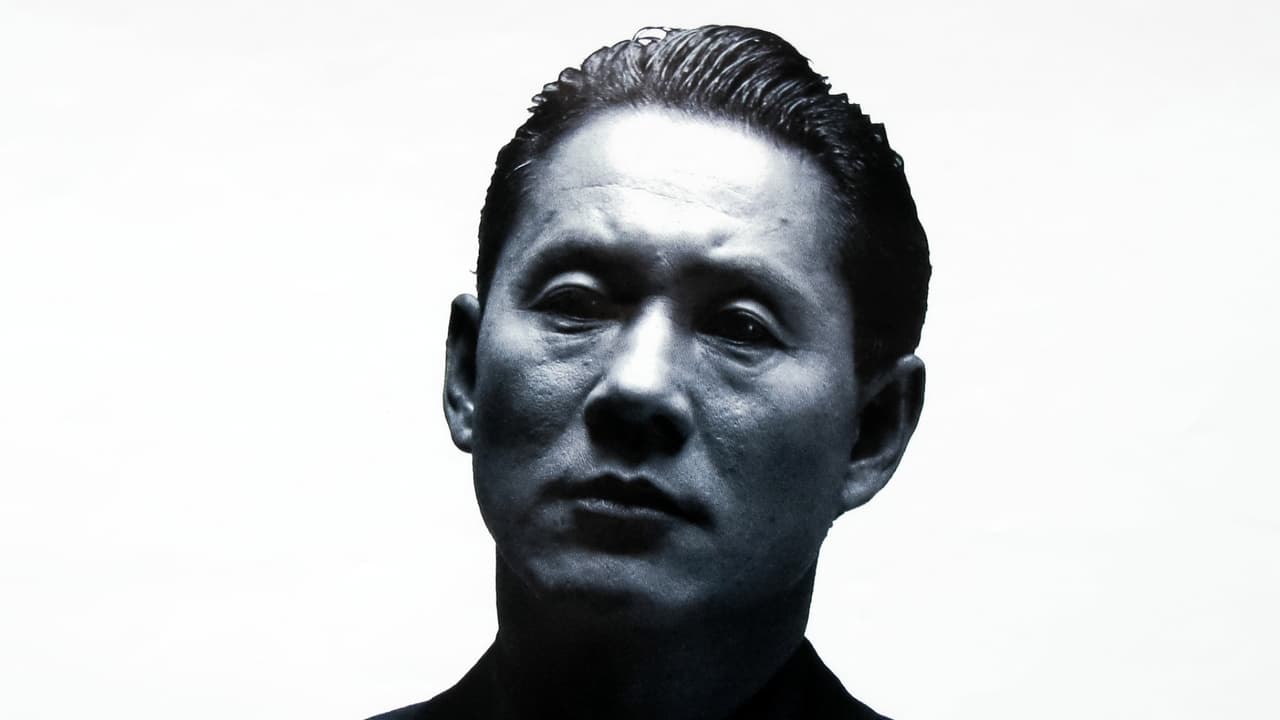
The fluorescent lights of the precinct flicker, casting long, distorted shadows. A man sits, impassive, almost bored. Then, suddenly, violence erupts – swift, brutal, utterly devoid of fanfare. This isn't the stylized ballet of Hollywood action; this is the cold, hard impact of Takeshi Kitano's directorial debut, Violent Cop (1989), originally titled Sono otoko, kyōbō ni tsuki ("Regarding That Man, He is Violent"). Forget any lingering images of Kitano the comedian ('Beat Takeshi'); this film grabs you by the throat from the opening minutes and rarely loosens its grip.
### An Unflinching Introduction
Detective Azuma (Takeshi Kitano) is a force of nature contained, barely, within a police uniform. He operates outside the lines, employing intimidation and raw violence as primary investigative tools. When his investigation into drug trafficking intertwines with the kidnapping of his mentally disabled sister (Maiko Kawakami) and the corruption reaches within his own department, Azuma's already thin veneer of control shatters completely. He becomes a rogue element, a walking embodiment of vengeance simmering beneath a chillingly calm exterior. The plot itself, penned initially by Hisashi Nozawa, might sound like standard gritty cop fare, but in Kitano’s hands, it becomes something far more elemental and disturbing.
### The Birth of Kitanoesque Cinema
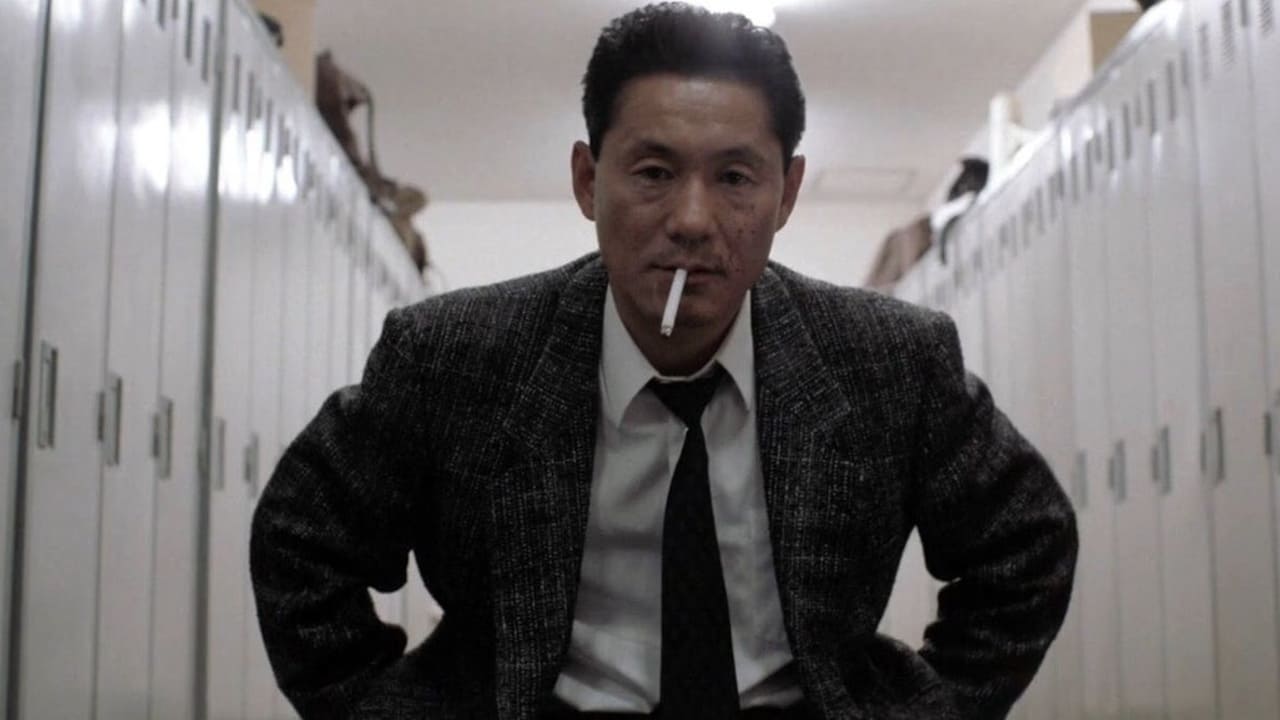
Here’s where the story gets fascinating. Violent Cop wasn't originally meant to be Kitano's film. Veteran director Kinji Fukasaku (Battles Without Honor and Humanity) was slated to direct, envisioning a more conventional, perhaps faster-paced, action thriller. When scheduling conflicts forced Fukasaku to drop out, the film's star, Kitano, famously stepped into the director's chair. He didn't just take over; he reportedly tore through Nozawa's script, stripping away dialogue, backstory, and conventional character arcs, reshaping it into the minimalist, elliptical, and terrifyingly quiet film we know today. This unexpected directorial debut wasn't just a job; it was the forging of a cinematic identity. Long takes, static camera shots punctuated by sudden, shocking violence, minimal dialogue, and a protagonist whose thoughts remain largely impenetrable – the Kitano style was born here, fully formed and startlingly confident. Remember watching this on a rented tape, perhaps expecting something akin to Dirty Harry, only to be confronted with this stark, almost alien approach to the crime genre? It felt different. Colder.
### Violence as Punctuation
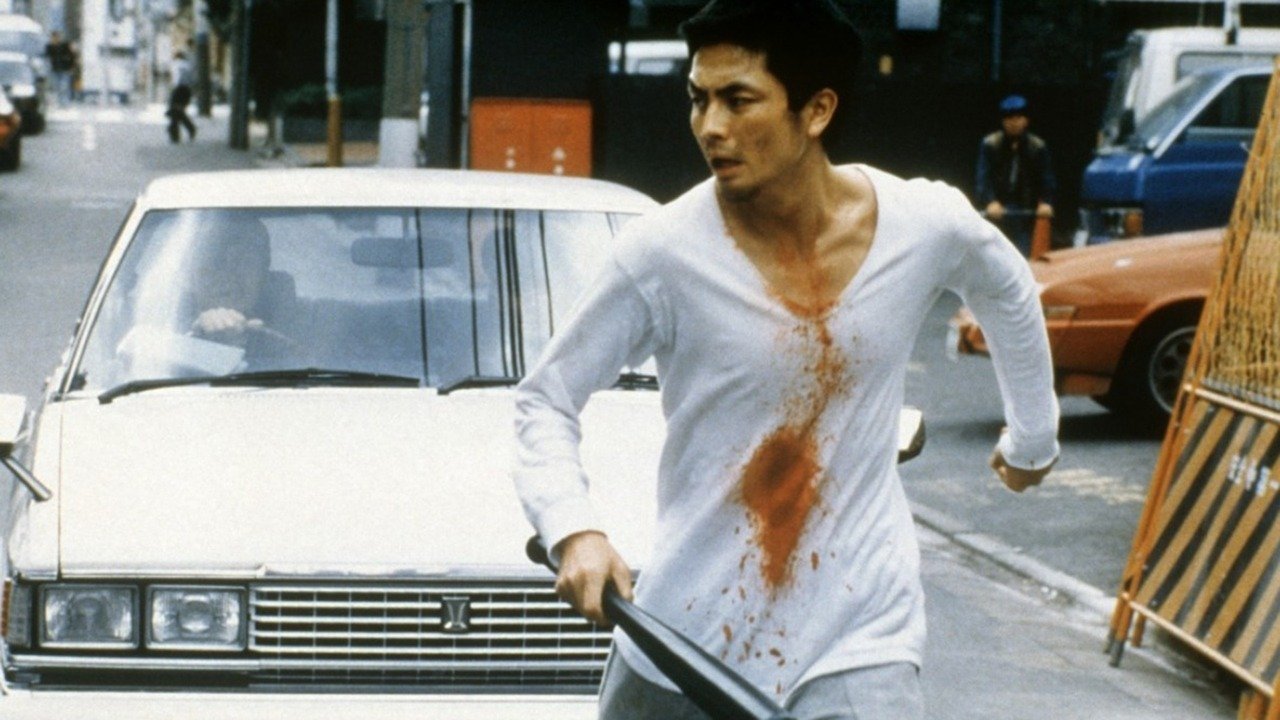
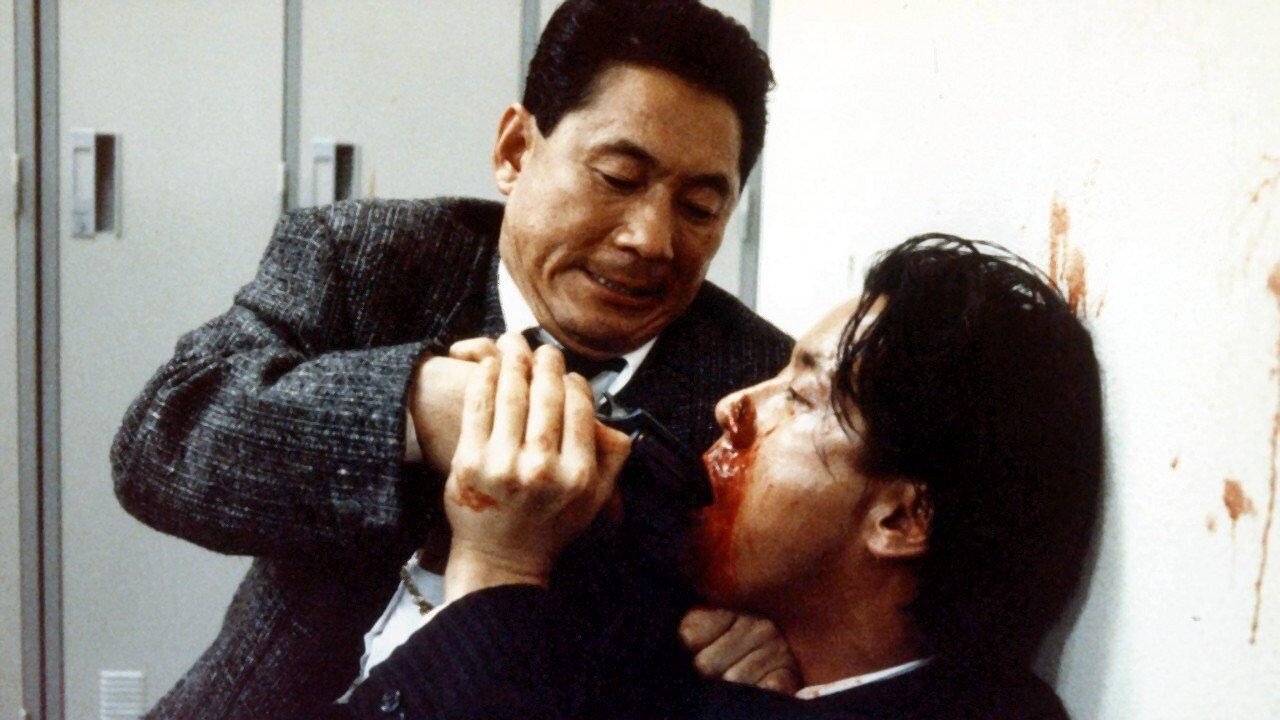
The violence in Violent Cop isn't gratuitous in the exploitative sense; it's methodical, impactful, and often disturbingly casual. Azuma doesn't engage in witty banter before beating a suspect; he simply does it. Fights aren't choreographed spectacles; they are clumsy, brutal, and over quickly. Kitano uses violence not just for shock, but as punctuation in the long silences, revealing the character's state and the bleakness of his world far more effectively than pages of dialogue ever could. The infamous interrogation scene, or the bleak confrontation with the pusher Iwaki, land with the force of a physical blow precisely because of the quiet tension Kitano builds around them. The practical effects, though grounded in realism, carry a weight that feels terrifyingly authentic, especially viewed through the slightly degraded lens of a well-worn VHS tape.
### Beyond the Badge
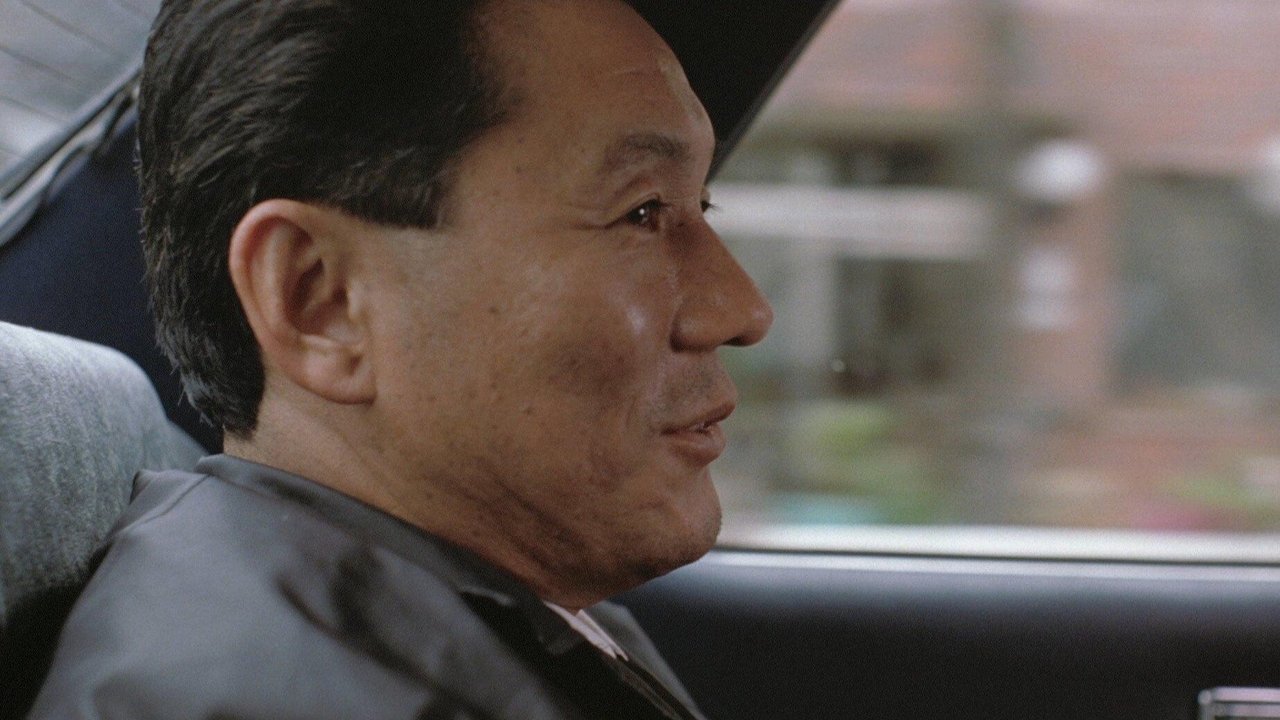
Kitano's performance as Azuma is mesmerizing. His face, often impassive, occasionally flickers with a tic or a dead-eyed stare that speaks volumes. He carries the weight of a deep, perhaps existential, exhaustion, punctuated by bursts of terrifying rage. It's a performance built on stillness and sudden eruption, completely subverting his popular image as a fast-talking comedian in Japan at the time. Supporting players like Makoto Ashikawa as the naive rookie detective Kikuchi, Azuma's reluctant partner and moral counterpoint, serve primarily to highlight Azuma's isolation and extremity. The film's setting – the unglamorous streets, drab interiors, and sterile offices of late-80s Japan – contributes heavily to the oppressive atmosphere. There's no romanticism here, just urban decay and moral rot.
### Legacy in Stillness and Shock
Violent Cop wasn't a massive blockbuster, but its impact was profound. It announced Takeshi Kitano as a major directorial talent with a unique, uncompromising vision. It established the thematic concerns – masculinity, violence, honour (or lack thereof), alienation – and the distinct aesthetic that would define his subsequent masterpieces like Sonatine (1993) and Hana-bi (1997). Watching it now, it still feels bracingly modern in its starkness and refusal to offer easy answers or catharsis. Doesn't that final, chilling sequence still linger, refusing to provide neat resolution? It’s a film that gets under your skin precisely because it offers no comfort, no escape from the cycle of violence it depicts.
---
VHS Heaven Rating: 9/10
Violent Cop is a brutal, minimalist masterpiece and a landmark debut. Its power lies in its unflinching gaze, Kitano's magnetic performance, and the stark, controlled direction that redefined the possibilities of the crime genre. The deliberate pacing and extreme bleakness might not resonate with everyone, but its artistry and raw impact are undeniable. It earns its high score for its sheer audacity, the birth of a singular cinematic voice, and its enduring power to shock and provoke thought long after the tape clicks off.