The air hangs thick and damp, smelling of rain, stale noodles, and something vaguely metallic, like old blood. Neon signs bleed fuzzy colours onto slick asphalt, reflecting in the windows of cramped apartments and darkened storefronts. This isn't just any city; it's the claustrophobic, morally compromised heart of New York's Chinatown, circa 1999, as painted by director James Foley in The Corruptor. Forget the heroic slow-motion ballets you might expect; this film plunges you headfirst into a grimy world where the line between cop and criminal blurs into an indistinguishable, ugly smear. It’s the kind of late-night VHS discovery that leaves you feeling cold, unsettled, wondering just how deep the rot goes.

Welcome to the Precinct's Grey Zone
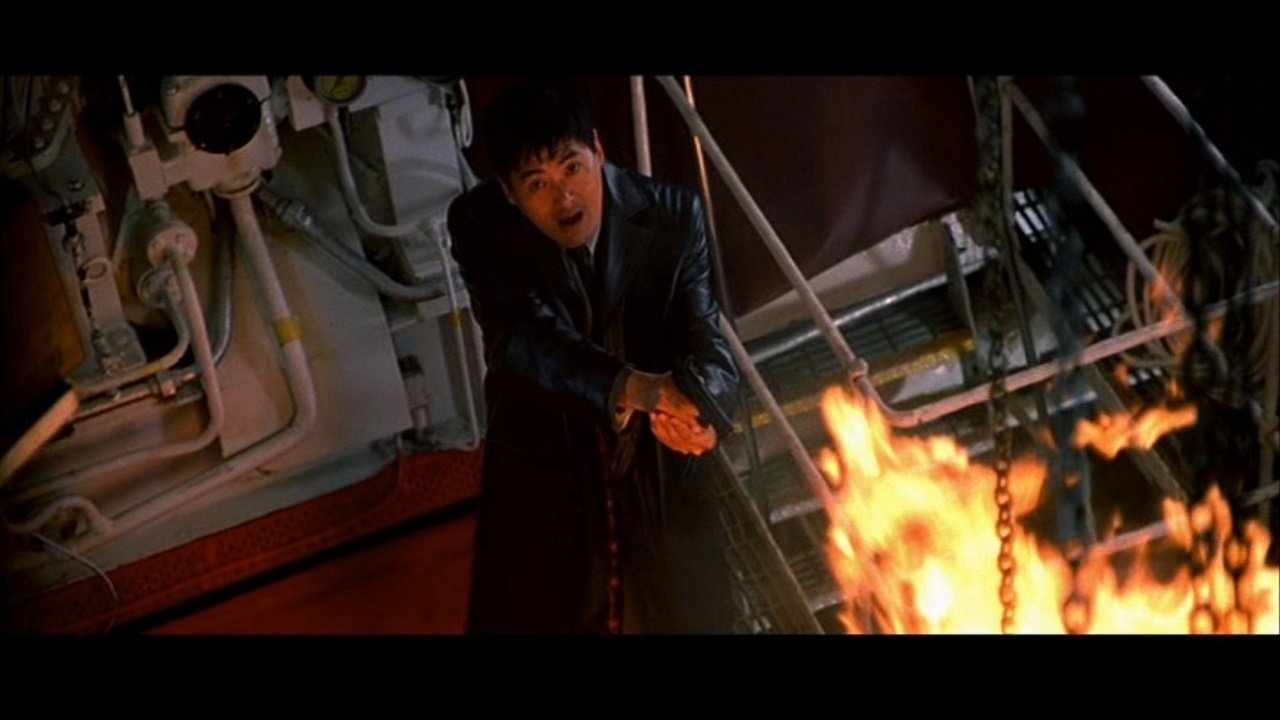
At the center of this maelstrom is Lieutenant Nick Chen, portrayed by the legendary Chow Yun-fat in only his second major Hollywood role after The Replacement Killers (1998). Expectations were sky-high for the charismatic star, synonymous with John Woo's operatic gunfights. Foley, however, fresh off the intense stalker-thriller Fear (1996) and the acidic stage adaptation Glengarry Glen Ross (1992), steers Chen away from archetypal heroism. This Chen is weary, compromised, the head of the NYPD's Asian Gang Unit who maintains a fragile peace through decidedly unorthodox, often illegal, means. He’s deeply embedded within the very community he polices, navigating treacherous alliances with Triad bosses like Henry Lee (Ric Young). There’s a quiet intensity to Chow’s performance, a palpable weight of compromised ideals behind his eyes, even if the script sometimes struggles to give him the depth his Hong Kong roles effortlessly commanded. It's fascinating trivia that the script was penned by Robert Pucci, a former NYPD officer himself, lending a certain grim authenticity to the procedures and the pervasive cynicism.
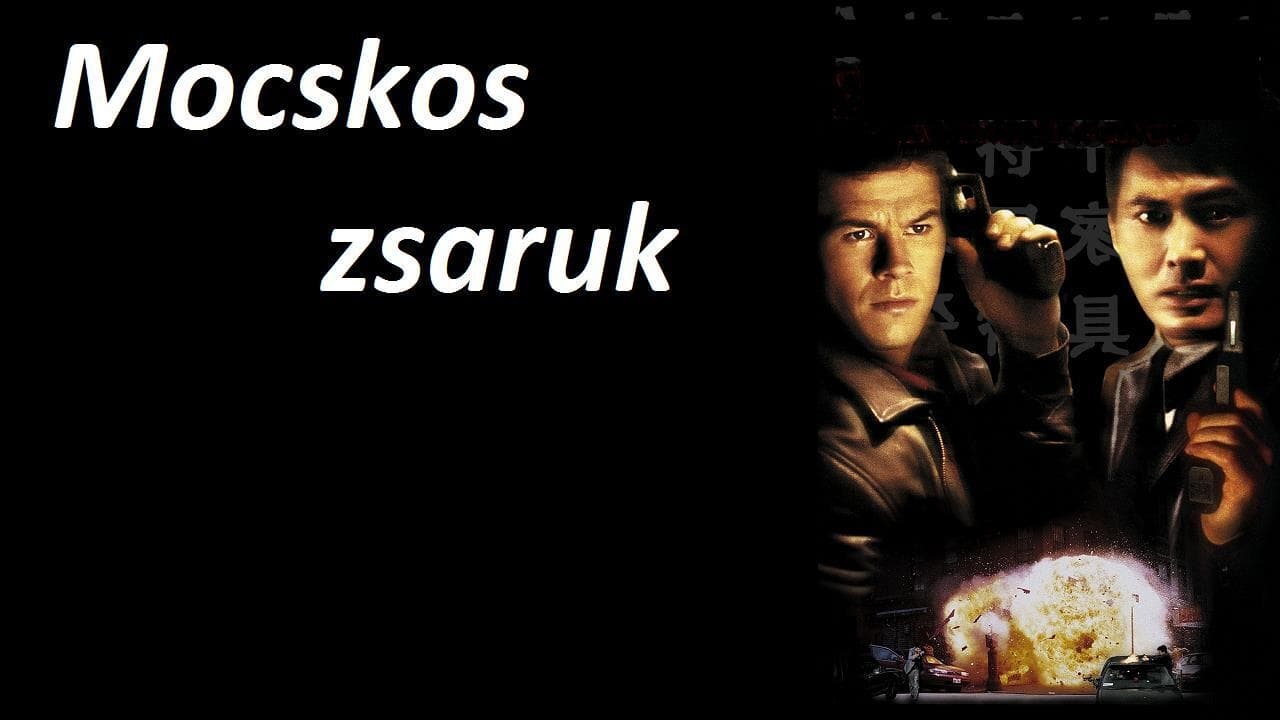
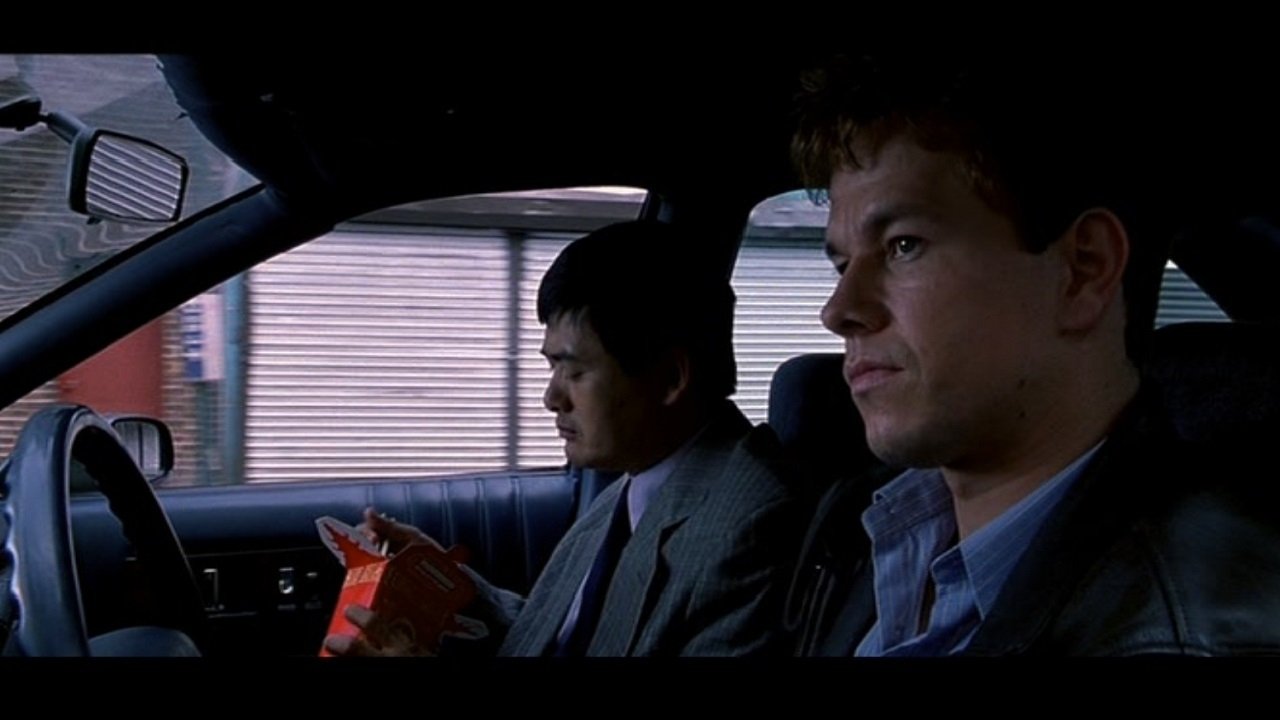
Into this precarious ecosystem steps Danny Wallace (Mark Wahlberg), a young, seemingly idealistic cop assigned to Chen's unit. Wahlberg, riding high off acclaimed turns in films like Boogie Nights (1997), embodies the eager, slightly naive outsider. His initial admiration for Chen slowly curdles into suspicion and then something far more complicated as he gets drawn into the unit’s morally ambiguous methods and the escalating violence between the established Tung Fung Benevolent Association and the ruthless Fukienese Dragons gang. The dynamic between Chow and Wahlberg crackles with tension – a brittle mentorship built on secrets and shifting loyalties. You feel the unease build, the sense that this partnership is a powder keg waiting for a spark.

Atmosphere Over Artifice
What The Corruptor truly excels at is atmosphere. Foley and cinematographer Juan Ruiz Anchía (who also shot Glengarry Glen Ross) conjure a Chinatown that feels viscerally real – crowded, dimly lit, perpetually damp. It’s a world away from the stylized gloss of many 90s action films. The action sequences, when they erupt, are brutal and chaotic rather than balletic. Gunfights feel desperate and messy, chases careen through narrow, cluttered streets. There’s a grounded, street-level feel that enhances the film’s bleak outlook. This wasn't a cheap movie – reportedly costing around $60 million – but Foley channels the resources into texture and mood rather than explosive spectacle alone. The result is a film that feels heavy, drenched in the grime and desperation of its setting. Remember that foot chase through the crowded festival? The sheer claustrophobia felt incredibly real, a far cry from carefully choreographed set pieces.
A Bleak Bargain
This isn't a feel-good story. The Corruptor leans hard into its title, exploring the pervasive nature of corruption not just within the gangs, but within the police force meant to contain them. Wallace’s journey isn't one of righteous triumph, but of gradual immersion into the moral swamp. The film doesn't shy away from the ugliness, the impossible choices faced by those operating in the grey areas. It asks uncomfortable questions about whether the system itself necessitates compromise, whether upholding the law sometimes requires breaking it. It’s a theme Foley explored before, but grounding it in the specific cultural context of Chinatown adds another layer of complexity. The film famously faced some struggles with the ratings board over its violence and bleak tone, a testament to its unflinching portrayal of this underworld.
Despite its strengths – the potent atmosphere, the committed performances from its leads – The Corruptor didn't quite set the box office alight, barely recouping $24.5 million worldwide against its hefty budget. Perhaps audiences expecting another Hard Boiled (1992) were thrown by the film's more somber, dramatic pacing and morally ambiguous core. It lacks the sheer kinetic energy of Chow's Hong Kong peak, trading flamboyant action for a slower-burning intensity that doesn't always fully ignite. The plot mechanics can occasionally feel a little standard-issue for the genre, even with the compelling setting and central performances.
Final Verdict
The Corruptor remains a fascinating, if flawed, entry in the late-90s crime thriller canon. It’s a film steeped in a specific kind of gritty realism, anchored by the magnetic presence of Chow Yun-fat navigating a complex Hollywood transition and a solid turn from Mark Wahlberg. Its oppressive atmosphere and bleak worldview linger long after the credits roll, a stark reminder of a certain style of ambitious, adult-oriented genre filmmaking that feels increasingly rare. It may not have been the breakout hit some hoped for, but it delivered a potent dose of Chinatown noir that felt distinct amidst the era's action fare.
Rating: 7/10
Justification: The score reflects the film's powerful atmosphere, compelling lead performances, and gritty realism, which are significant strengths. However, it's docked points for a somewhat conventional plot beneath the surface, occasional pacing issues, and not fully maximizing the potential of its star, Chow Yun-fat, compared to his iconic HK work. Its commercial failure also speaks to perhaps not quite hitting the mark for mainstream audiences at the time. Still, it's a strong, atmospheric thriller worth rediscovering.
For fans of gritty cop dramas and that distinct late-90s neon-noir aesthetic, The Corruptor is a tape worth digging out of the archives. It’s a dark, cynical journey that might just stick with you, like the damp chill of those rain-slicked city streets.