Okay, rewind your minds. Picture this: it's 1990. Video store shelves are stacked high. You spot that familiar yellow spine, the one promising a potent cocktail of action, comedy, and two of the biggest stars on the planet beaming back at you. That's the magnetic pull of Bird on a Wire, a film that practically leaped off the shelf and into your VCR, promising a Friday night fuelled by popcorn and high-octane hijinks. And you know what? For the most part, it delivered exactly that brand of slightly chaotic, star-powered escapism we craved back then.
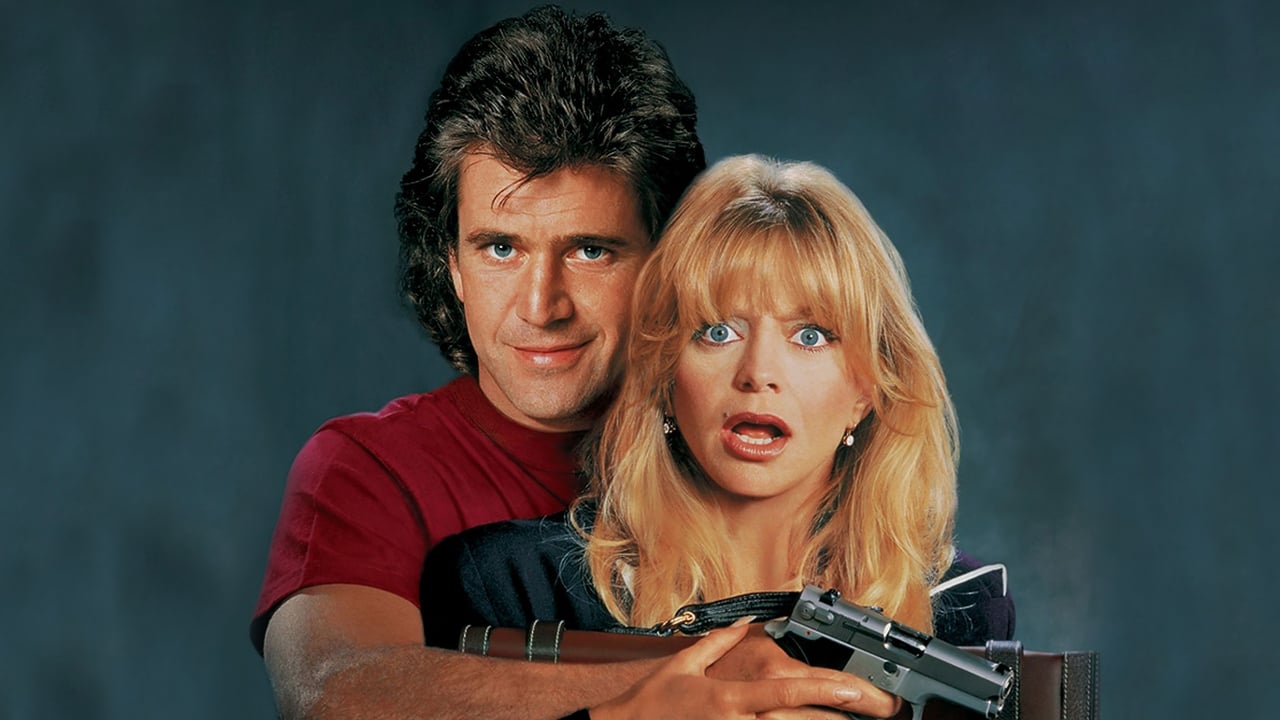
The premise is pure Hollywood high-concept: Rick Jarmin (Mel Gibson, riding high between Lethal Weapon 2 and Hamlet believe it or not) is hiding out in the Witness Protection Program, living a low-key life as a gas station attendant. Fifteen years earlier, he helped put away a seriously bad dude, drug-running DEA agent Eugene Sorenson (David Carradine, radiating that effortless menace he perfected post-Kung Fu). Naturally, his carefully constructed anonymity shatters when his former fiancée, Marianne Graves (Goldie Hawn, the undisputed queen of effervescent comedy), literally bumps into him. Recognition sparks, old feelings flare, and unfortunately for them, Sorenson and his equally ruthless partner (played with chilling conviction by Bill Duke) are freshly sprung from prison and thirsty for revenge. Cue the cross-country chase!
Stars Align, Sparks (Mostly) Fly
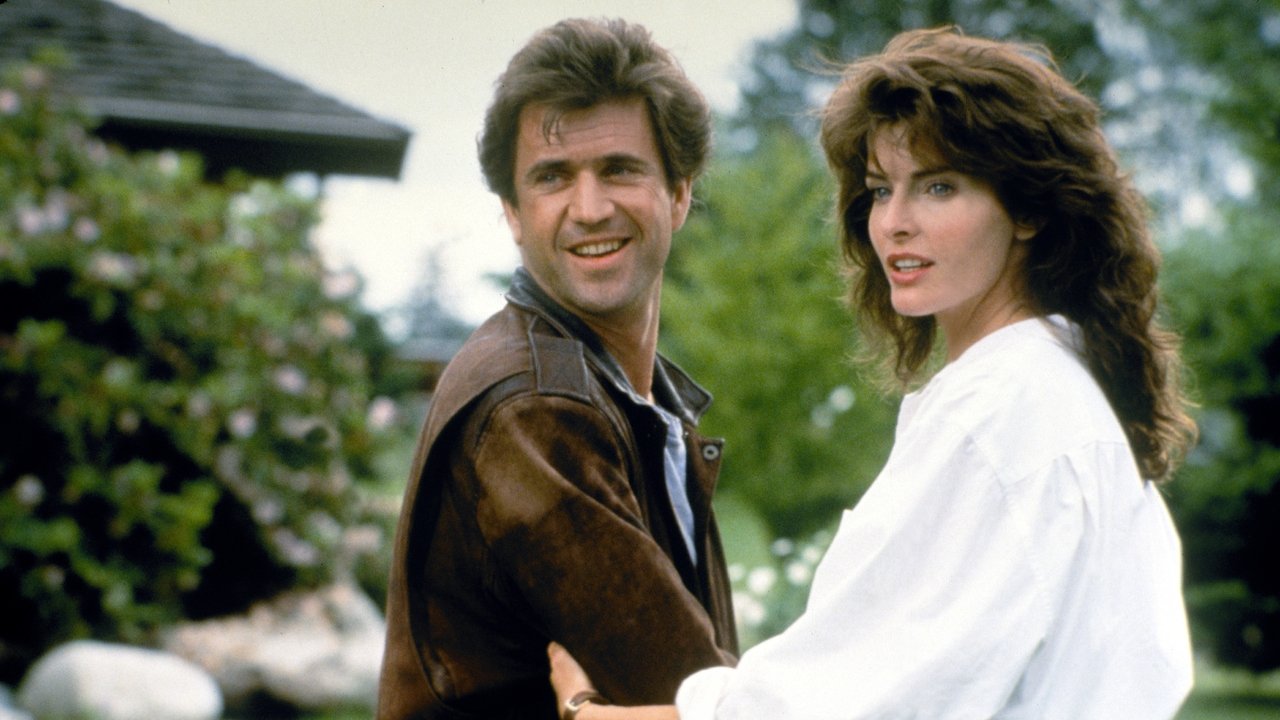
Let's be honest, the main draw here was the pairing of Gibson and Hawn. He was the charismatic action hero with a wild streak; she was the bubbly, golden-haired comedienne with impeccable timing. Putting them together felt like cinematic dynamite. Do they always have crackling, screen-melting chemistry? Maybe not consistently – sometimes the script feels like it's pulling them in slightly different directions – but their individual star wattage is undeniable. Gibson handles the action beats with his usual gritty flair, while Hawn gets the lion's share of the comedic reactions, often finding laughs in Marianne's escalating panic and bewilderment. It's reported that Hawn was instrumental in getting the project off the ground, seeing its potential as a vehicle for her comedic and romantic talents alongside a major action star.
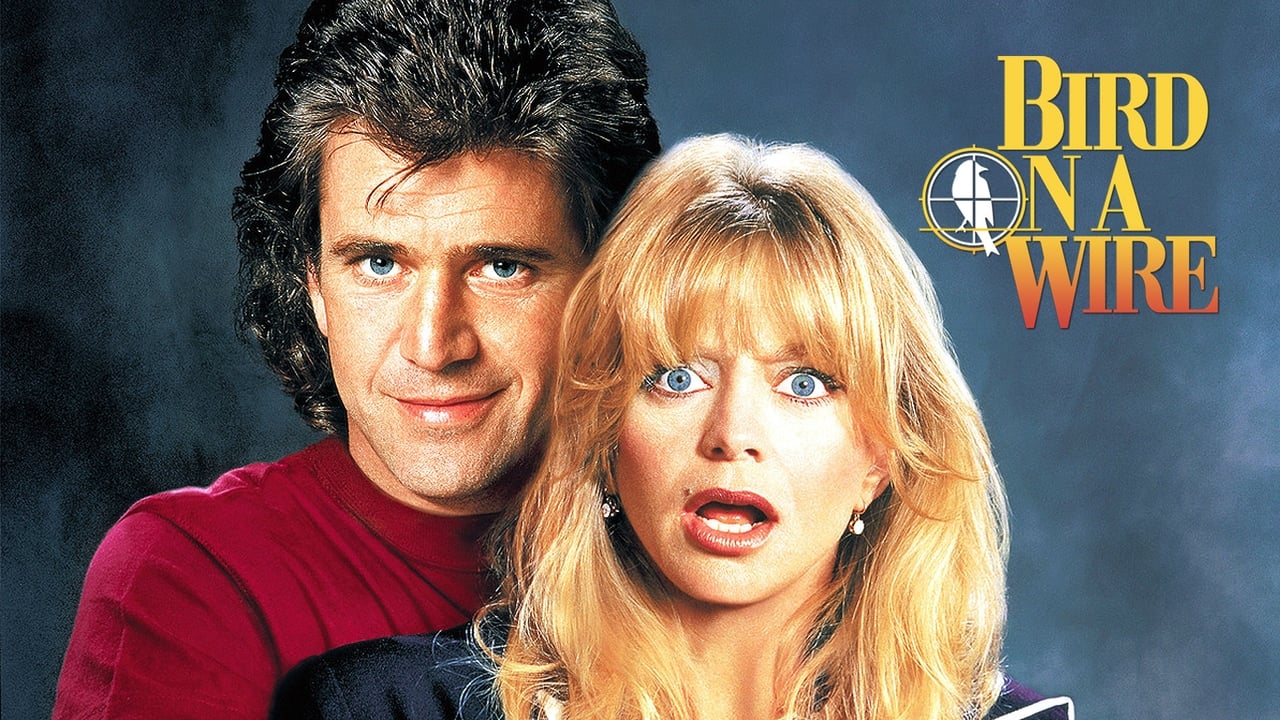
Guiding this runaway train is director John Badham, a guy who knew his way around popular entertainment. Fresh off hits like WarGames (1983) and the buddy-cop comedy Stakeout (1987), Badham brings a certain slickness and pace to the proceedings. He understands how to stage action for maximum impact, even if the plot – credited to a trio of writers (Louis Venosta, David Seltzer, Eric Lerner), often a sign of a bumpy development road – occasionally feels stitched together. The film certainly went through changes; apparently, an early draft was much darker before being retooled into the action-comedy blend we got.
When Stunts Felt Real
Now, let's talk about the real reason films like Bird on a Wire stick in our memory banks: the action. This was the era of glorious practical effects, where explosions felt hot and car crashes looked genuinely painful. Remember that gas station sequence early on? Real fire, real stunt performers, a sense of tangible danger that CGI often smooths over today. Badham orchestrates these moments with a clear eye, making the chaos feel immediate.
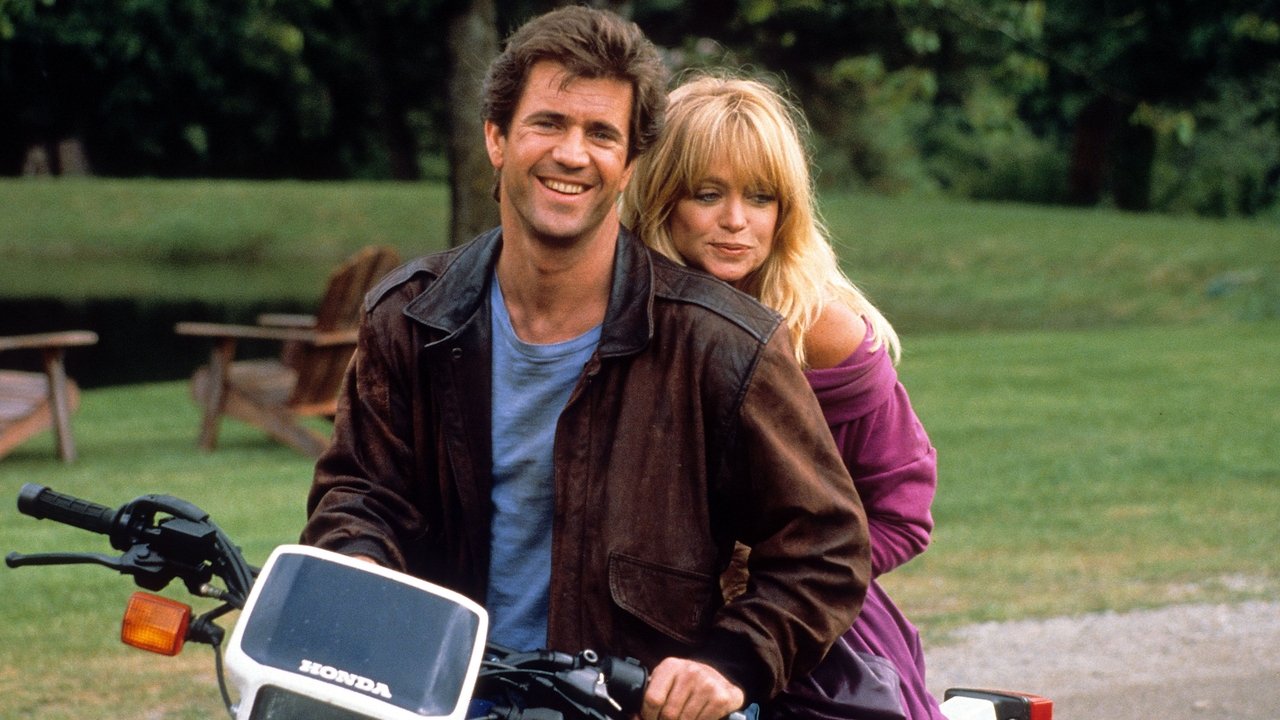
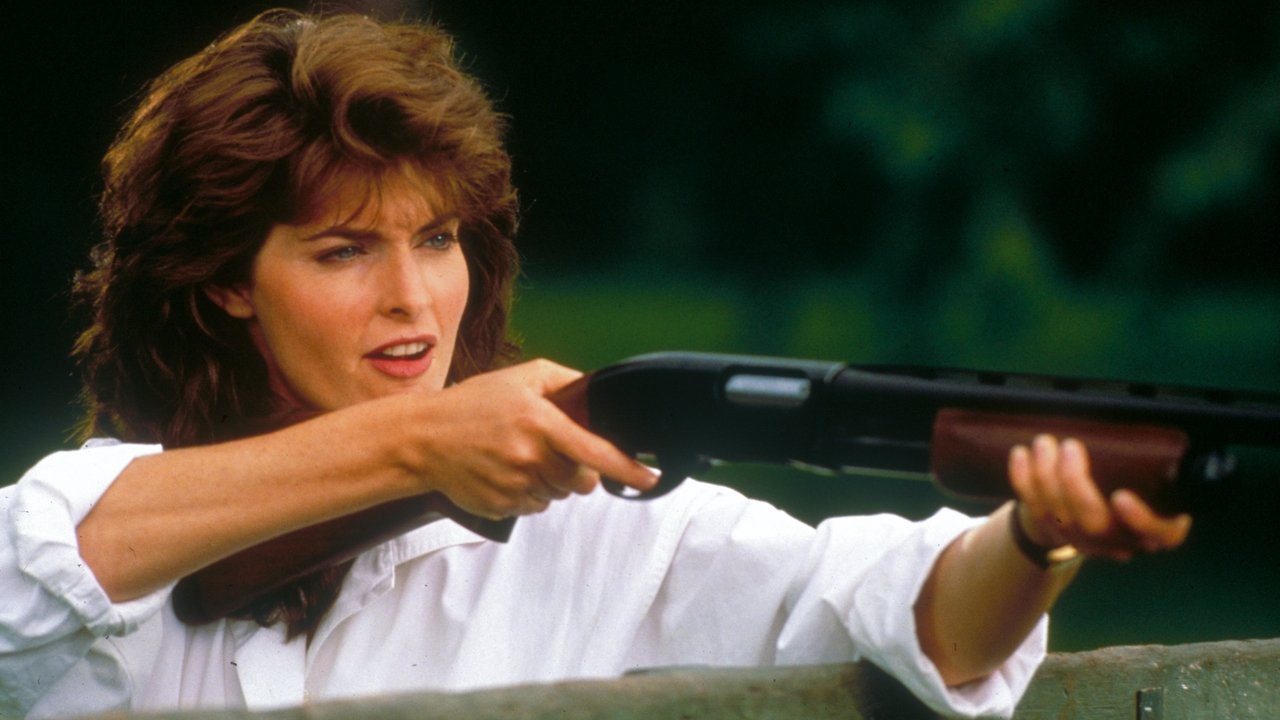
But the pièce de résistance? It has to be the zoo sequence. Filmed at the VanDusen Botanical Garden in Vancouver (British Columbia filling in for various US locations was common practice for productions chasing favourable costs), this extended set piece is wonderfully absurd and genuinely thrilling. Rick and Marianne scramble through various animal habitats – lions, tigers, piranhas (okay, maybe not real piranhas menacing the actors) – while Sorenson and his goons pursue relentlessly. It’s a fantastic example of using a unique location for creative action beats. Can you imagine the insurance paperwork for something like that today? The sheer logistics of filming complex stunts around unpredictable animals (even well-trained ones) speaks volumes about the ambition of 90s action filmmaking. It wasn't necessarily realistic, but man, did it feel visceral on that slightly fuzzy CRT screen.
That Distinct 90s Blend
Bird on a Wire isn't perfect. The tone wobbles occasionally between gritty chase thriller, screwball comedy, and rekindled romance. Some of the plot conveniences require a healthy suspension of disbelief (even by 90s action standards). And yes, looking back, some elements feel distinctly of their time – the fashion, the tech (or lack thereof), the sheer confidence of its slightly formulaic structure. Yet, there's an undeniable charm to it. It represents a type of movie studios excelled at back then: the star-driven, high-concept action-comedy designed purely for audience enjoyment. It wasn't aiming for awards; it was aiming for a packed house on opening weekend and a long life on video store shelves. And it succeeded – despite mixed reviews from critics, the film was a solid box office hit, pulling in nearly $139 million worldwide against a reported $20 million budget. That’s a healthy return, proving audiences were definitely buying what Gibson and Hawn were selling.
VHS Heaven Rating: 7/10
The rating earns its stripes based on the sheer star power, John Badham's competent action direction, and those gloriously tangible practical stunt sequences (especially the zoo!). It delivers enjoyable escapism, even if the script feels a bit cobbled together and the chemistry isn't always electric. It loses points for tonal inconsistency and some predictable plot beats, but gains them back for sheer nostalgic fun and capturing that specific 90s action-comedy energy.
Final Rewind: Bird on a Wire is a quintessential example of the kind of movie that thrived in the VHS era – big stars, big action (done the old-fashioned way), and just enough charm to make you forgive its flaws. It might feel a little dated now, but pop that imaginary tape in, dim the lights, and it’s still a surprisingly fun ride back to a time when action felt a bit more grounded, even when it was soaring through a zoo.