Okay, settle in. Put your feet up. Remember those hefty, often double-cassette VHS boxes that signaled a real commitment? The ones that promised an epic? Dances with Wolves was emphatically one of those tapes, a fixture on rental store shelves in 1990 and beyond, demanding not just three hours of your time, but a certain kind of immersion that feels rare today. Watching it again now, that sense of sweeping scale and heartfelt intention remains remarkably potent.
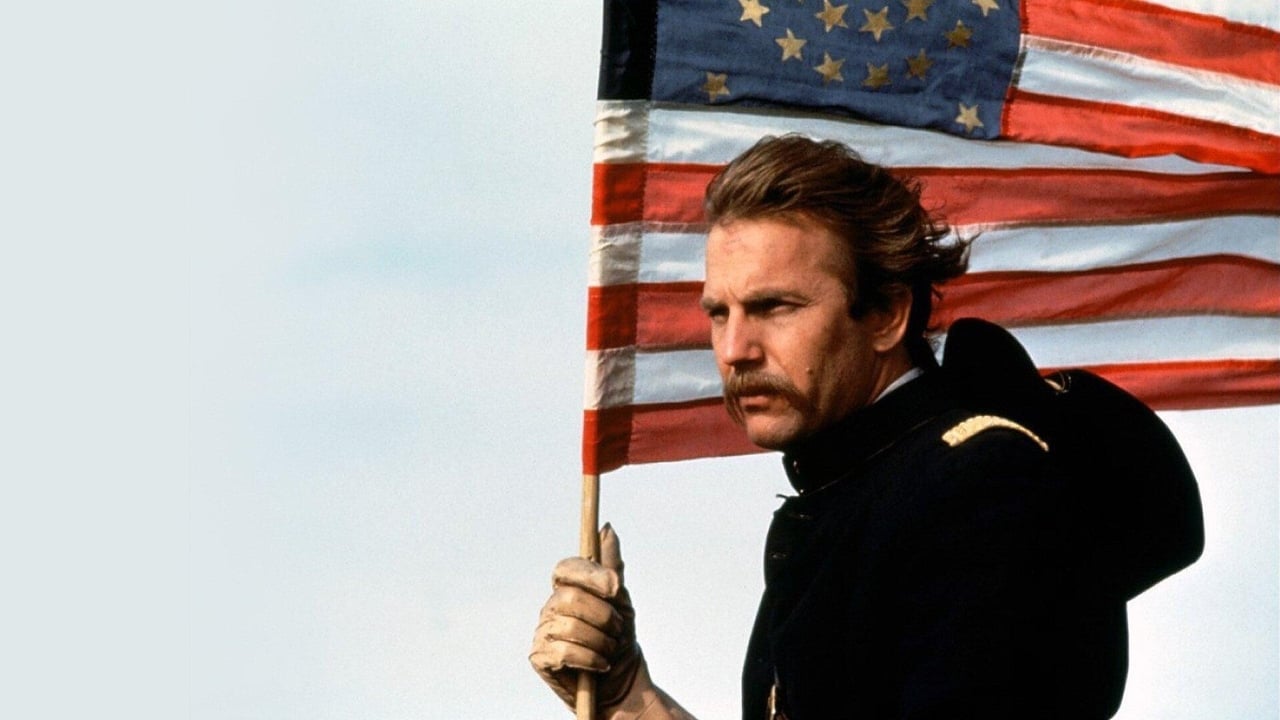
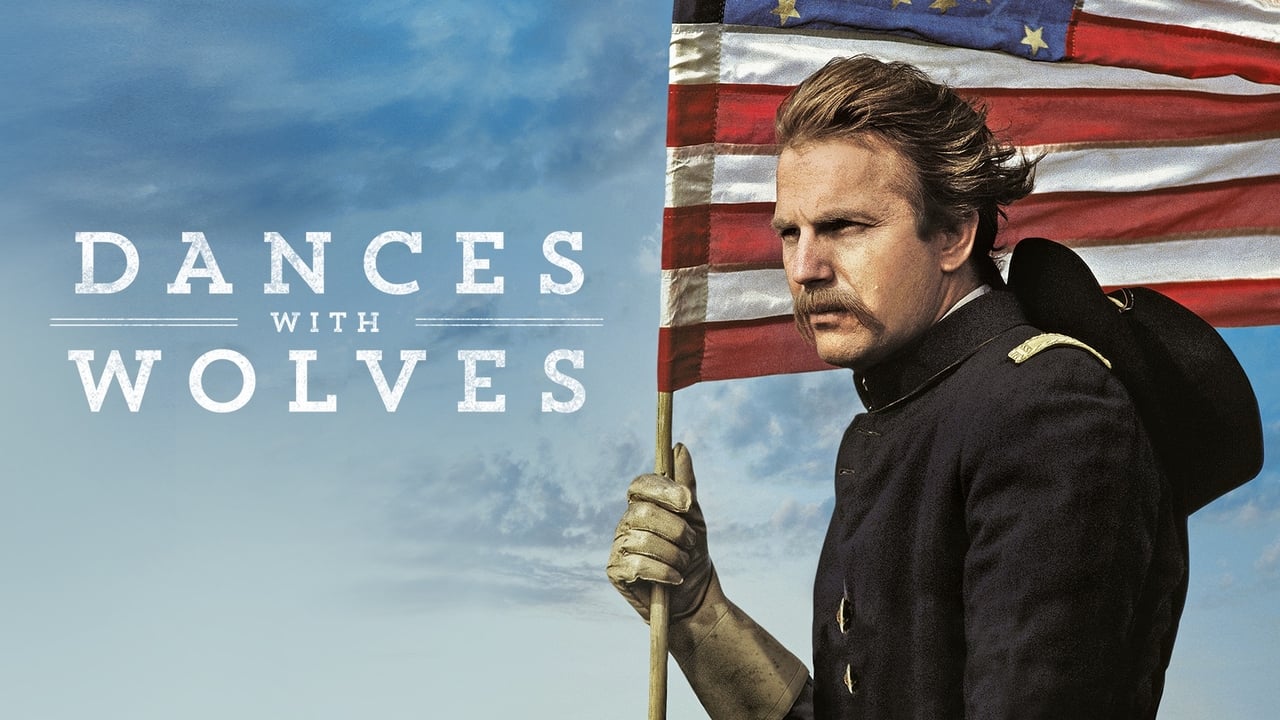
It begins not with grandeur, but with despair – a wounded Union Lieutenant, John Dunbar, facing amputation and choosing a suicidal charge instead. His improbable survival leads to a transfer, at his request, to the farthest reaches of the frontier. What unfolds isn't just a story about encountering the 'other,' but about finding oneself in the vast, unforgiving beauty of the American West, a landscape captured with breathtaking scope by cinematographer Dean Semler, who deservedly won an Oscar for his work.
An Unexpected Journey
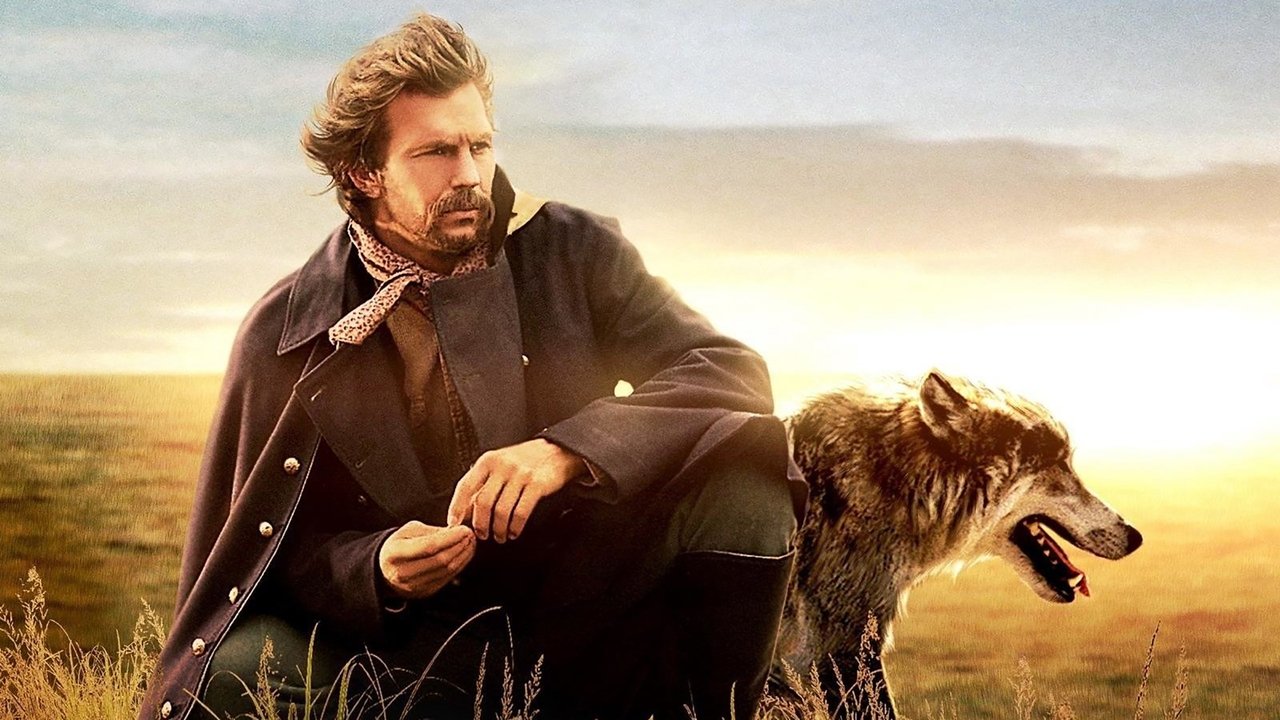
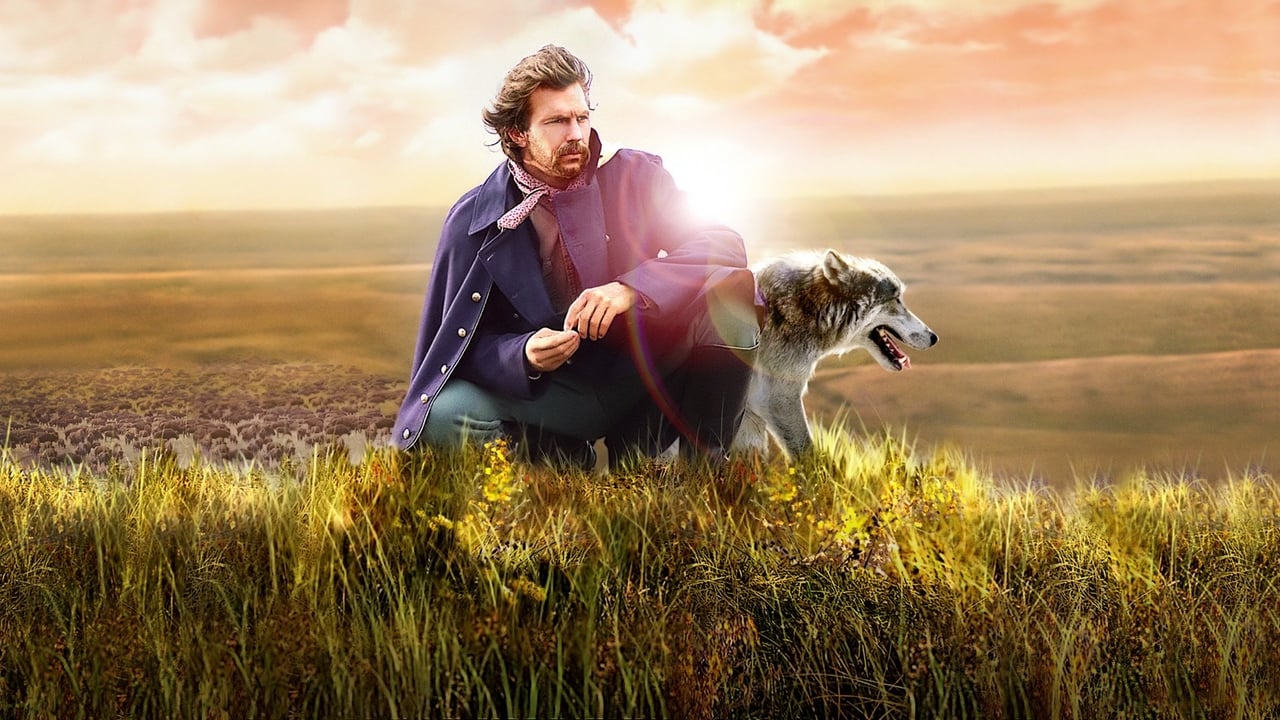
What strikes you immediately is the quiet patience of the film. Kevin Costner, in his directorial debut (a gamble many questioned at the time), allows the story to breathe. Dunbar arrives at the desolate Fort Sedgwick to find it abandoned, its previous occupants vanished or dead. His initial solitude, punctuated only by his interactions with his horse, Cisco, and a curious wolf he dubs "Two Socks," establishes a profound sense of isolation. This slow burn is crucial; it makes the eventual, tentative interactions with the local Lakota Sioux tribe feel earned and significant. This wasn't just a passion project for Costner; he famously poured millions of his own money into the $22 million budget when studios balked, a risk that paid off spectacularly when the film grossed over $424 million worldwide (that's nearly a billion dollars in today's money!).
Bridging Worlds
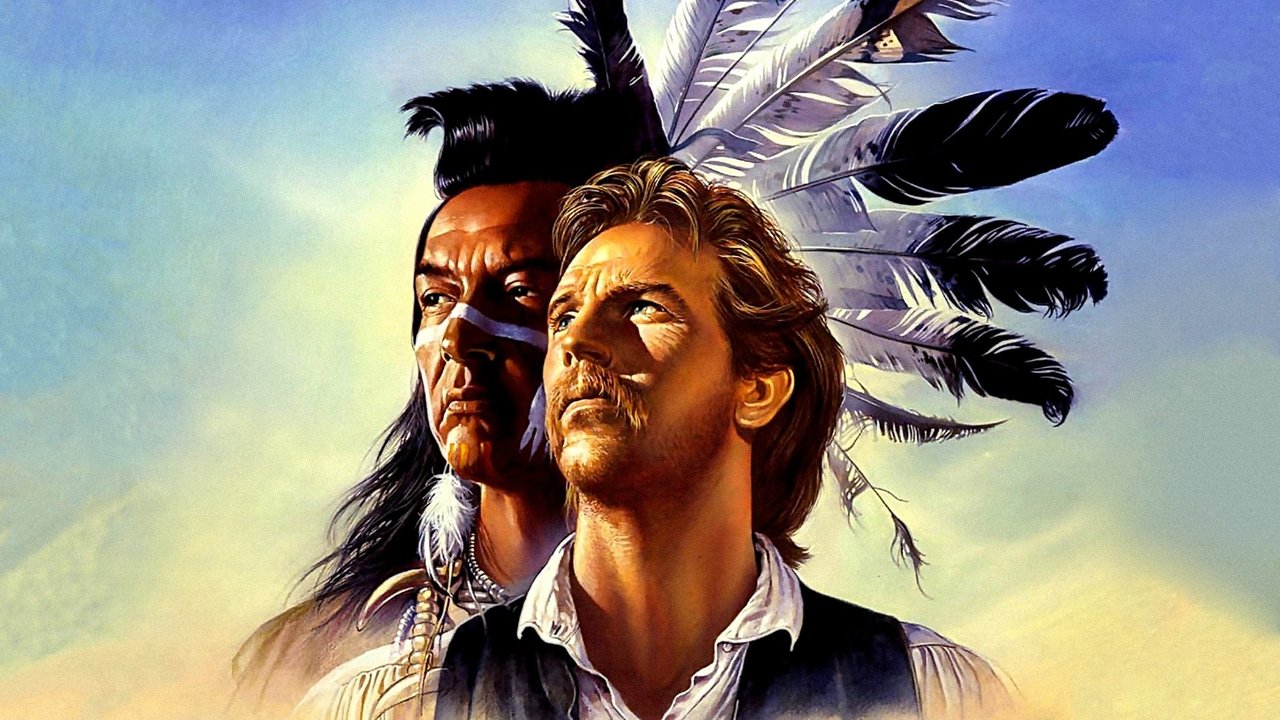
The film's heart lies in the gradual, often clumsy, bridging of cultures. Dunbar's encounters with Kicking Bird (the sublime Graham Greene, radiating wisdom and gentle authority) and the fiery warrior Wind In His Hair (Rodney A. Grant, fierce and memorable) are built on curiosity, suspicion, and eventually, mutual respect. The integration of the Lakota language – a decision that added immense authenticity but also complexity to the production – is central. Actors, including Costner himself, learned lines phonetically, coached by instructors like Doris Leader Charge (who also played Pretty Shield). This commitment elevates the film beyond typical Hollywood portrayals.
And then there's Stands With A Fist, played with captivating vulnerability and strength by Mary McDonnell. A white woman raised by the Sioux after her family was killed, she becomes the reluctant bridge between Dunbar and the tribe. McDonnell's performance is a masterclass in conveying complex emotions – fear, grief, loyalty, and burgeoning affection – often with minimal dialogue. Her scenes with Costner are filled with a quiet, tentative chemistry that feels deeply real. The challenges weren't just linguistic; filming the iconic buffalo hunt involved coordinating thousands of animals, including two specially trained bison named Mammoth and Cody, alongside skilled Lakota riders, a logistical feat that remains astounding on screen. Writer Michael Blake, who adapted his own novel, reportedly struggled for years to get the story made, even living out of his car at one point – a testament to the perseverance behind this project.
More Than Just a Western
Dances with Wolves arrived at a time when the Western genre felt largely dormant, often relegated to revisionist or cynical takes. This film, however, felt different. It possessed an earnestness, a genuine attempt to portray Native American culture with dignity, a stark contrast to the often-caricatured depictions of the past. Yes, viewed through a modern lens, discussions around the "white savior" trope are valid and necessary. Dunbar is undeniably the audience's entry point. Yet, the film’s power lies in its perspective shift. It asks the audience to identify not with the encroaching settlers, but with the Lakota people whose way of life is threatened. It mourns the loss of that world, symbolized by the tragic fate of Two Socks and the ominous advance of the U.S. Army. The film's massive success, culminating in 7 Academy Awards including Best Picture and Best Director for Costner, suggested audiences were hungry for this kind of thoughtful, large-scale storytelling.
The score by John Barry (another Oscar win) is inseparable from the film's impact. It captures the majesty of the plains, the intimacy of human connection, and the underlying melancholy of a vanishing era. It swells and retreats, perfectly mirroring the emotional landscape of Dunbar's journey.
The Enduring Echo
Does it hold up? Absolutely. The pacing, while deliberate, serves the story's immersive quality. The performances remain deeply affecting, particularly Greene and McDonnell. The cinematography is still stunning. While its nearly three-hour runtime (and the four-hour extended cut some of us might have sought out!) felt epic on VHS, requiring that satisfying thunk as you inserted the second tape, the film earns its length. It’s a story about transformation, connection, and the tragic clash of cultures, told with a sincerity that resonates even decades later. It’s a reminder of a time when mainstream Hollywood felt capable of producing epics with both spectacle and soul.
Rating: 9/10
This score reflects the film's ambition, its stunning craft, its powerful performances, and its genuine attempt (within the context of its time) to offer a more respectful and humanizing portrayal of Native American life than audiences were used to seeing in Westerns. Its emotional weight and visual grandeur remain undeniable.
What lingers most, perhaps, is that feeling of vastness – not just of the landscape, but of the human heart's capacity for change and connection, even across seemingly insurmountable divides. It’s a journey that stays with you, long after the screen fades to black.