Okay, VHS Heaven regulars, let's rewind to a time when Hong Kong cinema was firing on all cylinders, churning out frantic, star-studded comedies that felt like pure cinematic sugar rushes. Forget subtlety; we're talking about the glorious chaos of 1992's All's Well, Ends Well (家有囍事), a Lunar New Year comedy that wasn't just a movie, it was an event. Finding a tape of this back in the day, maybe slightly dodgy quality from a shop in Chinatown, felt like plugging directly into the hyperactive heart of Cantopop culture.
### A House Full of Stars and Shenanigans
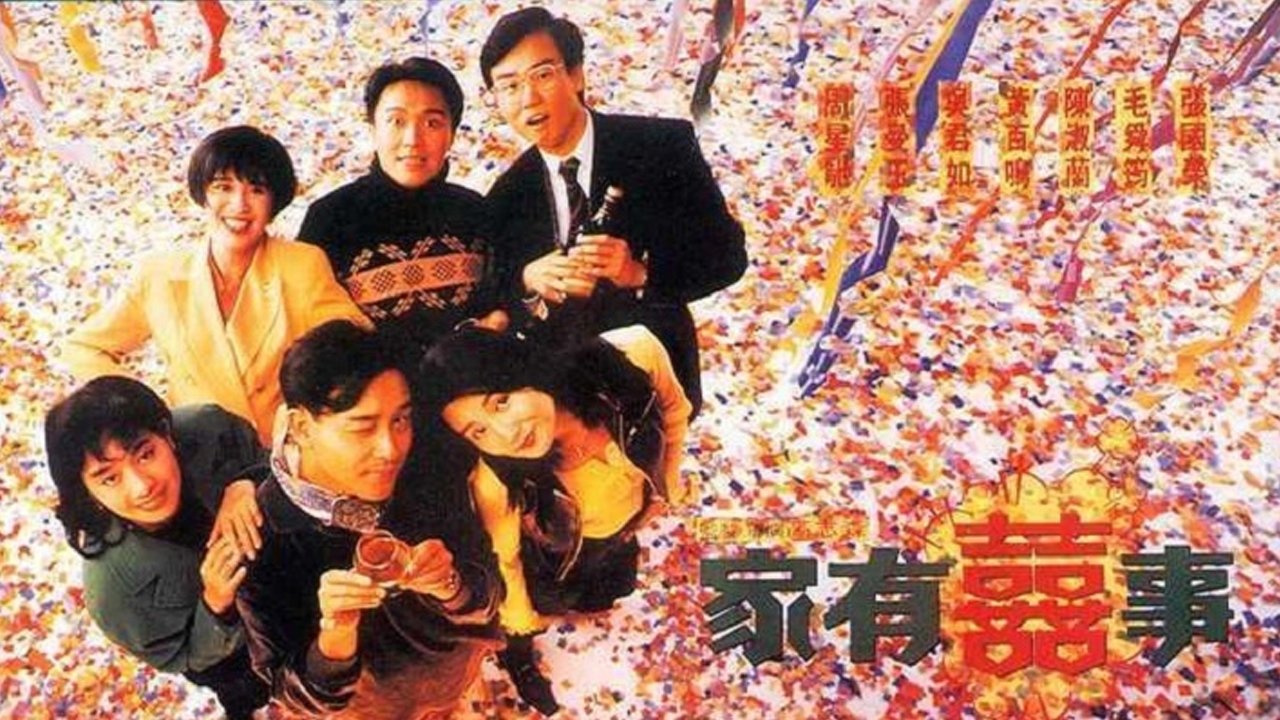
Directed by the prolific Clifton Ko (who also gave us comedies like Chicken and Duck Talk), All's Well, Ends Well operates on a simple, almost sitcom-esque premise: three brothers, all living under the same roof with their aging parents, navigate the messy landscape of love and relationships. But oh, the cast turning this simple setup into comedic gold! You've got the eldest brother, the cheating husband Moon (played by producer Raymond Wong Pak-ming himself), the effeminate, movie-loving Foon (Leslie Cheung in a wonderfully playful turn), and the youngest, the womanizing DJ Sing (Stephen Chow at the peak of his mo lei tau nonsensical comedy powers).
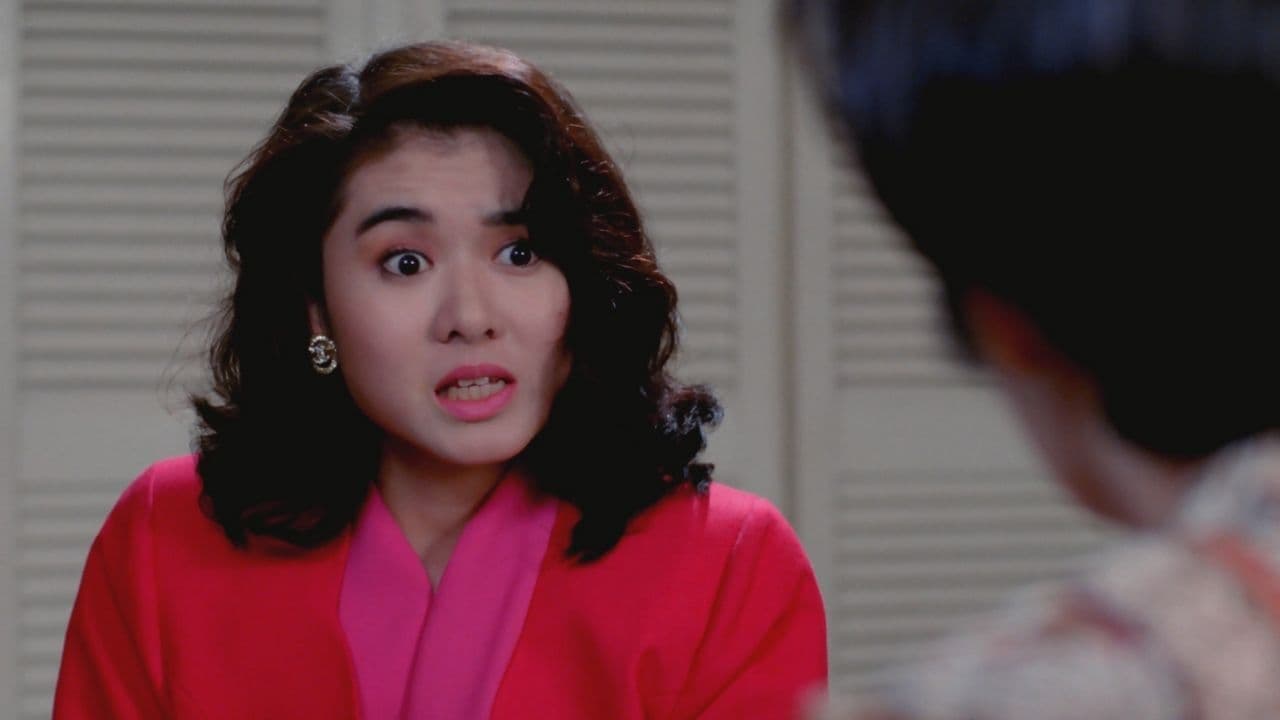
Their respective partners and romantic interests are just as stacked: Sandra Ng as Moon's long-suffering wife, desperate to spice things up; Maggie Cheung as Holli-yuk, a film fanatic who falls for Foon's sensitive soul (and shares his love for classic movie parodies); and Teresa Mo as Sing's rival-turned-love-interest. This wasn't just casting; it was assembling an Avengers-level team of Hong Kong entertainment royalty.
### Rapid-Fire Jokes and Movie Magic Mania
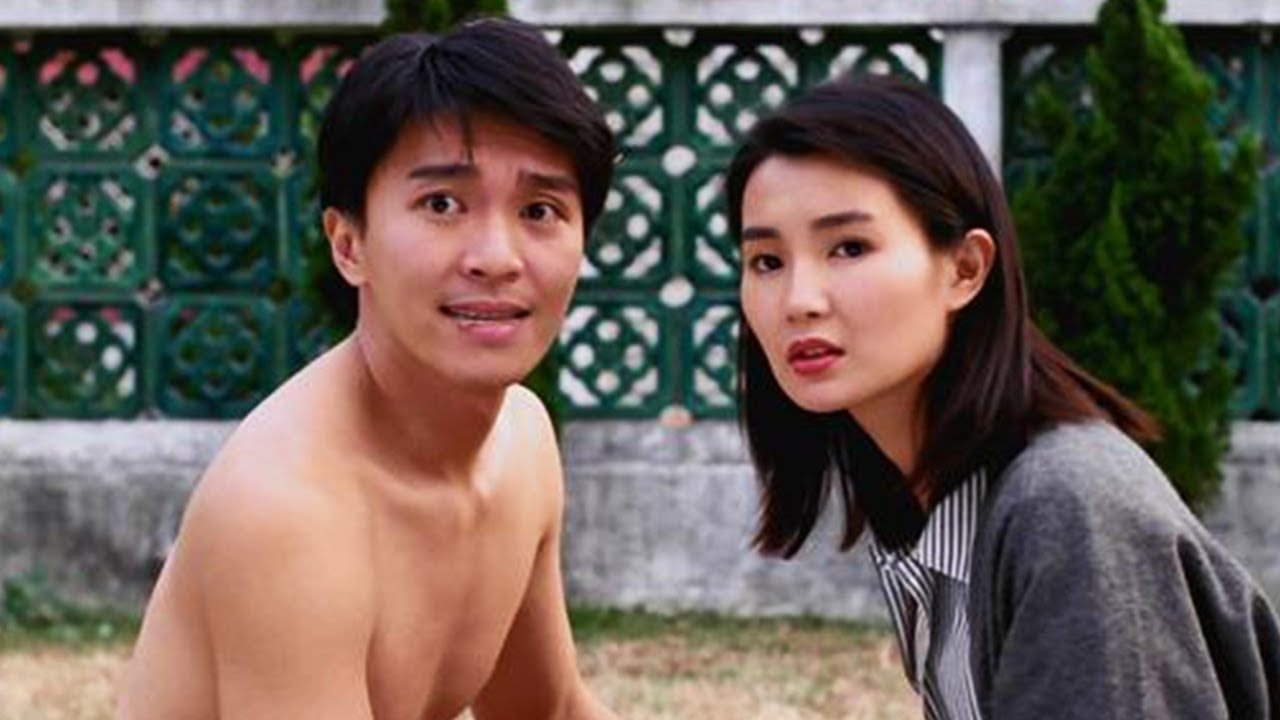
What made All's Well, Ends Well quintessential 90s Hong Kong comedy was its sheer density. The jokes come thick and fast, a whirlwind of slapstick, Cantonese puns (some admittedly lost in translation, but the energy carries through), pop culture references, and truly bizarre scenarios. Stephen Chow, already a comedy megastar after hits like Fight Back to School (1991), delivers his signature manic energy, particularly in his scenes trying to woo Teresa Mo, culminating in increasingly absurd situations. Remember that "disease" that made him ridiculously horny? Pure Chow.
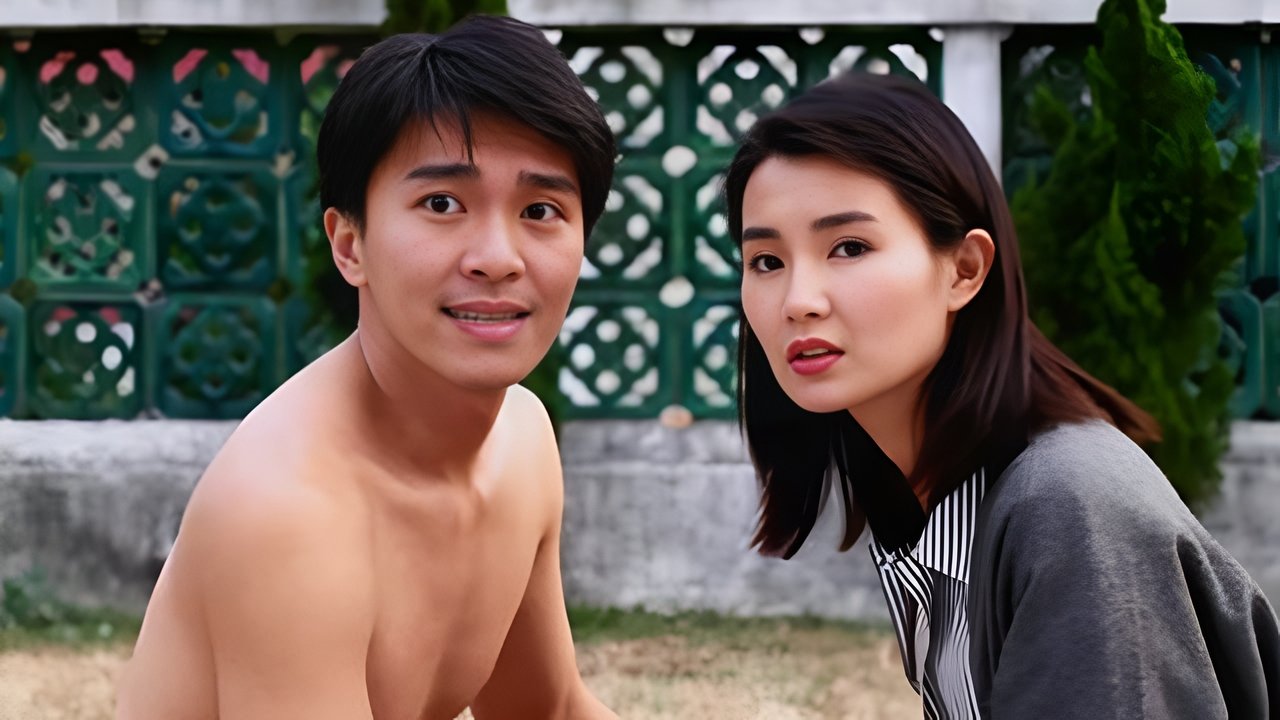
But it's not just Chow's show. Leslie Cheung, the legendary Cantopop idol and dramatic actor (A Better Tomorrow, Farewell My Concubine), leans brilliantly into the comedic role of Foon. His scenes with Maggie Cheung (who, despite becoming a serious dramatic heavyweight, could always nail comedic timing) are a delight, packed with affectionate parodies of classic films like Ghost and Pretty Woman. It’s said that Leslie initially worried about playing such an effeminate character, but his charm makes Foon incredibly endearing. Their chemistry is fantastic, a sweet counterpoint to the surrounding chaos.

And let's not forget Sandra Ng, an absolute comedy queen, stealing scenes as the downtrodden wife who undergoes a wild transformation. Her attempts to reignite her husband's passion, often involving disastrously applied advice, are pure physical comedy genius.
### That Unmistakable Hong Kong Energy
Watching this now, you're reminded of how fast these movies felt. The editing is often frantic, the pacing relentless. There’s a raw, almost improvisational energy to many scenes. While not heavy on traditional action, the physical comedy often feels like its own kind of stunt work – characters crashing through things, elaborate pratfalls, exaggerated reactions – all performed with gusto by the actors themselves. It lacks the polish of modern CGI-assisted slapstick, but that rough-around-the-edges quality is part of the charm. It feels made, not manufactured.
Retro Fun Fact: All's Well, Ends Well was produced incredibly quickly to hit the lucrative Lunar New Year release window, a common practice in the HK industry at the time. Despite the rush, or perhaps because of it, the film captured lightning in a bottle. It became a colossal box office success in Hong Kong, cementing its status as a beloved holiday staple. Its HK$48 million gross (a huge number back then!) made it the highest-grossing film of the year in HK, beating out Hollywood imports and even Jackie Chan's Police Story 3: Supercop.
The film's success wasn't just financial; it tapped into a cultural moment, providing escapist fun during a period of transition for Hong Kong. It perfectly balanced broad comedy with moments of surprising sweetness, especially in the Foon/Holli-yuk storyline. Its popularity spawned a whole series of All's Well, Ends Well films over the years, though none quite captured the magic of this original ensemble.
### Still Well, After All These Years?
So, how does All's Well, Ends Well hold up after pressing eject on that VCR for the last time decades ago? Remarkably well, if you appreciate the specific brand of Hong Kong Lunar New Year comedy. Some jokes are definitely products of their time, and the sheer speed might feel overwhelming initially. But the star power is undeniable, the comedic set pieces are often hilarious, and the underlying warmth is genuine. It’s a snapshot of a specific, vibrant era in filmmaking, delivered by performers at the top of their game.
Rating: 8.5/10
Justification: This rating reflects the film's iconic status within its genre, the sheer joy derived from its incredible ensemble cast firing on all cylinders, its massive contemporary success, and its enduring appeal for fans of 90s Hong Kong cinema. While some humour is dated or culturally specific, the energy, charm, and genuinely funny moments make it a standout classic. It perfectly encapsulates the chaotic, heartfelt spirit of Lunar New Year comedies.
Final Take: For pure, unadulterated 90s Hong Kong comedy star power crammed onto one tape, All's Well, Ends Well is Grade-A stuff – a frantic, funny, and surprisingly sweet reminder of a golden era you just don't see anymore. Still guarantees laughs, even if the tracking lines occasionally flicker.