Okay, fellow travelers in time and tape, let's rewind to 1987. Imagine pulling a fresh rental copy of Someone to Watch Over Me off the shelf at your local video store. The cover art promises suspense, maybe a hint of romance. What you might not expect, especially coming from the director who just gave us replicants and xenomorphs, is the kind of textured, character-focused neo-noir thriller Ridley Scott delivered. It's a film that swaps spaceships for rain-slicked Manhattan streets, but retains that unmistakable visual signature, creating something both familiar and distinctively stylish.
### Worlds Colliding Under Neon Light
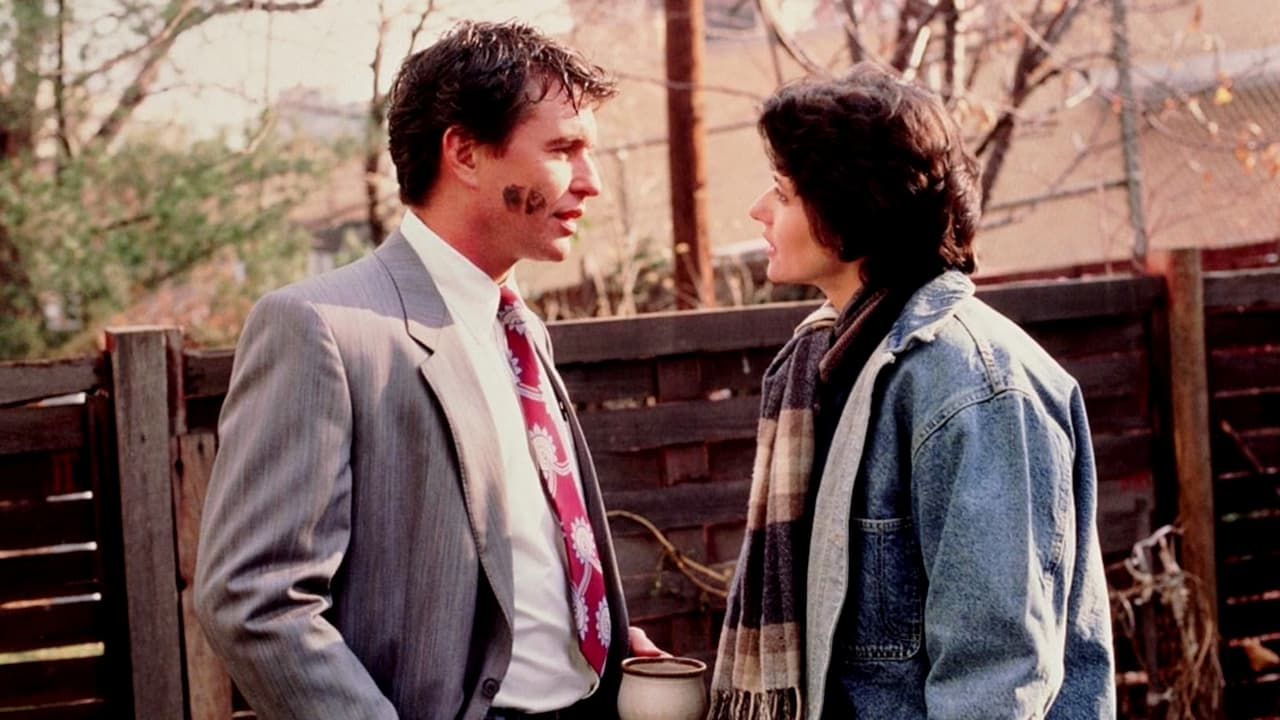
At its heart, Someone to Watch Over Me is a story about crossing lines – social, professional, and deeply personal. We meet Mike Keegan (Tom Berenger), a newly promoted NYPD detective, happily married to Ellie (Lorraine Bracco in a wonderfully grounded early role) and living a comfortable, if decidedly unglamorous, life in Queens. His world collides spectacularly with that of Claire Gregory (Mimi Rogers), a wealthy socialite living in an opulent Upper East Side apartment that seems worlds away. When Claire witnesses a brutal murder committed by the chillingly composed Joey Venza (Andreas Katsulas), Keegan is assigned to her protection detail. The setup is classic thriller territory, but Scott elevates it.
What strikes you immediately is the film's look. Scott, renowned for his visual mastery in Alien (1979) and Blade Runner (1982), brings that same atmospheric intensity to contemporary New York. The contrast between Claire's luminous, art-filled penthouse and Keegan's warm, cluttered family home is stark, visually representing the chasm between their lives. Scott uses light and shadow, smoke (a Scott trademark!), and the inherent drama of the city itself to create a palpable mood – one of glamour tinged with danger, intimacy shadowed by surveillance. Remember how stunning those high-angle shots of the city looked, even on a fuzzy CRT? They still hold up.

### The Human Element in the Crosshairs
While the thriller mechanics provide the engine, the film truly resonates because of the performances and the emotional complexities they explore. Tom Berenger, fresh off his Oscar nomination for Platoon (1986), is perfectly cast as Keegan. He embodies the working-class cop – decent, dedicated, but visibly mesmerized by Claire's world and Claire herself. You see the conflict play out on his face: the duty warring with desire, the allure of a different life versus the loyalty he feels to his own. It’s a performance built on subtle shifts in expression and posture, making Keegan’s internal struggle feel entirely believable.
Mimi Rogers delivers perhaps her career-best performance as Claire. She avoids the trap of making Claire merely a damsel in distress or an aloof ice queen. There's a genuine vulnerability beneath the sophisticated exterior, a loneliness that Keegan’s presence seems to temporarily fill. The chemistry between Berenger and Rogers is undeniable, simmering with forbidden attraction. It’s this central relationship, fraught with ethical dilemmas and class consciousness, that gives the film its weight. What does it mean when the protector develops feelings for the protected, and how thin is the line between duty and personal entanglement?
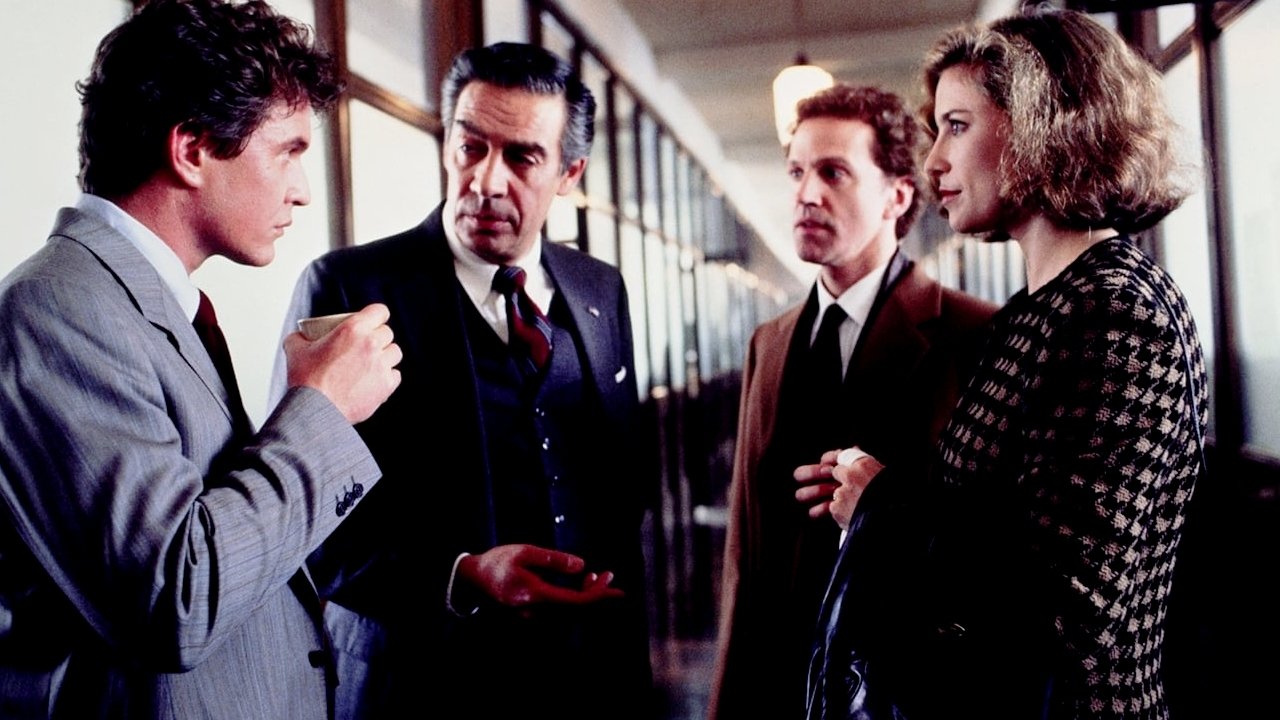

And let’s not forget Lorraine Bracco. Before she became Dr. Melfi or Karen Hill, she brought such raw authenticity to Ellie Keegan. Her scenes crackle with lived-in familiarity and simmering resentment as she senses her husband drifting away. The tension in their shared scenes is palpable, a stark contrast to the hushed, almost dreamlike quality of Keegan's time with Claire. It’s a testament to the script (credited to Howard Franklin, Danilo Bach, and David Seltzer) and Scott's direction that both relationships feel equally compelling and consequential.
### Retro Fun Facts: Scott's Stylish Detour
It’s fascinating to think about Scott tackling this genre at this point. Reportedly, he wanted a change of pace after the complex, effects-heavy productions of his earlier sci-fi epics. Someone to Watch Over Me offered a chance to focus on character and atmosphere within a more grounded reality, though he certainly didn't abandon his visual flair. The budget was around $17 million – a decent sum for the time, but modest compared to his previous blockbusters – and it performed respectably, pulling in about $29 million worldwide. It wasn't a smash hit, but found its audience, particularly on home video where its moody visuals and slow-burn tension could really be savored. Did you know Sting's rendition of the Gershwin classic "Someone to Watch Over Me" wasn't the only musical highlight? The atmospheric score by Michael Kamen perfectly complements the visuals, adding another layer to the film's sophisticated mood.
### Lasting Impressions After Eject
Someone to Watch Over Me isn't a perfect thriller. Some might find the plot mechanics a bit conventional by today's standards, and the resolution perhaps a touch too neat. But its strengths far outweigh its weaknesses. It’s a beautifully crafted film, showcasing Ridley Scott's ability to find visual poetry in any setting. More importantly, it’s anchored by superb performances that explore complex human emotions – attraction, betrayal, loyalty, and the magnetic pull between vastly different worlds. It’s a film that makes you think about the choices we make and the unforeseen consequences they can have.
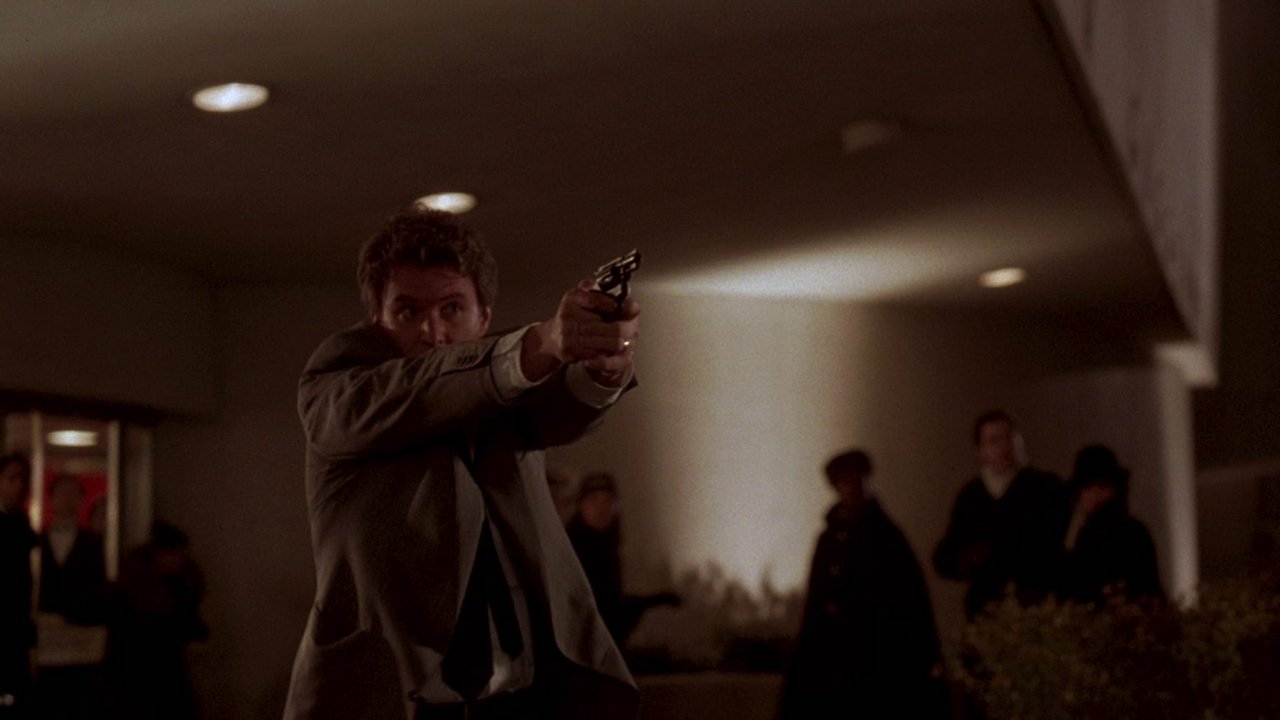
Watching it again now, perhaps decades after that first VHS rental, it feels like a grown-up thriller from an era often remembered for high-octane action. It takes its time, builds its mood, and trusts its actors to convey the story's emotional core.
Rating: 8/10
This score reflects the film's exceptional visual style, strong central performances, and the compelling exploration of its core themes. While the plot might tread familiar ground, the execution elevates it significantly. It's a reminder of Scott's versatility and a standout romantic thriller from the late 80s that still holds a captivating power. What lingers most is that intoxicating atmosphere – the feeling of watching secrets unfold behind rain-streaked windows under the glow of city lights. A true gem from the shelves of VHS Heaven.