There’s a certain kind of London film, often from the late 90s, that captures the city not as a postcard, but as a place of lingering cigarette smoke, rain-slicked streets after closing time, and whispered secrets in crowded pubs. Michael Radford’s B. Monkey (1999) breathes this exact air. It’s a film that arrived quietly, perhaps overshadowed by brasher contemporaries, but watching it again now feels like uncovering a slightly bruised, yet undeniably compelling, piece of cinematic history from the tail end of the VHS era.
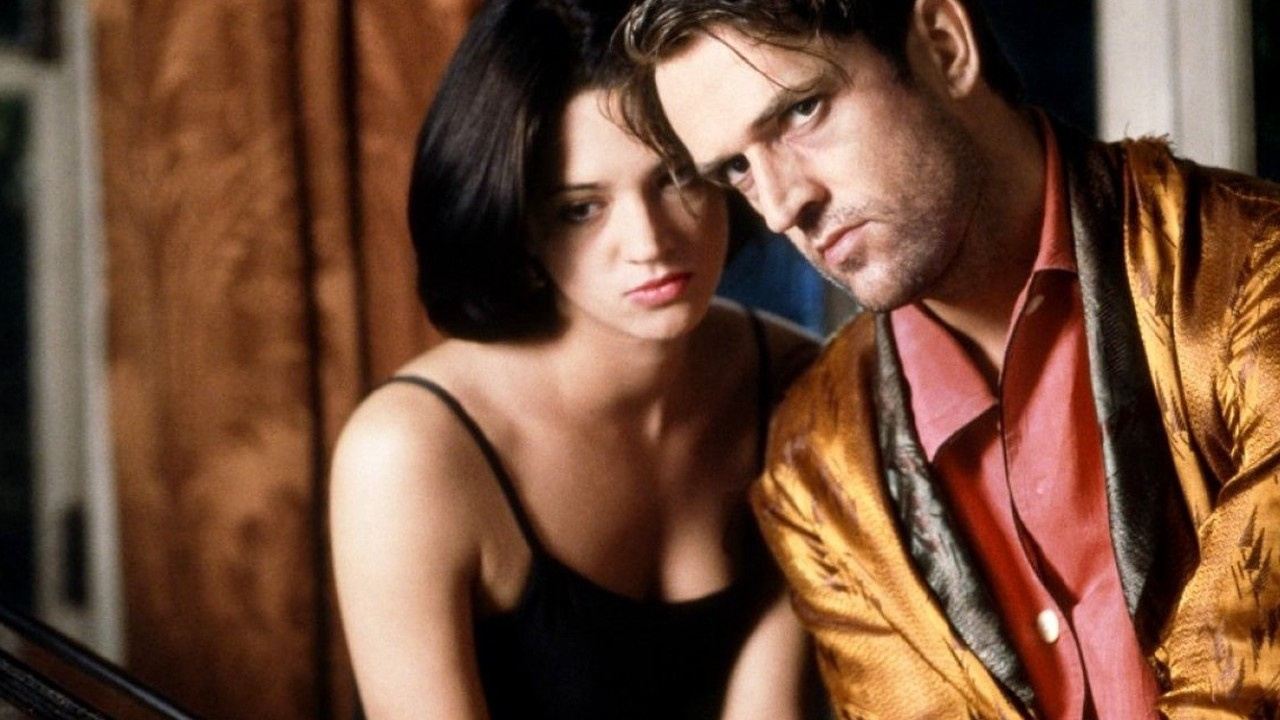
A Dangerous Kind of Love
At its heart, B. Monkey is a love story, albeit one tangled in crime and desperation. We meet Alan (a wonderfully understated Jared Harris), a gentle primary school teacher with a passion for jazz, living a quiet life. His world is irrevocably jolted when he encounters Beatrice (credited simply as B. Monkey, played by Asia Argento), a woman who radiates chaotic energy and dangerous allure. She's a thief, entangled with charismatic but volatile criminals like Paul (Rupert Everett, oozing louche charm), and she sees in Alan a potential escape route, a doorway to a 'normal' life she craves but perhaps doesn't fully understand.
The film, based on the 1992 novel by Andrew Davies (who also co-wrote the screenplay), hinges on this central, improbable relationship. Can love truly bridge the chasm between Alan’s quiet stability and Beatrice’s turbulent past? It’s a question the film explores with a refreshing lack of easy answers, focusing instead on the magnetic pull, the misunderstandings, and the inherent risks when two such different worlds collide.
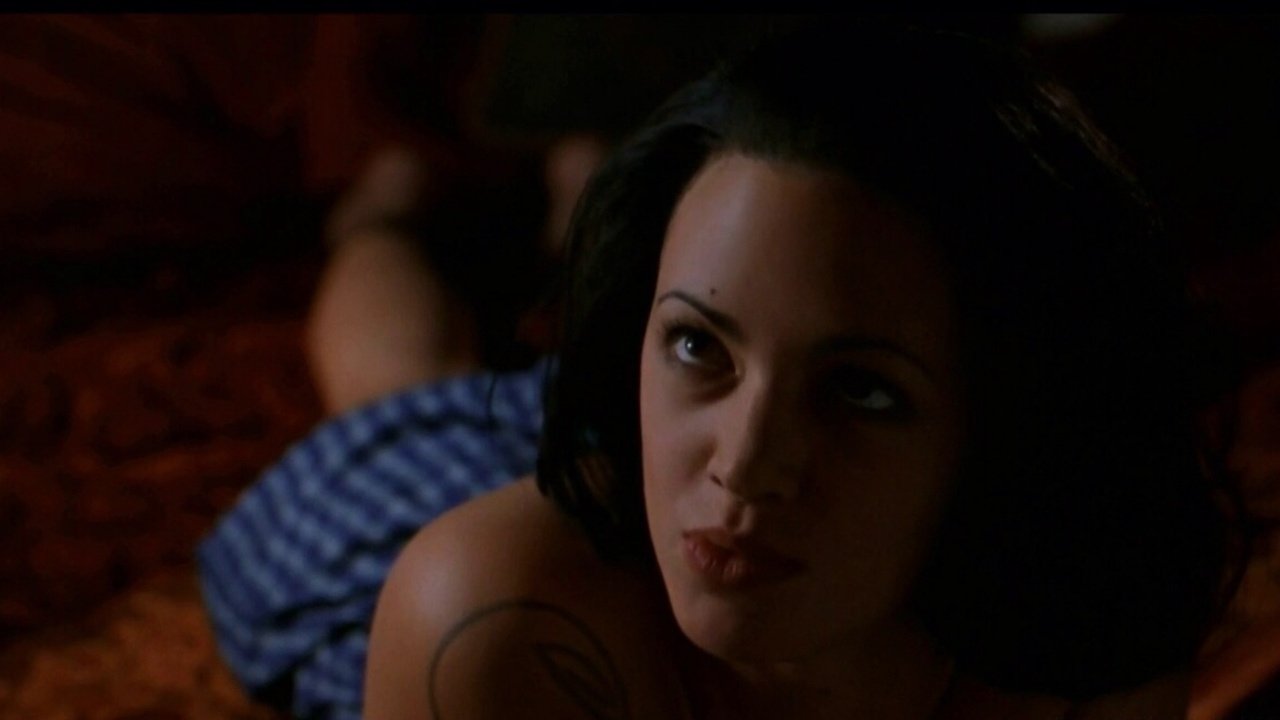
Argento’s Fire, Harris’s Stillness
What truly elevates B. Monkey beyond a standard crime-romance hybrid are the central performances. Asia Argento, daughter of horror maestro Dario Argento, is electric as Beatrice. She’s impulsive, vulnerable, manipulative, and captivating all at once. It's not a subtle performance, but it feels perfectly calibrated for a character living on the edge, constantly performing, constantly testing boundaries. You understand why Alan, despite all the warning signs, is drawn into her orbit. Argento embodies the ‘B. Monkey’ nickname – agile, unpredictable, potentially harmful, yet possessing a strange, wounded grace.
Contrast this with Jared Harris, who delivers a masterclass in quiet reaction. His Alan isn’t naive, exactly, but hopeful and perhaps willfully blind to the full extent of Beatrice's world. Harris conveys Alan’s fascination, his fear, and his burgeoning love often through little more than a glance or a hesitant gesture. It’s his grounded presence that makes Beatrice’s whirlwind feel all the more impactful. Does their chemistry fully convince as a lasting romance? Perhaps not always, but the fascination between them is palpable, and that’s arguably more central to the film's unsettling mood. Rupert Everett, meanwhile, does what he does best, stealing scenes with effortless style as the embodiment of the life Beatrice claims she wants to leave behind.
Echoes of a Troubled Shoot
It's almost impossible to discuss B. Monkey without acknowledging its somewhat turbulent production history, details often lost to time but familiar to those of us who followed film news even pre-internet saturation. Originally, Michael Caton-Jones (Rob Roy (1995)) was set to direct, with Sophie Okonedo cast as Beatrice. Creative differences led to Caton-Jones’ departure, with Michael Radford, then riding high from the success of Il Postino (1994), stepping in. Okonedo was replaced by Argento, leading to significant delays.
Furthermore, the version most of us likely rented from Blockbuster or saw on late-night cable was the Miramax cut for the US market, reportedly trimmed and potentially re-ordered from Radford’s original vision. Knowing this history adds a layer of context. Does it explain certain moments that feel slightly abrupt, or character motivations that seem murky? Perhaps. It certainly fuels the "what if" speculation that often accompanies these fascinating late-90s indie dramas that navigated the powerful studio system. The film reportedly cost around $12 million but struggled to make a significant dent at the box office, becoming more of a cult discovery on home video – a classic VHS Heaven trajectory.
More Than Just a Thriller
While there are elements of a thriller – tense sequences involving robberies and the looming threat of Beatrice’s past catching up with her – B. Monkey is ultimately more interested in character and atmosphere. Radford captures a specific nocturnal London ambiance, less reliant on landmarks and more on dimly lit interiors, smoky jazz clubs, and the isolating feeling of the city at night. The film doesn't rush; it allows moments of quiet observation, letting the mood seep in. What does it truly mean to change? Can we ever fully escape the patterns ingrained in us? The film poses these questions without offering simple platitudes.
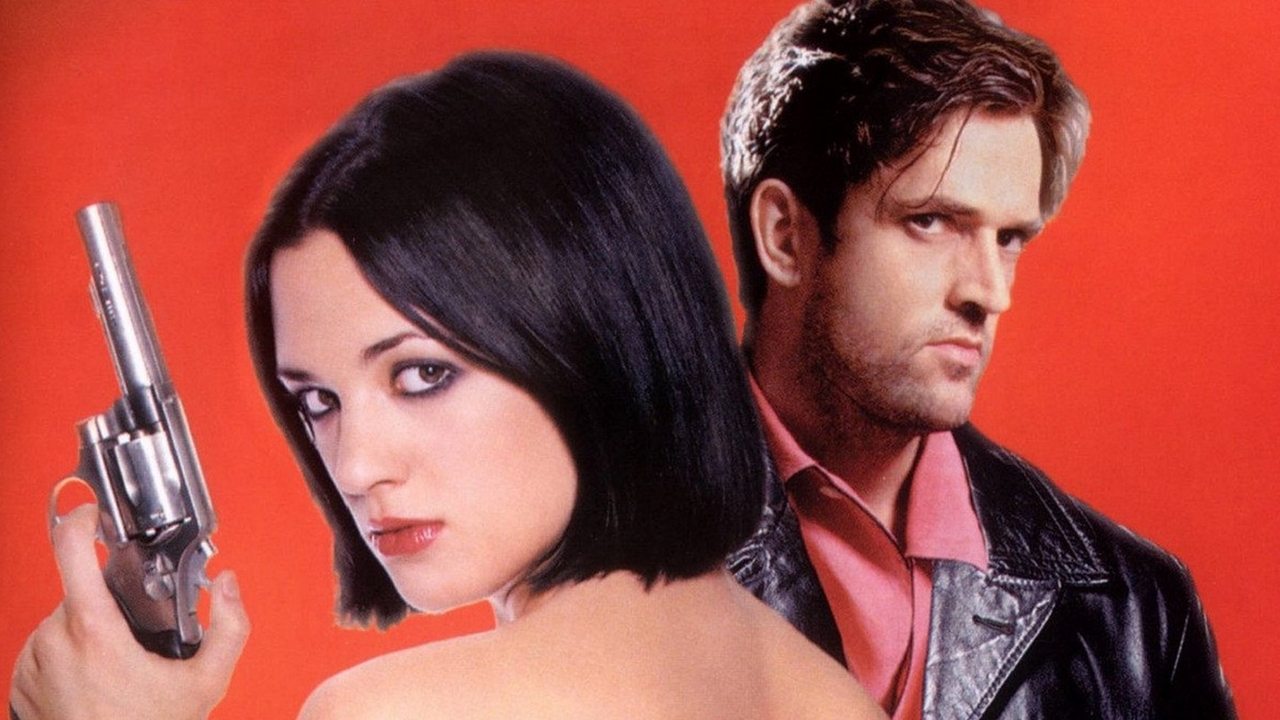
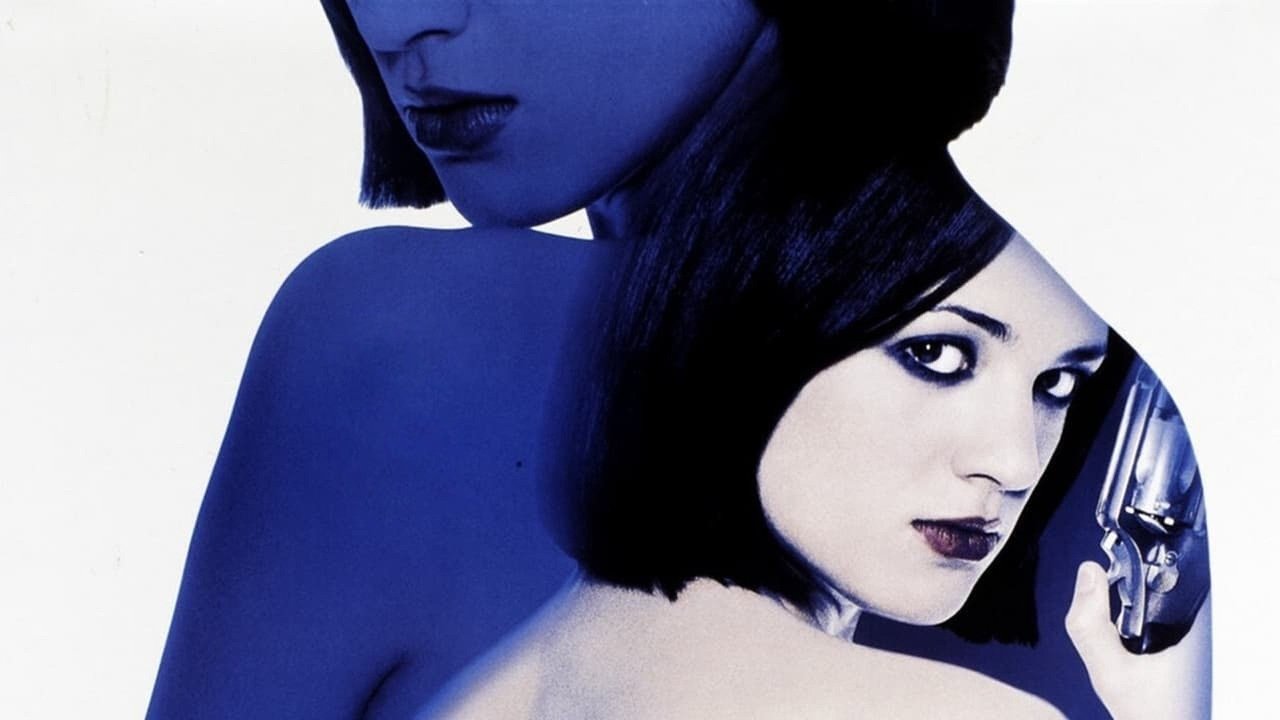
It feels like a film slightly out of time, even for 1999. It lacks the ironic detachment of Tarantino-esque crime flicks or the upbeat sheen of many mainstream romances of the era. Instead, it offers something moodier, more ambiguous, and perhaps more European in its sensibility, reflecting Radford's diverse filmography. I remember renting this one, intrigued by the cover art and the cast, and finding something more complex and melancholic than I expected.

Rating: 7/10
B. Monkey isn't a perfect film. Its narrative can occasionally feel uneven, possibly a lingering effect of its production difficulties and studio tinkering. Yet, it possesses a potent atmosphere and features truly committed performances, especially from Asia Argento and Jared Harris. Its strength lies in its ambiguity and its refusal to paint its central relationship in simple black and white. It captures that late-90s London vibe effectively and explores intriguing questions about love, identity, and the allure of danger versus the promise of stability. For those seeking a moody, character-driven crime drama with strong performances that perhaps slipped under their radar back in the day, B. Monkey is a worthwhile rediscovery on the digital shelves that replaced our beloved VHS haunts.
It leaves you pondering not just the fate of its characters, but the complex, often messy ways we try to connect and reshape our lives, sometimes drawn to the very things that might undo us.