There’s a particular kind of weight that settles in when you watch Sean Penn’s Terry Noonan step back onto the rain-slicked streets of Hell’s Kitchen in State of Grace. It's not just the damp chill of the New York air, masterfully captured by director Phil Joanou; it's the invisible burden of the past clinging to him, a sense that returning home is both a necessity and a potentially fatal mistake. Released in 1990, this film arrived just as the gritty crime dramas of the 70s were finding a new, perhaps even bleaker, voice for a new decade. Watching it again now, on a format perhaps closer to its original viewing context than a pristine Blu-ray, that weight feels even more palpable.
Ghosts of the West Side
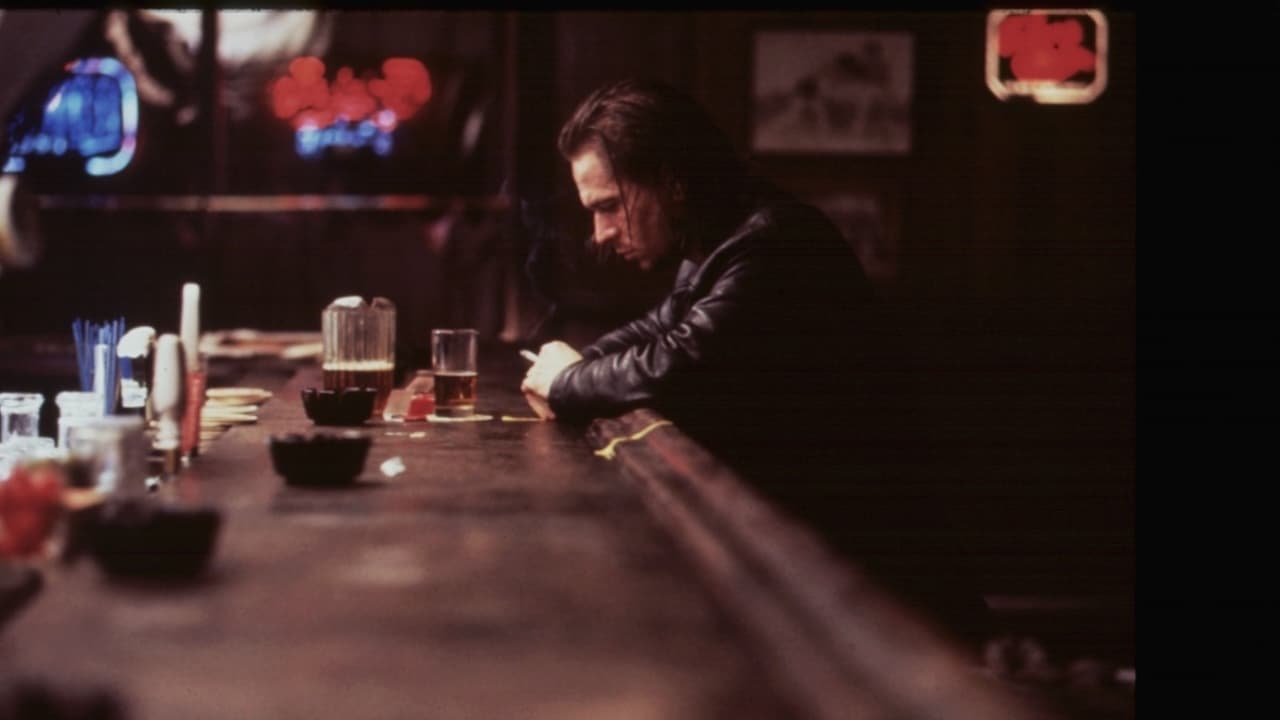
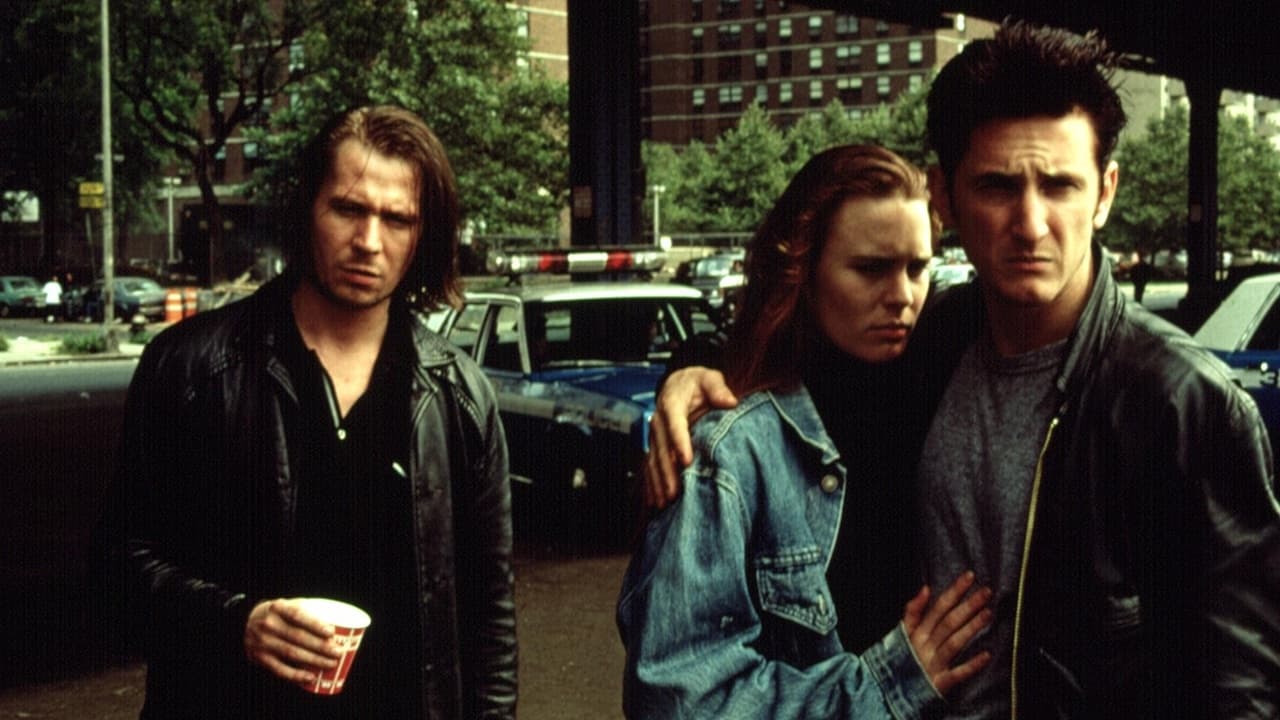
State of Grace plunges us into the heart of the Irish-American mob ruling Hell's Kitchen, a world operating under its own brutal code. Terry Noonan, now an undercover cop, is tasked with infiltrating the gang led by the pragmatic and increasingly ruthless Frankie Flannery (Ed Harris). The complication? Frankie’s volatile younger brother, Jackie (Gary Oldman), is Terry’s childhood best friend, and their sister Kathleen (Robin Wright), the woman Terry left behind, still holds a piece of his fractured heart. It’s a classic setup – the returning hero torn between loyalty and duty – but elevated by its raw execution and the sheer intensity simmering beneath the surface. This isn't the polished glamour of mafia myth; it's worn leather jackets, smoky back rooms, and the constant threat of sudden, jarring violence. The cinematography by the legendary Jordan Cronenweth (who gave Blade Runner its unforgettable look) is crucial here, bathing the decaying neighborhood in shadows and neon reflections, making the very environment feel like a closing trap.
A Trinity of Volatile Power
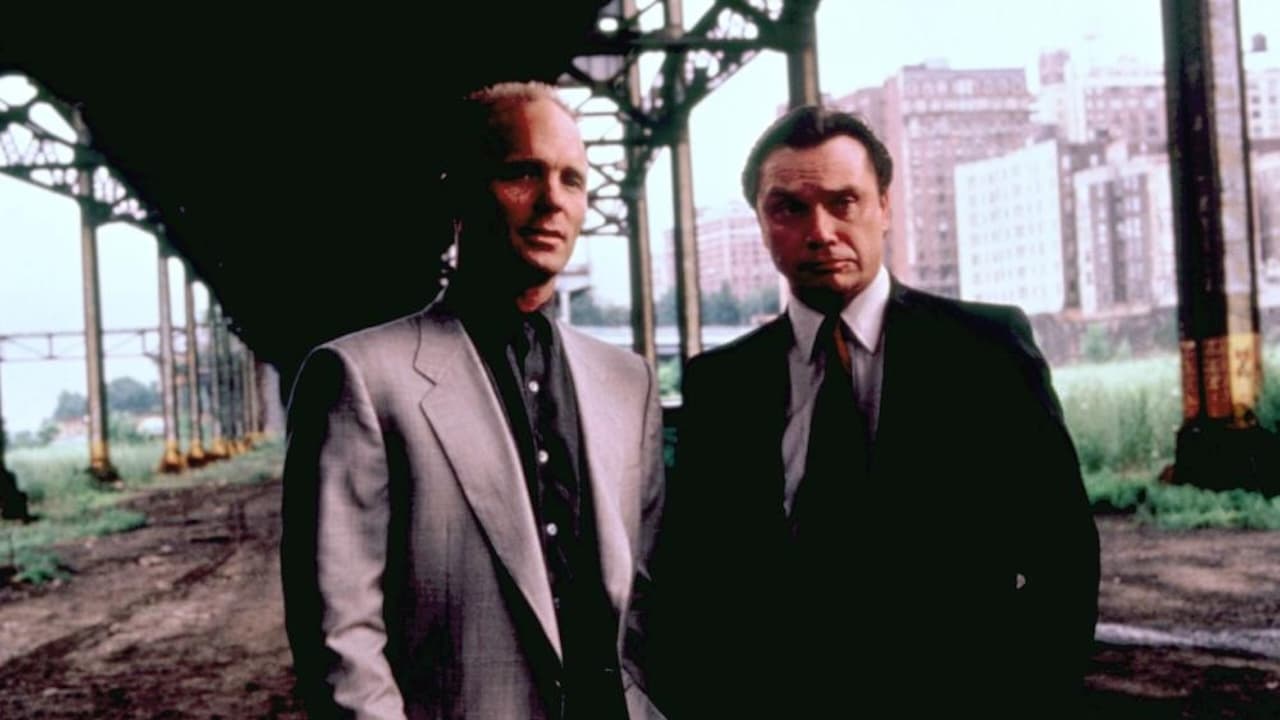
While the premise is strong, State of Grace truly ignites through its central performances. Sean Penn, already establishing himself as a formidable actor after films like At Close Range (1986), carries the film's conflicted soul. You see the calculation in his eyes as Terry navigates treacherous waters, but also the genuine affection – and growing horror – as he reconnects with Jackie. His struggle feels agonizingly real; every decision carries the potential for devastating consequences.
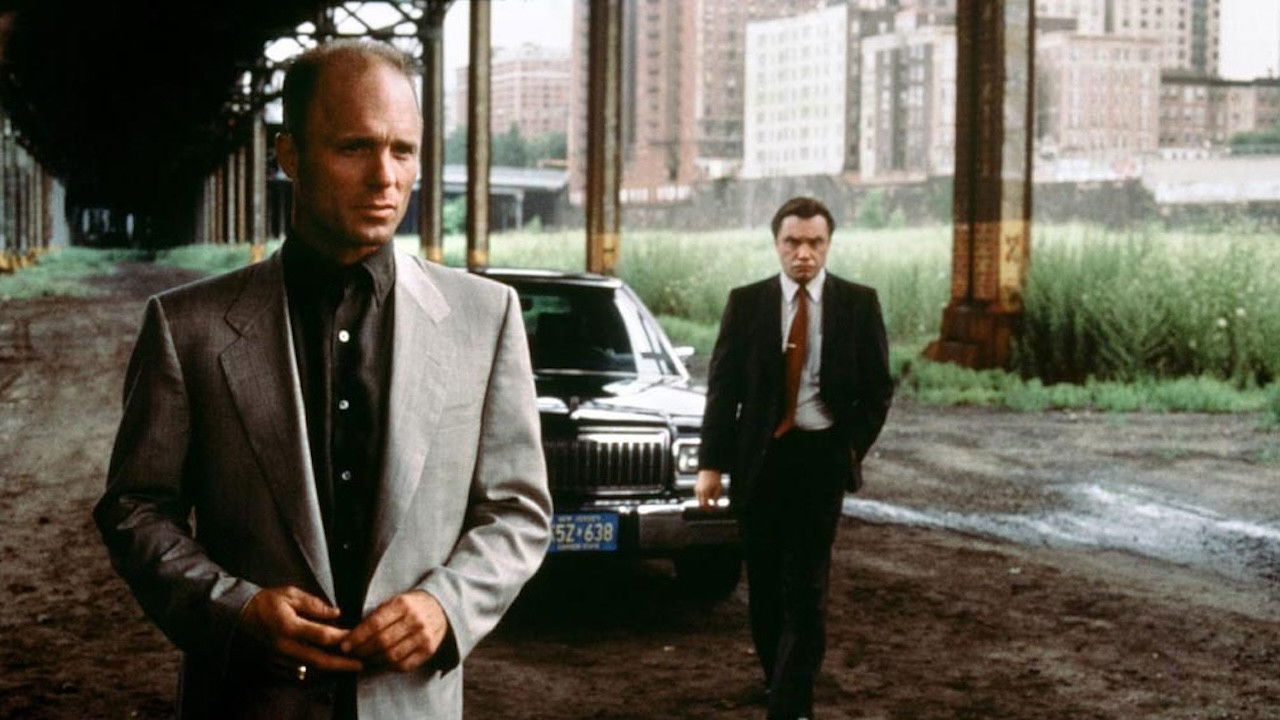
Opposite him, Ed Harris delivers a performance of chilling restraint as Frankie. He's the calculating older brother, the one who sees the shifting tides of power and is willing to make the cold-blooded choices necessary to survive, even if it means sacrificing the very traditions he claims to uphold. Harris, who already had powerhouse roles like The Abyss (1989) under his belt, embodies a quiet menace that’s arguably more terrifying than overt rage.
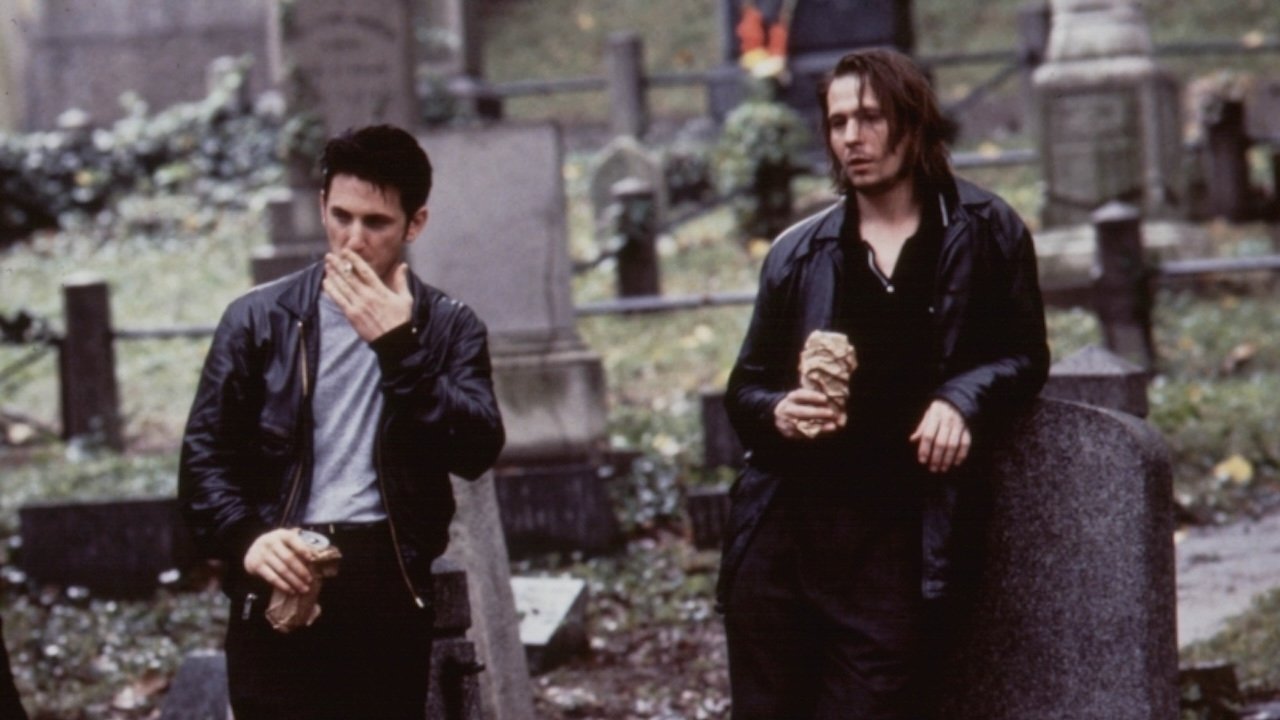
And then there’s Gary Oldman. It’s almost impossible to talk about State of Grace without focusing on his astonishing turn as Jackie Flannery. Fuelled by booze, loyalty, and a hair-trigger temper, Jackie is the unpredictable live wire of the piece. Oldman reportedly spent time immersing himself in the Hell's Kitchen milieu, and it shows – his performance isn't just acting; it feels like he is this wounded, dangerous man, capable of fierce love and terrifying violence in the same breath. It’s a raw nerve exposed, crackling with an energy that threatens to burn down everything around him. It’s the kind of performance that leaves you breathless, the kind you talked about with your friends after renting the tape, rewinding his key scenes just to witness the sheer force of it again. The dynamic between these three actors – Penn’s pained stoicism, Harris’s cool command, Oldman’s explosive volatility – forms an unforgettable, tragic triangle.
Echoes in the Alleyways
Director Phil Joanou, surprisingly young at the time (still in his late 20s), orchestrates the tension masterfully. He lets moments breathe, allowing the weight of unspoken history and impending doom to settle. The St. Patrick's Day parade sequence, for instance, is a masterclass in building dread amidst celebration, a vibrant splash of culture set against the backdrop of simmering betrayal. Adding immeasurably to the atmosphere is the score by the incomparable Ennio Morricone. It’s not his typical Western grandeur, but something more somber, melancholic, perfectly capturing the film’s sense of encroaching tragedy.
It’s one of those quirks of film history that State of Grace hit theaters just a week before Martin Scorsese’s Goodfellas in September 1990. Facing that kind of cinematic juggernaut undoubtedly hurt its box office prospects (grossing under $2 million domestically against a respectable $18 million budget – that's roughly $4.3 million gross against a $41 million budget today). It was a real shame, because while Goodfellas offered a sprawling, electrifying chronicle of mob life, State of Grace provided a more intimate, gut-wrenching look at the personal cost of that life, focusing tightly on the bonds of friendship and family tearing apart at the seams. For those of us who caught it on VHS, maybe discovering it tucked away on the new release shelf a few months later, it felt like uncovering a hidden gem, a potent dose of serious-minded crime drama. It's also notable as the film where Sean Penn and Robin Wright met, sparking a long and often tumultuous relationship – a piece of behind-the-scenes trivia that adds another layer of real-world intensity to their on-screen chemistry.
The Lingering Shadow
What stays with you after State of Grace ends? It’s the performances, undoubtedly. Oldman’s raw fury, Harris’s icy resolve, Penn’s haunted eyes. But it’s also the pervasive sense of inevitability, the feeling that these characters are trapped by their past, their neighborhood, their very natures. Can you ever truly go home again, especially when home is steeped in violence and betrayal? The film doesn't offer easy answers, instead leaving you with the profound melancholy of loyalty curdled into tragedy. It’s a film that understands the seductive pull of belonging, even when belonging means embracing darkness.
Rating: 9/10
State of Grace earns this high rating for its powerhouse performances, particularly Oldman's unforgettable turn, its incredibly evocative atmosphere, and its unflinching exploration of loyalty and betrayal. The direction is assured, the score haunting, and the depiction of Hell's Kitchen feels tragically authentic. Its only misfortune was its release timing, preventing it from achieving the wider recognition it richly deserved.
It remains a potent and deeply affecting piece of filmmaking, a standout 90s crime drama VHS find that reminds us how devastating the ties that bind can truly be. It’s a film that doesn’t just show violence, but makes you feel the emotional wreckage left in its wake.