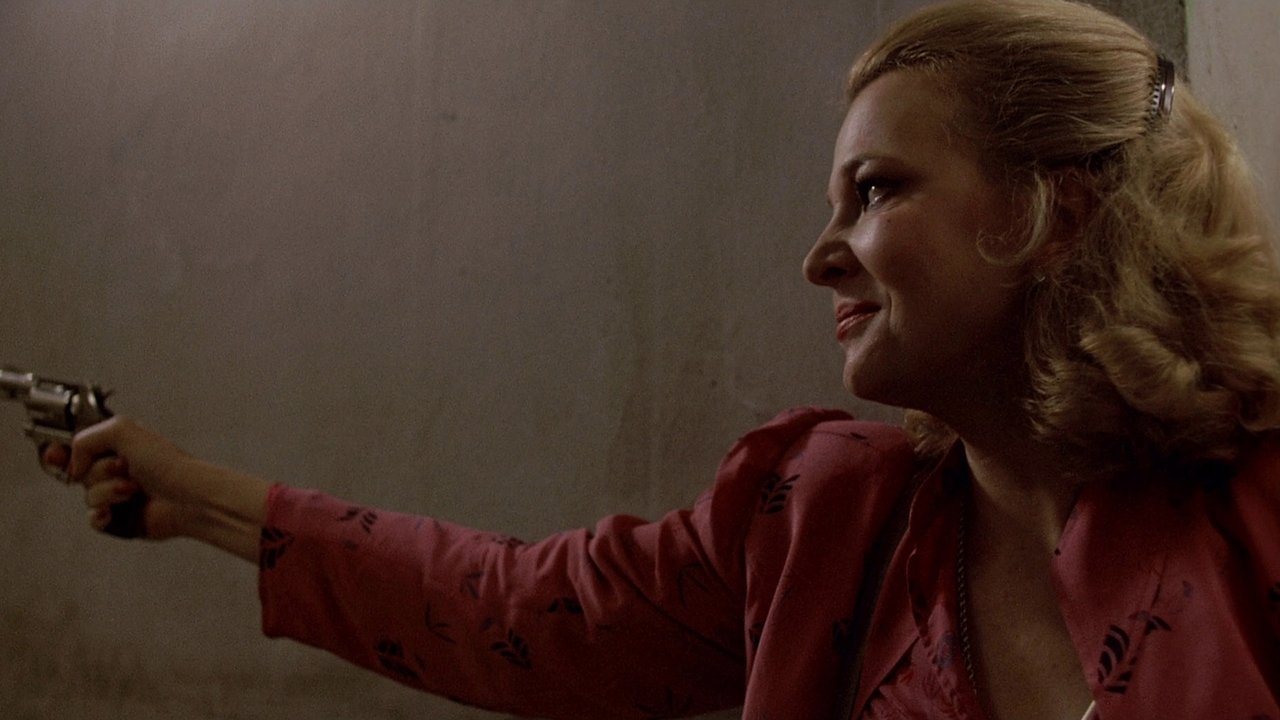
It’s a jarring image, isn’t it? Gena Rowlands, the queen of raw, intimate indie cinema under husband John Cassavetes' direction, suddenly packing heat and navigating the grimy streets of New York City like a seasoned noir protagonist. Gloria (1980) felt like a curveball back then, a Cassavetes film that somehow played like something you’d grab off the “Action/Thriller” shelf at the video store. But looking back, pulling that worn VHS tape from its sleeve, there’s so much more simmering beneath the surface than just genre thrills. It occupies this strange, fascinating space between Cassavetes' signature character studies and a more commercial, plot-driven narrative – and it’s utterly captivating because of it.

### An Accidental Mother, An Unlikely Saint
The premise hits hard and fast: Gloria, a former mob moll trying to leave the life behind, finds herself the unwilling protector of Phil (John Adames), the young son of her neighbours, after his family is brutally murdered by the mob. Crucially, the boy carries a ledger – the kind of incriminating evidence men kill for. Suddenly, this tough, independent woman, who openly declares she never liked kids, is thrust into a maternal role she never wanted, pursued by the very people she once associated with.
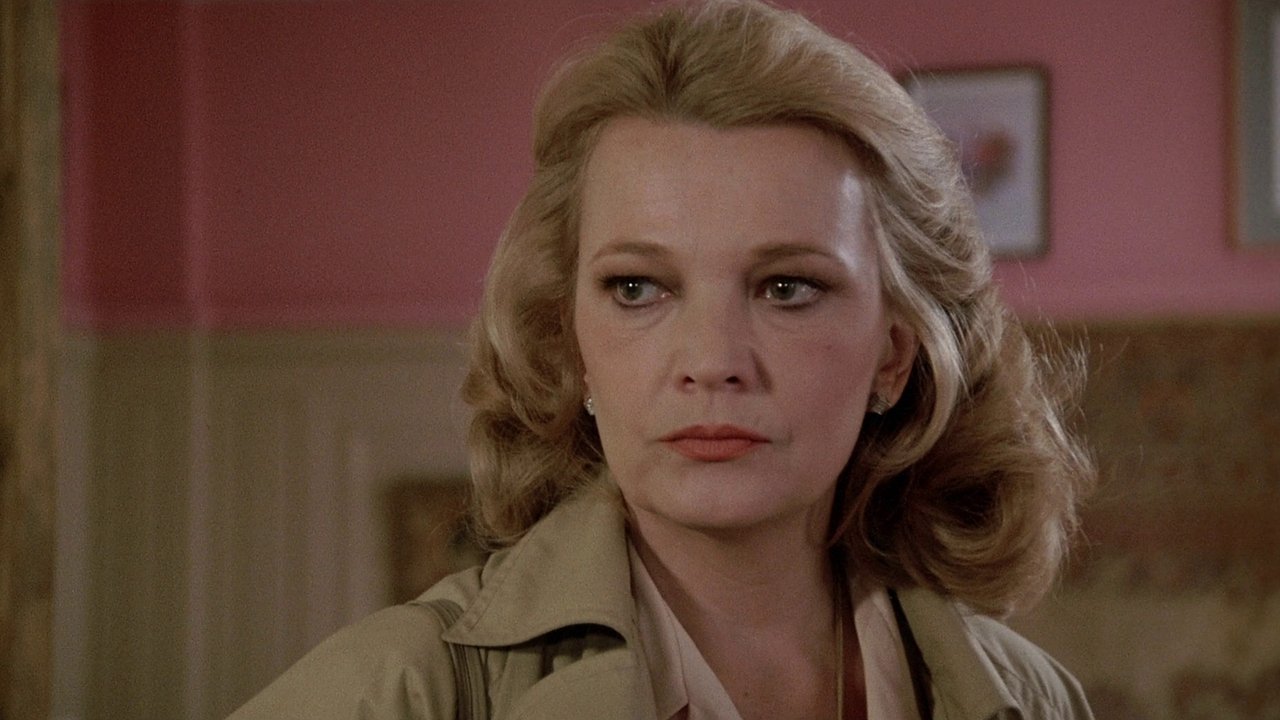
What elevates this beyond a standard chase thriller is, unsurprisingly, Gena Rowlands. Her portrayal of Gloria isn't just tough; it's brittle, world-weary, and simmering with a barely contained panic that occasionally explodes into ferocious defense. Watch her eyes – the way she balances fear with a defiant glare, the flicker of unexpected tenderness she tries desperately to mask. Rowlands doesn't play Gloria as a sudden convert to motherhood; she plays her as a survivor forced into a new, terrifying kind of fight, her maternal instincts clawing their way out against her will. It’s a performance that feels lived-in, authentic in its reluctance and fierce in its execution. It deservedly earned her an Academy Award nomination for Best Actress.

### New York Grit, Cassavetes Style
Even within a more conventional framework, Cassavetes' fingerprints are all over Gloria. He captures the early 80s New York City with an unvarnished authenticity – the crowded streets, the decaying grandeur, the sense of anonymity and constant threat. You can almost smell the exhaust fumes and stale hot dog water. This isn't the slick, stylized metropolis of later films; it’s a character in itself, a concrete maze where Gloria and Phil are perpetually exposed, perpetually running. Cassavetes uses the city’s energy, its chaos, to amplify the tension.
It's fascinating to know that Cassavetes originally wrote the script hoping to sell it, perhaps envisioning someone like Barbra Streisand in the lead. He reportedly had little interest in directing it himself, feeling it wasn't his usual style. It was Rowlands who, after reading it, convinced him it was a powerful story and that he should direct her in it. Thank goodness she did. While it might lack the deep, meandering character explorations of A Woman Under the Influence (1974), it retains that Cassavetes intensity, that focus on human behaviour under pressure, filtered through a genre lens. This blend results in something unique: a thriller with an unusually potent emotional core.
### The Kid and the Gun Moll
The dynamic between Gloria and Phil is the film's heart. Young John Adames, discovered through an open casting call, delivers a performance that has certainly divided viewers over the years. He’s not a typically polished child actor; there’s a certain precocious swagger mixed with genuine vulnerability, sometimes bordering on bratty. Yet, this almost awkward authenticity works in the film's favour. Phil isn't just a plot device; he's a scared kid trying to process unimaginable trauma, clinging to this strange, formidable woman who is just as lost as he is. Their bond isn't built on saccharine sentimentality but on shared danger and grudging reliance. Their sharp, often antagonistic banter masks a growing, unspoken affection that feels earned precisely because it isn't easy. Remember Gloria snapping at him, only to fiercely protect him moments later? That push and pull feels real.
### Retro Fun Facts
- Despite being more mainstream for Cassavetes, Gloria wasn't a massive box office smash in the US initially (around $4 million domestic gross against its budget), but it found critical acclaim, notably winning the Golden Lion at the Venice Film Festival alongside Louis Malle's Atlantic City (1980). Its life on VHS and cable undoubtedly helped cement its cult status among cinephiles and genre fans alike.
- The film's gritty realism was achieved through extensive location shooting across New York City, adding immeasurably to its atmosphere. Cassavetes truly used the city as his canvas.
- The iconic image of Rowlands wielding a gun became a defining visual, signalling a powerful female lead in a genre often dominated by men.
### Legacy on the Run
Gloria stands as a testament to Gena Rowlands' incredible range and power. It's a film that demonstrated how genre conventions could be infused with emotional depth and psychological realism. Its influence can arguably be seen in later films featuring protective figures and vulnerable charges, perhaps most famously in Luc Besson's Léon: The Professional (1994), though Gloria possesses a unique maternal grit all its own. There was even a 1999 remake starring Sharon Stone, directed by Sidney Lumet, but it largely failed to capture the raw energy and singular magic of the original.
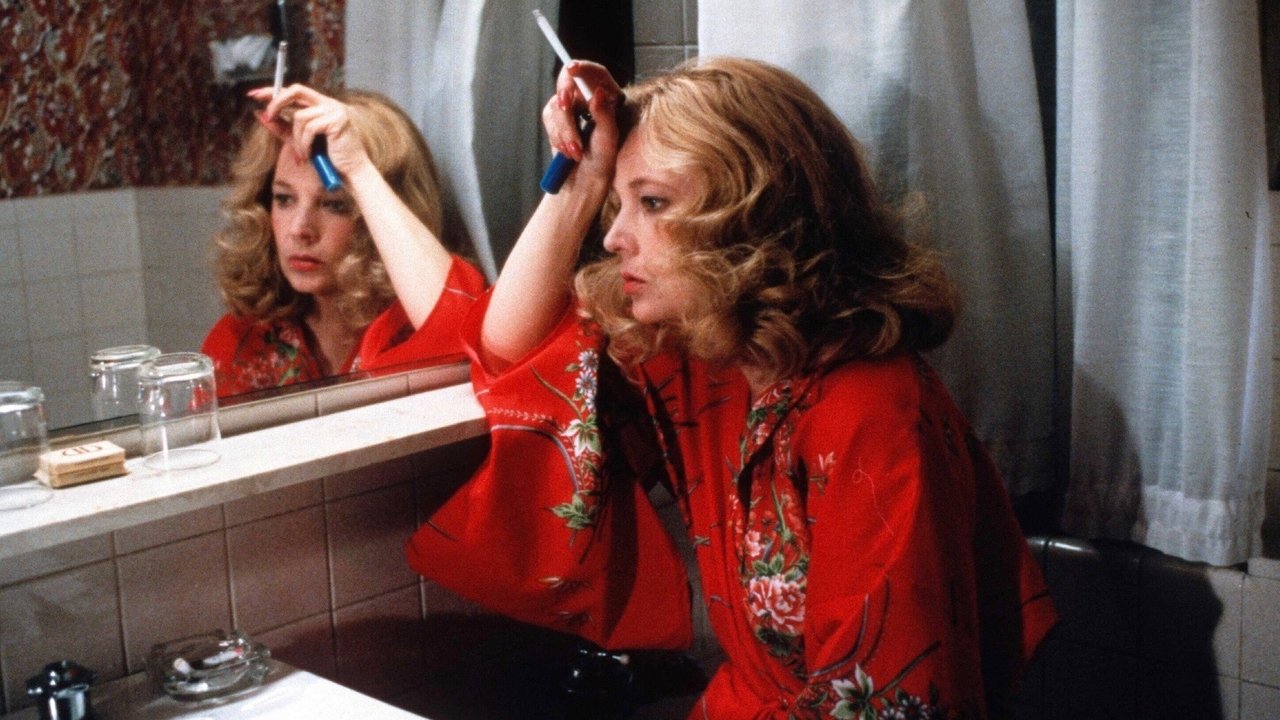
For those of us who remember finding this gem on the video store shelves, maybe nestled between bigger blockbusters, Gloria remains a potent experience. It’s a thriller with a heartbeat, carried by one of the great screen performances.
Rating: 8/10
This score reflects the film's undeniable power, anchored by Gena Rowlands' towering performance and John Cassavetes' unique directorial stamp, even within a more commercial framework. The authentic NYC atmosphere and the compelling, unconventional central relationship are major strengths. While some might find John Adames' performance uneven or the plot mechanics occasionally familiar for the genre, the sheer force of Rowlands and the gritty realism elevate it far beyond a standard thriller. It’s a film that stays with you, particularly the image of Gloria – defiant, desperate, and unexpectedly heroic. What lingers most, perhaps, is the fierce, almost primal protectiveness that blooms in the most unlikely circumstances.