"Some say it's a plague. He calls it a business." That chilling tagline perfectly encapsulates the cold ambition pulsing at the heart of New Jack City. Released in 1991, this wasn't just another crime flick; it felt like sticking your finger directly into the live socket of the crack epidemic that was tearing through American cities. Forget subtle dread – this film throws the raw, ugly consequences of unchecked greed and addiction right in your face, powered by a performance from Wesley Snipes that remains utterly magnetic and terrifying. Watching it again now, the electricity is still there, that sense of witnessing something dangerously vital.
The King of the Carter
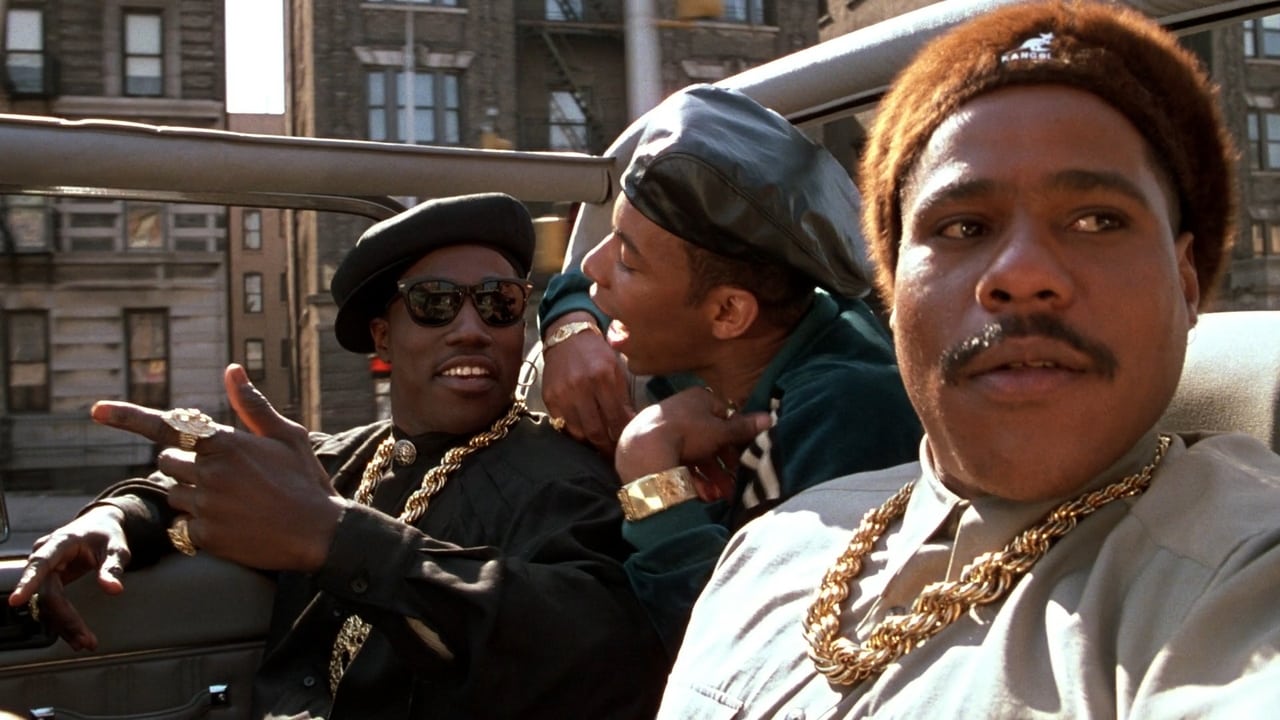
At the center of the storm is Nino Brown (Wesley Snipes), a figure sculpted from pure, ruthless capitalism wrapped in gangster swagger. Snipes doesn't just play Nino; he inhabits him with a chilling charisma that makes you understand how such a man could rise, even as you recoil from his methods. He’s captivating, smart, and utterly devoid of conscience. It’s hard to imagine anyone else in the role, yet Snipes initially expressed interest in playing the undercover cop, Scotty Appleton. Director Mario Van Peebles, in his sharp and assured feature debut (carrying the legacy of his father, Blaxploitation pioneer Melvin Van Peebles), wisely saw the potential for something iconic and convinced Snipes to embrace the darkness. It was a career-defining move. Nino and his Cash Money Brothers (CMB), including the increasingly conflicted Gee Money (Allen Payne), take over the Carter apartment complex, transforming it into a heavily fortified crack fortress – a terrifyingly plausible vision of vertical integration in the drug trade.
Concrete Jungle Nightmares
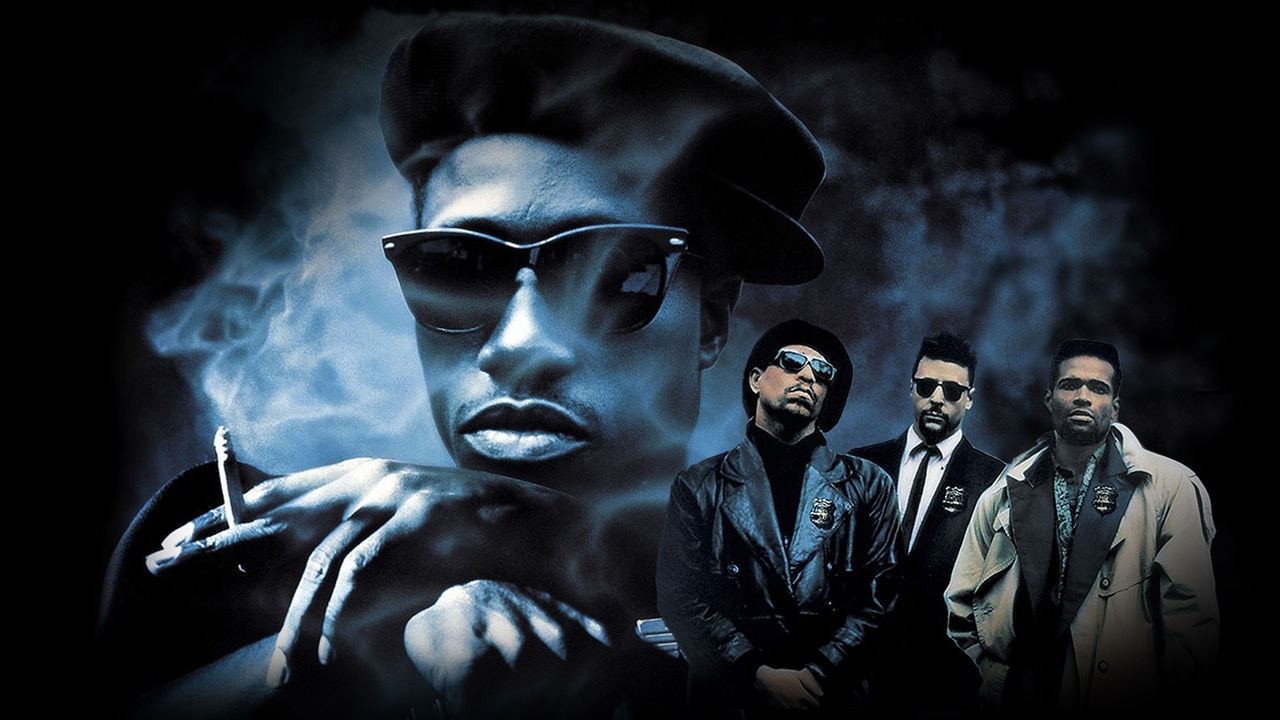
What makes New Jack City hit so hard, even today, is its unflinching sense of place and time. Van Peebles shot extensively on location in New York City, and you can feel the grit, the decay, the desperation clinging to the edges of the frame. This isn't a glamorized Hollywood backlot; it’s the streets, the neglected tenements, the palpable tension of a city under siege from within. The production design feels chillingly authentic, from the CMB's ostentatious, gaudy headquarters – a monument to ill-gotten gains – to the bleak despair of the crack houses. It was made for a relatively modest $8.5 million but exploded at the box office, pulling in over $47 million (that's north of $100 million in today's money), proving Van Peebles had tapped directly into the zeitgeist. The pulsating soundtrack, a seamless blend of hip-hop and New Jack Swing, isn't just background noise; it's the film's heartbeat, driving the narrative and cementing its early 90s identity.
The Law and the Lost
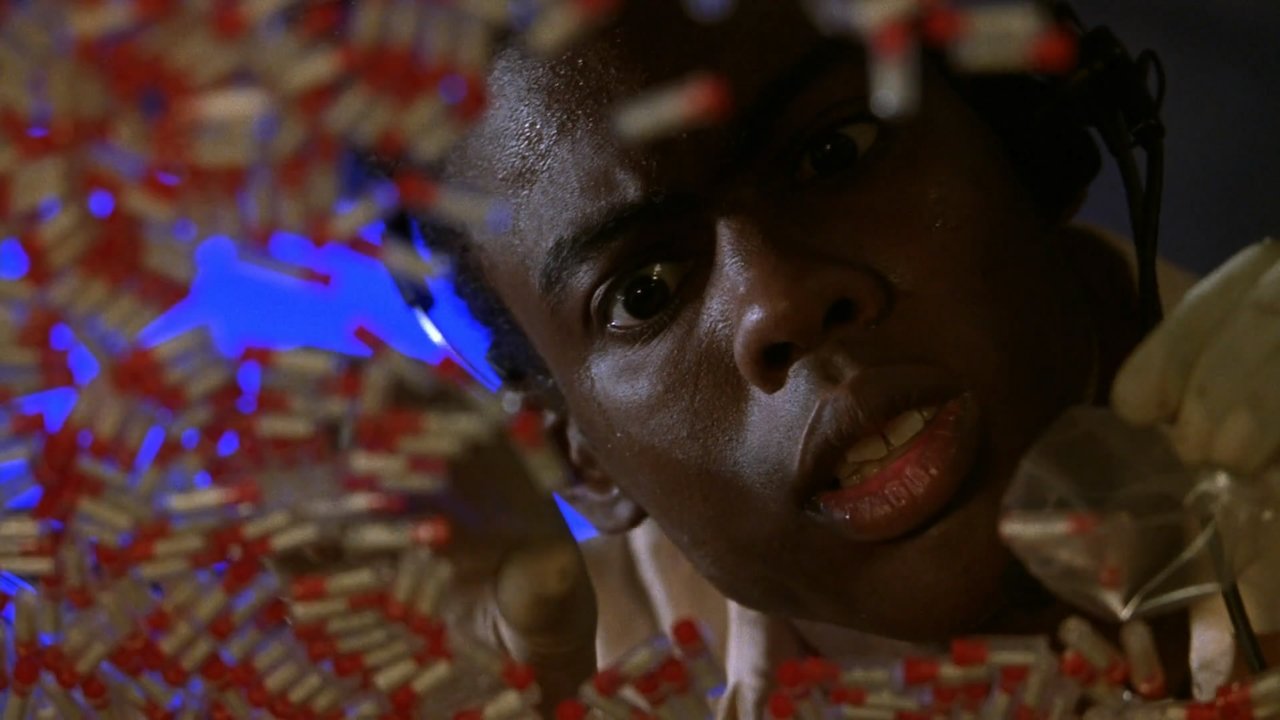
Trying to dismantle Nino's empire are undercover cops Scotty Appleton (Ice-T) and Nick Peretti (Judd Nelson). Ice-T, bringing the street credibility few actors could match, drew heavily on his own past experiences to inform his portrayal of Scotty, a cop driven by a personal vendetta against Nino. His simmering intensity provides the perfect counterpoint to Snipes' volatile energy. Their dynamic fuels the film's core conflict. But perhaps the most haunting portrayal of the drug war's collateral damage comes from a young Chris Rock as Pookie, a former stick-up kid turned crack addict turned police informant. It's a devastating performance, miles away from the comedian we know today. Rock reportedly found the experience harrowing, channeling a raw vulnerability that makes Pookie's tragic arc unforgettable. Doesn't that storyline still feel like one of the most potent gut-punches in the film?

Echoes in the Alleyways
New Jack City wasn't without controversy. Its raw depiction of drug culture and violence led to disturbances at some screenings upon release, a testament to the nerve it struck. It arrived like a Molotov cocktail thrown into the multiplex, reviving the urban crime drama with a ferocity not seen since the Blaxploitation era of the 70s. Its influence rippled through music, fashion, and film for years. Lines like "Am I my brother's keeper?" and Nino's dismissive "Cancel that bitch" became instantly iconic, lodged firmly in the pop culture lexicon. It’s a film that wears its influences (touches of Scarface (1983), echoes of gangster classics) but remixes them into something urgent and undeniably of its time.
The Verdict
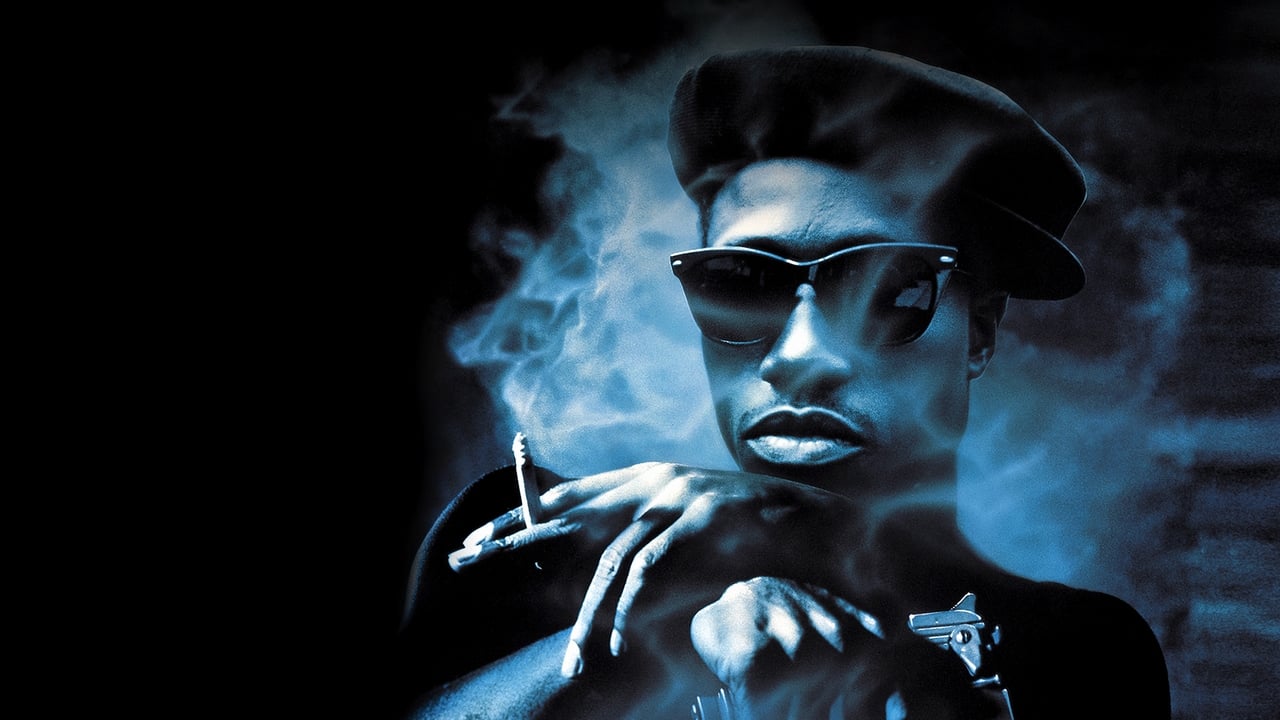
New Jack City remains a potent piece of filmmaking. It’s stylish, violent, and driven by powerhouse performances, particularly Snipes' unforgettable turn as Nino Brown. While some elements might feel stylistically rooted in the early 90s, the core themes of greed, addiction, and systemic failure continue to resonate. Van Peebles delivered a cultural phenomenon that simultaneously entertained and provoked, capturing a specific moment in American history with unflinching clarity. It’s a film that grabs you by the collar and doesn’t let go.
Rating: 9/10
The score reflects the film's undeniable impact, Wesley Snipes' iconic performance, Mario Van Peebles' assured direction, and its status as a landmark urban crime drama. It's raw, energetic, and despite its age, still crackles with a dangerous energy that defined its era on VHS shelves everywhere. Its power as both thrilling entertainment and stark social commentary remains undiminished.