There's a certain quiet dignity, a profound weariness, that permeates The Death of the Incredible Hulk. Watching it again after all these years, pulling that worn tape from its sleeve – the one with the slightly crumpled corner I probably rented a dozen times from 'Video Palace' down the street – it strikes me not as a superhero spectacle, but as the final, somber chapter in one man's tragic story. This wasn't about saving the world; it was about saving one tortured soul.
A Quiet End to a Long Road
Following the slightly more fantastical team-ups in The Incredible Hulk Returns (1988) with Thor and The Trial of the Incredible Hulk (1989) featuring Daredevil, this 1990 TV movie brought the focus squarely back to Dr. David Banner. And perhaps fittingly, it was Bill Bixby himself, the man who embodied Banner's haunted intelligence and quiet desperation for over a decade, who stepped behind the camera to direct this farewell. You can feel his intimate understanding of the character infusing every frame. The pacing is deliberate, almost melancholic, mirroring Banner's own exhaustion.
Working under the alias David Bellamy, Banner finds himself involved with Dr. Ronald Pratt (Philip Sterling), another scientist grappling with the potential dangers of his own research into genetic manipulation. There's a flicker of hope – could Pratt hold the key to finally curing Banner? This hope, as always, is tangled with peril, this time involving a shadowy organization led by the ruthless Jasmin (Barbara Tarbuck) and her conflicted operative, Kasha (Elizabeth Gracen), a former agent seeking escape. The plot, involving industrial espionage and betrayal, feels grounded, almost like a standard TV thriller of the era, but it serves primarily as the backdrop for Banner's final struggle.
The Weight of the Transformation
What always set this iteration of the Hulk apart was Bill Bixby's portrayal of Banner. He wasn't just a plot device waiting for the green guy to show up; he was the tormented heart of the narrative. In Death, Bixby delivers a performance etched with the accumulated pain of years on the run. Every line on his face seems to tell a story of loss, fear, and the desperate yearning for normalcy. You believe utterly in his desire for release, making the film's central theme resonate deeply. Does a life lived in constant fear, defined by a destructive force within, cease to be a life worth living?
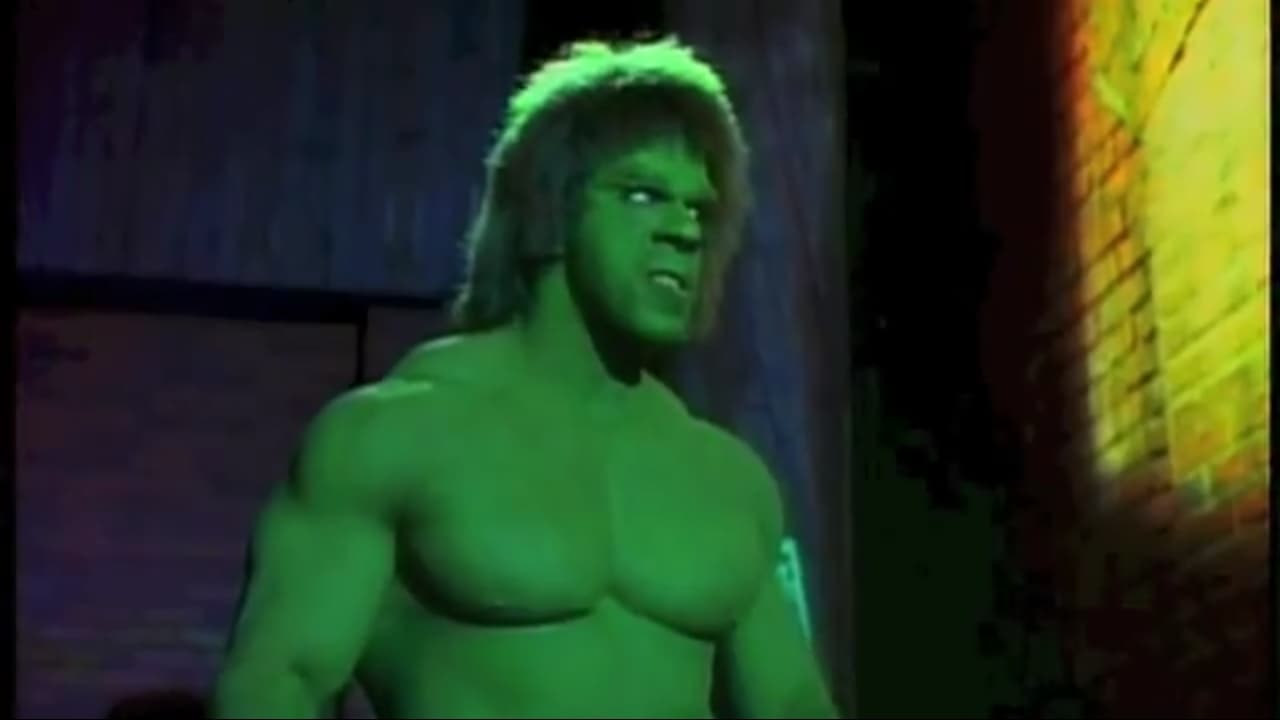
And then there's Lou Ferrigno. Still an imposing physical presence, his Hulk remains a creature of pure, untamed id. The practical effects – the green makeup, the torn shirts, the sheer physicality Ferrigno brought – have a tangible quality that CGI often lacks. It wasn't seamless, sure, maybe even a bit charmingly clunky viewed through modern eyes, but it felt real in a way that mattered back then, watching on a flickering CRT. Ferrigno reportedly endured hours in the makeup chair for these TV movies, a testament to his commitment even as the series itself was winding down. One fascinating bit of trivia: the original plan was for the TV movies to continue, potentially introducing characters like She-Hulk or even Iron Man, but Bixby's declining health and eventually, his tragic passing in 1993, brought this specific Hulk saga to a definitive close. This film wasn't initially conceived as the absolute end, which perhaps adds another layer of poignancy to its title and Bixby's direction.
More Than Just a TV Movie?
Let's be honest, The Death of the Incredible Hulk operated within the constraints of a 1990 television movie budget. It lacks the grand scale of today's superhero epics. The action sequences are functional rather than breathtaking, relying more on practical stunts and Ferrigno's presence than elaborate choreography. The espionage plot, while serviceable, isn't particularly novel. But criticizing it solely on those terms misses the point.
Its strength lies in its emotional core and its commitment to concluding Banner's journey. Elizabeth Gracen provides a compelling counterpoint as Kasha, a woman trapped in her own dangerous life, finding an unexpected connection with the equally trapped Banner. Their interactions add a layer of human drama that elevates the material. The direction, while perhaps not flashy, is competent and focused, prioritizing character and mood. Bixby knew this world, knew this character, and directed with a sensitivity born from that deep familiarity. He wasn't just finishing a job; he was saying goodbye.
The climax itself (Spoiler Alert! though the title is a dead giveaway) is handled with a surprising lack of fanfare. The fall from the airplane, the slow, quiet transformation back to Banner, and those final, whispered words – "I am free" – carry an unexpected weight. It’s not explosive; it's elegiac. It feels earned because Bixby spent years making us care about the man, not just the monster. It was a brave choice, opting for emotional finality over a potential ratings-grabbing cliffhanger.
### Final Thoughts on a Fond Farewell
Rewatching The Death of the Incredible Hulk is a bittersweet experience. It’s a reminder of a different era of superhero storytelling, one more focused on human drama and internal conflict than universe-building. It’s imbued with the melancholy spirit of its lead actor and director, Bill Bixby, who gave so much to this character. While perhaps not a masterpiece of filmmaking, it serves as a surprisingly affecting and dignified conclusion to the saga that began way back in 1977. It respects the journey Banner endured and offers him, finally, the peace he so desperately sought. For those of us who followed Banner's lonely walk across America week after week, or caught these TV movie events with anticipation, it felt like a fitting, if sad, goodbye.
Rating: 6/10
Justification: The rating reflects the film's success as an emotional conclusion to the Bixby/Ferrigno Hulk era, anchored by Bixby's poignant performance and direction. It delivers on its premise with sincerity. However, it's held back by its noticeable TV movie budget limitations, somewhat standard plot mechanics outside of Banner's arc, and dated production values that, while nostalgic, don't always hold up objectively.
Final Comment: It wasn't the end Hulk deserved in a cinematic sense, perhaps, but it was the end David Banner needed, and for that, it remains a significant, albeit somber, entry in the annals of VHS Heaven.