There are certain films that don't just occupy space on a shelf, but seem to carry the weight of history within their very magnetic tape. Watching Edward Yang's A Brighter Summer Day (1991) feels less like revisiting a movie and more like stepping into a meticulously recreated, achingly real past. It's a film whose nearly four-hour runtime, daunting perhaps on paper or even split across two well-worn VHS cassettes back in the day, never feels excessive. Instead, it feels necessary, allowing us the time to truly inhabit the world it portrays – 1960s Taiwan, simmering with the anxieties of displaced youth and the ghosts of a lost mainland China.
Echoes in the Corridors
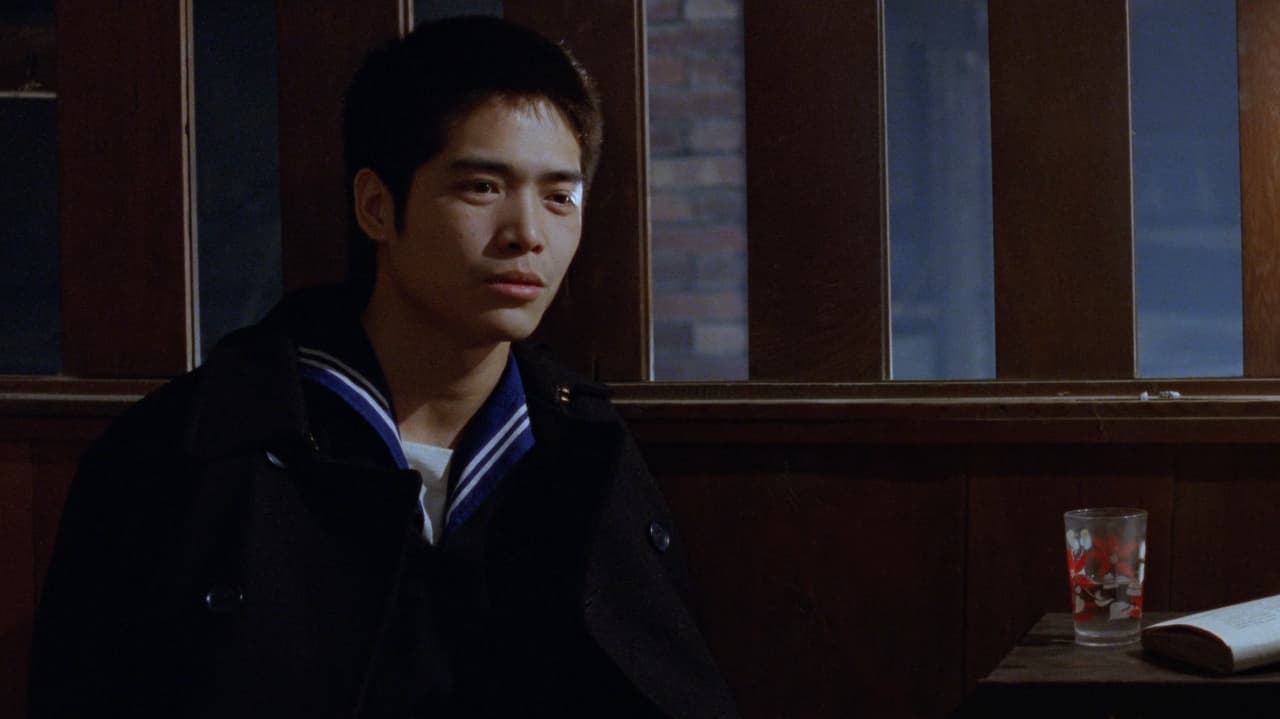
The film immerses us in the life of Xiao Si'r (Chang Chen, in a debut performance of astonishing naturalism), a teenager navigating the turbulent landscape of Taipei. His father is a civil servant, haunted by the past and wary of the present political climate. Si'r drifts between school, fraught with academic pressures and arbitrary rules, and the streets, where rival youth gangs – the "Little Park Boys" and the "217s" – clash over territory, respect, and girls. This isn't the stylized gang warfare of Hollywood; it feels raw, almost documentary-like, born from confusion and a desperate search for identity in a society still finding its feet after the Kuomintang's retreat from the mainland.
Edward Yang, a towering figure of the Taiwanese New Wave alongside Hou Hsiao-hsien, directs with a patient, observant eye. He often employs long takes and wide shots, letting scenes unfold organically, capturing the ambient details of life – the buzzing cicadas, the cramped family apartments, the cavernous school halls, the dimly lit pool halls where tensions simmer. There’s a deliberate avoidance of melodrama; the camera remains somewhat distanced, allowing us to absorb the environment and the complex web of relationships without being explicitly told how to feel. This patient style demands attention, rewarding the viewer who settles in, much like we had to with those longer tapes back then, letting the narrative rhythm wash over them.

A World Caught Between
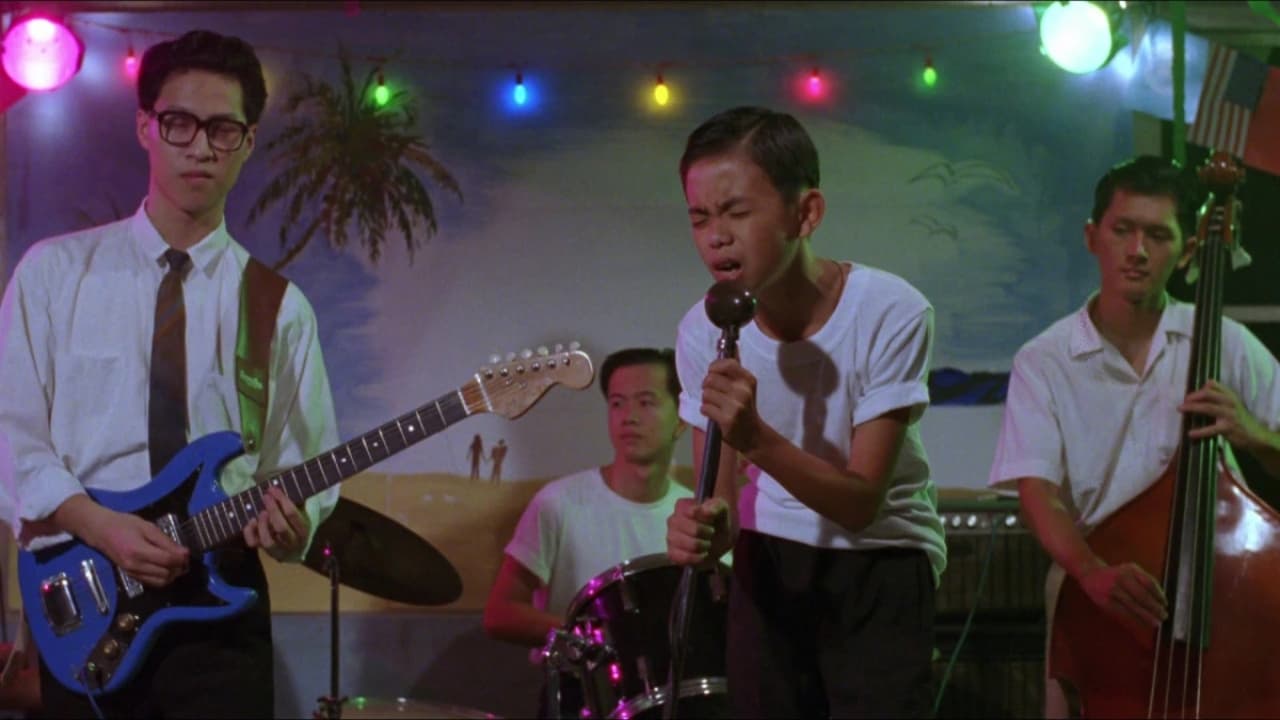
The film’s title, ironically borrowed from the lyrics of Elvis Presley's "Are You Lonesome Tonight?", hints at the yearning for something brighter, something American perhaps, that permeates the lives of these teenagers. Western rock and roll provides a soundtrack to their rebellion and romance, a cultural import offering a fleeting escape from the pressures of their reality. Yet, this imported brightness feels fragile against the backdrop of political paranoia and the lingering trauma of displacement that affects their parents' generation, subtly shaping the world the children inherit.
It’s a fascinating bit of trivia that the film is based on a real-life incident from Yang's own childhood – the first juvenile homicide case in Taiwan's post-war history. This grounding in reality perhaps explains the film's unsettling authenticity. Yang doesn’t just tell a story; he reconstructs a specific time and place with an ethnographer's precision and an artist's empathy. The production reportedly involved meticulous research into the period details, from clothing and music to the very slang used by the teenagers, creating a truly immersive experience. Finding funding and support for such an ambitious, non-commercial project was also a significant hurdle, a testament to Yang's unwavering vision.

Faces in the Crowd
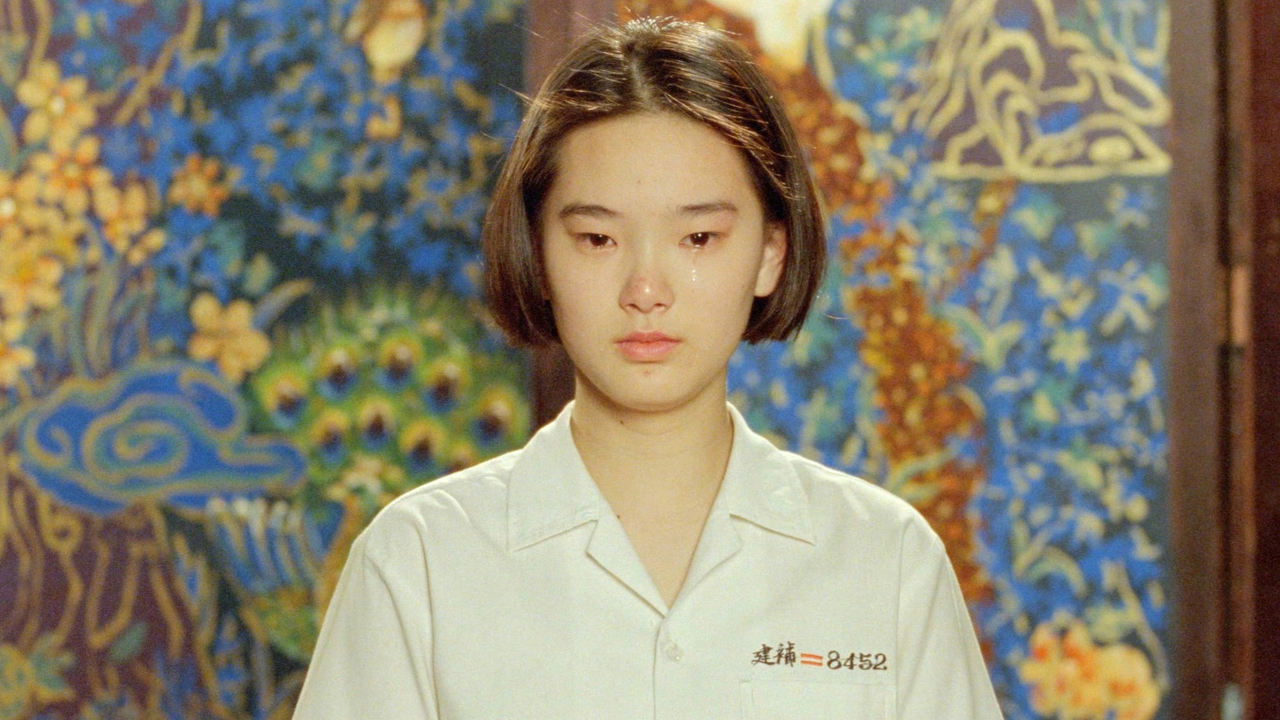
While Chang Chen carries the film with a quiet intensity that charts Si'r's gradual hardening and disillusionment, the entire ensemble cast feels remarkably lived-in. Lisa Yang as Ming, the enigmatic girl caught between rival gangs and the object of Si'r's confused affection, embodies the film's sense of unattainable ideals and underlying fragility. Chang Kuo-chu (Chang Chen's actual father) as Si'r's father delivers a powerful portrayal of quiet dignity eroded by systemic suspicion and bureaucratic indifference. His interrogation scenes are among the film's most chilling, illustrating the suffocating atmosphere of the era. What makes these performances resonate is their lack of theatricality; they feel like real people grappling with complex emotions and impossible situations.
Watching A Brighter Summer Day today, especially if you first encountered it via a less-than-pristine VHS copy perhaps procured from a specialty shop or a copied tape passed between friends (it wasn't exactly standard Blockbuster fare), the clarity of recent restorations is stunning. Yet, there was something about seeing its world through that slightly degraded analogue lens that perhaps accidentally mirrored the film's themes of imperfect memory and obscured truths.
The Weight of Time
This isn't a film you simply "enjoy" in the conventional sense; it’s a film you absorb, contemplate, and carry with you. It’s a sprawling, novelistic epic that tackles themes of identity, alienation, the loss of innocence, political anxiety, and the seemingly inescapable cycles of violence with profound depth and artistry. It asks us to consider how societal pressures and historical forces shape individual destinies, particularly those of young people searching for their place. What future is possible when the past looms so large and the present feels so uncertain?
A Brighter Summer Day stands as a landmark not just of Taiwanese cinema, but of world cinema. It’s a demanding, devastating, yet ultimately unforgettable experience. It requires commitment, but the rewards – a deep understanding of a specific historical moment and a profound meditation on the human condition – are immense.
Rating: 10/10
The rating reflects the film's masterful direction, stunning performances, thematic richness, historical significance, and flawless execution of its ambitious scope. It’s a near-perfect realization of cinematic storytelling, using its extended runtime not for indulgence, but for necessary depth and immersion. Few films achieve this level of authenticity and emotional resonance.
Final Thought: Long after the screen fades to black, the echoes of those Taipei streets, the hopeful strains of rock and roll, and the haunting trajectory of Xiao Si'r remain, a powerful reminder of youth caught in the unforgiving currents of history.