Okay, let's slide another tape into the VCR of our memories. Remember the thumping bass lines, the high-top fades, the breathless energy of streetball under the lights? 1994's Above the Rim wasn't just another basketball movie; it landed with the force of a perfectly executed crossover, capturing a specific moment in time where hip-hop culture, urban pressures, and the dreams played out on asphalt courts collided. Watching it again now, decades removed, it feels less like a simple sports drama and more like a time capsule, potent and edged with a bittersweet awareness of what was, and what was to come.
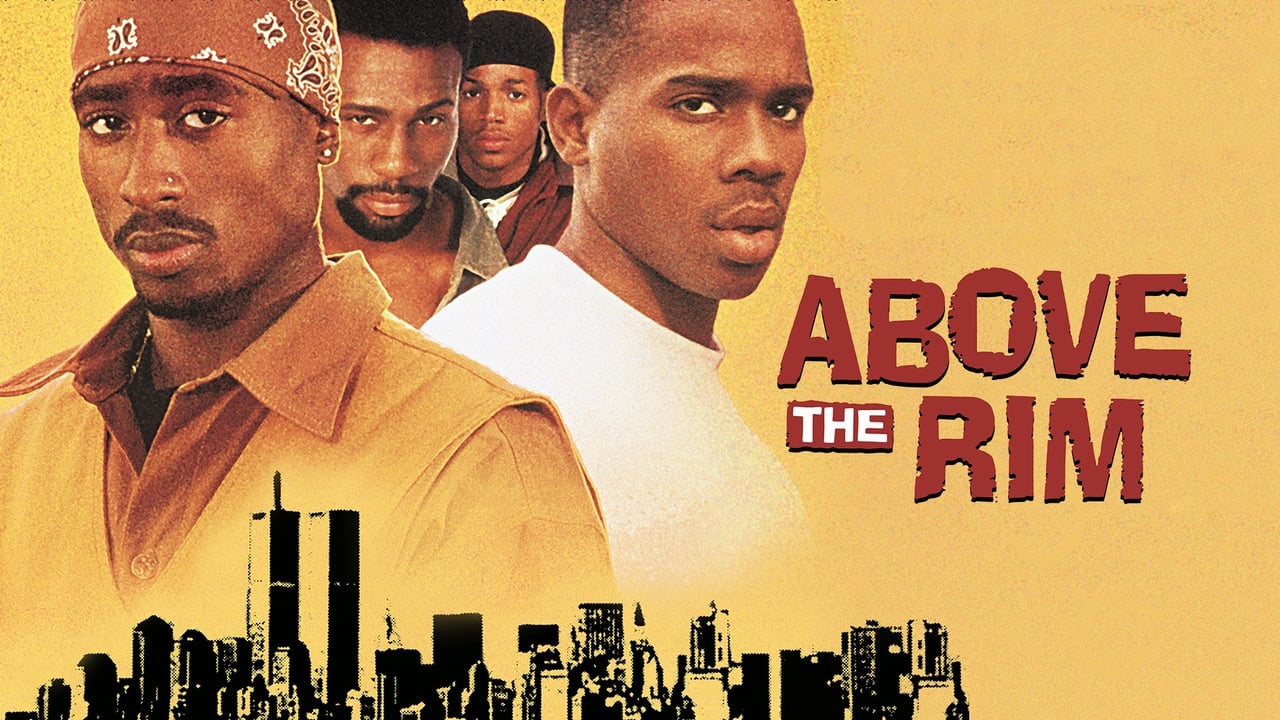
More Than Just a Game
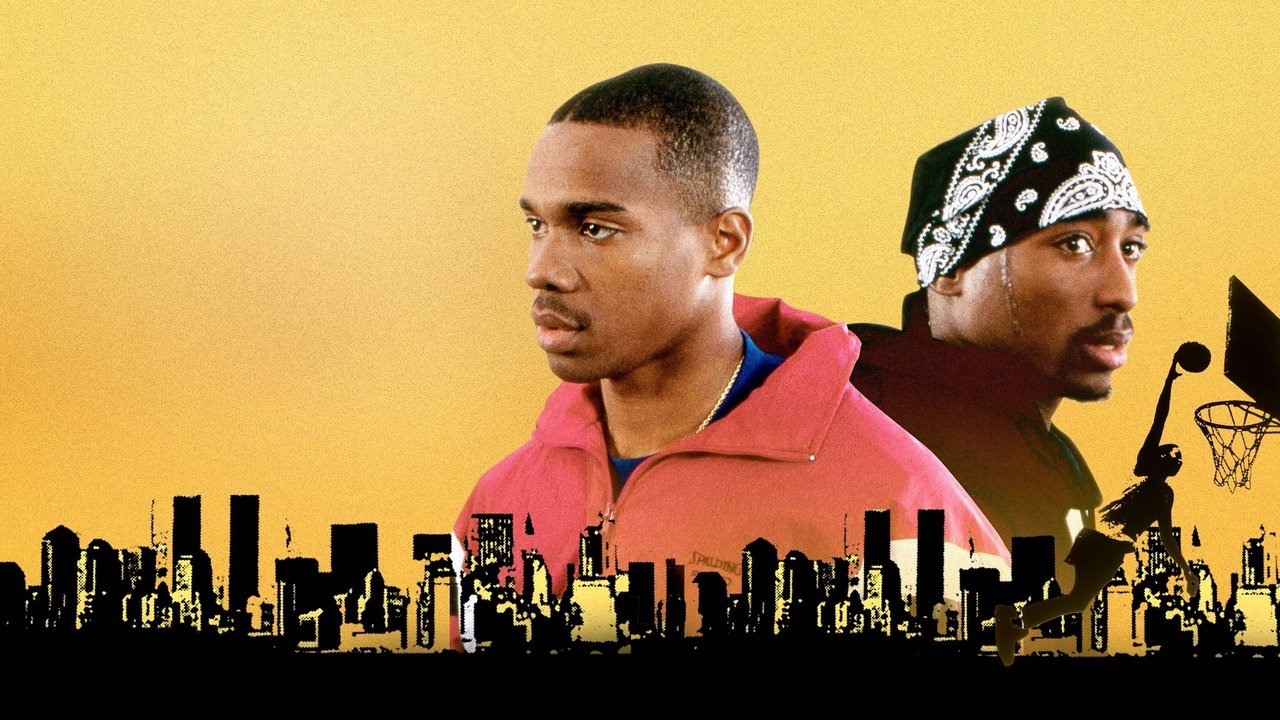
At its heart, Above the Rim spins a familiar yarn: the talented young prospect torn between paths. Kyle Watson, played with restless ambition by Duane Martin, is a high school basketball phenom dreaming of Georgetown, but his arrogance and impatience threaten to derail everything. He finds himself caught in the gravitational pull of two opposing father figures. On one side, there's Birdie (Tupac Shakur), a charismatic local drug lord who runs a dominant streetball team and sees Kyle as a prize acquisition. On the other, there's Thomas "Shep" Sheppard (Leon), a former high school legend himself, now a quiet security guard haunted by a past tragedy linked to Birdie's crew. Shep sees Kyle's potential, both on and off the court, and reluctantly steps in.
The film, directed by Jeff Pollack (who would later give us the very different energy of Booty Call (1997)) and co-written with Barry Michael Cooper (who penned the screenplay for the seminal New Jack City (1991)), doesn't shy away from the moral complexities. It paints a picture of Harlem where the allure of easy money and street power casts long shadows over the brighter path of education and discipline. The choices Kyle faces feel genuine, rooted in the pressures and temptations of his environment. Does the narrative tread some familiar ground for 90s urban dramas? Perhaps. But the execution, particularly the performances and the palpable atmosphere, elevates it.
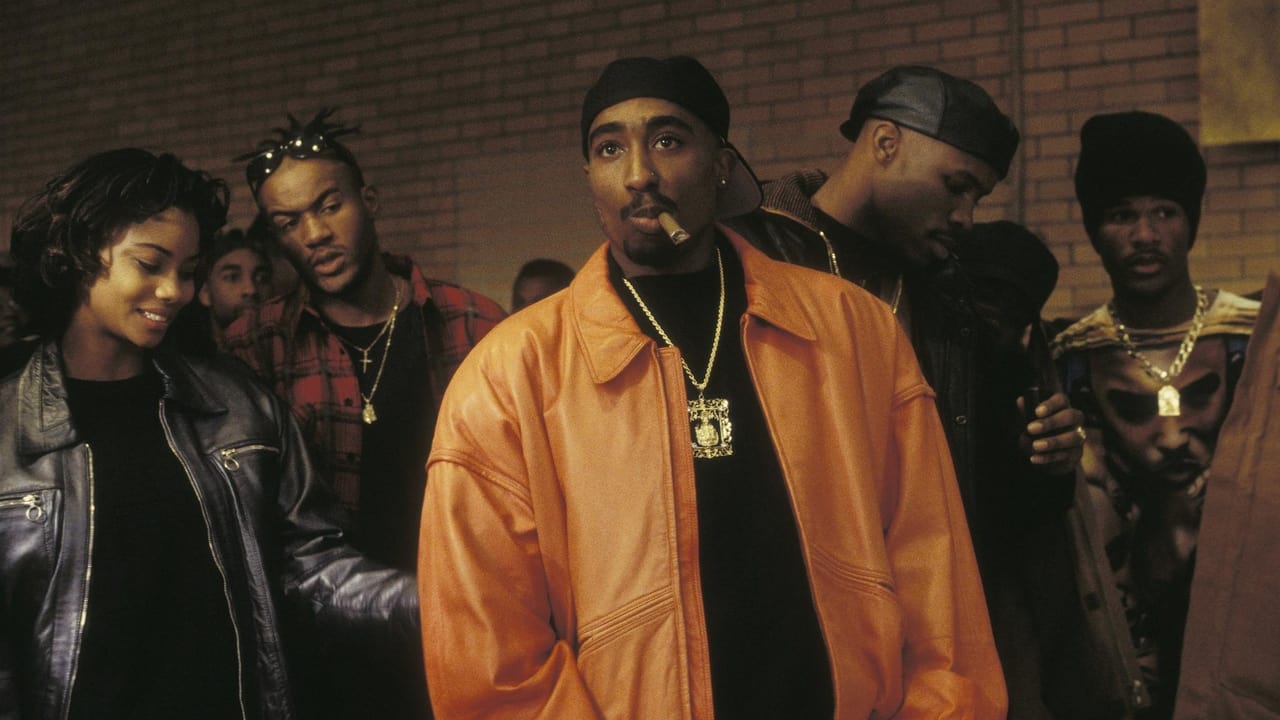
The Magnetic Force of Birdie
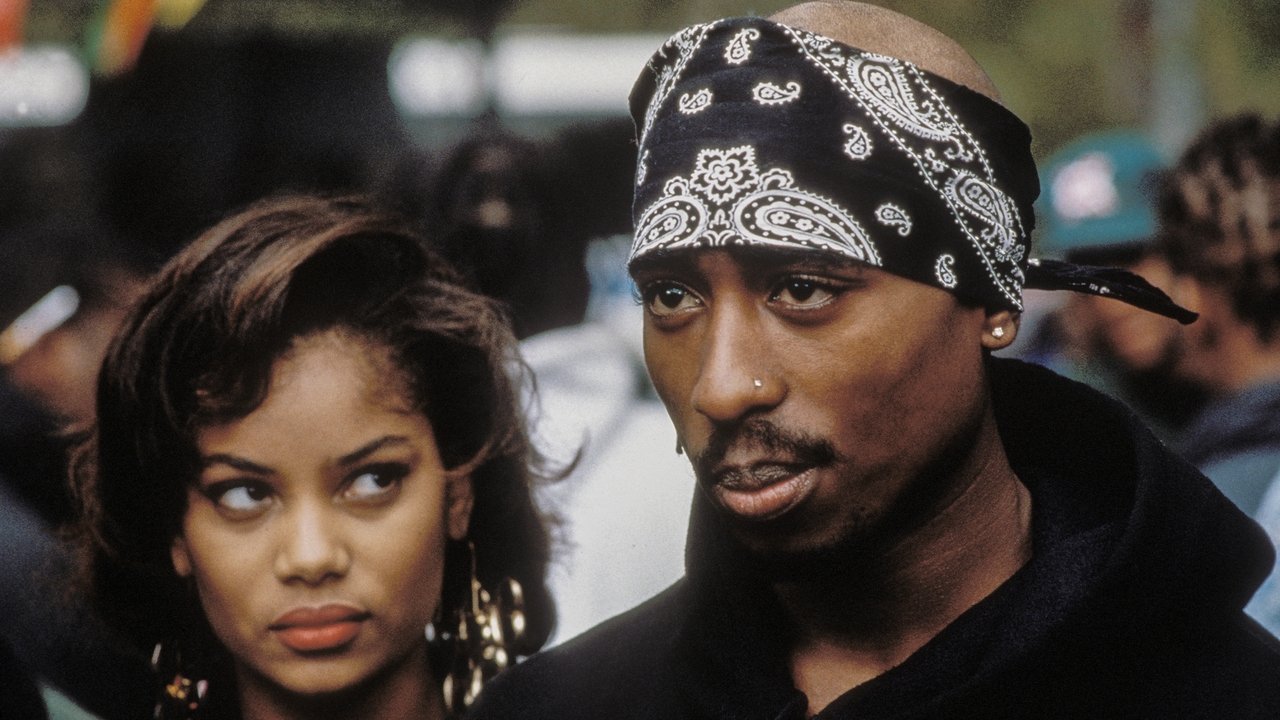
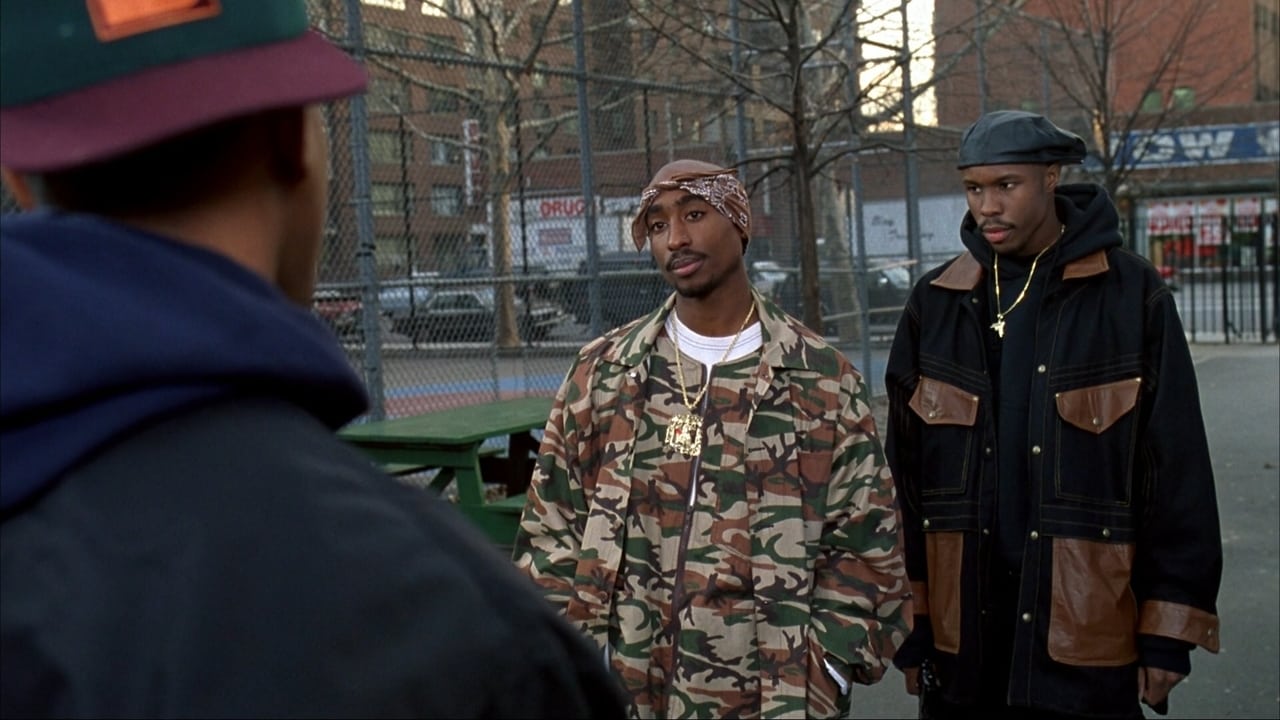
Let's be honest, the gravitational center of Above the Rim is Tupac Shakur's portrayal of Birdie. Released just as his music career was hitting stratospheric heights and his own life was increasingly tumultuous, his performance here is electric. Birdie isn't a one-note villain; Shakur infuses him with a dangerous charm, a swagger that’s both magnetic and menacing. You understand why people follow him, why Kyle is drawn to his orbit. There's a chilling scene where Birdie calmly explains his worldview, a blend of street philosophy and ruthless pragmatism, and it’s utterly captivating. It’s impossible to watch without the tragic overlay of Shakur's own future, lending the role an unintended, haunting poignancy. He embodies the film's core tension: the seductive danger that can seem like the only way up.
Contrasting sharply is Leon's quiet intensity as Shep. Fresh off charming audiences in Cool Runnings (1993), Leon brings a wounded dignity to the role. Shep is a man weighed down by guilt and regret, his former basketball glory a constant reminder of a life tragically altered. His scenes with Duane Martin carry the film's moral weight, showcasing a different kind of strength – the strength of restraint, responsibility, and quiet guidance. Martin, for his part, effectively captures Kyle's journey from cocky kid to a young man grappling with serious consequences. His on-court skills look authentic, crucial for selling the film's premise.
Soundtrack, Style, and Streetball Soul
You cannot talk about Above the Rim without mentioning its soundtrack. Released on Death Row Records at the absolute peak of its influence, the album was huge, spawning massive hits like Warren G and Nate Dogg's timeless "Regulate." The music isn't just background noise; it is the film's pulse, driving the energy of the basketball scenes and underscoring the mood of the streets. It’s pure, uncut 90s hip-hop and R&B, perfectly complementing the visuals – the baggy jeans, the team jerseys, the kinetic energy of the Rucker Park-inspired tournament games.
Director Jeff Pollack captures the raw energy of streetball effectively. The games feel dynamic and grounded, avoiding overly flashy Hollywood exaggeration. The film even carries a dedication to Earl "The Goat" Manigault, a legendary NYC playground player whose own story of immense talent derailed by addiction would later be told in the HBO film Rebound: The Legend of Earl 'The Goat' Manigault (1996). This connection anchors Above the Rim in a real B-ball tradition, adding a layer of authenticity. Made for a reported $3.7 million, its $16.2 million box office take signaled it resonated with audiences looking for this blend of sports action and street-level drama.
Retro Fun Facts
- The film’s climactic Shoot-Out tournament was heavily inspired by Harlem's real-life Rucker Park tournament, famous for showcasing playground legends and even NBA stars.
- Tupac Shakur reportedly improvised some of Birdie's most memorable lines, blurring the lines between his own public persona and the character.
- The success of the soundtrack arguably overshadowed the film itself for a time, becoming one of the defining multi-platinum albums of 1994.
The Final Whistle
Watching Above the Rim today is a potent experience. It’s a solid, well-acted sports drama anchored by a truly iconic performance from Tupac Shakur. The story beats might feel familiar within the genre, but the film’s energy, its incredible soundtrack, and its snapshot of a specific cultural moment give it lasting power. It captures the dreams and dangers lurking on the asphalt courts, the allure of the streets versus the discipline of the game, all set to a beat that defined a generation. Does it perfectly stick the landing on every narrative point? Maybe not entirely, but its strengths, particularly its central performances and atmosphere, are undeniable. It’s a film that resonates differently now, carrying the weight of history and the ghost of its most magnetic star.
Rating: 7.5/10
Justification: The film scores high for its electrifying performance by Tupac Shakur, a phenomenal soundtrack that perfectly captures the era, strong supporting work from Leon and Duane Martin, and its authentic depiction of streetball culture and urban pressures. It effectively blends sports action with compelling drama. It loses a couple of points for a somewhat predictable core narrative arc and a few character motivations that could have been explored more deeply, but its cultural significance and powerful moments make it a standout VHS-era gem.
What lingers most isn't just the slick basketball moves or the killer soundtrack, but the echoes of potential – both realized and tragically cut short – that reverberate through the story and its unforgettable cast.