Ah, the late 90s. A time when the animation landscape was dominated by a certain Mouse House, but brave challengers occasionally stormed the castle gates. Warner Bros. Feature Animation certainly had high hopes with 1998’s Quest for Camelot, swinging for the fences with a blend of Arthurian legend, musical numbers, and celebrity voices. Watching it again feels like unearthing a brightly coloured time capsule – one filled with soaring ambition, baffling choices, and a surprisingly catchy power ballad or two. It wasn’t quite the Disney-slayer the studio might have envisioned, but it certainly left an impression, didn't it?
A Different Kind of Damsel
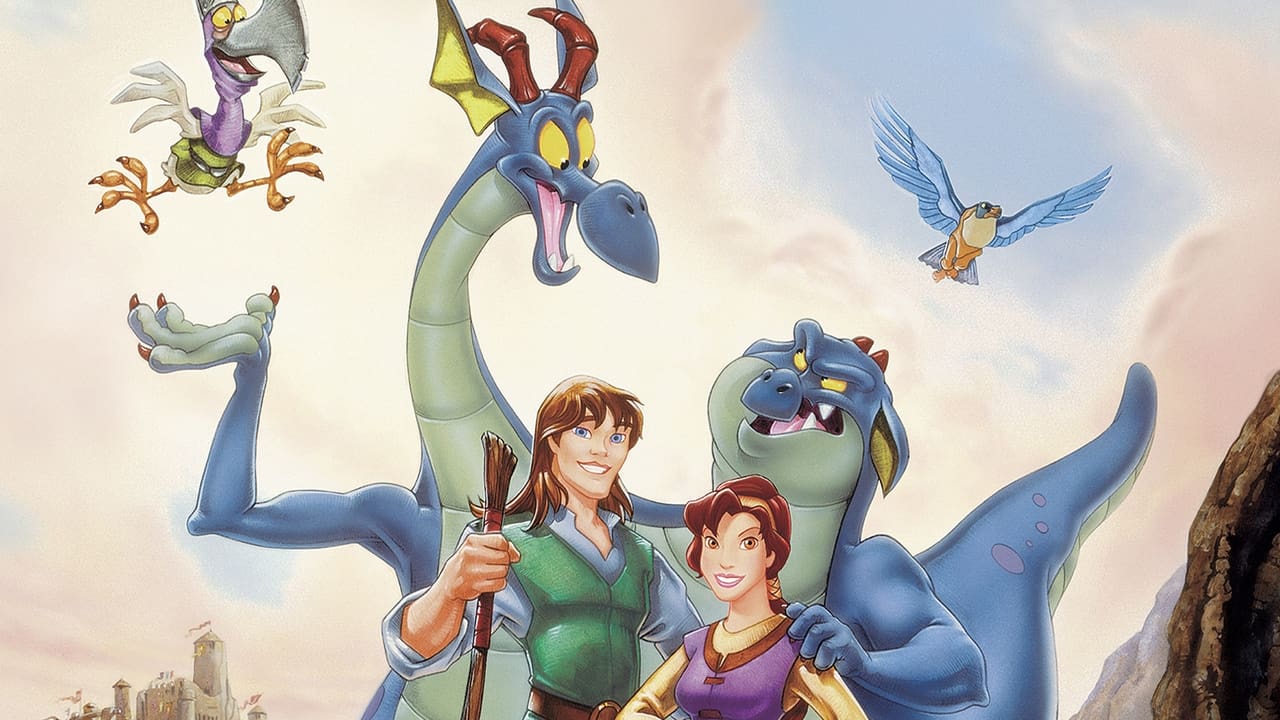
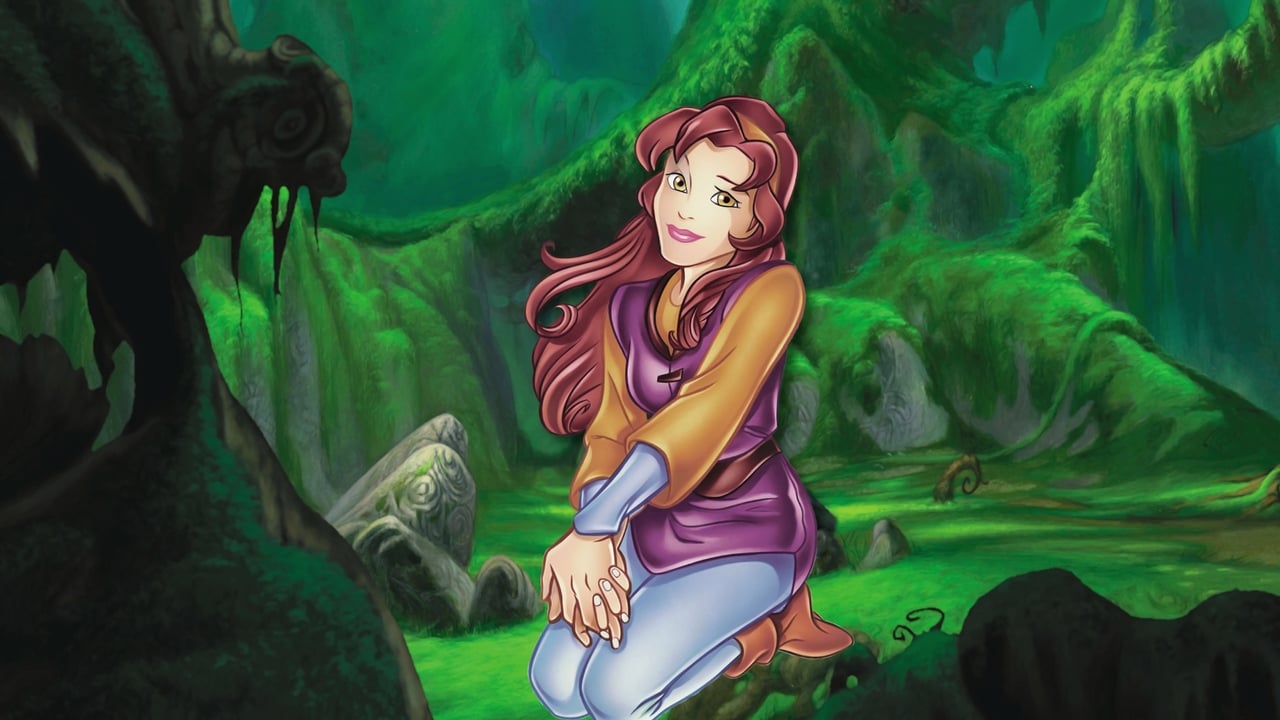
The story sets its sights on Kayley (Jessalyn Gilsig), a spirited young woman dreaming of knighthood, a path forbidden to her in this version of Camelot. Her world is shattered when the sinister, power-mad Ruber (Gary Oldman, channeling pure animated menace) attacks Camelot, mortally wounds King Arthur (Pierce Brosnan, believe it or not!), and makes off with the legendary sword Excalibur. Driven by loyalty and a thirst for adventure, Kayley embarks on a perilous journey into the Forbidden Forest to retrieve the sword and save the kingdom. It’s a classic adventure setup, hitting familiar beats but centred around a determined female protagonist, which felt relatively fresh amidst the usual princess tales.
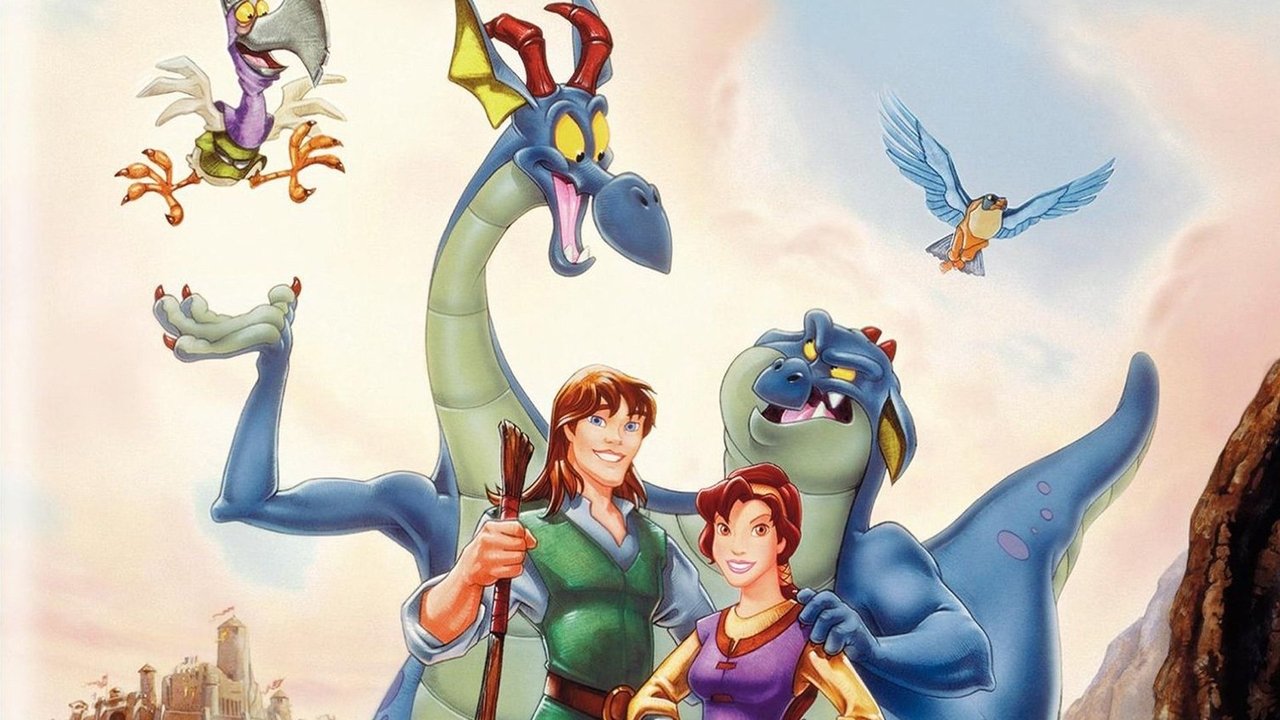
Along the way, she encounters Garrett (Cary Elwes, though sung by country star Bryan White), a blind hermit who navigates the forest with uncanny skill, and Devon and Cornwall (Eric Idle and Don Rickles, respectively), a two-headed dragon perpetually bickering and unable to breathe fire or fly because they can’t agree on anything. This oddball fellowship must overcome Ruber’s grotesque mechanical minions and their own limitations to restore peace to Camelot.
Two Heads, Two Tones
If there’s one thing that immediately strikes you about Quest for Camelot, it’s the jarring clash of tones. On one hand, you have Ruber – a truly unsettling villain brought to life with gusto by Gary Oldman. His design is sharp and menacing, his motivations are dark, and his musical number, "Ruber," involves magically fusing his henchmen with weapons in a sequence that honestly feels quite grim for a family film. His metallic griffin sidekick (voiced by Bronson Pinchot, Balki himself!) adds to the intimidating vibe.
Then, literally fused at the neck, you have Devon and Cornwall. Voiced by comedy legends Eric Idle (of Monty Python fame) and the insult master Don Rickles, their shtick is pure Vaudeville slapstick. Their song, "If I Didn't Have You," is a classic buddy number designed for laughs, but it feels airlifted in from a completely different, much goofier movie. This tonal whiplash is the film’s defining characteristic – moments of genuine peril and dark fantasy abruptly giving way to broad, sometimes grating comedy. It's like trying to blend Excalibur (1981) with a Looney Tunes short, and the seams definitely show.

A Troubled Quest Behind the Scenes
Perhaps this inconsistency isn't surprising when you peek behind the animation cels. Quest for Camelot famously endured a tumultuous production. Credited director Frederik Du Chau was reportedly brought in late after initial directorial visions didn't align with the studio's desire for a more Disney-esque musical-comedy. Multiple writers (Kirk DeMicco, William Schifrin, Jacqueline Feather, David Seidler) contributed, and the film underwent significant story changes, straying far from its darker, more focused source material, Vera Chapman's novel The King's Damosel. This "too many cooks" syndrome likely contributed to the disjointed feel, leaving audiences unsure whether to brace for danger or prepare for a punchline.
The film represented a hefty gamble for Warner Bros., carrying a production budget of around $40 million. Unfortunately, it didn’t quite connect with audiences or critics at the time, pulling in only about $38 million worldwide and receiving largely negative reviews (it currently holds a rather grim 38% on Rotten Tomatoes). It stands as a fascinating, if cautionary, tale from the 90s animation arms race.
That Voice Sounds Familiar... And That Song!
The voice cast is certainly stacked. Besides the aforementioned stars, Jane Seymour voices Kayley's mother, Juliana, with none other than Celine Dion providing her singing voice for the stirring ballad "Prayer." And King Arthur himself? While Pierce Brosnan (deep in his James Bond era) lends his regal speaking tones, his singing moments are belted out by Journey frontman Steve Perry. Talk about a 90s power lineup!
But the real breakout star wasn't a character; it was a song. "The Prayer," performed as a duet by Celine Dion and Andrea Bocelli over the end credits (and also featured within the film sung by Dion as Juliana), became a massive global hit. It snagged the Golden Globe for Best Original Song and even earned an Academy Award nomination. It’s a genuinely beautiful piece of music, composed by David Foster and Carole Bayer Sager, and its success stands in stark contrast to the film's overall reception – a lovely, soaring melody that somehow escaped the chaotic production relatively unscathed. I distinctly remember hearing "The Prayer" everywhere back then, often unaware of its cinematic origins.
A Relic of the Rental Shelf
Watching Quest for Camelot today on a format far clearer than the worn-out VHS tape I likely first saw it on, the animation feels... ambitious but uneven. There are moments of beauty, particularly in the forest settings, but character animation can sometimes feel rubbery, and the integration of early CGI elements (like Ruber's mechanical army) is characteristic of the era – not always seamless, but certainly trying something. It lacks the polished fluidity of its main competitor, but there's an earnestness to the effort.
Does Quest for Camelot hold up? Well, it depends on your nostalgia levels. It’s certainly not a forgotten masterpiece, but it’s not entirely without charm. Kayley is a proactive heroine, Garrett’s portrayal as a capable blind warrior is commendable (even if his romance with Kayley feels rushed), and Gary Oldman delivers a villain performance worth the price of admission (or rental!). The songs, while perhaps not all Disney-level earworms, have their moments, especially the soaring standout "The Prayer." It's a curious piece of 90s animation history – a testament to big studio ambition meeting troubled execution.
VHS Heaven Rating: 5/10
The rating reflects a film brimming with potential but ultimately hampered by its own identity crisis. There are flashes of brilliance – Oldman’s villainy, the strong female lead, that award-winning song – buried beneath tonal inconsistencies and a story that feels pulled in too many directions, likely due to its rocky production. It earns points for trying, and for giving us some genuinely memorable (if sometimes bizarre) moments.
For those of us who remember scanning the shelves at Blockbuster, Quest for Camelot might just spark a memory – maybe not of a cherished classic, but of a bold, slightly strange adventure that dared to challenge the animation giants, even if it stumbled along the way. It’s a fascinating relic, a reminder that even quests that don't quite reach their destination can still be interesting to look back on.