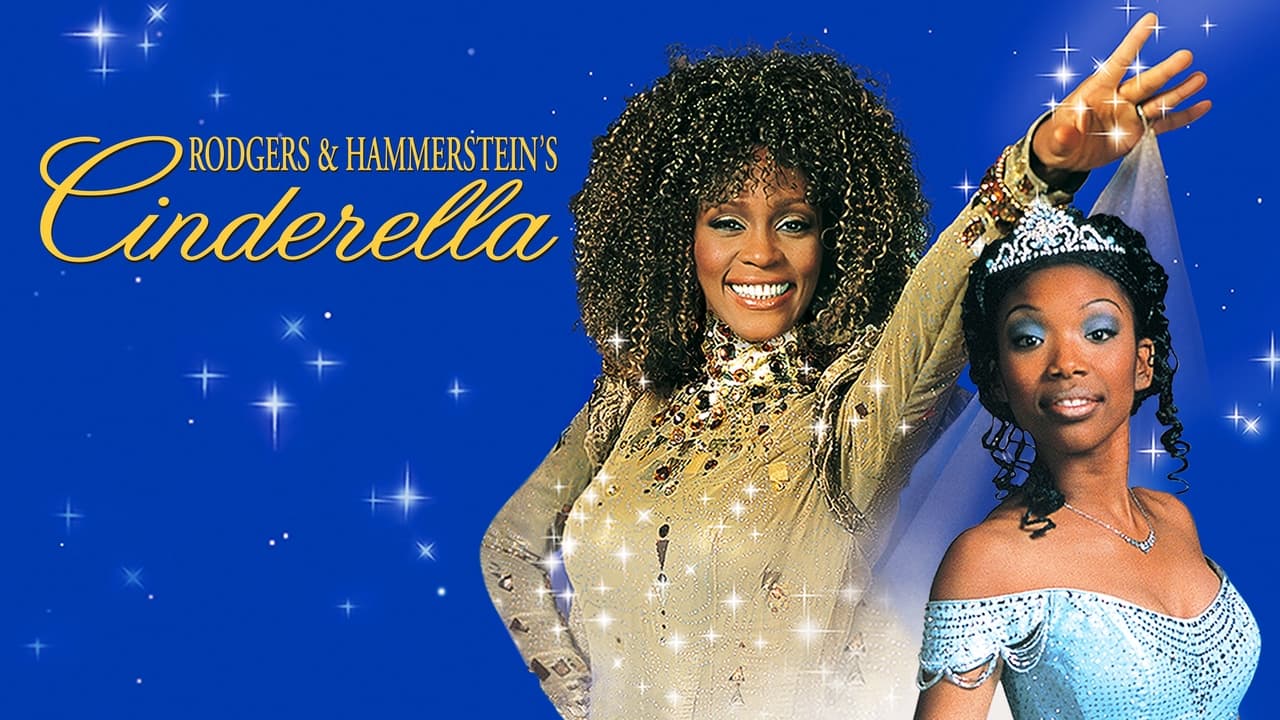
Okay, settle back into that comfy spot on the couch, maybe mentally rewind the tape to 1997. Forget dusty castles and demure princesses for a moment. Remember when Cinderella arrived on our screens not just with a glass slipper, but with stunning vocals, vibrant colour, and a kind of magic that felt refreshingly modern? I'm talking about the Robert Iscove-directed television event, Rodgers & Hammerstein's Cinderella, a dazzling spectacle that aired on ABC's The Wonderful World of Disney and quickly became a treasured VHS staple for countless families. It wasn't just another fairy tale retelling; it felt like an event, sparkling with star power and a genuinely groundbreaking approach.
### A Technicolor Dream Coat for a Classic Tale
We all know the story, right? Downtrodden girl, wicked stepmother, fairy godmother, handsome prince, midnight deadline. But under the guidance of writer Robert L. Freedman, adapting the timeless Rodgers and Oscar Hammerstein II musical (originally written for television itself back in 1957 starring Julie Andrews), this version felt electric. It leaned into the fantasy with glorious, almost impossibly bright sets and costumes that popped right off the CRT screen. Remember those ballgowns? The sheer opulence? It was pure eye candy, a visual feast meticulously crafted to enchant. This wasn't aiming for gritty realism; it was pure, unadulterated fairy-tale magic, delivered with infectious energy. The story beats were familiar, but the execution felt revitalized, brimming with hope and possibility.
### A Cast That Simply Sparkled
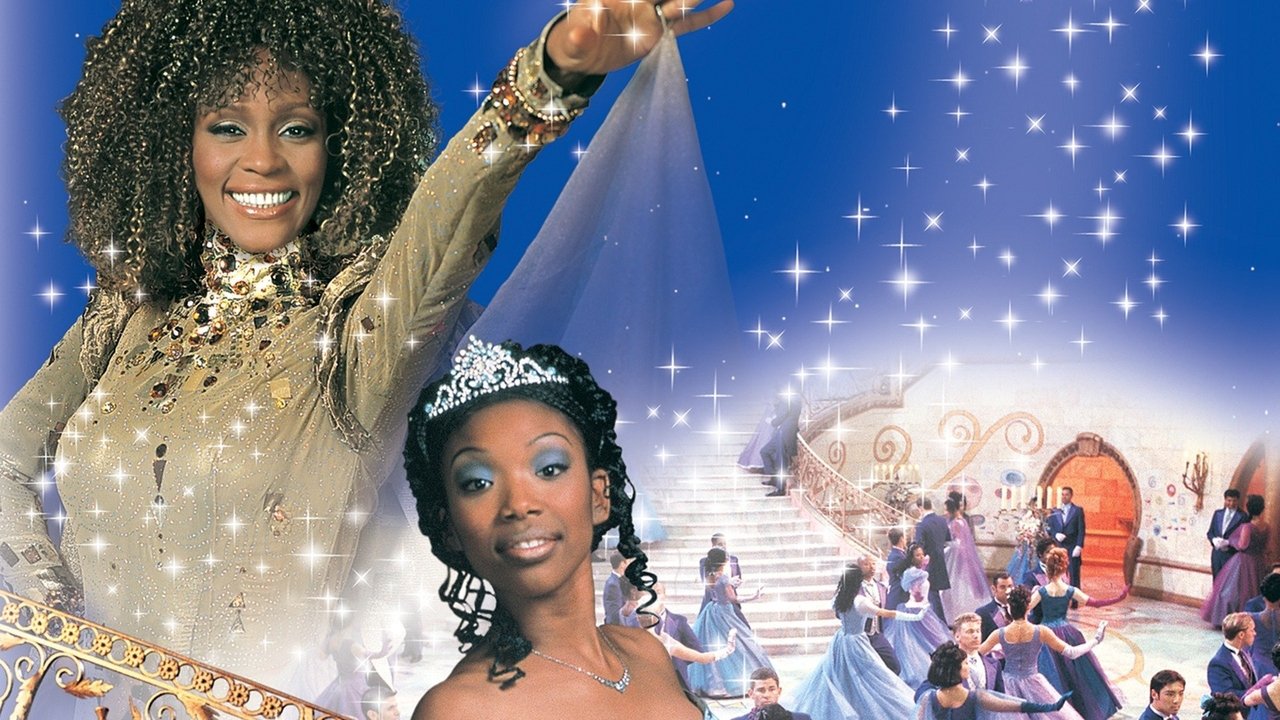
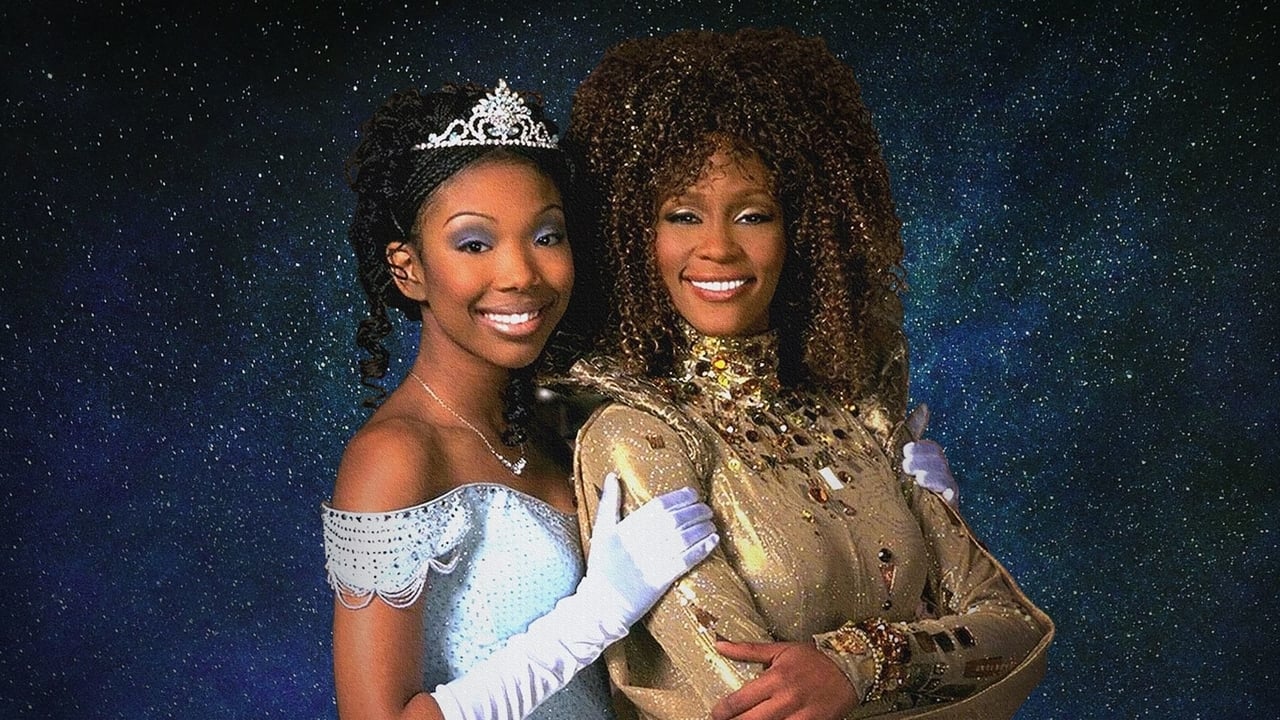
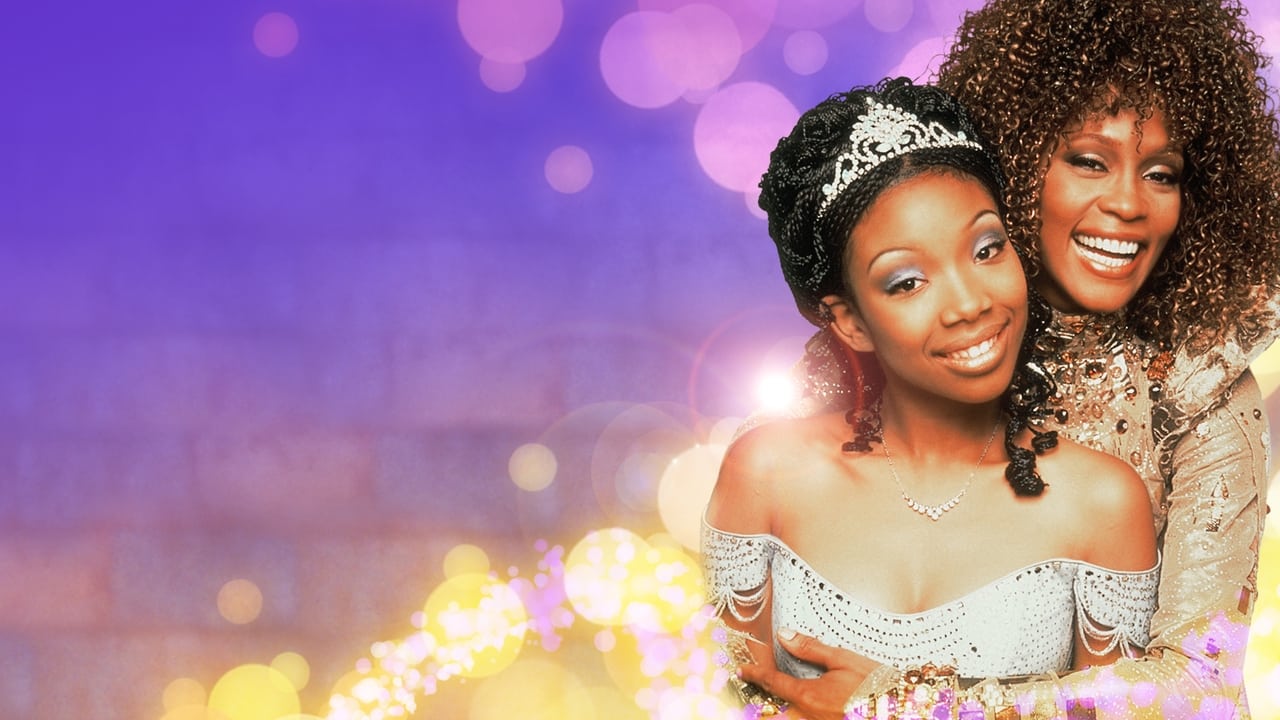
Let's be honest, the casting was a masterstroke, a key reason this version remains so beloved. At the heart of it all was Brandy Norwood as Cinderella. Fresh off her Moesha fame and music success, Brandy brought a warmth, vulnerability, and quiet strength to the role, coupled with that voice. Her Cinderella wasn't just waiting for rescue; there was an agency there, a kindness that felt active rather than passive.
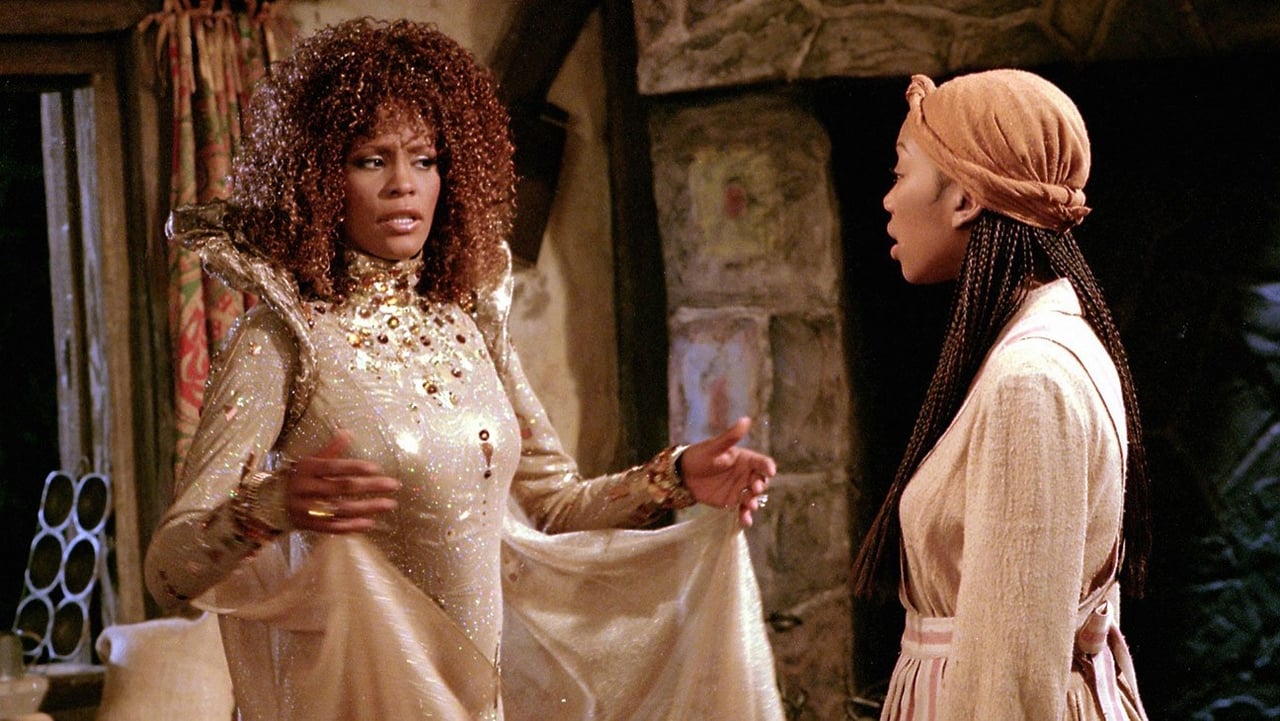
And then, descending in a swirl of gold, was the legendary Whitney Houston as the Fairy Godmother. It felt like perfect casting – who better to embody magic, power, and sheer, breathtaking presence? Houston, who also served as an executive producer championing the project, wasn't just waving a wand; she was dispensing wisdom, encouragement, and delivering show-stopping vocals ("Impossible/It's Possible" is forever etched in memory). Her chemistry with Brandy was palpable, adding a layer of mentorship and genuine affection that elevated the entire film.
The supporting cast was equally inspired. Bernadette Peters chewed the scenery gloriously as the Stepmother, hitting every comedic and villainous note with theatrical flair. Her rendition of "Falling in Love with Love" (borrowed from another Rodgers musical, The Boys from Syracuse) is a standout. We also had the charming Paolo Montalban as Prince Christopher, Whoopi Goldberg and Victor Garber as the hilariously relatable King and Queen, and a perfectly cast Jason Alexander (Seinfeld's George Costanza!) as the put-upon valet, Lionel. This ensemble wasn't just diverse; it felt right, each actor bringing their unique energy to create a vibrant tapestry. It subtly sent a powerful message: magic and royalty belong to everyone.
### Behind the Bibbidi-Bobbidi-Boo
Making this kind of magic wasn't cheap, especially for television in the 90s. With a reported budget of around $12 million – a significant sum for a TV movie back then – the production spared no expense on the visuals. The elaborate sets and Oscar-worthy costumes (designed by Ellen Mirojnick) earned the film an Emmy for Outstanding Art Direction, and you can see why. Every frame feels meticulously designed. Director Robert Iscove, who would later give us the teen hit She's All That (1999), kept the pacing brisk and the musical numbers dynamic, aided by choreography from none other than Rob Marshall (future director of Chicago).
It wasn't just a critical darling in terms of craft; it was a ratings phenomenon. An estimated 60 million viewers tuned in that November night, a massive audience that proved the hunger for this kind of inclusive, high-quality family entertainment. For many of us, recording it on VHS (sometimes navigating those tricky timer settings!) meant we could revisit that magic whenever we needed a dose of pure joy. That tape likely got worn out in many households.
### Why It Still Shines
Watching Cinderella (1997) today, it retains so much of its original charm. Yes, some of the CGI effects look a little dated (that pumpkin transformation!), but it hardly matters. The film's power lies in its performances, its gorgeous Rodgers & Hammerstein score (beautifully adapted and orchestrated), its vibrant visuals, and crucially, its heart. It embraced the fantasy wholeheartedly while subtly updating the characters and delivering a message of hope and self-worth that resonated deeply. It proved that fairy tales could be inclusive, modern, and utterly enchanting all at once. It wasn't just a movie; it was a cultural moment, demonstrating the power of representation on screen in a way that felt both effortless and incredibly significant.
---
Rating: 9/10
This rating reflects the film's exceptional casting, gorgeous production values (especially for TV), timeless music, and significant cultural impact. It masterfully balances classic fairy-tale wonder with a fresh, inclusive energy that was groundbreaking for its time and still feels incredibly special. While a product of its era in some minor technical aspects, its core magic, driven by powerhouse performances (especially Brandy and Whitney Houston), remains undimmed. It delivered exactly what it promised: pure, unadulterated enchantment.
For a generation, this was Cinderella. It wasn't just a retelling; it felt like the definitive version, captured forever on those chunky VHS tapes – a truly magical night beamed into our living rooms.