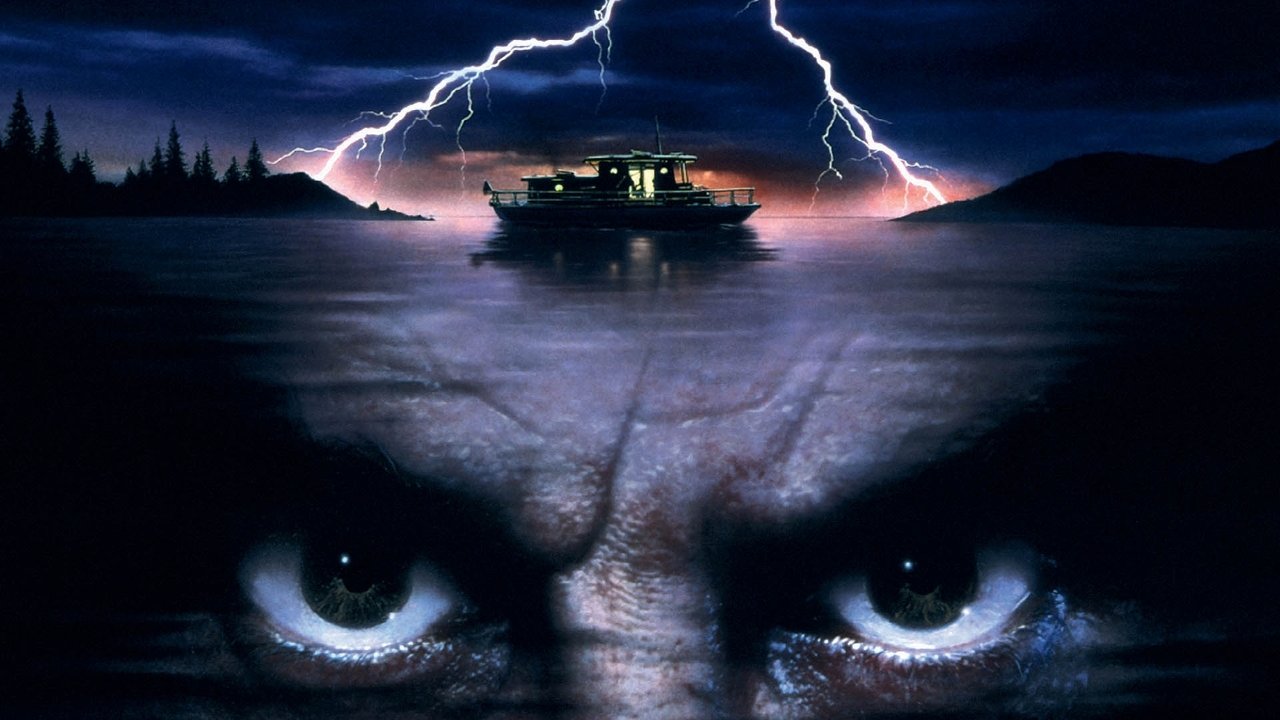
The ink felt permanent, didn't it? Those crude, sprawling tattoos covering Robert De Niro’s Max Cady weren’t just decoration; they were a declaration. A walking, breathing monument to vengeance carved onto muscle and sinew. Seeing Cape Fear emerge in 1991, under the intense gaze of Martin Scorsese, felt like watching a familiar shadow twist into something altogether more monstrous. This wasn't just a remake; it was an operatic descent into primal terror, leaving the stark noir of the 1962 original behind for something drenched in sweat, dread, and Floridian humidity.
### The Boiling Point
Scorsese, taking the reins after Steven Spielberg initially developed the project (Spielberg eventually produced through Amblin), wasn't interested in mere imitation. He brought his signature hyper-stylized approach – the swooping camera, the jarring cuts, the saturated colours – turning the simmering tension of the original into a full-blown pressure cooker. You can almost feel the oppressive heat radiating off the screen, mirroring the escalating nightmare engulfing the Bowden family. Nick Nolte, as the compromised lawyer Sam Bowden, wears his guilt like a cheap suit, his moral failings providing the very cracks Cady exploits with such terrifying precision. Jessica Lange as Leigh Bowden captures the fraying nerves of a woman trapped between a duplicitous husband and an omnipresent predator, while a young Juliette Lewis delivered a star-making turn as daughter Danielle, navigating the treacherous currents of adolescent awakening under Cady’s insidious influence.
### A Masterclass in Menace
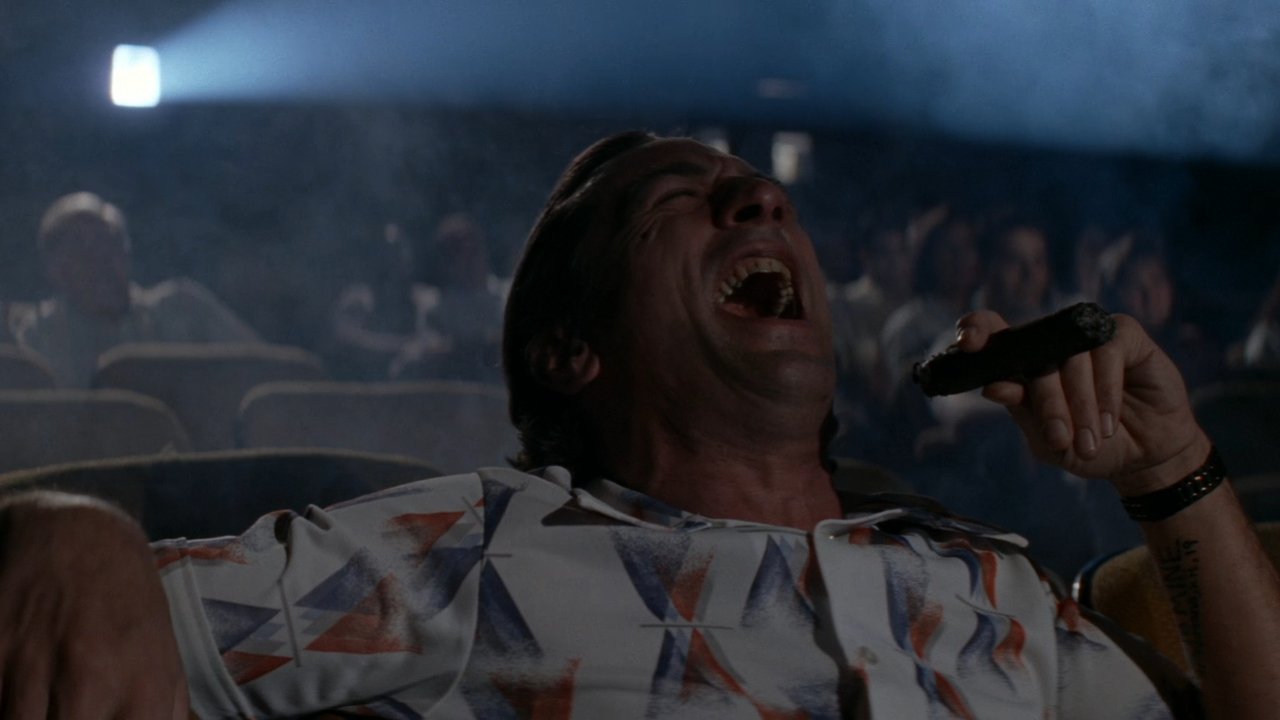
Let's talk about Max Cady. Robert De Niro’s transformation went far beyond the physical – though that alone was startling. He famously paid a dentist $5,000 to grind down his teeth for a more menacing look (and later, $20,000 to fix them!), dropped significant body fat to achieve that lean, predatory physique, and adorned himself with those infamous tattoos (created with vegetable dyes that faded over months). But it was the performance itself – the chillingly calm drawl, the unnerving biblical quoting, the sudden explosions of violence – that etched Cady into the pantheon of great screen villains. He’s not just seeking revenge for the perceived malpractice that landed him in prison; he’s presenting himself as an avenging angel, a force of righteous fury exposing the hypocrisy festering beneath the Bowdens' comfortable life. Remember that infamous scene in the school theatre auditorium between Cady and Danielle? Much of the dialogue, particularly Cady's unsettling seduction, was improvised by De Niro and Lewis, contributing to its raw, deeply uncomfortable power. Lewis later spoke about the trust required to film such intense moments.
### Echoes of the Past, Scorsese's Stamp
While forging its own path, Scorsese's Cape Fear pays explicit homage to its roots. The reuse of Bernard Herrmann’s thunderous, iconic score from the original (brilliantly adapted by Elmer Bernstein) is a masterstroke, immediately grounding the film in classic thriller territory while amplifying the dread. Scorsese even brought back Saul Bass, the legendary title designer of the original, to craft the new opening sequences. And then there are those wonderful, knowing cameos: Robert Mitchum (the original Cady) appears as a police lieutenant, Gregory Peck (the original Bowden) plays Cady's smug lawyer, and Martin Balsam (original police chief) cameos as the judge. It feels like a respectful passing of the torch, acknowledging the source while flexing its own considerable muscle. These weren't just stunt castings; they added a layer of cinematic history, a wink to those of us who remembered clutching the arms of our chairs watching the original on late-night TV.
### Navigating Troubled Waters
The film doesn't shy away from brutality. Its intensity famously pushed the boundaries of the R-rating, reportedly requiring trims to avoid the dreaded NC-17 for its violence and psychological torment. The climax, a chaotic and terrifying showdown aboard the Bowden family houseboat during a hurricane, is a testament to visceral, practical filmmaking. Filming that sequence was apparently a logistical nightmare, battling actual storms and the complexities of staging action on water, but the result is pure, unrelenting tension – a physical manifestation of the storm raging within the characters. It felt incredibly real, terrifyingly immediate back then, didn't it? The sheer force of nature mirroring Cady's unstoppable drive. While the budget was a considerable $35 million, its powerful impact on audiences translated into a massive $182 million worldwide gross, proving there was a huge appetite for this kind of intense, adult-oriented thriller.
### The Verdict
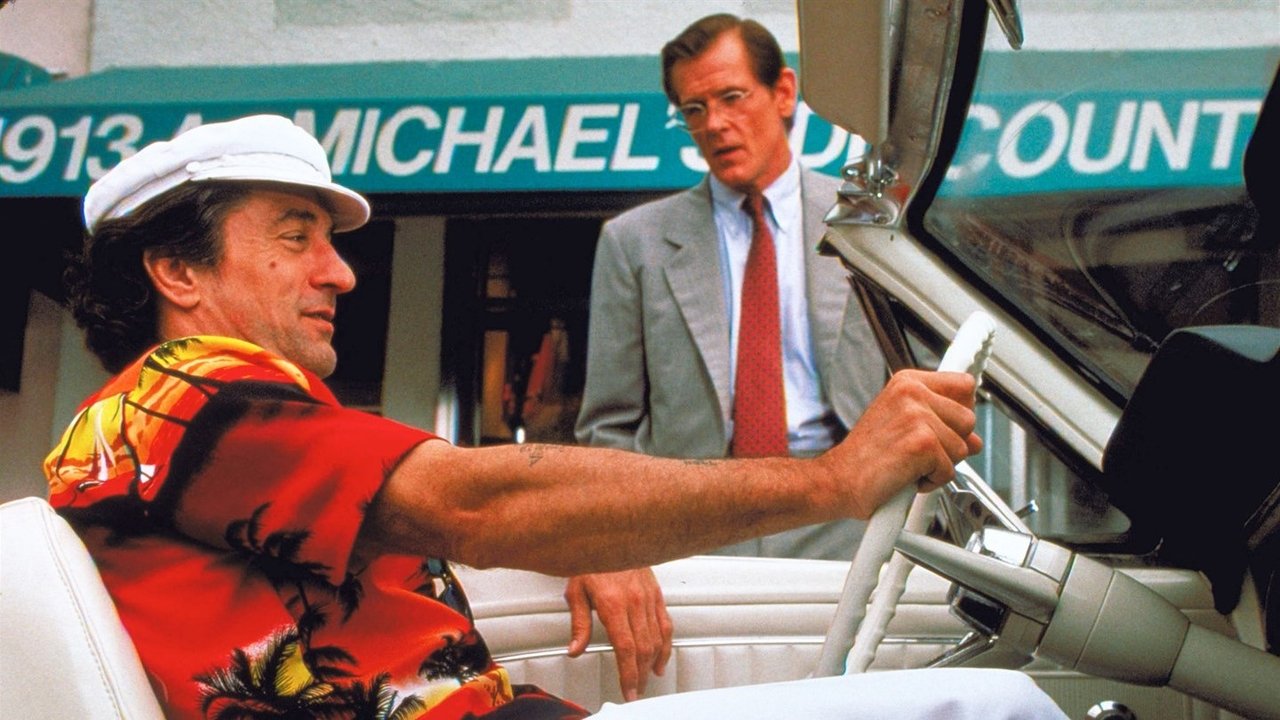
Cape Fear (1991) isn't subtle. It's a full-throated, often operatic scream of a thriller, powered by Scorsese's visual virtuosity and De Niro's unforgettable, terrifying performance. While some might find its style occasionally overbearing compared to the lean original, its power to genuinely disturb and grip remains undeniable. It grabs you by the collar and refuses to let go, dragging you through a gauntlet of moral ambiguity and visceral fear. The performances are uniformly strong, the atmosphere is thick enough to choke on, and the central cat-and-mouse game is relentlessly compelling. It’s a film that felt dangerous watching it on VHS late at night, the flickering screen illuminating a kind of darkness that lingered long after the tape ejected.
Rating: 9/10
This wasn't just a remake; it was a reimagining that carved its own indelible mark. For sheer, unadulterated 90s thriller intensity and one of cinema's most chilling antagonists, Scorsese's Cape Fear remains a potent, unforgettable experience. It’s a dark gem from the VHS vaults that still knows how to get under your skin.