The image lingers, doesn't it? That impossible curve of Mulholland Drive, the promise of glamour clinging to the hills above Los Angeles, juxtaposed with the shattered human form discovered at its base. It's the opening hook of 1996's Mulholland Falls, a film that arrived on VHS shelves feeling both familiar and ambitious, a slick, sun-baked slice of neo-noir aiming for the shadows cast by giants like Chinatown. It promised grit, style, and a hardboiled sensibility wrapped in the gloss of mid-90s Hollywood filmmaking. Does it fully deliver on that promise twenty-odd years later? Pull up a chair, let's talk about it.
Shadows Under the California Sun
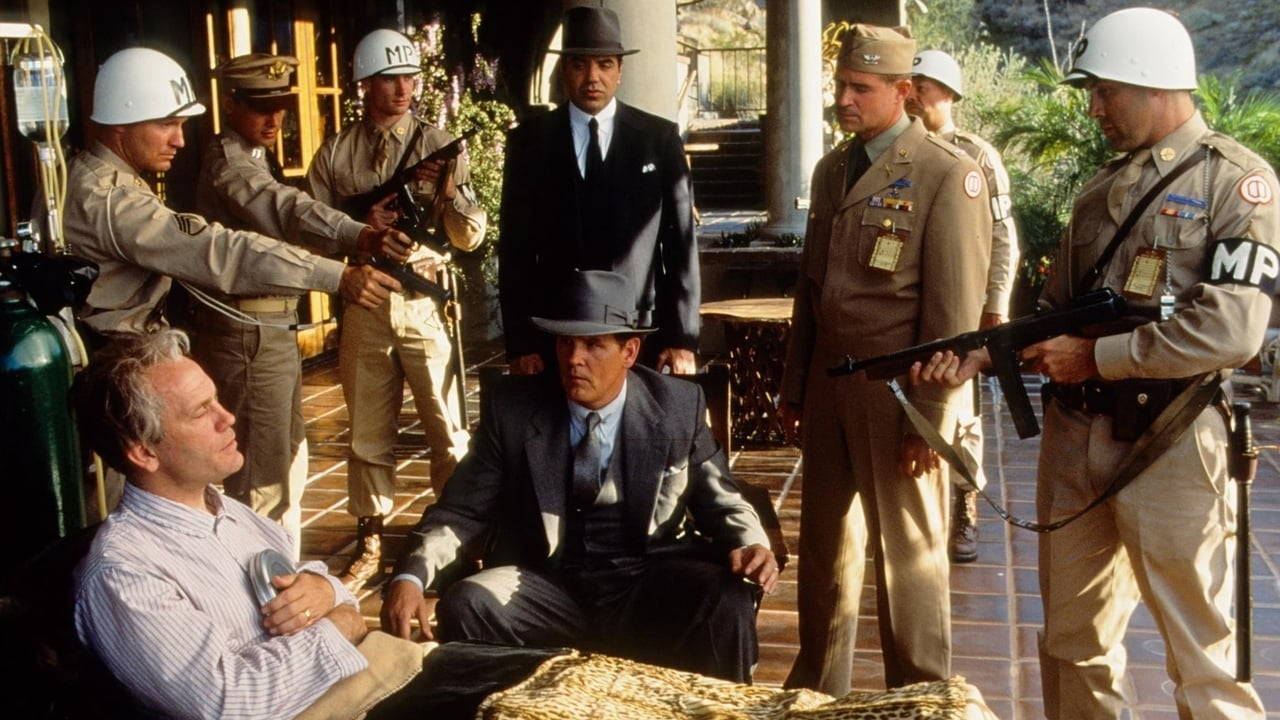
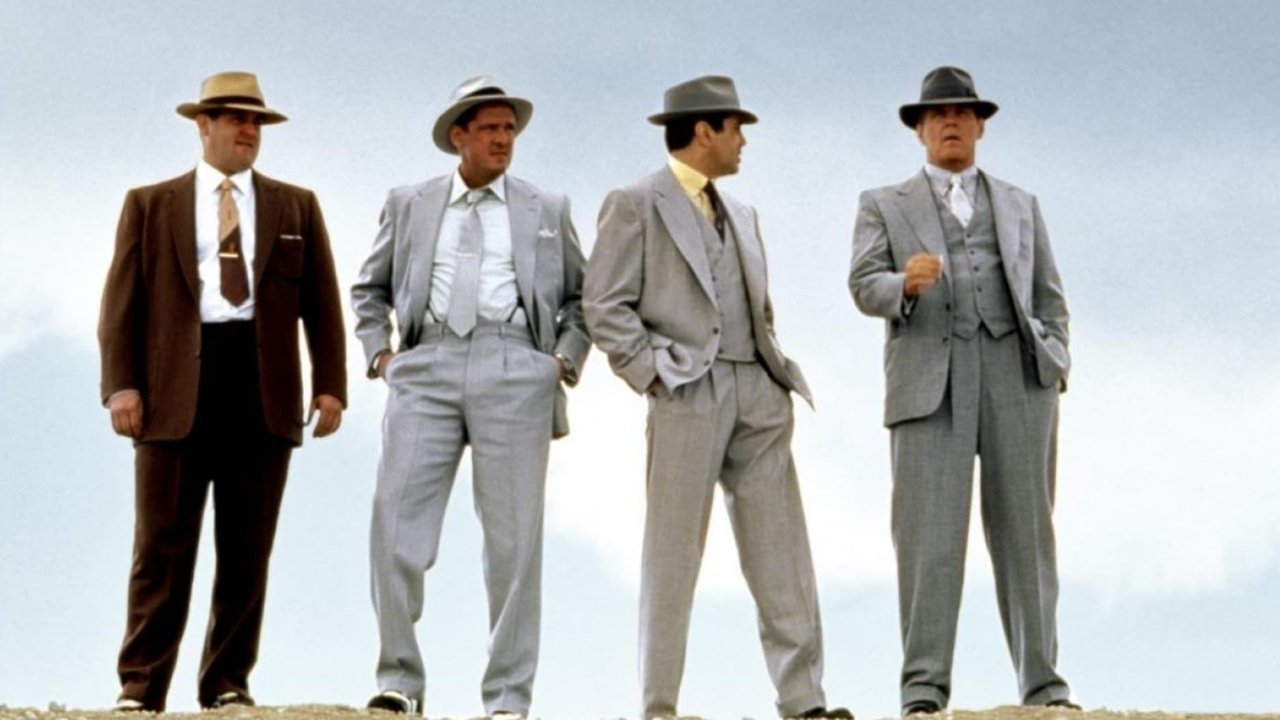
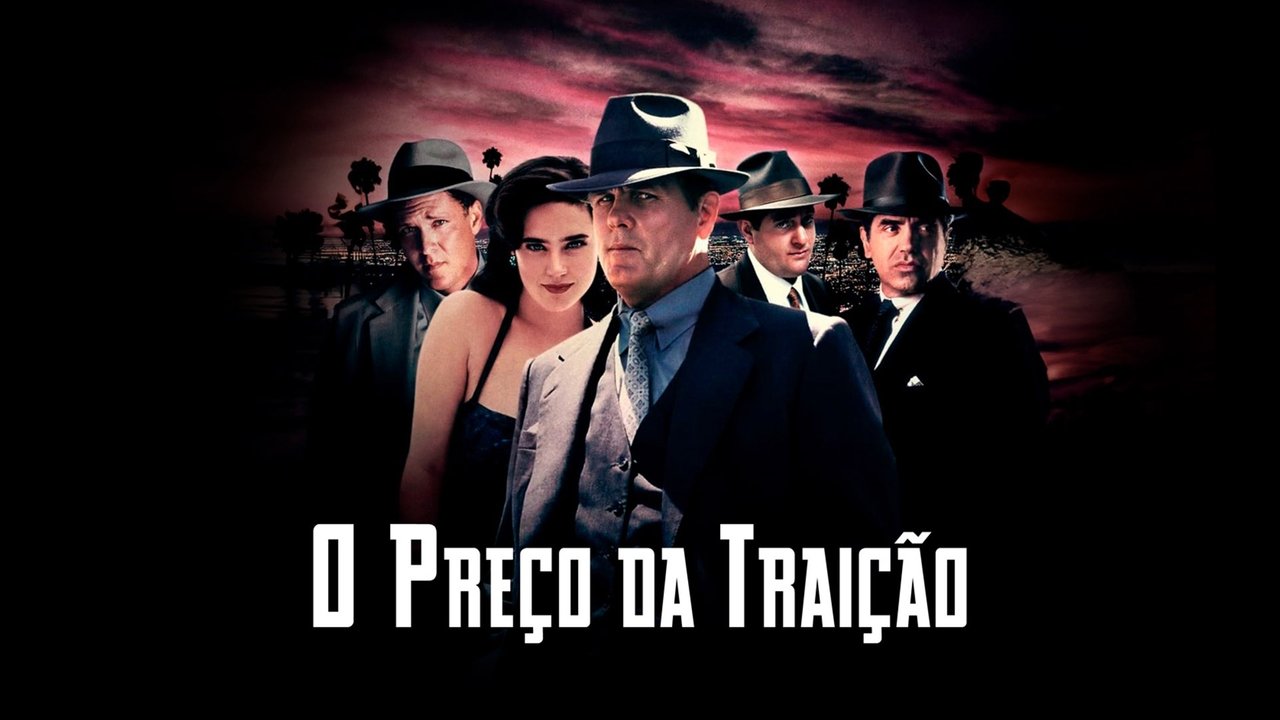
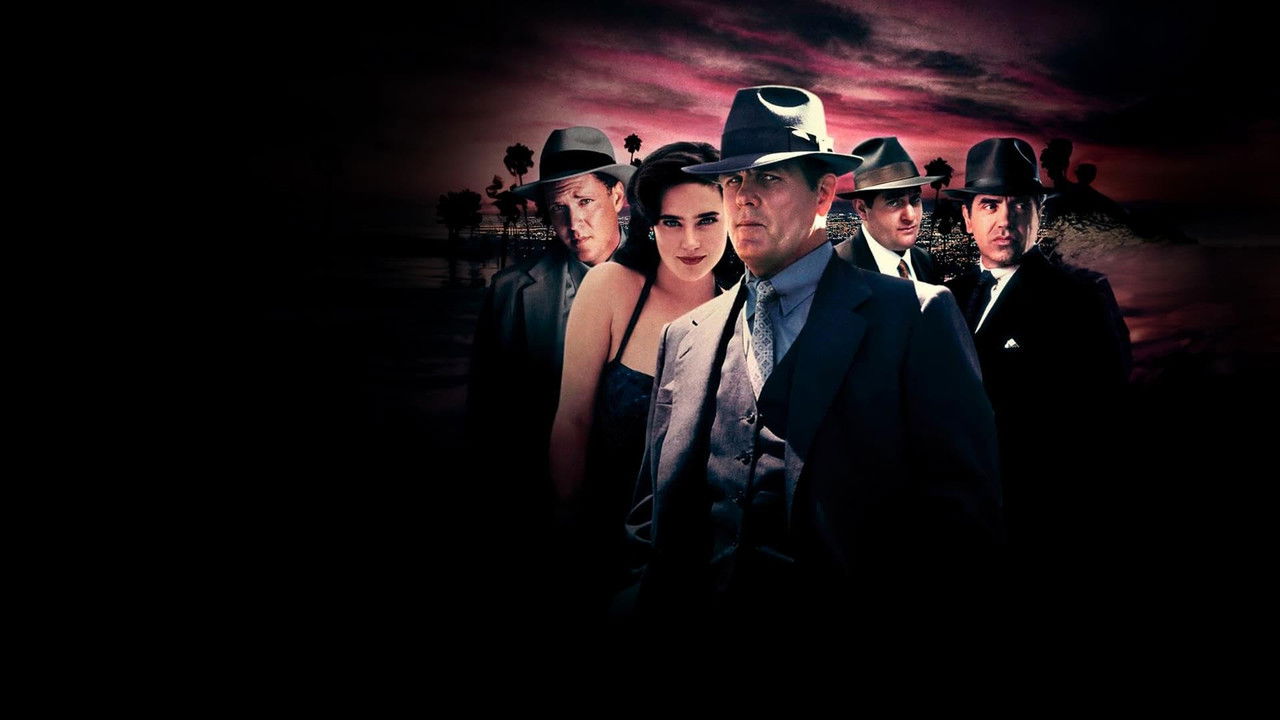
The premise plunges us headfirst into the murky depths beneath the gleaming surface of 1950s Los Angeles. We follow Max Hoover (Nick Nolte, radiating weary authority) and his elite, off-the-books LAPD unit known as the "Hat Squad" – Coolidge (Chazz Palminteri), Hall (Michael Madsen), and Relyea (Chris Penn). Their methods are... direct. They operate outside the lines, enforcing their own brand of justice, often involving a swift, unsanctioned trip down the titular road for undesirables. When the broken body of Allison Pond (Jennifer Connelly in a pivotal, haunting role) is found, the investigation pulls Hoover into a dangerous vortex involving illicit affairs, military secrets hidden out in the desert, and the formidable, chilling presence of General Thomas Timms (John Malkovich), head of the Atomic Energy Commission.
It's a classic noir setup: the tough cop with a complicated past, the beautiful dame entangled in secrets, the corridors of power hiding profound corruption. Director Lee Tamahori, fresh off the searing intensity of New Zealand's Once Were Warriors (1994), certainly brings a visual flair. He paints a picture of LA drenched in sunshine that feels almost oppressive, the heat shimmering off the asphalt mirroring the boiling tensions beneath the surface. There’s a deliberate attempt here to capture that specific post-war American era – the sharp suits, the gleaming chrome, the underlying paranoia masked by booming optimism.
The Weight of the Hat
Nick Nolte anchors the film. His Max Hoover isn't just a tough guy; he's a man carrying the immense weight of his choices, his gruff exterior barely concealing a simmering pot of regret and compromised morality. You see it in his eyes, hear it in that gravelly voice. It's a performance that feels lived-in, authentic in its weariness. He’s matched interestingly by Melanie Griffith as his wife, Katherine. Her role could easily have been thankless, the wronged spouse, but Griffith imbues her with a quiet strength and awareness that complicates the dynamic. When she confronts Max, it’s not just melodrama; it's the sound of a carefully constructed world beginning to crack.
The Hat Squad themselves are sketched more broadly, embodying different facets of aggressive masculinity. Palminteri, Madsen, and Penn have an easy, if imposing, chemistry, their loyalty to Hoover serving as the narrative's frayed moral compass. And then there's Malkovich. As General Timms, he delivers a performance of controlled menace, his soft-spoken pronouncements carrying the terrifying weight of absolute, unaccountable power. It’s a reminder of how effectively Malkovich can dominate a scene with stillness.
Retro Fun Facts: Secrets Beneath the Celluloid
Peeling back the layers of Mulholland Falls reveals some interesting tidbits. The film aimed high, with a substantial budget for the time (around $30 million), hoping to capture that elusive prestige-picture-meets-hardboiled-thriller vibe. However, it struggled to find its audience, ultimately grossing just $11.5 million domestically – a far cry from expectations. You have to wonder if audiences in '96 were ready for this particular blend of period detail and brutal violence, or if it simply got lost in the shuffle.
The script itself, penned by novelist Pete Dexter (known for gritty works like Paris Trout) and Floyd Mutrux, reportedly underwent significant changes. It’s tempting to speculate how Dexter’s original vision might have differed, perhaps leaning even harder into the bleakness. And the "Hat Squad" itself? While evocative, it seems to be more of a cinematic invention inspired by the era's reputation for LAPD toughness rather than a direct historical unit. It’s a detail that adds to the film's heightened, almost mythic take on LA noir.
One fascinating aspect is the work of legendary cinematographer Haskell Wexler (Who's Afraid of Virginia Woolf?, One Flew Over the Cuckoo's Nest). His eye captures both the allure and the harshness of the LA landscape, contributing significantly to the film's undeniable visual style. This was one of Wexler's later major studio films, bringing decades of experience to bear on creating that specific period feel. There were also stories swirling around the film’s R-rating, suggesting that some of the violence and Connelly’s black-and-white "screen test" footage (a crucial plot point) pushed boundaries for the time.
Echoes in the Canyon
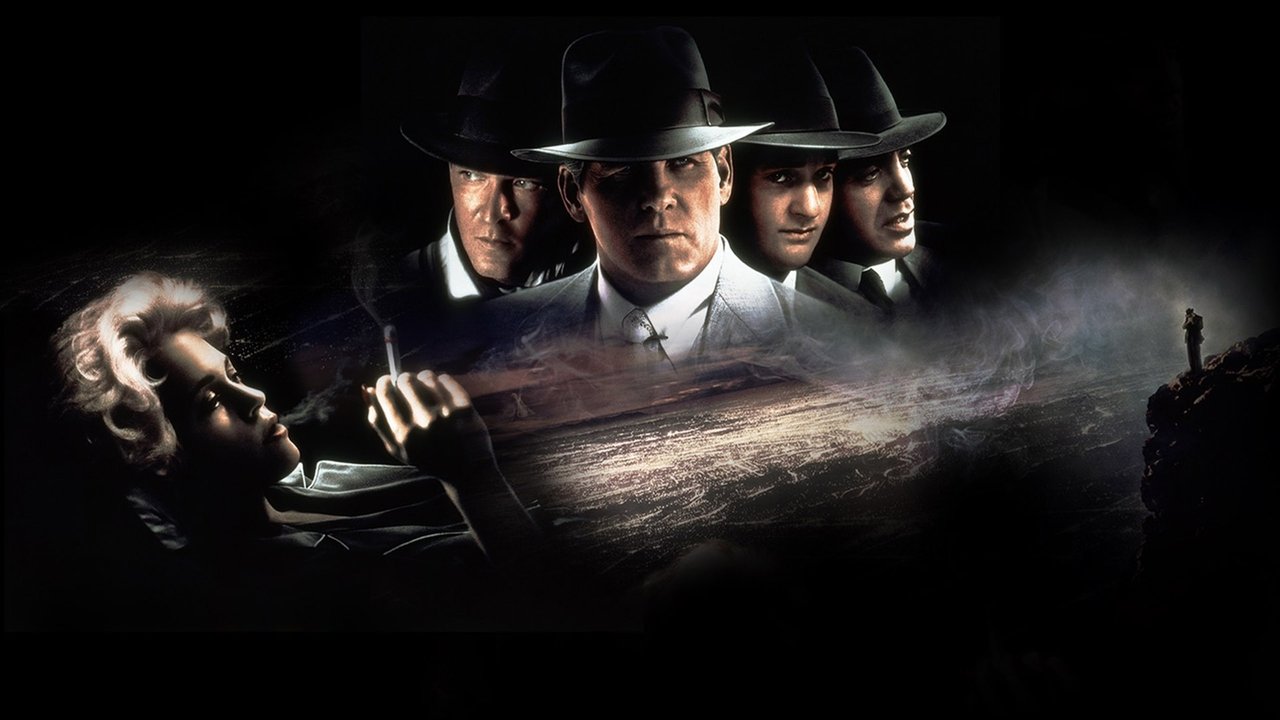
So, where does Mulholland Falls sit in the pantheon of 90s cinema now? It's undeniably stylish, impeccably cast, and features a compelling central performance from Nolte. It looks and feels like the kind of serious, adult thriller studios seemed more willing to make back then. I remember renting this one, the cover art promising something dark and sophisticated. It delivered on the mood, certainly.
However, watching it now, the plot mechanics sometimes feel a little too convoluted, perhaps straining under the weight of its Chinatown-esque ambitions. The conspiracy, while chilling in concept (involving the horrific implications of atomic testing on unsuspecting soldiers), occasionally gets tangled in exposition. Does the mystery fully satisfy? Perhaps not quite as elegantly as the genre's best. What lingers more strongly is the atmosphere – the stifling heat, the pervasive sense of corruption, the physical and moral decay hidden behind glamorous facades.
It asks uncomfortable questions about power and secrecy, about the compromises made in the name of order or progress. What happens when the protectors become predators? When loyalty demands silence in the face of atrocity? These are themes that still resonate, even if the film itself sometimes feels like a beautiful, slightly flawed echo of greater works.
Rating: 7/10
This score reflects the film's undeniable strengths: Nolte's powerhouse performance, the superb supporting cast (especially Malkovich and Griffith), Wexler's gorgeous cinematography, and Tamahori's confident direction in creating a palpable sense of time and place. It successfully evokes the desired noir atmosphere and tackles weighty themes. However, it loses a few points for a plot that can feel overly complex and derivative at times, preventing it from reaching the absolute top tier of the genre it emulates. It's a solid, often compelling piece of 90s neo-noir that looks fantastic but doesn't quite achieve the classic status it seems to be reaching for.
It remains a fascinating watch, though, a snapshot of ambitious studio filmmaking from the VHS era, carried by its stellar cast and potent atmosphere. It’s a trip down a dark road worth taking, even if the destination feels vaguely familiar. What stays with you isn't just the fall, but the long shadow it casts.