There's a certain kind of chill that settles in long after the tape ejects, a residue left not by jump scares or overt gore, but by the unsettling crawl of moral decay under a polished surface. That's the feeling Mike Figgis’s 1990 thriller, Internal Affairs, leaves you with. It’s not just a cop movie; it’s a slow-burn immersion into a world where the lines haven't just blurred, they’ve been deliberately, maliciously erased. Watching it again now, decades removed from seeing that distinctive Paramount VHS box on the rental store shelf, the film’s power hasn’t diminished – if anything, the anxieties it taps into feel disturbingly contemporary.
A Different Shade of Blue
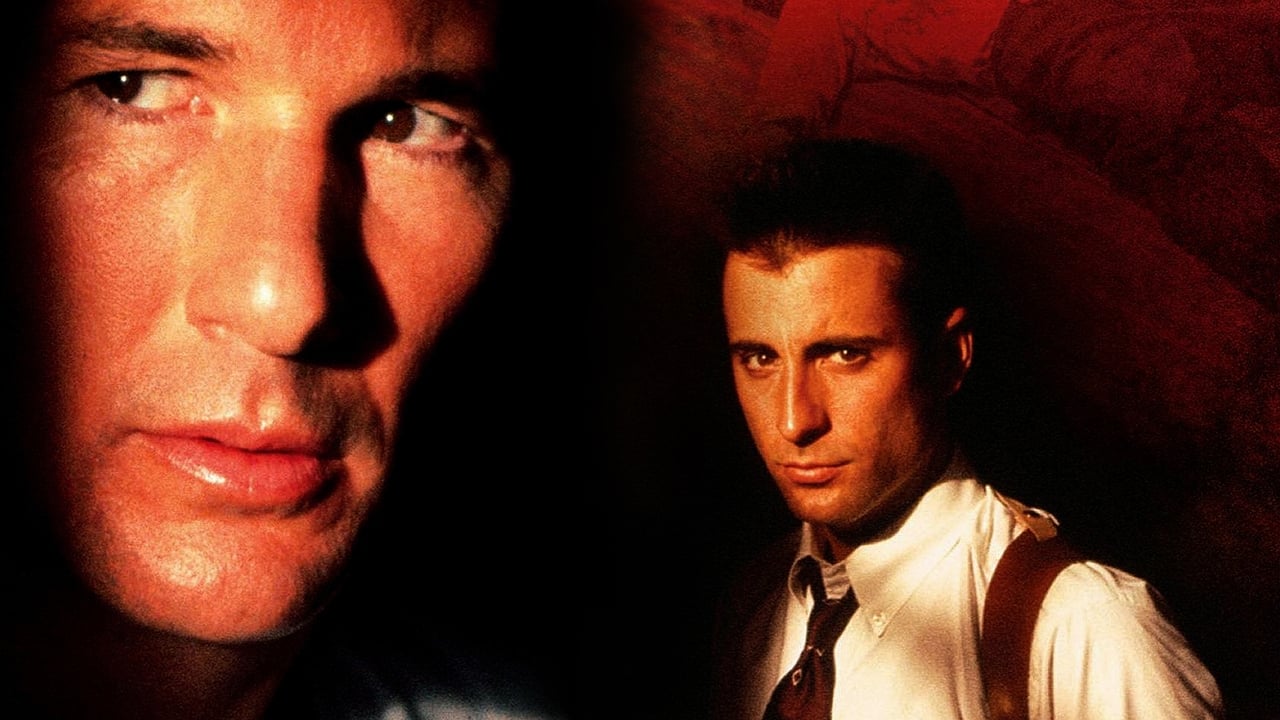
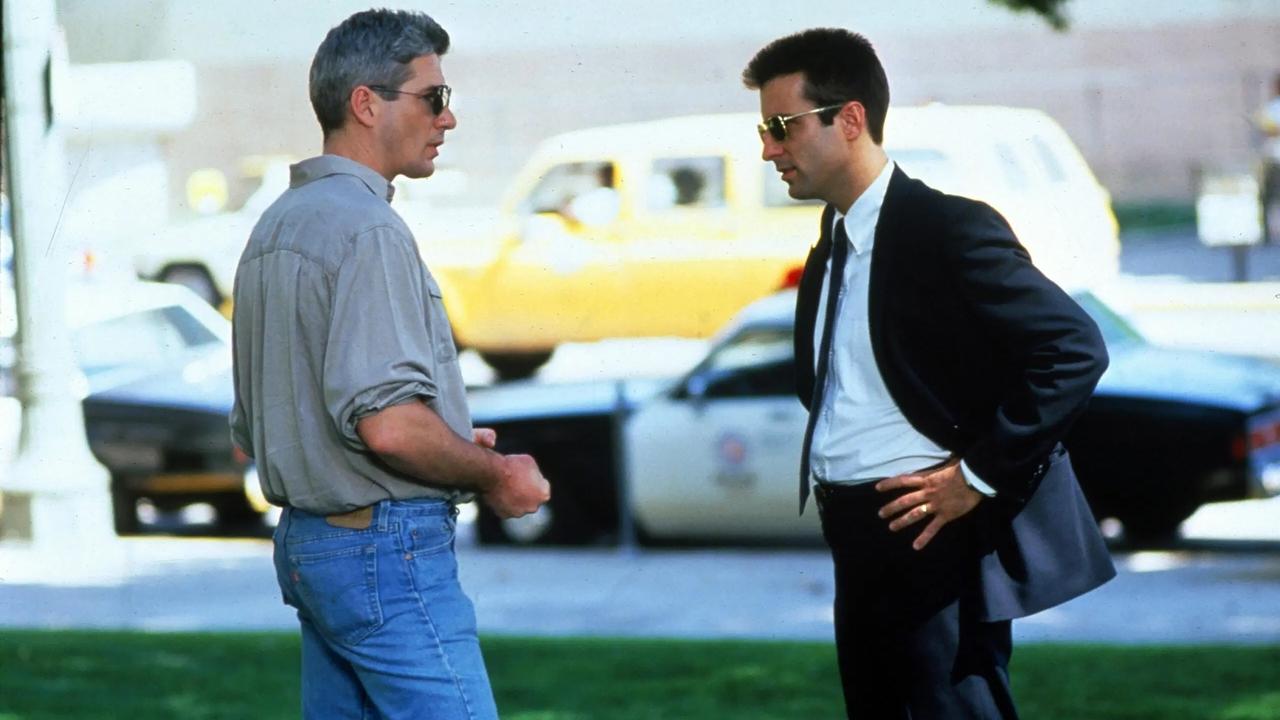
The premise hooks you immediately: Raymond Avila (Andy Garcia), a driven, idealistic young officer, joins the LAPD's Internal Affairs Division. His first major case involves investigating his academy classmate, Van Stretch (William Baldwin), but his attention is quickly drawn to Stretch’s charismatic, street-smart partner, Dennis Peck (Richard Gere). Peck is everything Avila isn’t – effortlessly charming, seemingly beloved, manipulative as hell, and deeply, profoundly corrupt. What unfolds is less a standard investigation and more a psychological duel, a tense descent into obsession where Avila finds his own life, marriage, and principles fraying under Peck's insidious pressure.
Forget the charming officer from An Officer and a Gentleman (1982) or the suave businessman of Pretty Woman (released the same year!). Richard Gere’s performance here is a masterclass in weaponized charisma. Peck isn't a snarling villain; he’s worse. He’s the guy everyone likes, the one who knows how to work the system, how to make people feel indebted, how to smile while planting a knife. Gere uses his inherent likability to create someone truly monstrous, a man whose corruption is woven into the fabric of his being, infecting everything he touches. Apparently, Gere initially turned the role down several times, finding Peck too dark, which perhaps speaks volumes about the unsettling depths he ultimately plumbed. It remains one of his most compelling, and frankly terrifying, performances.
The Hunter and the Hunted
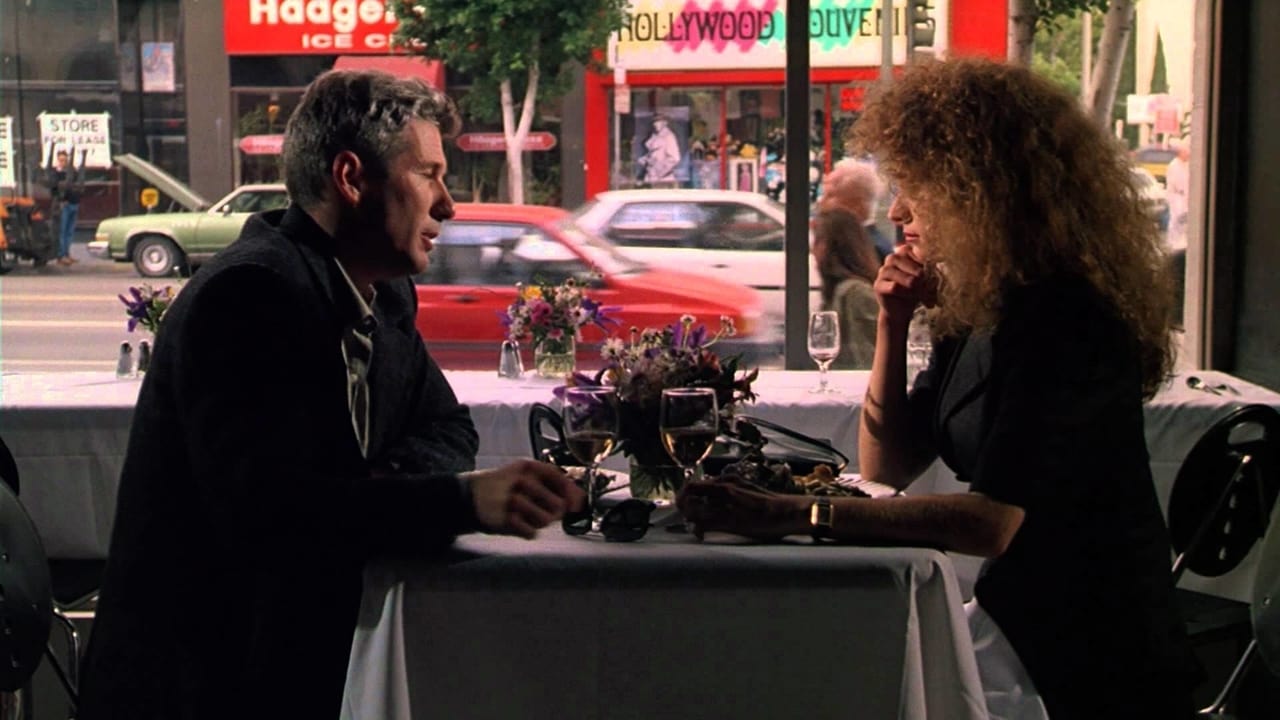
Against Gere’s magnetic slimeball, Andy Garcia delivers a performance vibrating with coiled tension. Fresh off his impactful role in The Untouchables (1987), Garcia embodies Avila’s righteous fury, but also his dawning horror and creeping paranoia. You see the toll the investigation takes – the sleepless nights, the suspicion that poisons his relationship with his wife, Kathleen (Nancy Travis, holding her own in a challenging role). Garcia makes Avila’s descent feel visceral; he's not just fighting Peck, he's fighting to hold onto himself. Is there a point where pursuing darkness means letting it seep into you? The film forces us to watch Avila grapple with this, and Garcia makes that internal struggle utterly convincing.
Figgis's Slick, Sweaty Style
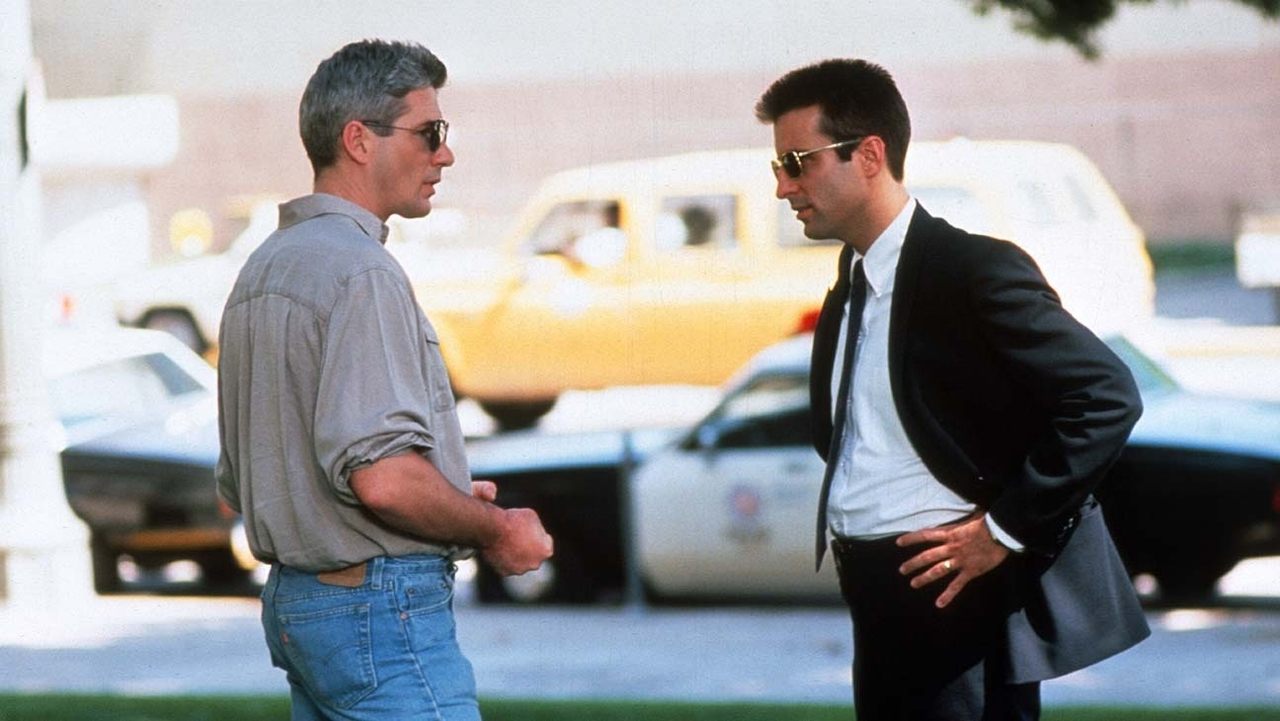
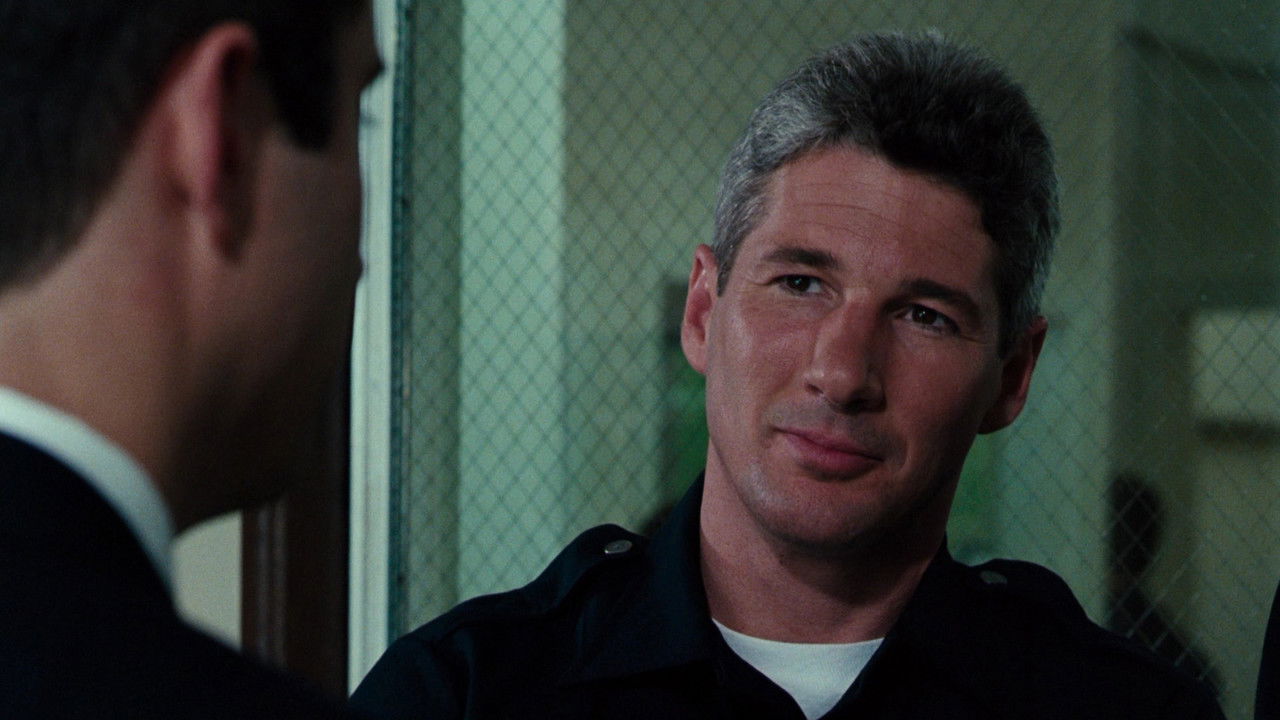
Mike Figgis, who also composed the film's moody, jazz-inflected score, directs with a distinct visual flair that perfectly complements the story's moral ambiguity. Los Angeles isn't just a backdrop; it's a character – shimmering surfaces reflecting hidden rot, noir shadows clinging to sun-drenched streets. There’s a sweaty, almost claustrophobic intimacy to many scenes, particularly the confrontations between Avila and Peck. Figgis uses close-ups and deliberate pacing to ratchet up the psychological tension, making the viewer feel as trapped and unnerved as Avila. This isn't the bombastic action of many contemporary cop thrillers; it's a more insidious, character-driven menace. It’s worth noting the film was made for a relatively modest $15 million but pulled in over $40 million worldwide – a solid return proving audiences were hungry for this kind of darker, adult-oriented thriller.
Echoes in the Static
Rewatching Internal Affairs now evokes that specific feeling of late 80s/early 90s cinema – slick, stylish, yet often grappling with a deeper cynicism about power and institutions. The greed, the manipulation, the idea that those sworn to protect might be the most dangerous predators… does it feel any less relevant today? Perhaps that's the film's most enduring quality. It wasn’t just a snapshot of its time; it tapped into perennial anxieties about trust and betrayal.
There are moments, perhaps involving some of the era-specific dialogue or supporting characters like Laurie Metcalf's tough-as-nails Sgt. Amy Wallace, that might feel a little dated, but the core conflict remains potent. And let's be honest, remembering the palpable tension this film generated, even on a slightly fuzzy CRT screen back in the day, is part of the nostalgic enjoyment. This wasn't a comfortable watch then, and it isn't now, but its grip is undeniable.
Rating & Final Reflection:
8.5/10
Internal Affairs stands as a superior example of the 90s neo-noir thriller, elevated by Mike Figgis's atmospheric direction and, crucially, career-defining performances from Richard Gere and Andy Garcia. Gere's chilling portrayal of charismatic evil is unforgettable, perfectly counterbalanced by Garcia's raw, intense vulnerability. The film earns its rating through its sustained psychological tension, its unflinching look at corruption, and its refusal to offer easy answers. It's a slick, disturbing journey that lingers, forcing you to question who you can trust when the rot starts from within. What truly stays with you isn't just the plot, but the cold dread evoked by Peck's manipulative smile – a chilling reminder that sometimes the most dangerous monsters wear the friendliest faces.