Alright, fellow tapeheads, let's dim the lights, ignore that slight tracking fuzz at the bottom of the screen, and talk about a sequel that didn't just avoid the sophomore slump – it tap-danced gleefully on its predecessor's grave. I'm talking about 1993's magnificent slice of macabre hilarity, Addams Family Values. Popping this tape into the VCR back in the day felt like unearthing forbidden treasure, a family film that was somehow sharper, darker, and funnier than most adult comedies.
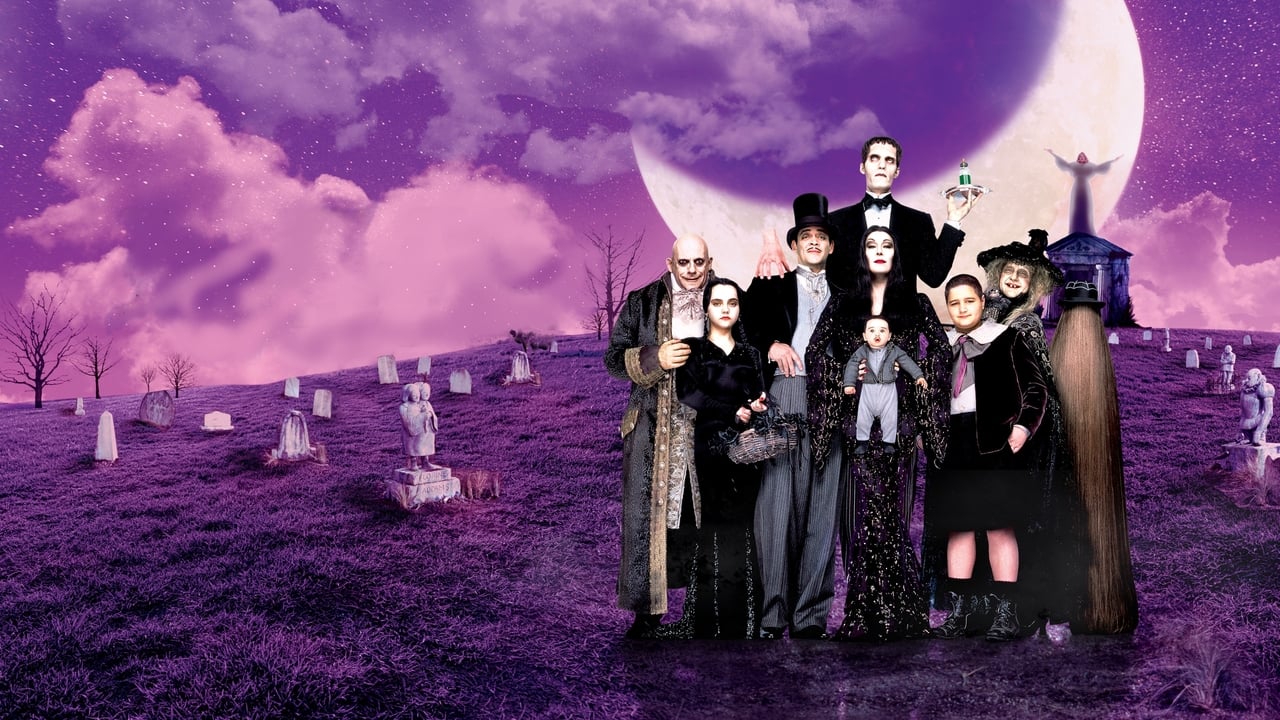
Forget waiting for the catchy theme song; this movie grabs you from the get-go, dropping us back into the gloriously gloomy world of the Addams clan as they welcome a new arrival, baby Pubert. But the real catalyst for chaos isn't the mustachioed infant, it's the suspiciously sunny, undeniably gold-digging nanny, Debbie Jellinsky, played with absolute psychotic relish by the incomparable Joan Cusack. Her performance isn't just funny; it's a masterclass in weaponized perkiness, a saccharine psycho destined for the pantheon of great comedy villains. Finding out that Cusack essentially was Debbie from the moment she walked in, nailing the character's blend of sweetness and murderous intent, isn't surprising – it feels like destiny.
A Sharper Shade of Black
While the first Addams Family (1991) successfully translated Charles Addams' iconic cartoons to the screen, Values feels like it truly unleashes the source material's satirical spirit. This is largely thanks to screenwriter Paul Rudnick (who penned In & Out a few years later), whose script crackles with quotable lines and a deliciously cynical worldview that felt daring for a PG-13 release back then. Rudnick had done uncredited work polishing the first film, but here, given free rein, he elevates the proceedings from charmingly kooky to wickedly smart. The dialogue snaps, the situations are perfectly perverse, and the central romance between Gomez and Morticia feels even more passionately bizarre.
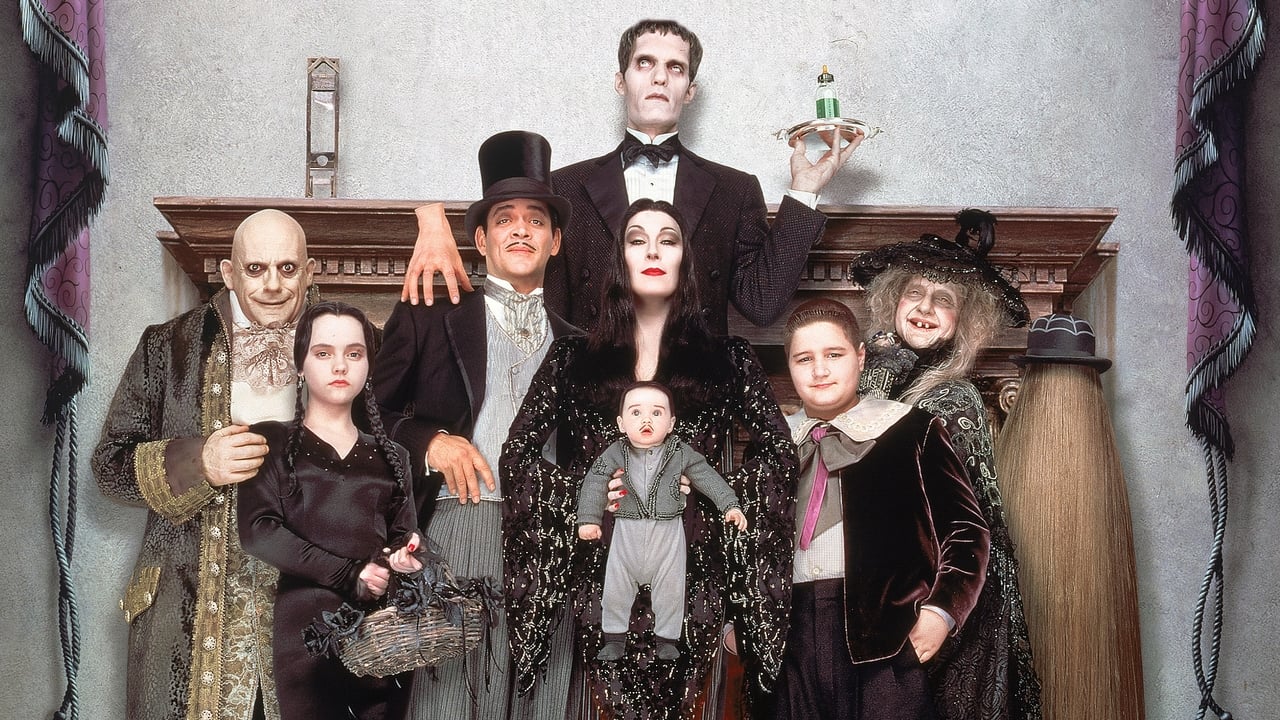
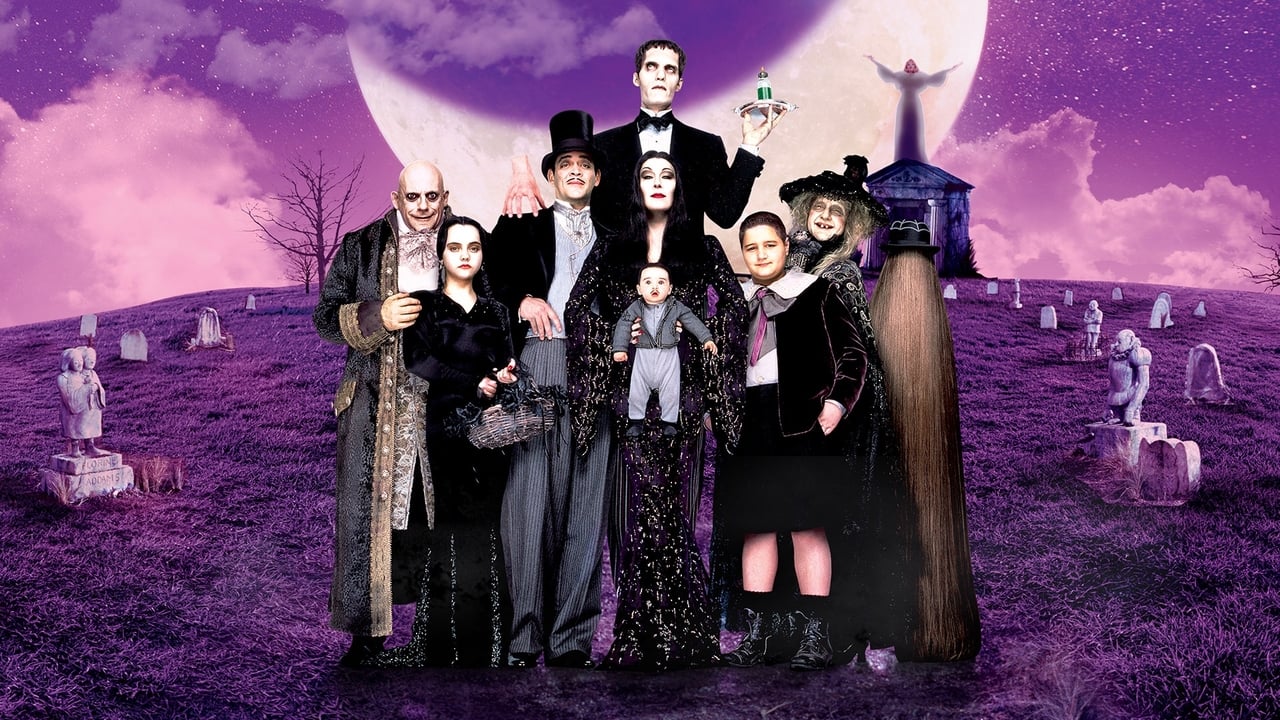
Speaking of Gomez and Morticia, Raul Julia and Anjelica Huston are simply electric. Their chemistry is palpable, a tango of morbid devotion that remains one of cinema's great pairings. Julia, sadly in one of his final roles before his untimely passing the following year, imbues Gomez with infectious life and operatic flair, while Huston’s Morticia is the epitome of gothic grace and understated menace. You believe entirely in their twisted love story, making Debbie's attempts to infiltrate the family feel genuinely threatening, albeit hilariously so. And let's not forget Christopher Lloyd as Uncle Fester, whose lovestruck vulnerability under Debbie's spell is both funny and strangely touching.
Summer Camp Nightmare Fuel
Of course, you can't talk Addams Family Values without dedicating serious time to the legendary Camp Chippewa subplot. Packing Wednesday (Christina Ricci, already radiating iconic deadpan brilliance) and Pugsley (Jimmy Workman) off to a hellishly chipper summer camp provides some of the film's most memorable and bitingly satirical moments. The clash between Addamsian gloom and enforced summer fun, overseen by the desperately upbeat counselors Gary Granger (Peter MacNicol) and Becky Martin-Granger (Christine Baranski, perfection), is comedy gold.
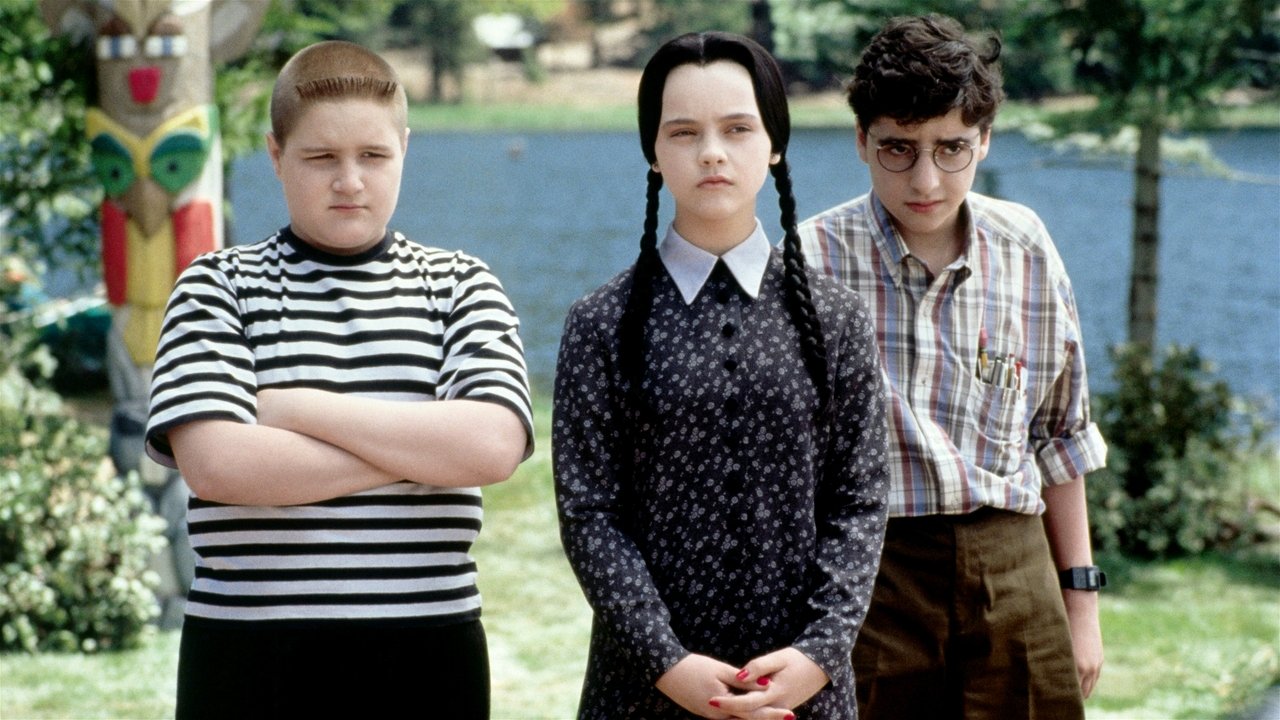
Ricci, in particular, solidifies Wednesday as a gothic icon for the ages here. Her stoic resistance, culminating in the now-legendary Thanksgiving play rebellion ("Eat me!"), is pure, unadulterated perfection. Apparently, that fiery climax required extensive safety precautions on set, involving controlled burns and stunt performers, a reminder of the practical ingenuity needed for such sequences back then. It’s a far cry from today's digital fire, possessing a weight and danger that felt incredibly real flickering on our CRT screens. Remember how impactful that fiery retribution felt? It wasn't just funny; it was cathartic!
Directed with Glee
Director Barry Sonnenfeld, returning from the first film and known for his distinctive visual style seen in films like Men in Black (1997), keeps the energy high and the compositions striking. He understands the Addams aesthetic, blending gothic grandeur with cartoonish absurdity. The production design is lush and detailed, perfectly capturing the cobweb-draped elegance of the Addams mansion, a character in itself. While the film performed solidly at the box office, pulling in around $111 million worldwide against its $47 million budget, it perhaps didn't quite match the phenomenal success of the first. Critically, however, many reviewers at the time rightly recognized it as the superior film, praising its sharper wit and Cusack's standout performance.
The Verdict
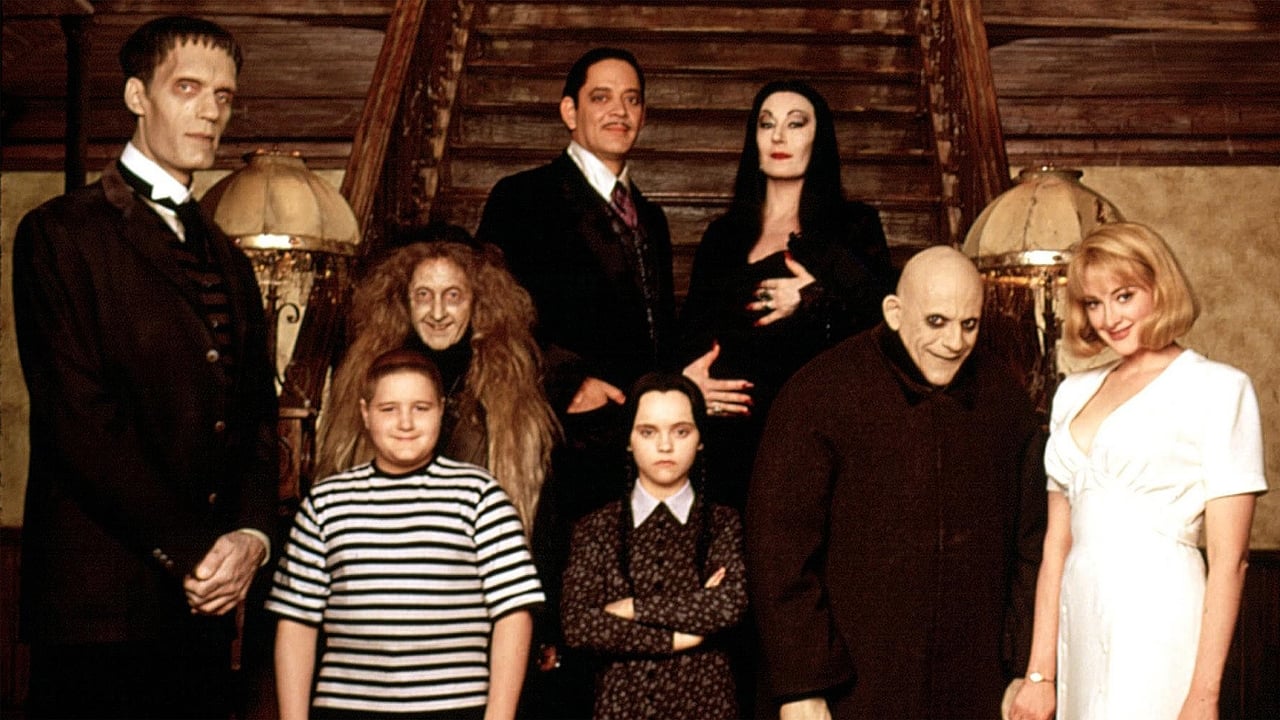
Addams Family Values isn't just a great sequel; it's a brilliant dark comedy that stands tall on its own merits. It took the foundation of the first film and built something sharper, funnier, and more gleefully subversive. The performances are uniformly excellent, Rudnick's script is a masterpiece of morbid wit, and the whole production hums with a confident, gothic energy. It was a tape many of us probably wore out from repeated rentals, each viewing revealing another perfectly delivered line or visual gag.
Rating: 9/10 - This rating is earned through its whip-smart script that surpasses the original, Joan Cusack's iconic villainous turn, the perfect casting across the board, Barry Sonnenfeld's stylish direction capturing the Addams spirit, and the enduring comedic brilliance of the Camp Chippewa scenes. It’s a near-perfect blend of dark humor, family dynamics, and satire.
Final Comment: Addams Family Values remains a wickedly delightful concoction, the kind of sharp, funny, and unapologetically weird movie that feels like a rare treat from the 90s video store shelves – and yes, it’s still lethally funny today.