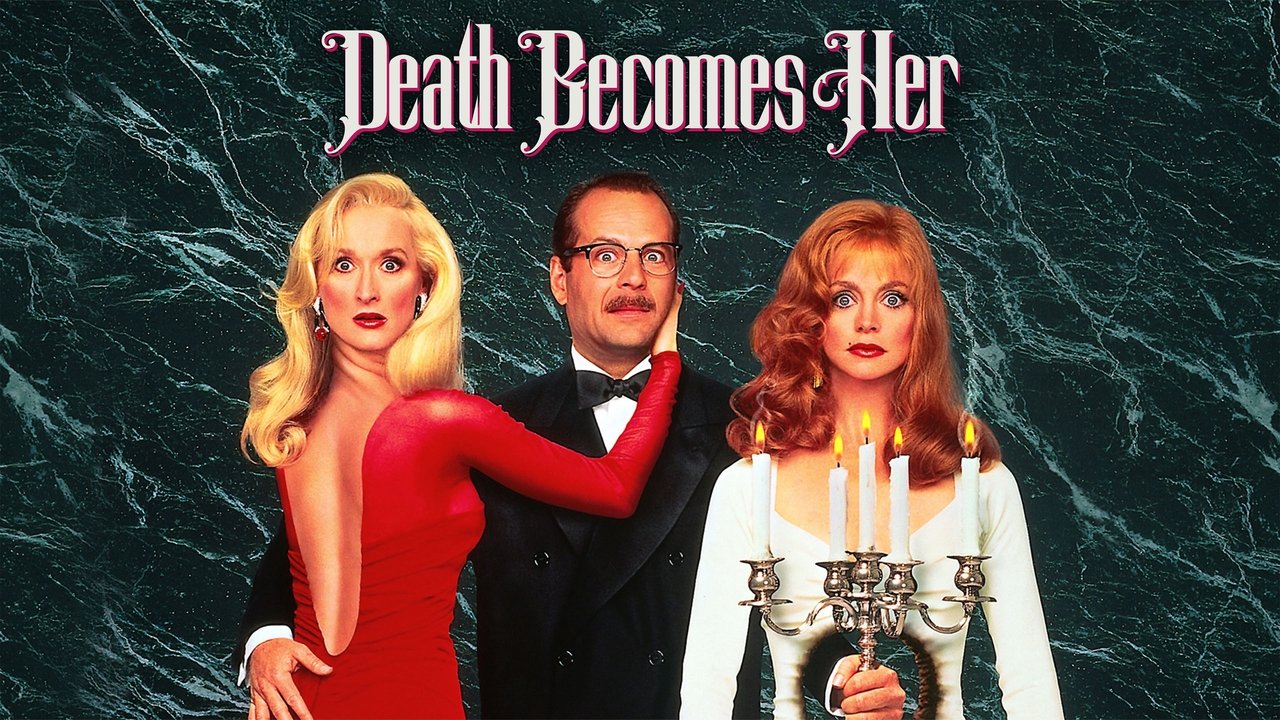
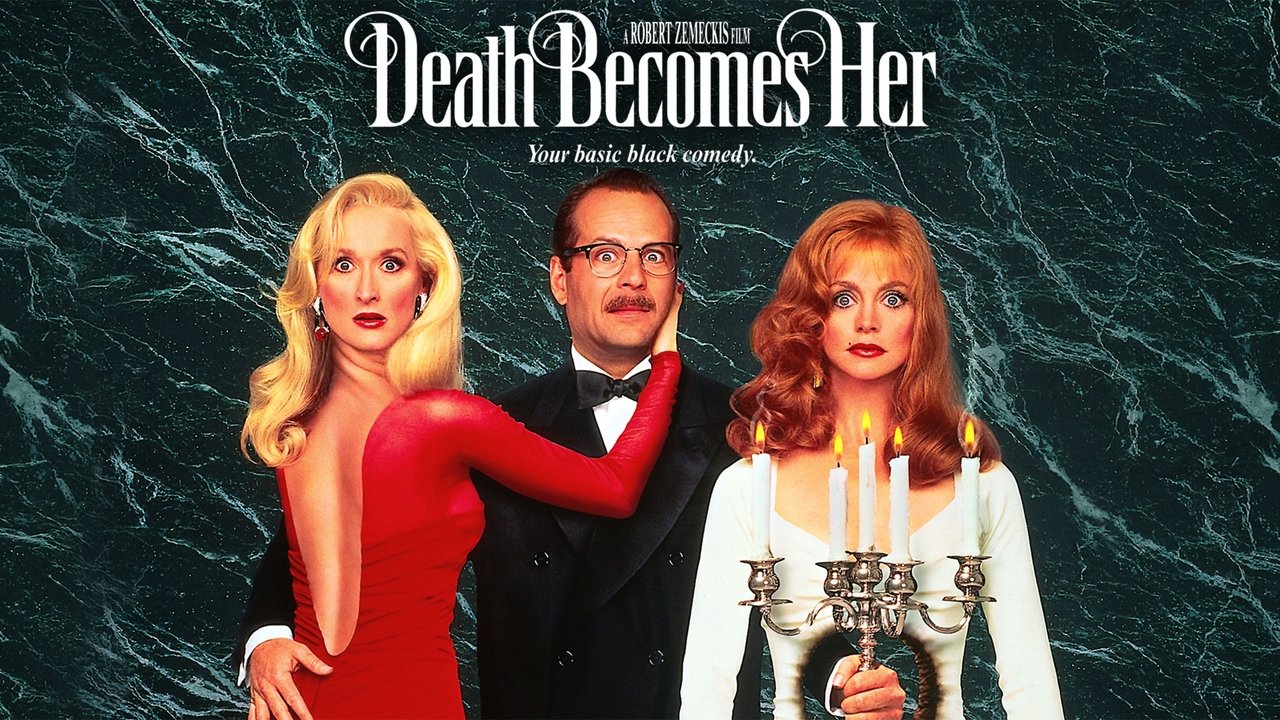
Okay, rewind your mind. Picture this: It's Friday night, you’re cruising the aisles of the local video store, the smell of plastic cases and slightly worn carpet thick in the air. Tucked between the blockbuster action flicks and the saccharine rom-coms, you spot that cover – Meryl Streep and Goldie Hawn, looking impossibly glamorous yet vaguely menacing, flanking a bewildered Bruce Willis. You grab the tape, maybe drawn in by the star power, maybe just intrigued by the sheer weirdness promised. That tape, my friends, was likely 1992’s Death Becomes Her, and popping it into the VCR unleashed a spectacle unlike much else from the era.
### Forever Young, Forever Freaky
This isn't your typical Hollywood comedy. Directed by the ever-innovative Robert Zemeckis (hot off Back to the Future Part III and already a master of blending effects with story thanks to Who Framed Roger Rabbit), Death Becomes Her plunges us headfirst into the hilariously toxic rivalry between fading actress Madeline Ashton (Streep) and long-suffering writer Helen Sharp (Hawn). Their battleground? The affections (or perhaps just the pliable nature) of nebbish plastic surgeon Ernest Menville (Willis, playing wonderfully against his action-hero type). The twist? Both women discover a potion promising eternal youth and beauty, administered by the ethereally strange Lisle von Rhuman (Isabella Rossellini, absolutely stealing her scenes). The catch? "Eternal youth" doesn't mean "indestructible." Cue the darkly comedic chaos.
### When Glamour Gets Grotesque
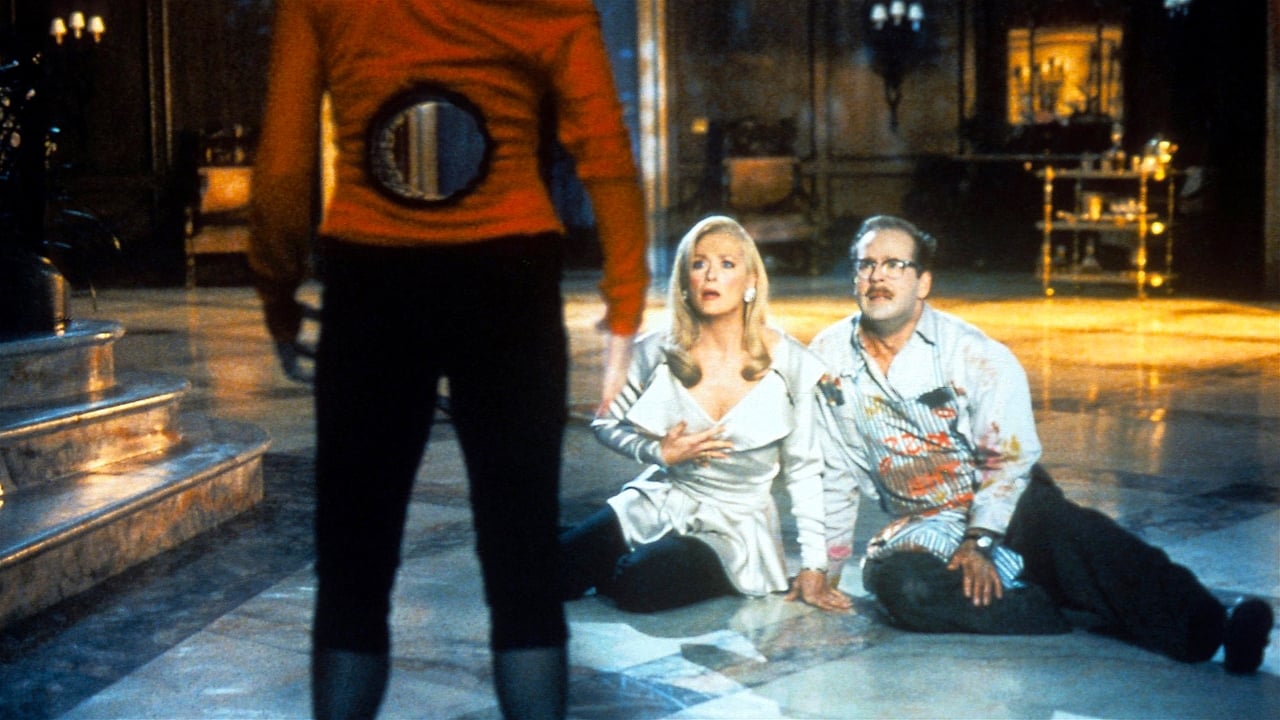
What made Death Becomes Her such a jaw-dropper back in the day, especially on a slightly fuzzy CRT screen, were the visual effects. This was early days for convincing digital manipulation integrated into live-action, and Zemeckis, along with the wizards at Industrial Light & Magic (ILM), pushed the envelope. Remember seeing Goldie Hawn with that gaping shotgun hole clean through her stomach for the first time? Or Meryl Streep’s head wrenched completely backward after a tumble down the stairs? It was shocking, darkly funny, and technically astounding for 1992.
While we see seamless CGI body morphing constantly today, back then, this blend of cutting-edge digital work with sophisticated puppetry and makeup effects felt revolutionary. There's a certain tactile quality, even to the digital effects, that feels different from modern CGI. You sense the effort behind making Streep's neck twist or Hawn's head reattach. It wasn't just pixels; it involved incredible physical commitment from the actors. Streep and Hawn reportedly endured hours in makeup and held incredibly uncomfortable positions, sometimes involving complex blue-screen setups or body doubles merged digitally, to achieve those iconic moments of bodily disintegration. It was a physically demanding shoot, far beyond what you'd expect for a "comedy."
### Camp, Satire, and Star Power

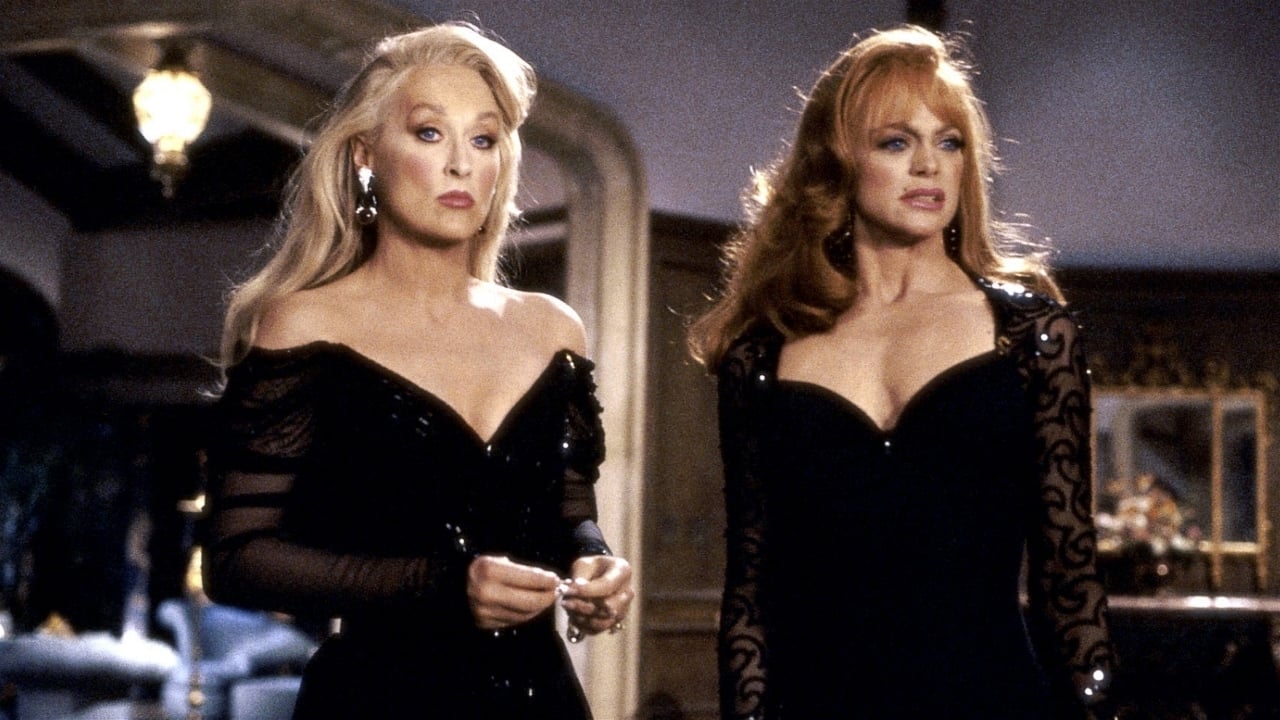
Beyond the technical wizardry, the film crackles thanks to its cast firing on all cylinders. Streep is deliciously vain and vicious as Madeline, chewing scenery with sophisticated glee. It's a performance that leans right into camp, showcasing her often-underutilized comedic timing. Hawn, returning to the screen after a short break, matches her perfectly as the initially downtrodden Helen who transforms into an equally ruthless immortal rival. Their chemistry, honed over years of real-life friendship, makes their venomous barbs land even harder.
And Bruce Willis! Stripped of his Die Hard swagger, he’s brilliant as the perpetually put-upon Ernest, the mortician-turned-plastic-surgeon caught between these two forces of nature. Apparently, Willis even took a pay cut for the chance to work alongside Streep and Hawn and flex different acting muscles – a smart move, as he provides the film's weary, relatable heart amidst the supernatural absurdity. The script, co-written by David Koepp (who would soon pen Jurassic Park) and Martin Donovan, is packed with sharp dialogue and biting satire aimed squarely at Hollywood's obsession with youth and beauty – a theme that feels even more relevant today.
It's also a fun bit of trivia that the original ending was far darker and tested poorly with audiences. It involved Ernest living a quiet life after escaping the immortal duo, only to be tracked down years later by Madeline and Helen (looking worse for wear despite their immortality). Tracey Ullman even filmed scenes as a bartender Ernest confides in. Zemeckis wisely opted for the more ironically fitting, darkly comedic ending we know, where the fractured but forever-linked women face eternity together.
### Lasting Decay?
Critics at the time were somewhat divided – some praised the effects and performances, others found the tone uneven or the satire too broad. It wasn't a runaway smash, earning a respectable but not overwhelming $149 million worldwide against its $55 million budget. But like so many films from the VHS era, its reputation grew over time. It became a cult classic, celebrated for its camp aesthetic, quotable lines ("Now a warning?!"), and prescient themes. It even snagged the Academy Award for Best Visual Effects, a testament to its groundbreaking work.
Rating: 8/10
This score feels right because while some of the early CGI shows its age slightly (though impressively for '92), the razor-sharp performances, biting satire, unique blend of horror and comedy, and sheer audacity of the concept remain incredibly potent. It’s a technical marvel of its time anchored by legendary actors clearly having a blast.
Death Becomes Her is a perfect slice of early 90s Hollywood weirdness – glamorous, grotesque, and wickedly funny. It’s a reminder of a time when filmmakers were just starting to explore the wild possibilities of digital effects, blending them with practical craft in ways that felt both shocking and delightfully artificial. So, if you spot that familiar cover again, maybe digitally this time, give it a watch. It still holds up, hole in the stomach and all.