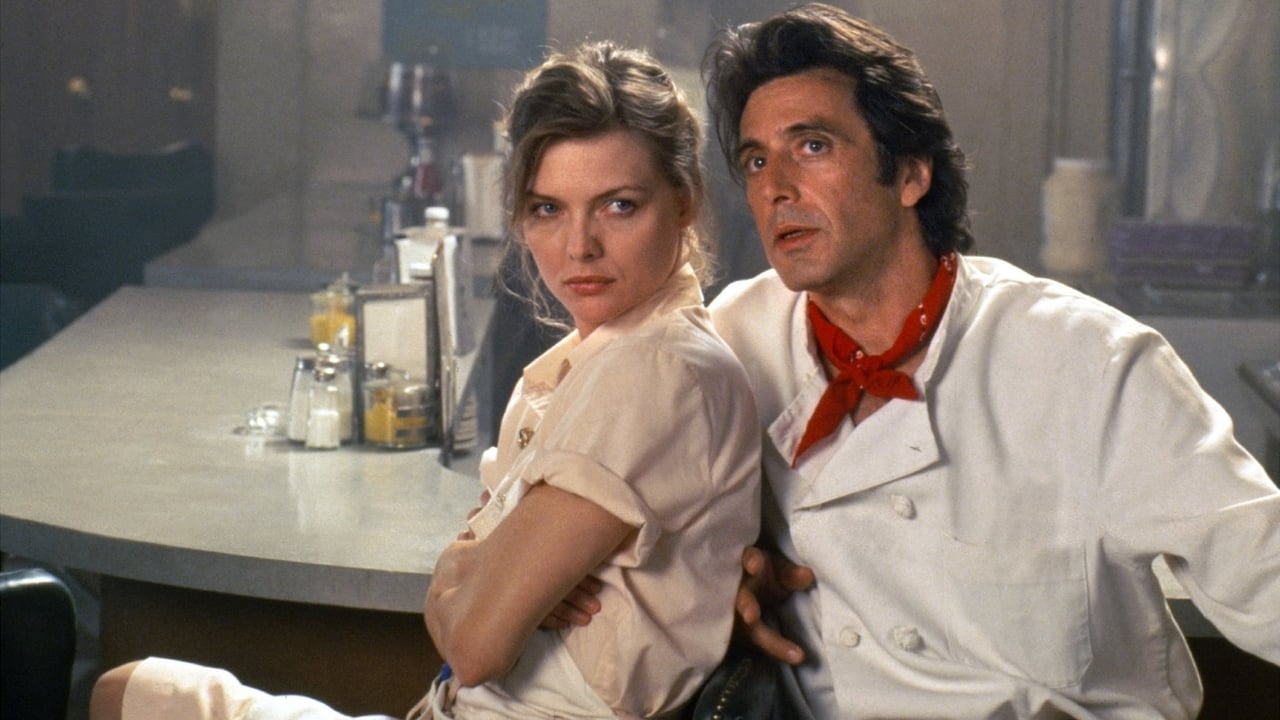
There's a certain kind of quiet desperation that hangs heavy in the air of late-night diners, isn't there? It’s thick with the smell of stale coffee, grease, and the unspoken loneliness of souls drifting through the city. Garry Marshall's 1991 film, Frankie and Johnny, plunges us headfirst into that world, specifically the Apollo Cafe in New York City, and asks if two people, bruised and wary from life's disappointments, can dare to find solace in each other amidst the clatter and steam. It’s a film I remember finding on the shelves, maybe initially drawn by the star power of Al Pacino and Michelle Pfeiffer, but discovering something far more grounded and emotionally resonant than your typical early 90s romance.
More Than Just Coffee and Eggs
Adapted by playwright Terrence McNally from his own successful off-Broadway two-hander, Frankie and Johnny in the Clair de Lune, the film expands the claustrophobic single-apartment setting of the stage version. It gives us the bustling, often chaotic, environment of the diner kitchen and the wider city, providing context for the characters' weariness. Johnny (Pacino) is fresh out of prison, a short-order cook with a surprisingly poetic soul and an almost unnerving intensity about wanting connection. Frankie (Pfeiffer) is a waitress, guarded and self-protective, carrying unspoken wounds that make her recoil from Johnny’s immediate, full-force charm offensive. She’s built walls, thick and high, and Johnny arrives like a relentless, albeit well-meaning, demolition crew.
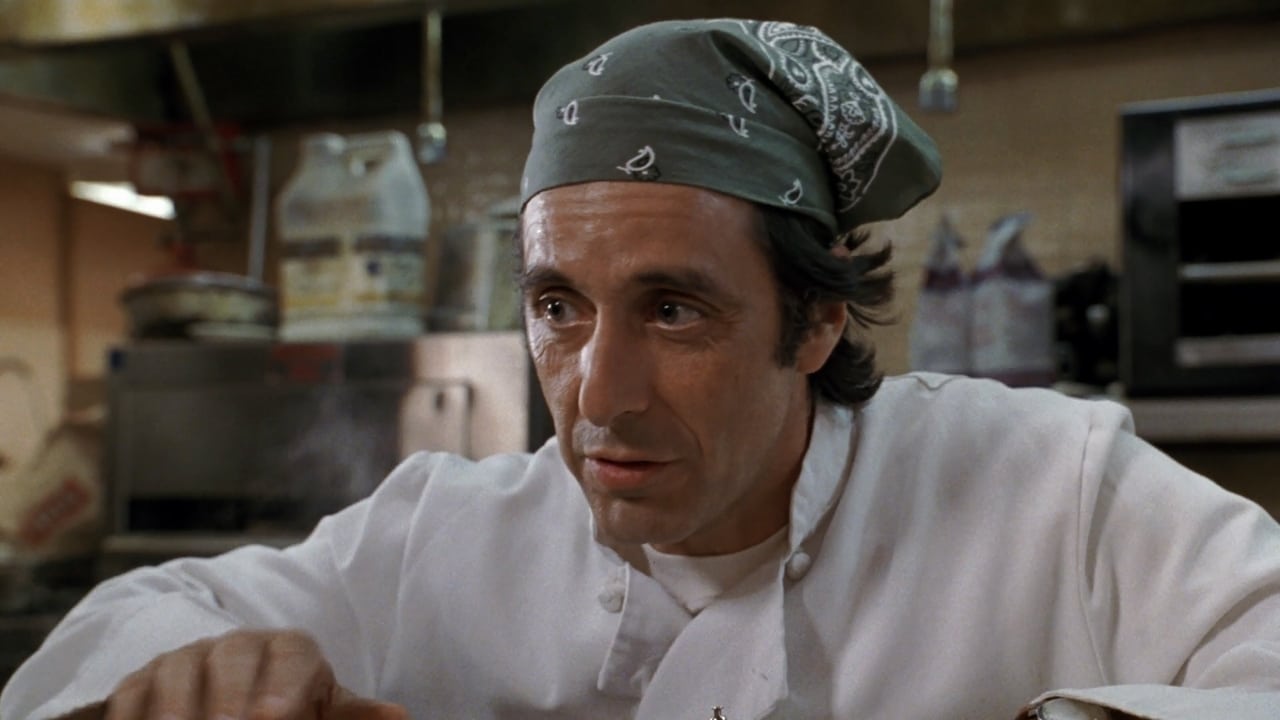
The film lives and breathes in the performances of its leads. Seeing Pacino and Pfeiffer together again, eight years after the explosive, destructive pairing in Scarface (1983), is initially jarring. Here, the dynamic is flipped. Pacino, known for his powerhouse roles, channels that energy inward. Johnny isn't shouting from rooftops (well, not usually); his intensity manifests as a desperate, almost painful sincerity. He needs Frankie to be "the one," perhaps projecting his hopes onto her weary shoulders. It's a performance that skirts the line of being too much at times – does his relentless pursuit feel romantic or unsettling? – but Pacino imbues Johnny with enough vulnerability beneath the bravado that we understand his hunger for a fresh start.
Pfeiffer's Quiet Strength
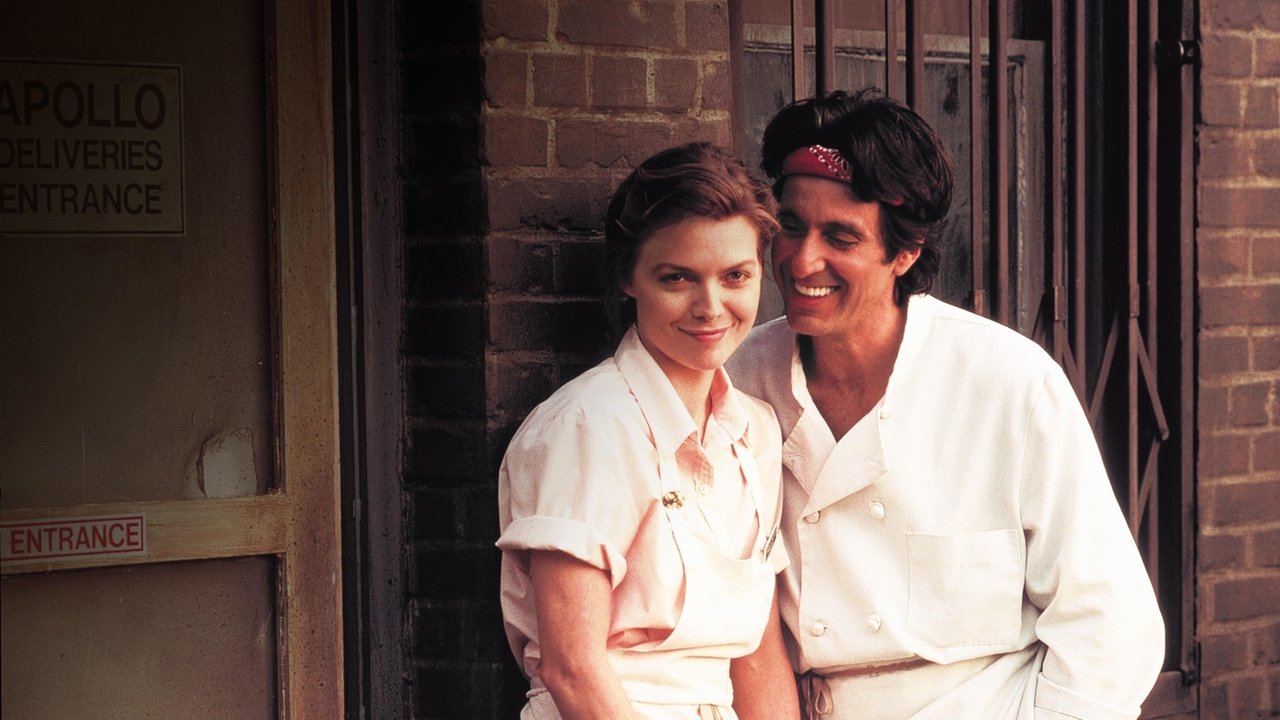
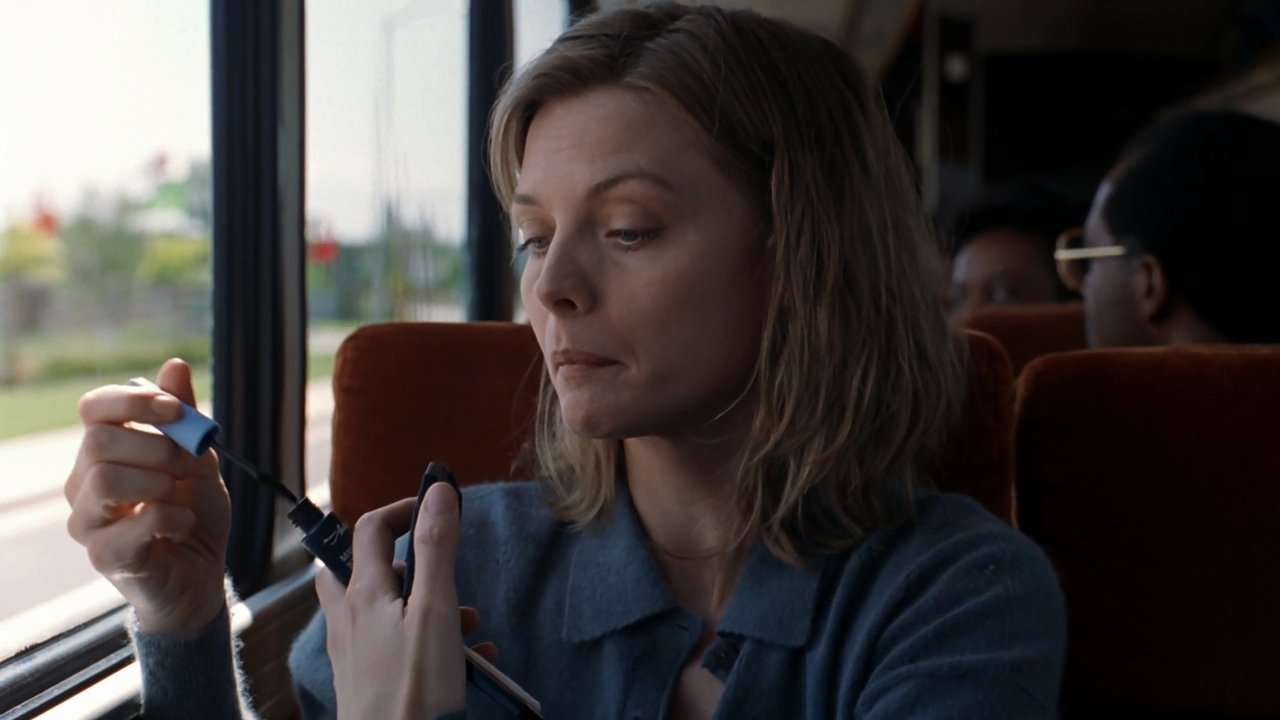
But it's Michelle Pfeiffer who truly anchors the film. There was some chatter back in the day, whispers that she was perhaps too glamorous for a role originated on stage by the wonderful Kathy Bates. Watching it again now, that criticism feels superficial. Pfeiffer masterfully conveys Frankie’s deep-seated fear and mistrust. It’s in the hesitant way she moves, the slight flinch when touched, the carefully neutral expression that barely masks a lifetime of hurt. She doesn't need grand speeches; her guarded eyes and the tension in her shoulders tell the whole story. Her journey, from reflexive rejection to tentative hope, is the film's emotional core, and Pfeiffer navigates it with remarkable subtlety and grace. You feel the weight of her past, making her gradual thawing towards Johnny feel earned and deeply affecting.
Marshall's Gentle Touch and Diner Details
Surrounding them is a warm, lived-in world populated by familiar faces. Hector Elizondo, Garry Marshall’s legendary good-luck charm (appearing in all 18 of his films!), is wonderful as Nick, the gruff but kind diner owner. His presence provides stability and gentle humor, a necessary counterpoint to the central pair's emotional turbulence. Nathan Lane also shines as Tim, Frankie’s supportive neighbor, offering wit and perspective. Marshall, often associated with lighter, more overtly comedic fare like Pretty Woman (1990), directs with a surprisingly gentle hand here. He allows the characters room to breathe, capturing the rhythm of their working lives and the quiet intimacy of their off-hours.
One fascinating tidbit is how McNally himself adapted his play. Opening up the story beyond Frankie's apartment could have diluted its intensity, but instead, it grounds the characters more firmly in their reality. Seeing them navigate the daily grind of the diner, interacting with colleagues and customers, adds layers to their personalities and underscores the preciousness of the private moments they eventually share. The film reportedly cost around $29 million and brought in a respectable $67 million worldwide – solid, if not spectacular, perhaps reflecting its more mature, less flashy approach to romance compared to other hits of the era.
The use of Debussy's "Clair de Lune" is, of course, pivotal – it's the soundtrack to Johnny's romantic ideal, a stark contrast to the often harsh realities Frankie faces. Does this reliance on a classical piece feel a touch heavy-handed, or does it perfectly capture Johnny's yearning for something beautiful and transcendent in his life? It’s a question the film leaves you pondering.
Finding Hope in the Ordinary
What lingers most after watching Frankie and Johnny isn't grand passion, but the quiet courage it takes to lower your defenses after life has knocked you down. It’s about the messy, awkward, sometimes painful process of learning to trust again. It doesn't offer easy answers or fairytale endings, acknowledging that connection is hard-won and requires patience and understanding. For those of us who remember pulling this tape from the "Drama" section, maybe expecting something different, it remains a surprisingly affecting portrait of working-class loneliness and the tentative blossoming of second chances. It feels honest, rooted in the complexities of real adult relationships.
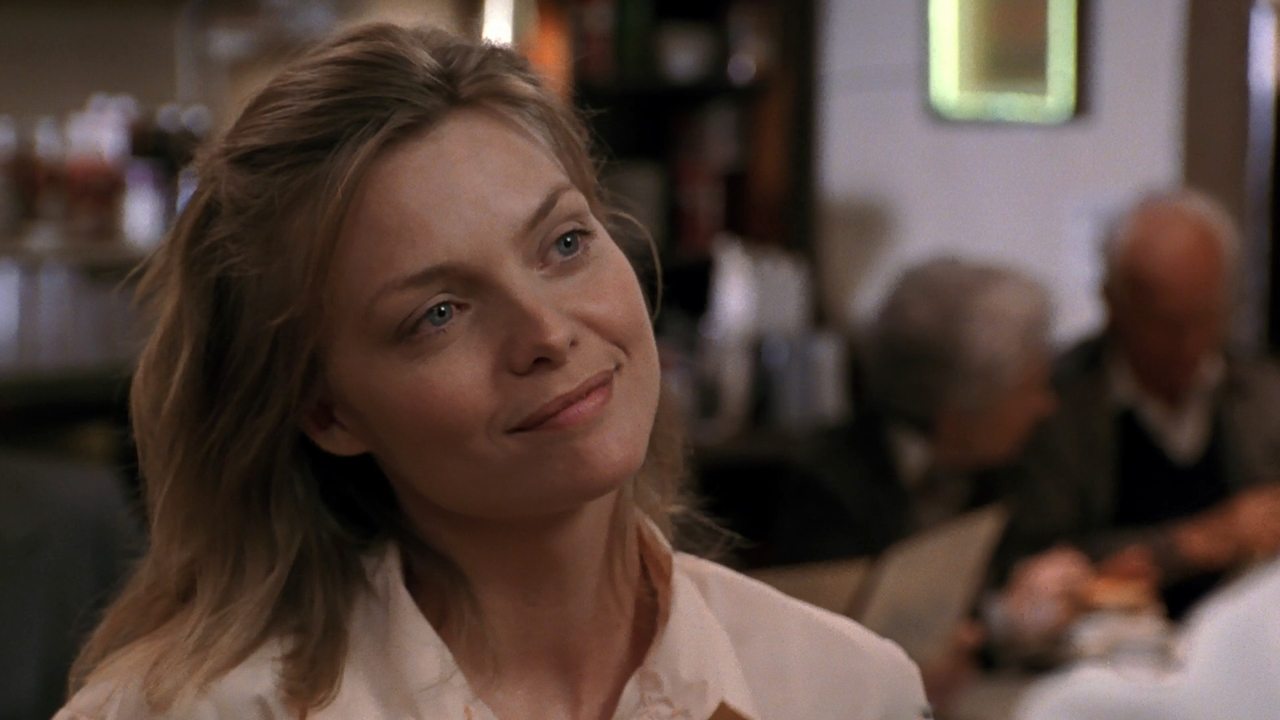
Rating: 8/10
This score reflects the powerhouse performances, particularly Pfeiffer's nuanced portrayal, the authentic atmosphere Marshall creates, and the film's brave commitment to exploring vulnerability and connection without resorting to easy sentimentality. While Pacino's intensity might occasionally feel overwhelming, it serves the character's desperate need. The expansion from the stage play works effectively, grounding the central relationship in a believable world. It’s a mature, thoughtful character study disguised as a romantic drama, and it holds up beautifully.
Frankie and Johnny might not have the flash of other early 90s hits, but its quiet power resonates, leaving you with a feeling of empathy and the gentle hope that even the most guarded hearts can find a reason to open up, maybe somewhere between the closing shift and the dawn.