Okay, settle in, maybe crack open a Zima if you've still got one squirreled away somewhere (just kidding... mostly). Let's talk about a film that arrived on VHS shelves in 1995 like a burst of vibrant, complicated confetti in a room grappling with shadows. Jeffrey wasn't your typical romantic comedy, not by a long shot. Imagine trying to make a funny, hopeful film about finding love smack-dab in the middle of the AIDS epidemic in New York City. It sounds almost impossible, maybe even inappropriate. Yet, somehow, Jeffrey pulled it off, leaving behind a film that feels both incredibly specific to its time and surprisingly resonant decades later.
Dancing on the Volcano's Edge
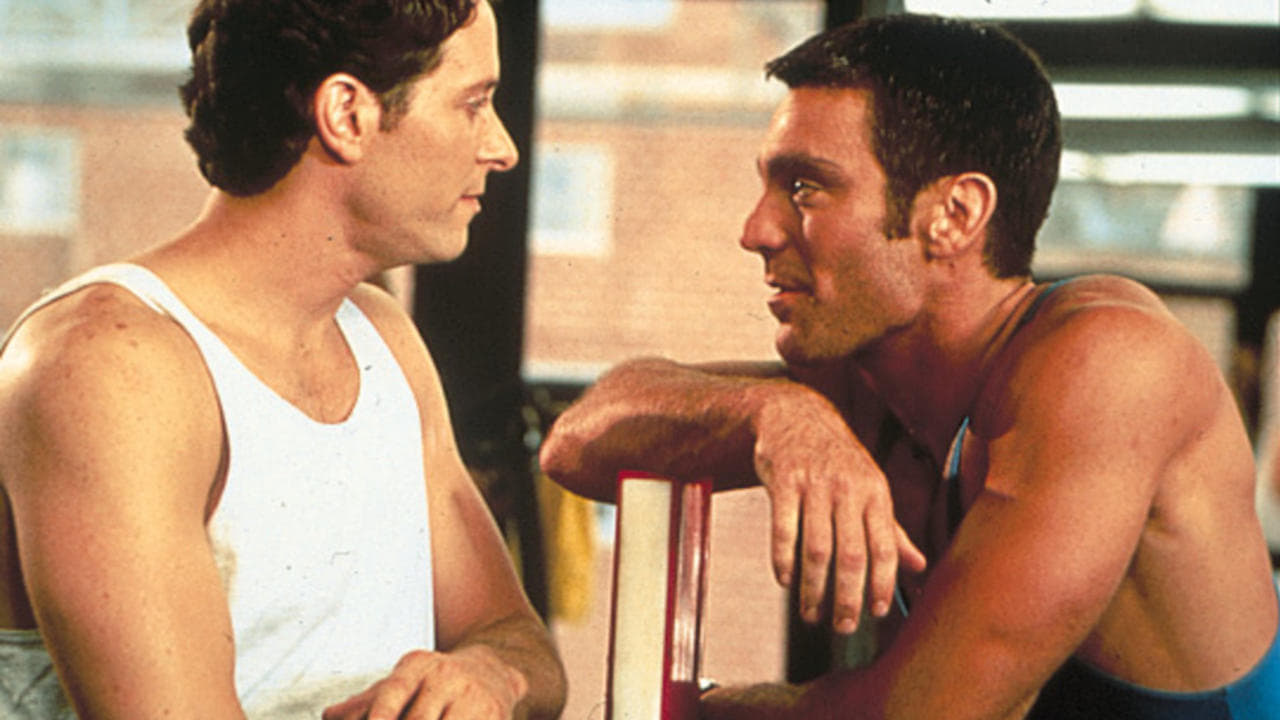
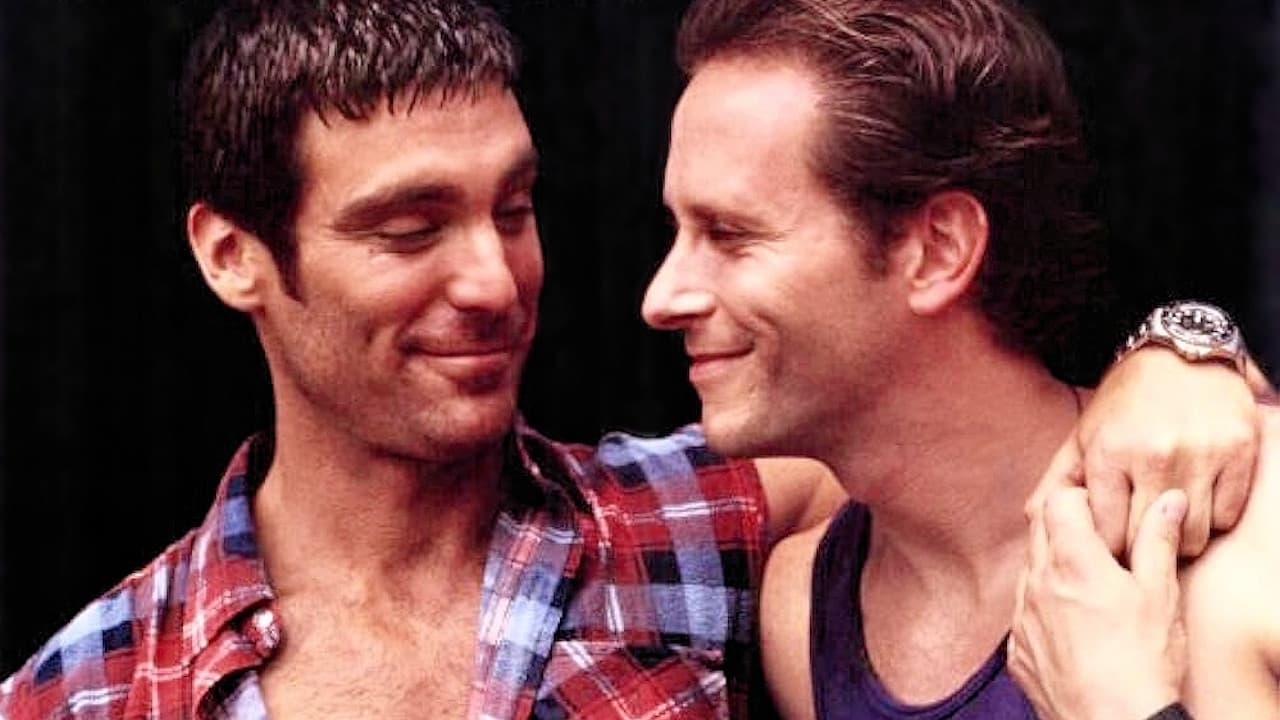
The central premise, adapted by Paul Rudnick from his own successful Off-Broadway play, is audacious: Jeffrey (Steven Weber), a charming, perpetually single gay actor/waiter in NYC, decides that the fear and reality of AIDS have made sex too fraught, too terrifying. His solution? Celibacy. Complete abstinence. Of course, this decision is immediately tested when he meets Steve (Michael T. Weiss), a handsome, funny, seemingly perfect bartender who happens to be HIV-positive.
What unfolds isn't just a will-they-won't-they, but a deeper exploration of fear, intimacy, and the defiant choice to embrace life and love even when surrounded by loss. It’s a tightrope walk, tonally. Rudnick’s script, brought to the screen by director Christopher Ashley (who also directed the stage play), leans heavily into witty banter, sharp observations about gay life in the 90s, and surreal fantasy sequences that punctuate Jeffrey's anxieties and desires. This could easily have felt jarring, but mostly, it works. The humor doesn't diminish the gravity of the situation; instead, it feels like a coping mechanism, a very human response to overwhelming circumstances. Remember, Rudnick himself insisted on adapting his play for the screen, ensuring its unique voice wasn't diluted – a smart move for a film relying so heavily on its specific blend of wit and pathos.
More Than Just the Sum of its Quips
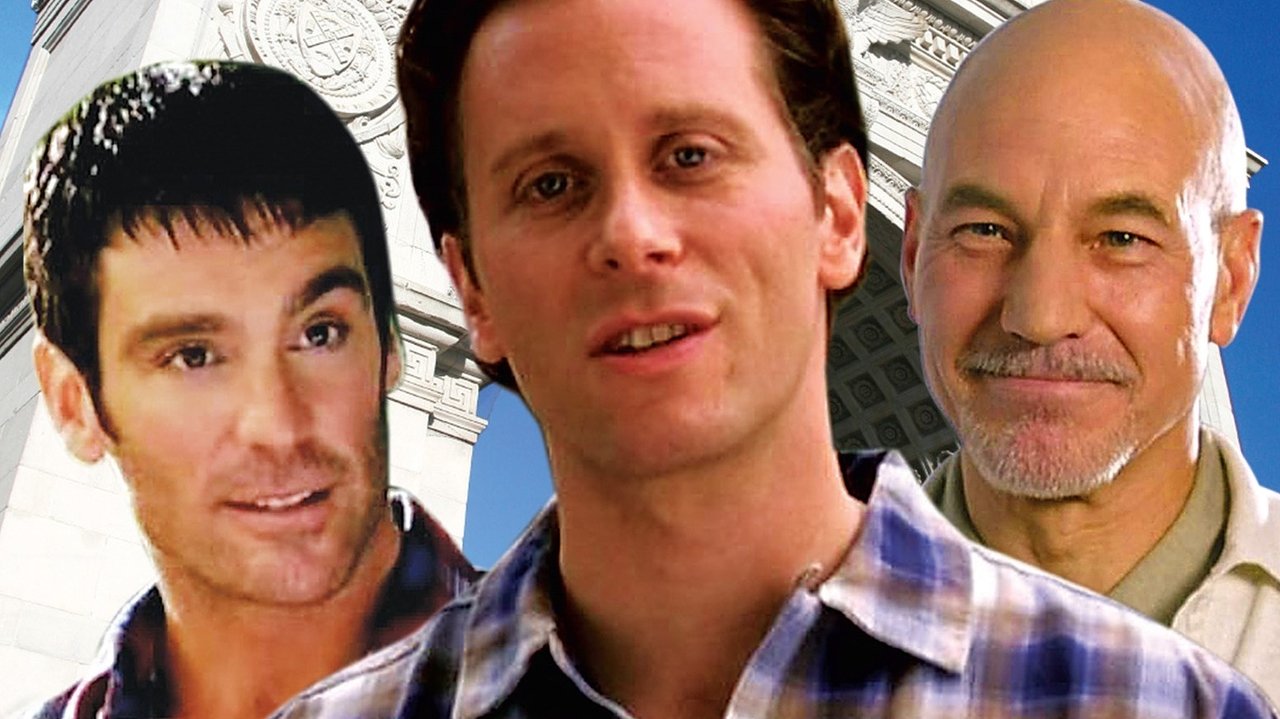
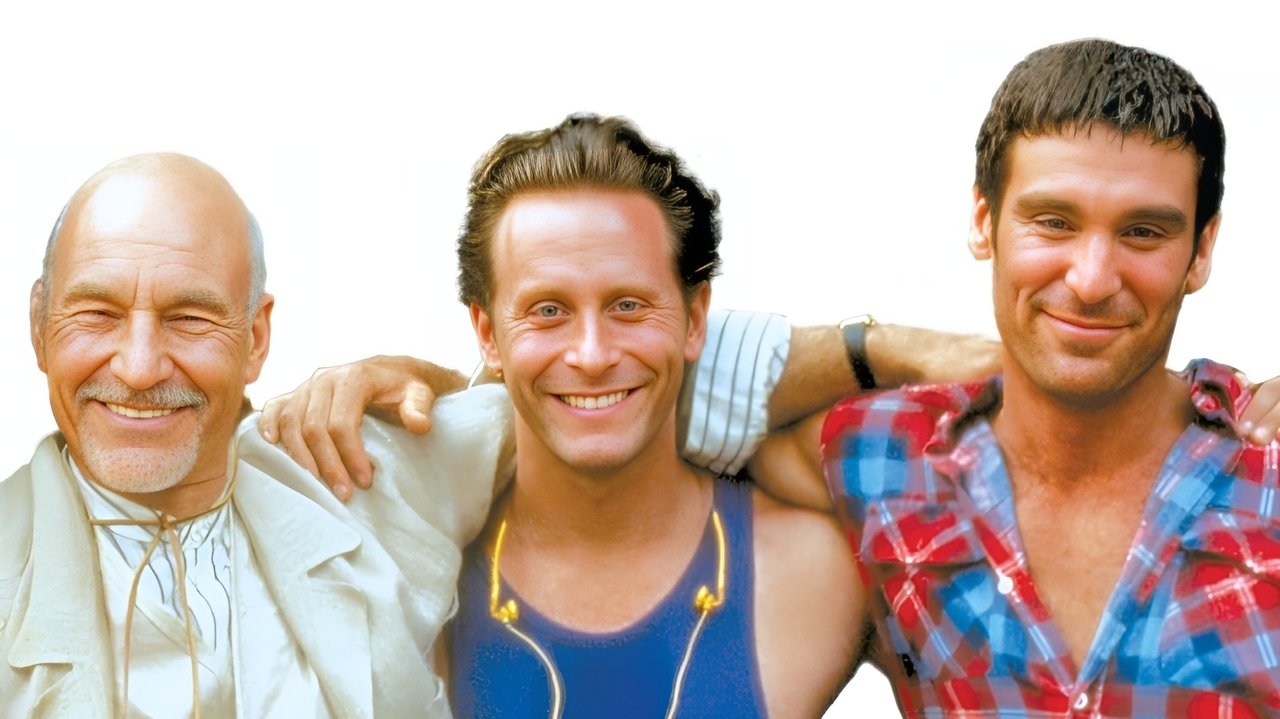
Steven Weber, primarily known for the sitcom Wings at the time, carries the film with a neurotic charm that feels utterly genuine. His Jeffrey is relatable in his anxieties, his desires, and his paralyzing fear. You feel his internal struggle – the magnetic pull towards Steve versus the consuming terror the virus represented. It's a performance that requires navigating rapid shifts from near-slapstick panic to quiet vulnerability, and Weber handles it beautifully. Opposite him, Michael T. Weiss (later known for The Pretender) imbues Steve with a grounded warmth and quiet strength. He’s the romantic ideal, yes, but crucially, he’s also living with the reality Jeffrey fears, making their connection both poignant and complex. Their chemistry is the film's anchor.
But let's be honest, who walks away from Jeffrey without talking about Patrick Stewart? Fresh off Star Trek: The Next Generation, seeing Captain Picard as Sterling – a sharp-tongued, endlessly supportive, flamboyantly dressed interior decorator – was a delightful shock to the system back in '95. Stewart reportedly saw the play and actively pursued the role, and thank goodness he did. He steals every scene he’s in, delivering Rudnick’s zingers with impeccable timing while also revealing Sterling's deep well of loyalty and wisdom beneath the sophisticated veneer. His performance is a masterclass in finding the heart within the caricature. It's worth noting the film is peppered with fantastic cameos, too – blink and you might miss Nathan Lane as a self-help priest, Sigourney Weaver (another Alien-era icon stepping into comedy) as a predatory televangelist, or Olympia Dukakis as a forward-thinking mom. These familiar faces popping up felt like part of the fun, part of the community the film celebrated.
A Time Capsule with a Beating Heart
Watching Jeffrey today is undeniably a trip back to the mid-90s. The fashion, the anxieties, the specific cultural references – it’s all there. Filmed on a modest budget (reportedly around $1.5 million), it has that slightly gritty, independent feel common to NYC-set films of the era. Yet, the core themes transcend their specific setting. The questions it raises – How do we choose hope over fear? How do we build connection in the face of potential pain? What makes life worth living, truly? – remain deeply relevant.
It’s not a perfect film. Some of the fantasy sequences feel a little stagey, perhaps betraying its theatrical roots, and the pacing occasionally stumbles. But its bravery is undeniable. It tackled a subject many were afraid to touch, especially within a genre typically reserved for lighter fare. It dared to suggest that laughter and romance could coexist with grief and fear, that choosing joy was an act of resistance. I remember renting the tape, perhaps from a Blockbuster or maybe one of those smaller neighborhood stores with the beaded curtains, and being struck by how different it felt. It wasn't just another rom-com; it had weight, it had something important to say, wrapped in a surprisingly entertaining package.
Rating: 8/10
This score reflects Jeffrey's ambition, its wonderful performances (especially Weber and Stewart), and its unique success in blending sharp comedy with genuine pathos. It's a film that tackled an incredibly difficult subject with wit, heart, and intelligence. While certain elements feel dated, its core emotional truth and brave spirit ensure it remains a significant, affecting piece of 90s cinema, particularly vital within LGBTQ+ film history.
Jeffrey remains a testament to the power of finding light, laughter, and love, even – perhaps especially – when the shadows loom large. What lingers most isn't just the fear it confronted, but the defiant sparkle in its eye.