Okay, let's dim the lights, maybe pop some corn, and settle in. Remember that feeling of finding just the right tape on the shelf? Sometimes it wasn't the explosive action flick or the jump-scare horror, but something... smarter, warmer, that left you thinking long after the VCR clicked off. That's the space The American President occupies, a film that arrived in 1995 feeling both incredibly timely and refreshingly timeless.
### When the Personal Gets Political (and Vice Versa)
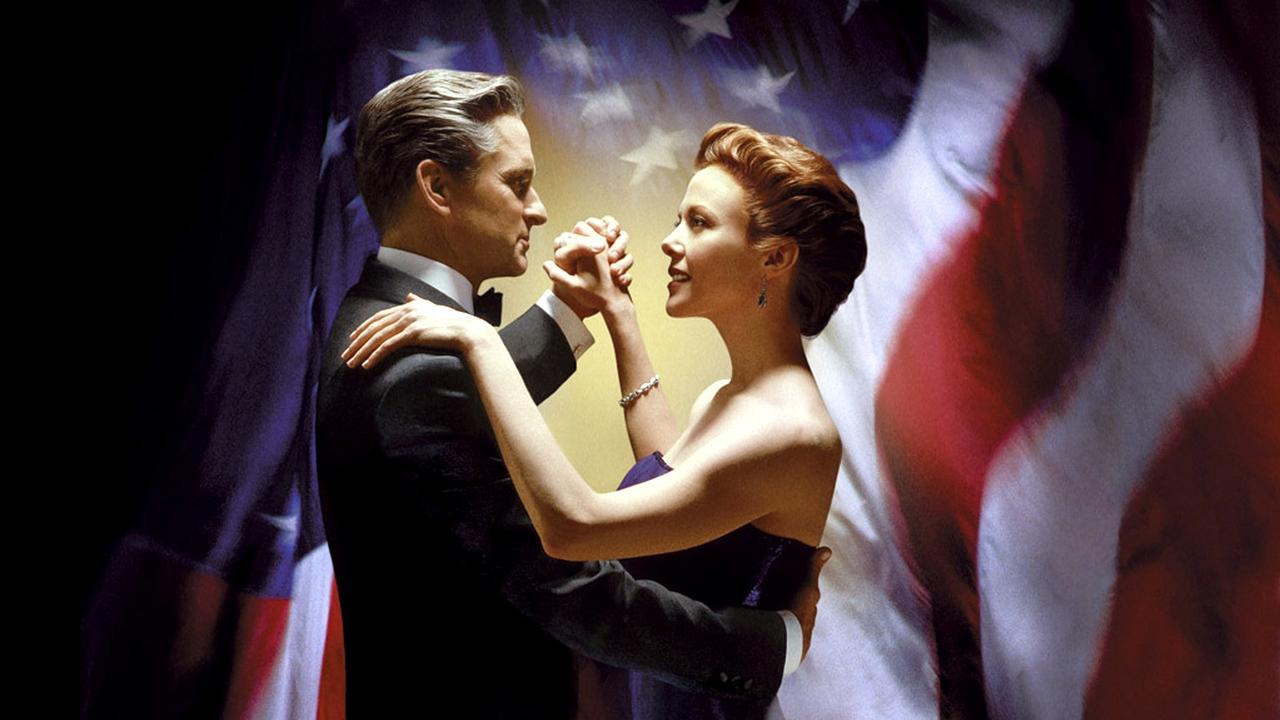
What happens when the most powerful man in the world falls in love? It’s a deceptively simple question that forms the heart of Rob Reiner’s charming and intelligent film. We meet President Andrew Shepherd (Michael Douglas), a popular Democratic incumbent and widower, coasting towards re-election. He’s competent, respected, maybe a little… beige. Then, Sydney Ellen Wade (Annette Bening) walks into the Oval Office – a sharp, principled environmental lobbyist who immediately throws his carefully managed world off-kilter. Their burgeoning romance becomes instant fodder for political opponents, forcing Shepherd to confront what truly matters: his political survival or his personal happiness.
It's a premise that could easily slide into schmaltz or farce, but thanks to a crackling script by a pre-West Wing Aaron Sorkin, it becomes something much richer. The dialogue snaps, the political maneuvering feels (at least somewhat) authentic, and the central romance is grounded in genuine connection, not just plot convenience. Sorkin's signature walk-and-talks might be less prevalent here than in his later TV work, but the seeds are clearly sown – conversations filled with wit, urgency, and underlying substance.
### A Cast Fit for the White House
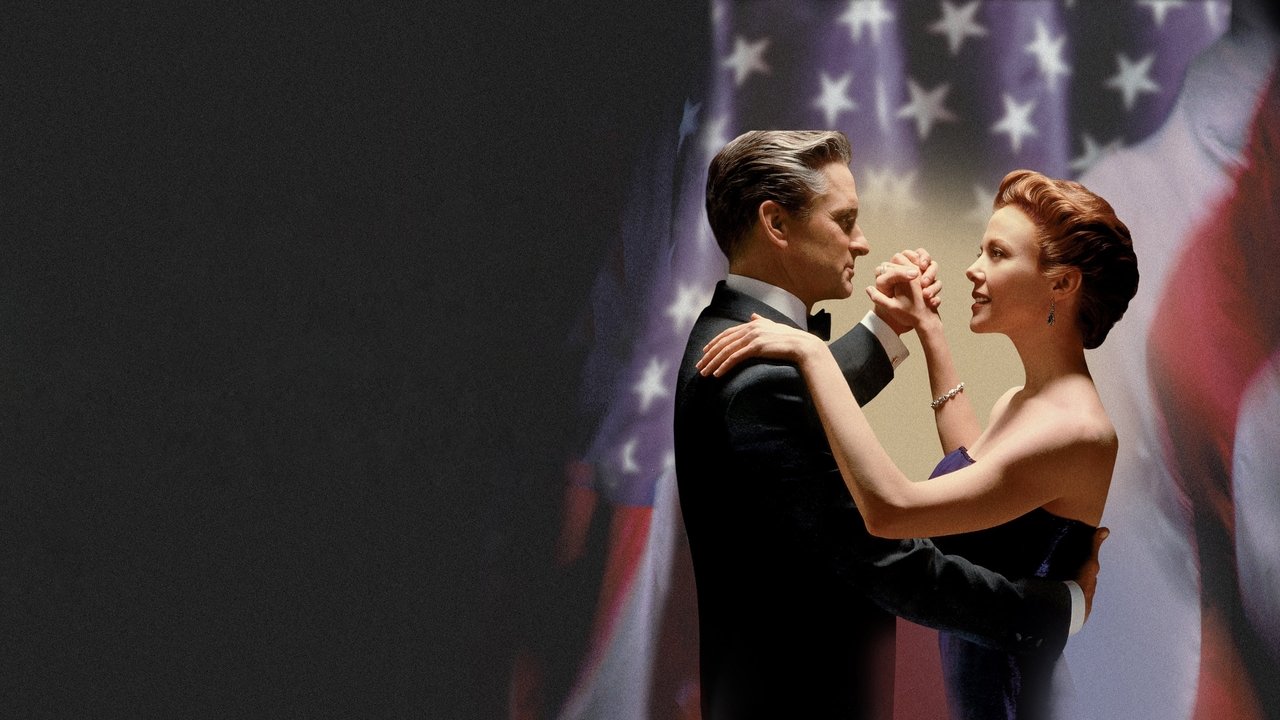
The casting here is just impeccable. Michael Douglas, often known for more intense or morally ambiguous roles (Wall Street, Fatal Attraction), finds a perfect frequency as President Shepherd. He carries the weight of the office believably, but it’s the moments of vulnerability – the awkward phone call to ask Sydney out, the quiet grief for his late wife, the dawning realization of his feelings – that truly sell the character. He makes Shepherd feel like a person, not just a President.
And Annette Bening? Simply luminous. Sydney Wade isn't just a love interest; she's whip-smart, dedicated, and slightly intimidated but never overwhelmed by the corridors of power. Bening embodies her intelligence and principles, making it entirely believable why Shepherd would risk so much for her. Their chemistry feels earned, built on mutual respect and intellectual sparring as much as romantic sparks. Remember that scene where they first truly connect over billiards? It’s understated perfection.
The supporting cast is a dream team of familiar faces. Martin Sheen brings immense gravitas as A.J. MacInerney, the loyal and pragmatic Chief of Staff – a role that feels like a fascinating precursor to his own presidential turn in The West Wing. Michael J. Fox is electric as Lewis Rothschild, the idealistic and hyper-driven domestic policy advisor, practically vibrating with nervous energy and conviction. David Paymer, Samantha Mathis, Richard Dreyfuss (in a deliciously slimy turn as the opposing Senator Bob Rumson) – everyone hits their mark.
### Sorkin's Proving Ground & Retro Fun Facts
It's impossible to talk about The American President without mentioning its connection to The West Wing. Aaron Sorkin originally penned a massive 385-page screenplay. Director Rob Reiner (When Harry Met Sally..., A Few Good Men), recognizing the strength of the central relationship, bought the script and worked with Sorkin to focus it primarily on the President and the lobbyist. Much of the unused material – storylines about the staff, policy debates, the general ecosystem of the White House – formed the bedrock of Sorkin's pitch for The West Wing a few years later. Watching the film now, it feels like a beautifully realized pilot episode for a slightly different, yet parallel, political universe. You can spot familiar character archetypes and thematic concerns.
Interestingly, Sorkin reportedly struggled immensely with writer's block while adapting the script, eventually checking into a hotel with William Goldman (Butch Cassidy and the Sundance Kid, The Princess Bride) acting as a script doctor/mentor to help him finish. The final film cost around $62 million and pulled in a respectable $107.9 million worldwide – a solid hit that proved audiences were hungry for smart, character-driven stories, even amidst the summer blockbusters. The film aimed for a degree of authenticity, with consultants like former Carter administration advisor Pat Caddell weighing in, though naturally, it leans into romantic idealism more than gritty realism. Doesn't that idealistic sheen feel almost poignant from our vantage point today?
### More Than Just a Rom-Com
While undoubtedly romantic and often comedic, the film doesn't shy away from exploring genuine political themes: the compromises leaders make, the weaponization of private lives for political gain, the battle between pragmatism and principle. Shepherd's climactic speech ("My name is Andrew Shepherd, and I am the President!") remains a powerful moment, a defense not just of his relationship, but of core American values against cynical manipulation. It’s a reminder that sometimes, the most political act is simply standing up for what you believe in, personally and publicly.
The film captures a specific mid-90s feel – the cusp of the digital age (email is present, but not pervasive), a slightly less polarized political landscape (or perhaps just portrayed that way), and a certain optimism that feels harder to come by now. Watching it again took me right back to that feeling – the hopefulness, the belief in eloquent leadership, the sheer charm of watching two smart people fall in love.
Final Thoughts & Rating:
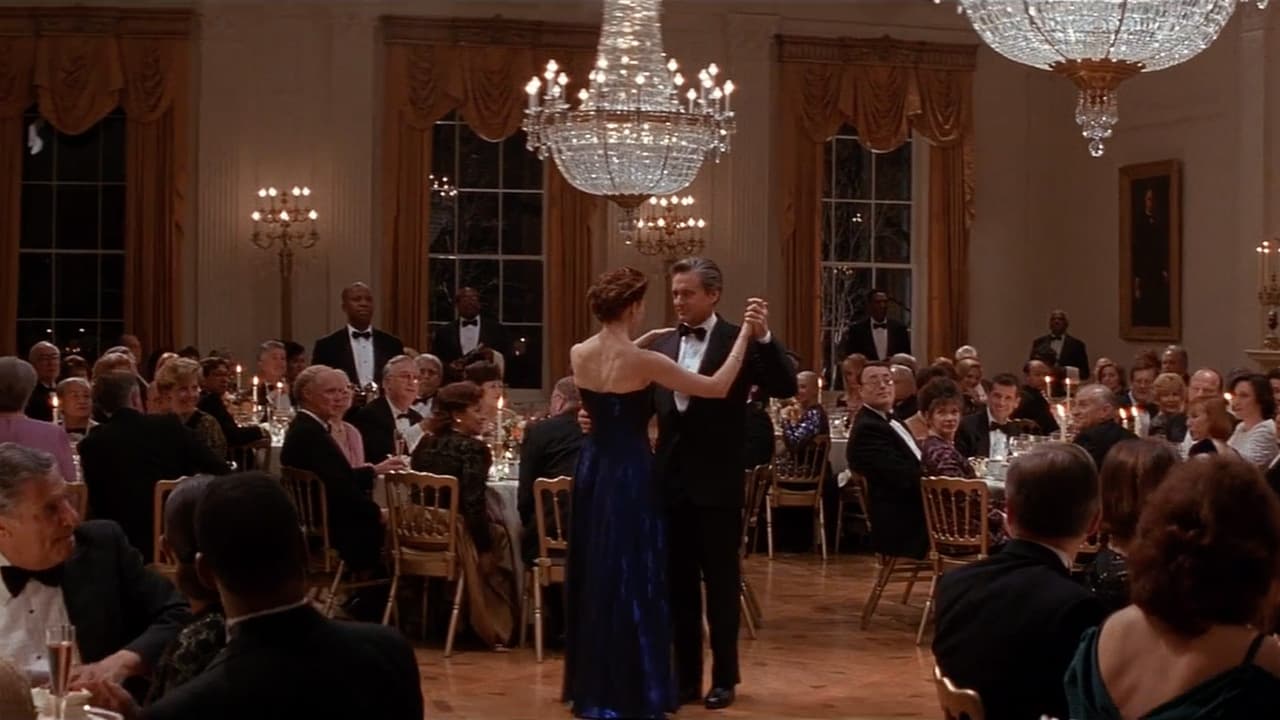
The American President is a wonderfully crafted film that perfectly balances sharp political insight with genuinely affecting romance. Anchored by stellar performances from Michael Douglas and Annette Bening, elevated by Aaron Sorkin’s sparkling dialogue, and guided by Rob Reiner’s assured hand, it remains a standout from the 90s. It treats its audience with intelligence and offers a compelling vision of leadership tempered with humanity. While perhaps a touch idealistic, its heart and wit are undeniable.
Rating: 9/10
It’s more than just a "feel-good" movie; it’s a "feel-smart-and-hopeful" movie, a quality that makes it endure long after the tape stops rolling. What lingers most is that potent question: can power and love truly coexist, and what are we willing to fight for when they collide?