Okay, dim the lights, maybe crack open a cold one you grabbed from the fridge during the previews. Tonight, we’re sliding a tape into the VCR that practically screams “early 90s action” from its very title: Harley Davidson and the Marlboro Man (1991). Forget subtlety; this film wears its influences – and its protagonists’ corporate namesakes – like a well-worn leather jacket. It landed with a thud at the box office back in the day, but like so many cinematic misfits, found a devoted following glowing from CRT screens in dimly lit living rooms.
Future Blues and Barroom Brawls
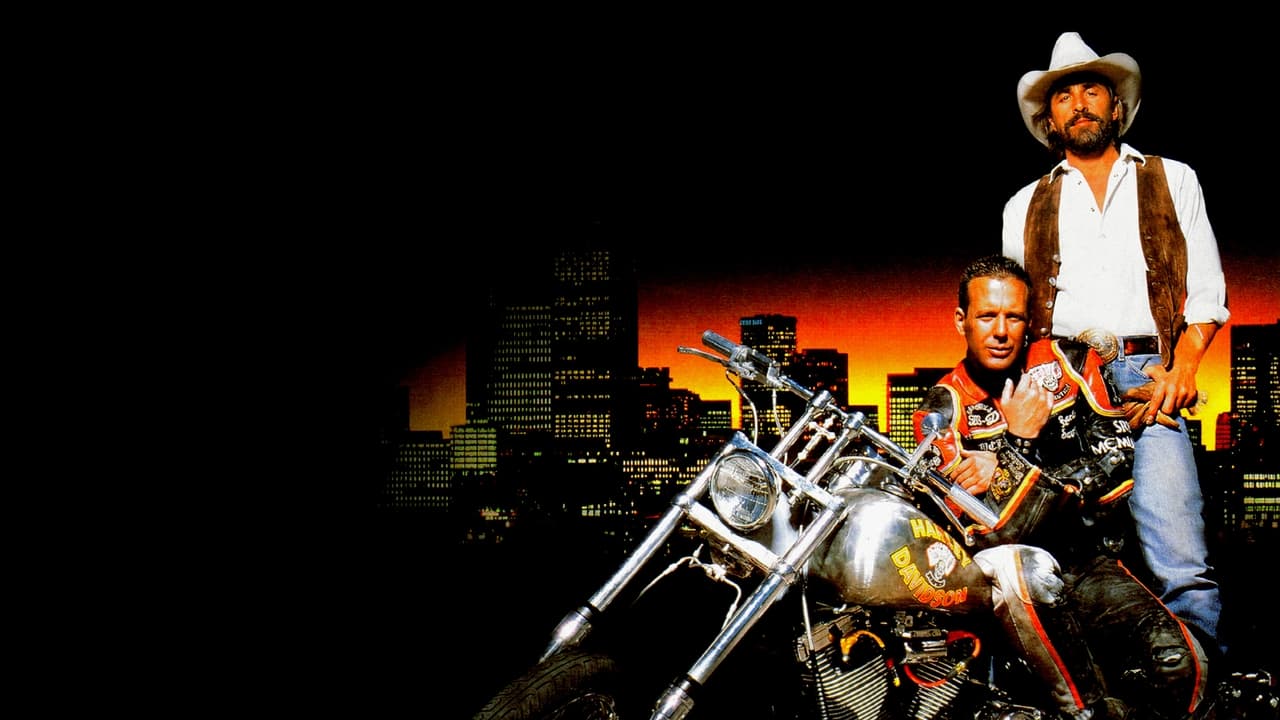
Right off the bat, the film throws us into the "near future" of 1996. Remember when 1996 felt futuristic? Our heroes, the stoic biker Harley Davidson (Mickey Rourke, bringing that quiet intensity he mastered in films like Angel Heart (1987)) and the smooth-talking cowboy Robert "Marlboro Man" Maynard (Don Johnson, fresh off his Miami Vice superstardom), reunite in LA. Their old haunt, the Rock 'n Roll Bar & Grille, is facing foreclosure by a corrupt bank demanding an outrageous sum. What else are two rebels gonna do but rob one of the bank's armored cars? It’s a plan so simple, so direct, it feels ripped right from a dusty paperback novel found at a truck stop.
Of course, things go sideways. Instead of cash, they find themselves holding a shipment of a new synthetic drug called "Crystal Dream," putting them squarely in the crosshairs of ruthless bank executive Alexander (Daniel Baldwin, oozing corporate slime) and his seemingly invincible, trench-coat-clad assassins. What follows is a classic chase-and-shoot structure, punctuated by moments of buddy bonding and some surprisingly decent character beats, mostly thanks to the undeniable chemistry between Rourke and Johnson. They genuinely seem like old friends, their banter feeling less scripted and more like two guys who’ve shared too many cheap beers and near-death experiences.
Action: Raw, Real, and Definitely Pre-CG
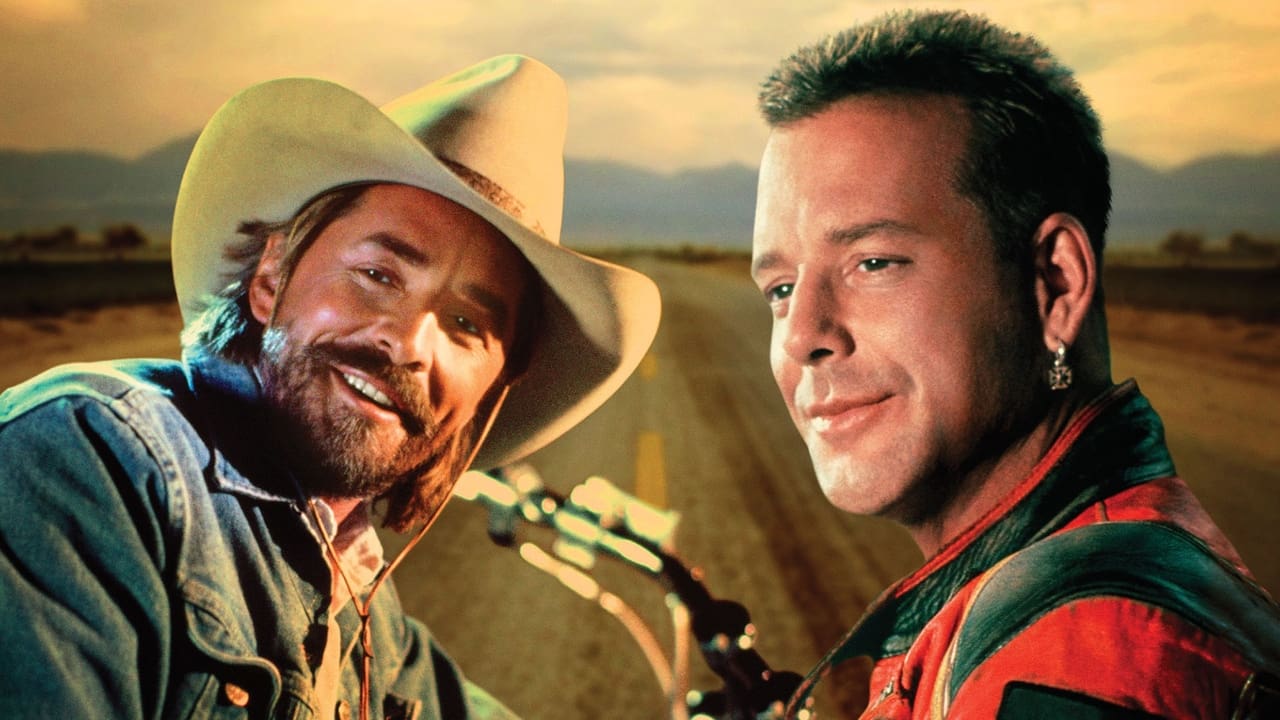
Let's talk about why this film feels like a proper VHS action flick. Director Simon Wincer, who’d previously wrangled epic Westerns like Lonesome Dove (1989), brings a certain grit to the proceedings. The action here isn't the balletic, hyper-edited stuff we see today. It's chunky, impactful, and relies heavily on good old-fashioned stunt work. Remember that insane jump Harley makes from a rooftop onto a swimming pool cover? That wasn't green screen magic; that was a stunt performer taking a serious leap (reportedly from over 10 stories, aided by wires, but still incredibly dangerous).
The gunfights have that satisfyingly loud, slightly messy quality. When bullets hit walls, sparks fly – real squibs, real debris. The armored car sequence feels genuinely heavy and dangerous. It’s the kind of practical effects work that might look a little rough around the edges now, but carried a visceral weight back then. There's a tactile reality to the explosions and the impacts that CGI often smooths over. You felt the danger because, well, it looked dangerous for the people on screen. Seeing a young Tom Sizemore pop up as Marlboro's roadie adds another layer of "hey, it's that guy!" fun for retro fans.

A Pair of Aces (and Jokers?)
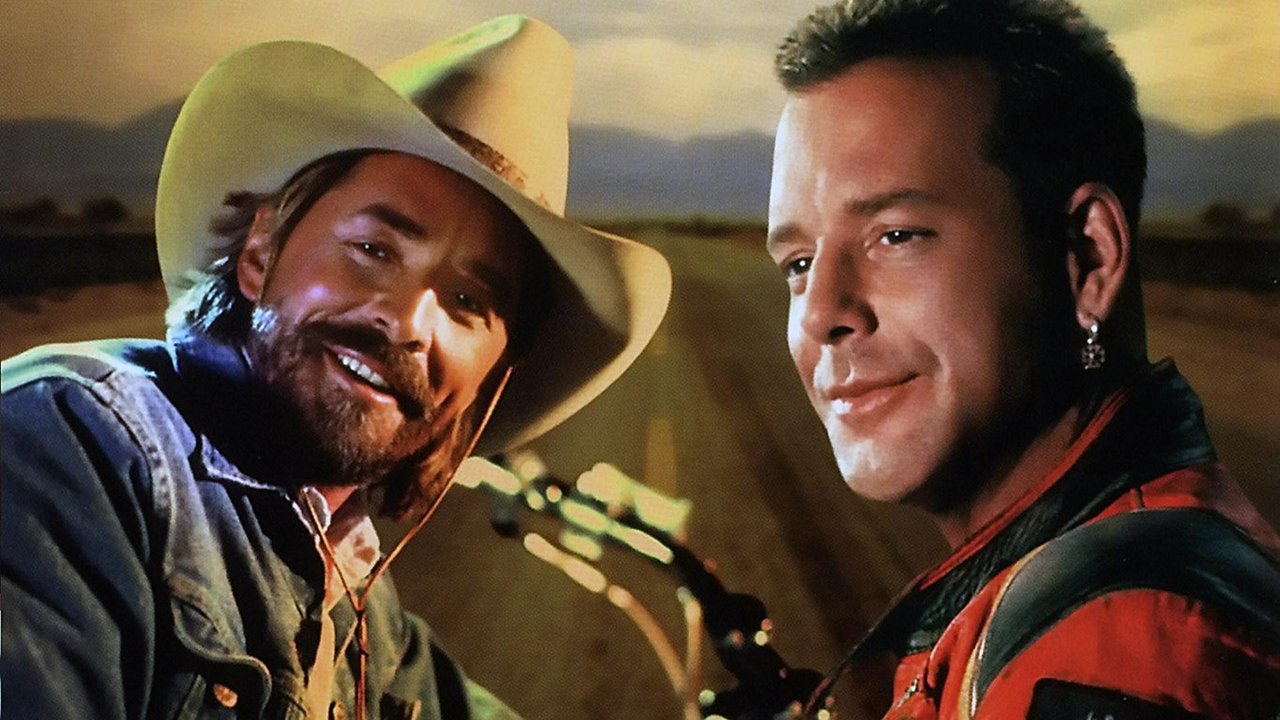
Rourke and Johnson are the heart and soul here. Rourke, underplaying beneath his battered hat, finds the wounded soul in Harley. Johnson, flashing that trademark grin, gives Marlboro a charm that papers over some of the script's weaker moments. They’re playing archetypes, sure, but they commit fully. Chelsea Field as Virginia Slim (yes, really) does her best with a slightly underwritten role, providing the romantic interest and a link to Harley's past.
The film's financial failure is legendary – pulling in only about $7 million domestically against a reported $23 million budget. Critics mostly hated it, finding it derivative and silly. Yet, something about its earnest belief in its own coolness, its blend of Western tropes, biker culture, and futuristic noir-lite, struck a chord on home video. Maybe it was the sheer star power, maybe it was the uncomplicated plot, or maybe it just hit that sweet spot of being entertaining despite its flaws. Filming primarily in Tucson, Arizona gave it that dusty, sun-bleached look that contrasts nicely with the neon-lit LA scenes, grounding the slightly sci-fi elements. It wasn't trying to reinvent the wheel; it was just trying to be a cool ride.
Hitting Eject
Harley Davidson and the Marlboro Man isn't high art. The plot is thin, the dialogue occasionally clunky ("My old man told me before he left this shitty world, never chase buses or women with bad attitudes because another one will be along in ten minutes." - Classic!), and the "future" tech mostly amounts to slightly different guns and mentioning Japan bought the moon. But damn, is it watchable? Absolutely. It's a time capsule of early 90s action sensibilities, fueled by star power and practical mayhem.
Rating: 6.5 / 10
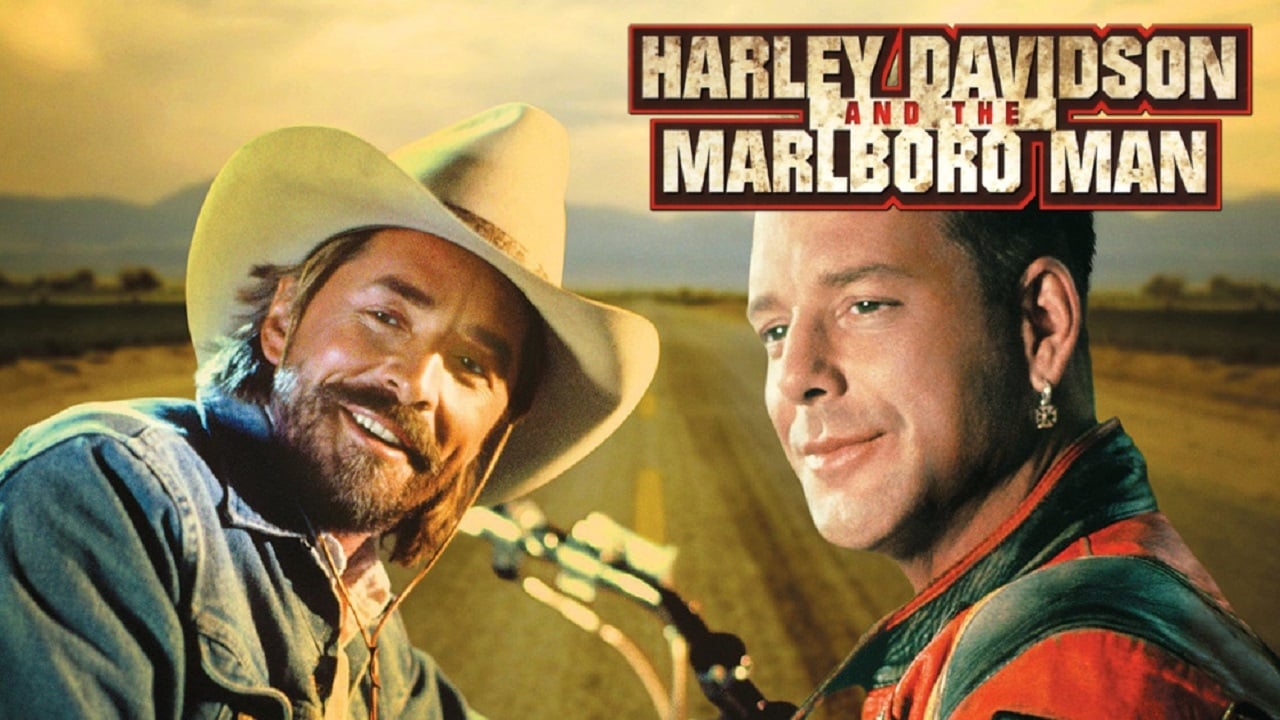
Justification: It earns points for the stellar chemistry between Rourke and Johnson, the genuinely impressive practical stunt work, and its sheer nostalgic charm. It loses points for a derivative plot, some cheesy dialogue, and failing to fully capitalize on its premise. It's flawed, but undeniably fun if you're in the right mood.
Final Thought: This is peak "put your brain in neutral and enjoy the ride" VHS action – a reminder that sometimes, all you need is two charismatic stars, some cool bikes, and a willingness to blow stuff up for real. It might be dated, but it’s got fuel in the tank yet.